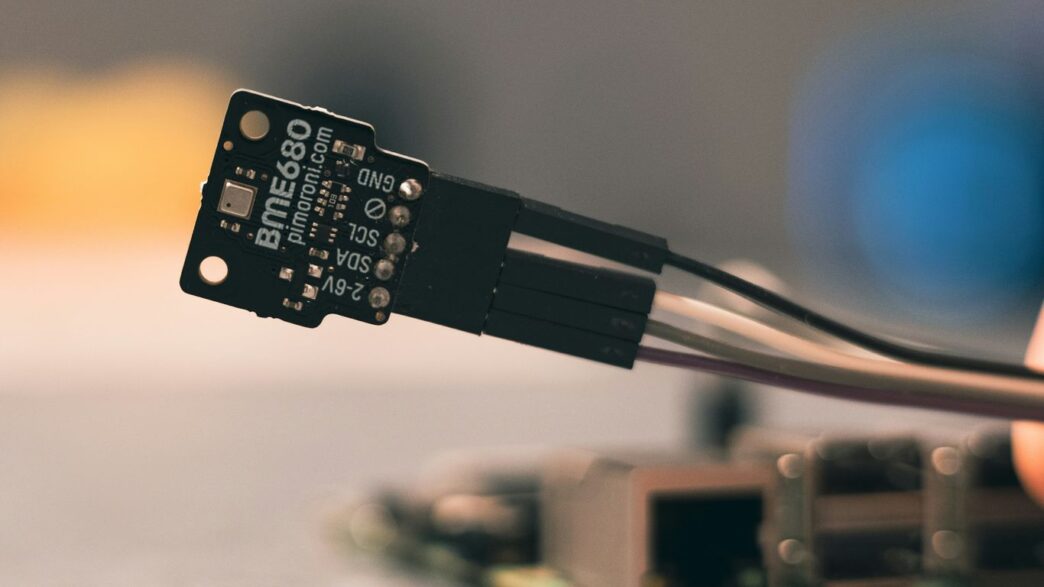
The way we use technology is changing fast, thanks to the Internet of Things (IoT). It’s all about connecting devices so they can talk to each other and share information. From our homes to big factories, IoT is a huge part of new ideas. But, like anything, it has its good and not-so-good sides. Let’s look at the main benefits and problems with IoT today, so you know what it’s all about.
Key Takeaways
- IoT makes it super easy to check and control things from far away, like adjusting your home’s temperature with your phone.
- Tasks get done faster because IoT can automate simple jobs and let devices talk to each other instantly, cutting down on waiting time.
- By making processes smoother and cutting out unnecessary steps, IoT helps save time and makes things more efficient overall.
- IoT allows devices to work on their own, reducing the need for people to constantly manage them, which can speed things up.
- Using IoT often leads to saving money by using resources better and making operations run more smoothly.
The Upsides of Internet of Things Integration
So, what’s the big deal with all these connected gadgets and gizmos? Well, the Internet of Things, or IoT, is really shaking things up, and for the most part, it’s for the better. It’s like giving everyday objects a voice and a brain, letting them talk to each other and to us in ways we couldn’t before. This opens up a whole bunch of cool possibilities.
Enhanced Accessibility and Remote Control
Think about being able to check on your house while you’re on vacation, or adjust the thermostat from your office. That’s the kind of stuff IoT makes possible. It puts a lot of control right at your fingertips, no matter where you are.
- Home Automation: You can manage lights, locks, and appliances remotely. Forgot to turn off the coffee maker? No worries, just tap your phone.
- Remote Monitoring: Keep an eye on things like security cameras or even your pet’s activity from miles away.
- Personalized Comfort: Adjust your home’s temperature or lighting before you even get there, making your arrival that much more pleasant.
Streamlined Operations and Faster Task Execution
In the business world, this means things can run a lot smoother and quicker. Instead of waiting for someone to manually input data or flip a switch, devices can communicate and act on their own. This speeds up processes that used to take ages.
- Real-time Data: Sensors can detect issues immediately, like a machine overheating on a factory floor, and alert the right people instantly.
- Automated Workflows: Tasks that are repetitive can be handled by connected systems, freeing up human workers for more complex jobs.
- Reduced Downtime: Quick alerts and automated responses mean problems get fixed faster, keeping operations running without major interruptions.
Optimized Time Management and Efficiency
When things run faster and smoother, you naturally save time. IoT helps cut out the unnecessary steps and makes sure resources are used wisely. It’s all about working smarter, not harder.
- Logistics: Delivery trucks can use real-time traffic data to find the quickest routes, getting packages to their destinations on time.
- Resource Management: Smart grids can manage energy distribution more effectively, reducing waste and saving money.
- Personal Productivity: Wearable devices can track your activity and sleep, helping you understand your habits and plan your day better.
Automation and Autonomous Control Capabilities
This is where IoT really shines. Devices can actually make decisions and take actions without a person telling them to do it every single time. It’s like having a helpful assistant that’s always on duty.
- Smart Agriculture: Irrigation systems can water crops only when the soil moisture drops below a certain level, saving water and effort.
- Industrial Processes: Manufacturing lines can adjust settings automatically based on sensor readings to maintain product quality.
- Building Management: Heating and cooling systems can adapt to occupancy levels and outside weather, optimizing comfort and energy use.
Financial and Operational Benefits of IoT
When you start looking at how the Internet of Things (IoT) actually works in the real world, you see some pretty clear advantages, especially when it comes to money and how businesses run. It’s not just about fancy gadgets; it’s about making things work better and cost less.
Significant Cost Savings Through Optimization
One of the biggest draws of IoT is its ability to cut down on expenses. Think about it: by using sensors and smart devices, companies can get a much clearer picture of how their resources are being used. This means less waste, whether it’s energy, materials, or even just time. For example, in a factory, sensors can monitor machinery to predict when maintenance is needed before something breaks down. This avoids costly emergency repairs and keeps production lines running smoothly. It’s like getting a heads-up so you can fix a small issue before it becomes a huge, expensive problem. This kind of proactive management can really add up over time, leading to substantial savings on utility bills and operational upkeep. Even in places like financial institutions, IoT sensors can monitor things like occupancy and environmental conditions, helping to optimize energy use and security systems, which also translates to lower operating costs.
Improved Productivity and Business Growth
Beyond just saving money, IoT also has a knack for boosting how much work gets done and, by extension, helping businesses grow. When tasks are automated and processes are streamlined, employees can focus on more important, complex work instead of getting bogged down in repetitive chores. Imagine a warehouse where inventory is tracked automatically by sensors; no more manual counting, which is slow and prone to errors. This frees up staff to handle customer orders or manage logistics more effectively. This increased efficiency means more output with the same resources, or even fewer.
Here’s a quick look at how IoT can improve things:
- Faster Operations: Devices communicate in real-time, speeding up decision-making and task execution.
- Reduced Downtime: Predictive maintenance means fewer unexpected equipment failures.
- Better Resource Allocation: Knowing exactly what you have and where it is helps you use it more wisely.
- Enhanced Decision Making: Real-time data provides insights that lead to smarter choices.
Ultimately, by making operations smoother and more efficient, IoT creates a foundation for businesses to expand and take on new opportunities. It’s about working smarter, not just harder.
Navigating the Challenges of IoT Adoption
Jumping into the Internet of Things can feel a bit like setting up that monster home entertainment system—so many pieces to get working together, all with their own quirks. Sure, the potential is exciting, but you run into real challenges when it comes time to make everything click. If you’re rolling out IoT at scale, expect to face some bumps in the road before the smooth ride begins (strategic planning and a clear roadmap). Let’s walk through what those bumps often look like.
Increased Dependency on Technology Infrastructure
It goes without saying, the more connected our homes, cars, or workplaces become, the more we count on a stable tech backbone. Here are some ways this dependency shows up:
- If a central control hub goes down, lots of devices can suddenly stop working, leaving you stuck.
- Internet outages, even temporary ones, can bring everything to a standstill.
- Routine maintenance or upgrades can mean downtime, adding a layer of unpredictability.
For folks who love the convenience, this can be a harsh wake-up call when things go wrong.
Potential for Data Loss and System Malfunctions
Data is the heart of IoT. It’s why your smart fridge knows when you’re out of milk, but it also means one glitch can mess up your whole day. Here’s what this looks like in real life:
| Risk | Impact Example |
|---|---|
| Power failure | Loss of unsaved data from multiple devices |
| Software update bugs | Systems become unresponsive or behave unpredictably |
| Network disconnects | Incomplete data tracking, gaps in records |
Even little mistakes add up if they go unnoticed, which can be a nightmare if you’re running a business or managing a smart home.
Complexities in Integration and Management
Most IoT setups aren’t as simple as plugging in a new lamp. Mixing old systems with new ones, or adding devices from different brands, often ends up being more headache than expected:
- Devices might use different communication protocols. Compatibility gets messy fast.
- Keeping everything updated takes time and constant attention.
- Figuring out who manages what device can be a source of confusion, especially as networks expand.
If you want your IoT setup to really work over the long run, careful planning and regular check-ins are a must. And it helps to have a dedicated person or team on it from the start.
So, while dreaming up an interconnected life is easy, making it a reality is where the real work starts. Businesses and homeowners alike have to be ready to address issues like infrastructure, maintenance, and complexity if they want to avoid common IoT mishaps.
Security and Privacy Concerns in the IoT Landscape
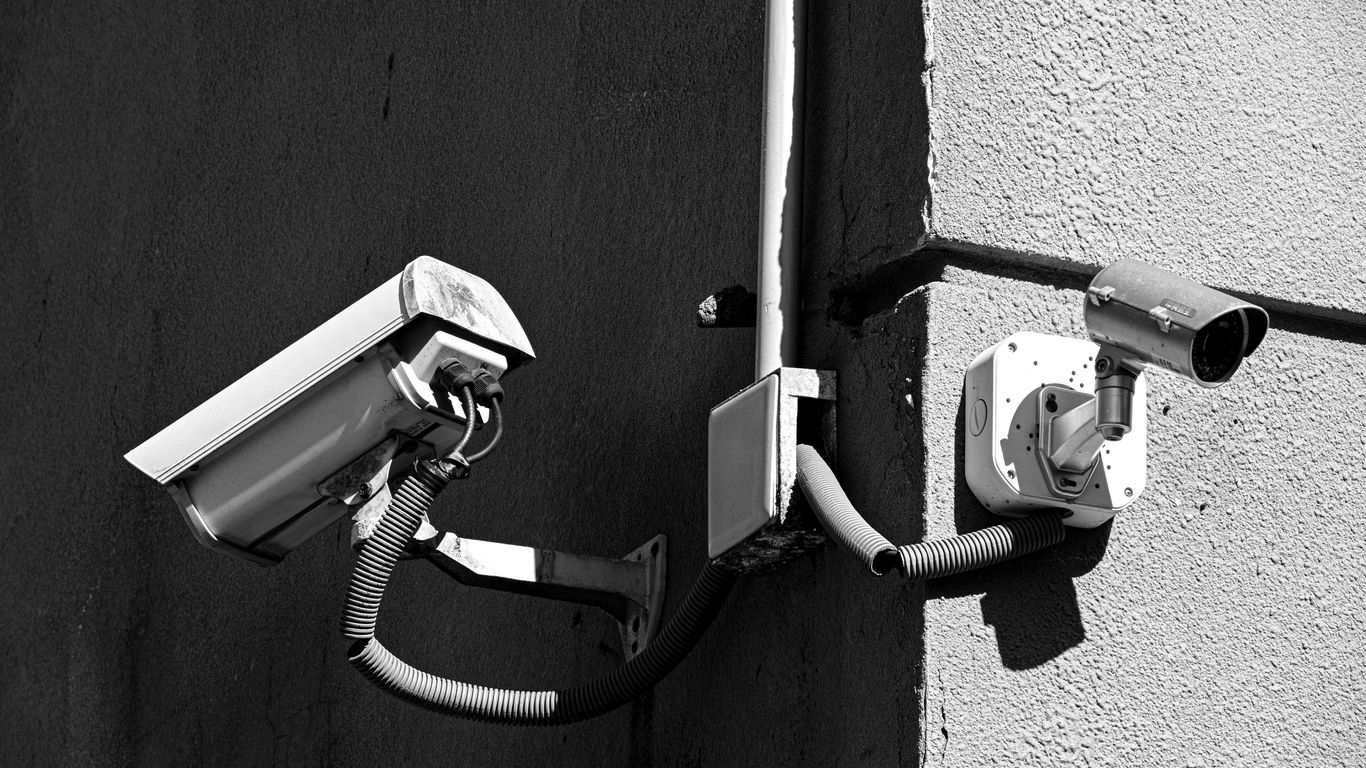
So, we’ve talked about all the cool stuff IoT can do, but let’s get real for a second. Connecting everything to the internet, while super convenient, also opens up a whole can of worms when it comes to security and keeping our private information safe. It’s like leaving your front door unlocked just because you want to grab the mail faster.
Heightened Vulnerability to Cyber Threats
Think about it: every single device you connect – your smart fridge, your thermostat, even your kid’s toy – is now a potential entry point for someone with bad intentions. These devices often aren’t built with the same security standards as your laptop or phone. They might have weak passwords or outdated software that hackers can easily exploit. This means a compromised smart bulb could potentially be the first step in a much larger network intrusion. It’s not just about your data; it could be about disrupting services or even causing physical harm if critical infrastructure is involved.
Risks of Unauthorized Data Access and Breaches
All these connected gadgets are constantly collecting data about you and your habits. Where you go, what you buy, when you’re home, when you’re not. If this data falls into the wrong hands, it’s a huge privacy invasion. Imagine someone knowing your daily routine down to the minute, or worse, accessing sensitive health information from your wearable fitness tracker. It’s a big deal, and the sheer volume of data being generated makes it a tempting target for cybercriminals looking to steal or sell personal information.
The Amplified Need for Robust Security Protocols
Because of these risks, we really need to step up our game with security. This isn’t just about having a strong password on your Wi-Fi anymore. We’re talking about:
- Encryption: Making sure the data sent between devices and the internet is scrambled so only authorized parties can read it. Think of it like sending a secret code instead of plain English.
- Authentication: Verifying that the device or user trying to access the network is who they say they are. This stops unauthorized devices from joining your network.
- Regular Updates: Keeping the software on all your IoT devices up-to-date. Manufacturers need to release patches for security flaws, and you need to install them.
- Network Segmentation: If possible, keeping your IoT devices on a separate network from your main computers and sensitive data. This way, if one part gets compromised, the rest is still safe.
It’s a lot to keep track of, and honestly, it can feel overwhelming. But ignoring it is just asking for trouble down the line.
Understanding the Impact of IoT on Control and Oversight
So, we’ve talked a lot about how cool IoT is, right? All this automation and data. But what happens when we start relying on it too much? That’s where control and oversight come in, and honestly, it’s a bit of a mixed bag.
The Double-Edged Sword of Automation
Automation is fantastic. It means machines can do repetitive tasks without us getting bored or making silly mistakes. Think about smart factories where robots assemble things with incredible precision, or even just your smart thermostat adjusting the temperature. It’s supposed to make things easier and more efficient. But here’s the catch: when everything is automated, we can sometimes lose touch with what’s actually happening. If a system goes wrong, and we’re not paying close attention because we’re used to it just working, we might not catch the problem until it’s too late. It’s like letting a self-driving car handle everything on a long trip – convenient, but you still need to be ready to take the wheel.
Reduced Human Oversight and Potential Errors
This leads directly to the issue of human oversight. When we delegate tasks to IoT devices and systems, our direct involvement decreases. This can be a problem. For example, imagine an automated financial trading system. It’s designed to react faster than any human could. But if there’s a glitch in the data it’s receiving, or a bug in its programming, it could make some really bad decisions very quickly, leading to significant losses. We’re essentially trusting algorithms and sensors to make decisions, and while they’re often great, they aren’t perfect. It means we need to be smarter about how we monitor these systems, even when they’re supposed to be running themselves. We need checks and balances, not just blind faith in the tech.
Wrapping It Up
So, the Internet of Things is pretty wild, right? It’s like we’ve got all these gadgets talking to each other, making life easier in some ways, like letting you turn on the lights from your couch or getting instant alerts if something’s up at work. But then, there’s the flip side. We’re handing over a lot of control, and honestly, the thought of all that data floating around and potentially getting into the wrong hands is a bit unnerving. Plus, when things go wrong with these connected systems, it can be a real headache to sort out. It’s clear IoT isn’t going anywhere, and it’s going to keep changing how we live and work. The trick will be figuring out how to get all the good stuff without getting tangled up in the bad.
Frequently Asked Questions
What exactly is the Internet of Things (IoT)?
Think of IoT as a giant network where everyday objects, like your watch, your fridge, or even a factory machine, can connect to the internet. This connection lets them talk to each other and share information, making them ‘smart’.
What are the main good things about using IoT?
IoT makes things super convenient! You can control stuff from far away, like turning on your lights before you get home. It also helps businesses run smoother and faster by automating tasks and saving time.
Does IoT help save money?
Yes, it often does! By making things work more efficiently, like using only the energy needed or reducing waste, IoT can help lower costs for both people and companies.
What are the downsides or problems with IoT?
One big worry is that we become too reliant on technology. If the internet goes down or a device breaks, things might stop working. Also, managing all these connected devices can get complicated.
Is my information safe with IoT?
That’s a big concern. Since devices are connected to the internet, they can be targets for hackers. There’s a risk of your personal information being stolen or misused if strong security measures aren’t in place.
Can IoT cause problems with jobs or human control?
Sometimes, when machines do a lot of the work automatically, people might not be watching as closely. This could lead to mistakes if the system isn’t set up perfectly or if something unexpected happens.