So, what’s new in the world of battery storage? It’s been a busy time, honestly. We’re seeing a lot of projects popping up everywhere, from Australia to India, and even in Europe. Plus, the way people are investing in this stuff is changing, and there are some big shifts happening in the US market too. Let’s break down some of the latest battery storage news and innovations you should know about.
Key Takeaways
- Australia’s battery storage projects are hitting major milestones, with over 5.5 GWh now listed under its environmental protection act, and companies like AGL and Quinbrook moving forward with large systems.
- New battery energy storage systems (BESS) are being deployed in Lithuania by Enefit, adding 46MW/184MWh to the grid, while Germany sees Munch Energie bringing five large-scale projects online.
- Investment in battery storage is becoming more selective, with a focus on project-level acquisitions and venture capital showing resilience despite broader market changes.
- The US saw over 57 GWh of battery storage installed in 2025, driven by utility-scale projects in states like California and Texas, and a surge in residential installations as tax credits ended.
- US battery manufacturing capacity is now exceeding domestic demand, and companies are focusing on technology and supplier reliability, while also dealing with tariffs and sourcing rules.
Global Battery Storage News and Developments
It’s been a busy start to 2026 for battery storage projects around the world. We’re seeing significant movement in Australia, Lithuania, India, and Germany, showing just how much this technology is expanding.
Australian Projects Reach Significant Milestones
Down Under, things are really picking up. Several big battery energy storage systems (BESS) have hit important points. Quinbrook Infrastructure Partners got the green light for their Supernode North project in Queensland. Meanwhile, AGL has started bringing its massive 500MW/1,000MWh Liddell BESS online in New South Wales. It’s not just about getting projects built, though. Thimo Mueller from ASL mentioned that getting everyone to work together is going to be key for New South Wales to hit its energy storage goals. We also saw Eku Energy and Valent Energy marking their own expansion milestones.
New Battery Energy Storage Systems in Lithuania
Enefit, part of Estonia’s state-owned utility Eesti Energia, is building three new battery storage systems in Lithuania. These will add up to 46MW/184MWh to the grid. This move shows a growing interest in battery storage solutions across the Baltic region.
ACME Solar Commissions Battery Storage in India
ACME Solar has brought over 480MWh of battery storage online in Rajasthan, India. This comes after they signed a bunch of new deals for storage-backed renewable energy. It’s a clear sign that India is serious about integrating more storage with its solar power.
Munch Energie Deploys Large-Scale BESS in Germany
In Germany, Munch Energie is rolling out five large-scale battery energy storage systems. This deployment is part of the country’s ongoing efforts to bolster its energy infrastructure with reliable storage solutions.
Investment Trends in Battery Storage
The last few years have turned battery storage from a niche sector into a main piece of renewable energy deals everywhere. Investment decisions are changing fast, especially after a record run in 2024. Let’s look at what’s actually shaping the money flows right now:
Selective Capital Deployment Reshapes Investment Landscape
These days, battery storage doesn’t get lumped into its own investment category. It’s almost always part of broader wind or solar bundles—sometimes making the money numbers pretty hard to untangle. Investors are now way more careful about where they put their cash, often aiming for projects that are closer to completion or already running. There’s more discipline with due diligence and it’s rare to see big checks written for risky, early-stage ideas.
Here’s a quick look at year-over-year comparison of investment deals:
| Year | Investment Deals | Reported Capital ($B) |
|---|---|---|
| 2024 | 116 | 19.9 |
| 2025 (Q1–Q3) | 85 | 11.2 |
List of what’s catching the eye of investors in 2026:
- Projects with proven tech and strong track records
- Storage assets paired with solar or wind
- Markets where reliability and grid congestion need help
Venture Capital Remains Resilient Amidst Market Shifts
Even though overall funding in battery storage has taken a step back, venture capital still seems to “hang in there.” For the first three quarters of 2025, close to $2.8 billion found its way into startups and growth companies—very similar to last year’s numbers. Larger funding through debt or public markets dropped off a cliff, though, as those investors want more certainty and less exposure to risk. VC money is clearly sticking with:
- Platforms with easier regulatory paths
- New chemistry or efficiency breakthroughs
- Service plays like analytics and battery management
Project-Level Acquisitions Gain Momentum
What’s really changed in the last year is how buyers are scooping up individual storage projects. More deals are happening at the project level, not just through big company mergers or by buying portfolios. About 45 storage project takeovers happened in the first nine months of 2025—double what we saw over the same period in 2024. One reason: late-stage, ready-to-build projects have safer contracts and fewer headaches with grid connection or permitting.
Some reasons why this trend took hold:
- Fewer unknowns late in the development cycle
- Easier to predict financial outcomes once agreements are locked down
- Buyers want less exposure to supply chain or legal twists
So, even with market ups and downs, battery storage keeps attracting money—just in different ways than before. Investors want proven value, trusted tech, and lower risks. If you’re pitching a battery project in 2026, those three things will probably decide who writes the next big check.
US Battery Storage Market Insights
The US battery storage scene really took off in 2025, with installations hitting a new high. We’re talking over 57 GWh of capacity added, which is a pretty big jump from the year before. Most of this growth came from big, utility-scale projects, especially in states like California, Texas, and Arizona. These three alone made up a huge chunk of all the new storage that came online.
It wasn’t just the big players, though. The ‘behind-the-meter’ market, which includes systems for homes and businesses, also saw a good amount of activity. This part of the market held steady at about 13% of the total, adding around 8 GWh. Interestingly, the residential sector saw a nice boost, likely because tax credits were wrapping up. People wanted to get those systems installed before the deadline.
Looking ahead, the numbers are projected to keep climbing. We’re expecting around 70 GWh to be added in 2026, with utility-scale projects still leading the charge. This growth is backed by significant investment, estimated at over $25 billion for 2026 alone. By 2030, the market is predicted to be massive, with annual installations potentially reaching 110 GWh and cumulative utility-scale storage hitting close to 500 GWh.
Record Installations Surpass 57 GWh in 2025
Last year was a landmark year for battery energy storage systems (BESS) in the US. Total installations reached an impressive 57 GWh, a 29% increase year-over-year. This surge was primarily driven by large-scale projects.
Utility-Scale Market Drives Growth in Key States
The utility-scale segment was the main engine of growth, accounting for nearly 50 GWh of the total capacity installed in 2025. California, Texas, and Arizona were the top states, collectively responsible for 74% of this utility-scale deployment. These states are clearly leading the charge in grid-scale energy storage.
Behind-the-Meter Market Sees Residential Surge
While utility-scale projects dominated, the behind-the-meter (BTM) market maintained its share, contributing 8 GWh. A notable trend within BTM was the strong performance in the residential sector. This uptick is widely attributed to the conclusion of the 25D tax credit, prompting homeowners to finalize installations.
Policy Landscape Evolves with New Legislation
The policy environment for battery storage in the US saw significant shifts throughout 2025. The passage of the "One Big Beautiful Bill Act" (OBBBA) was a major development. Additionally, several states made stronger commitments to renewable energy and storage, signaling a supportive regulatory future.
Innovations and Expert Perspectives
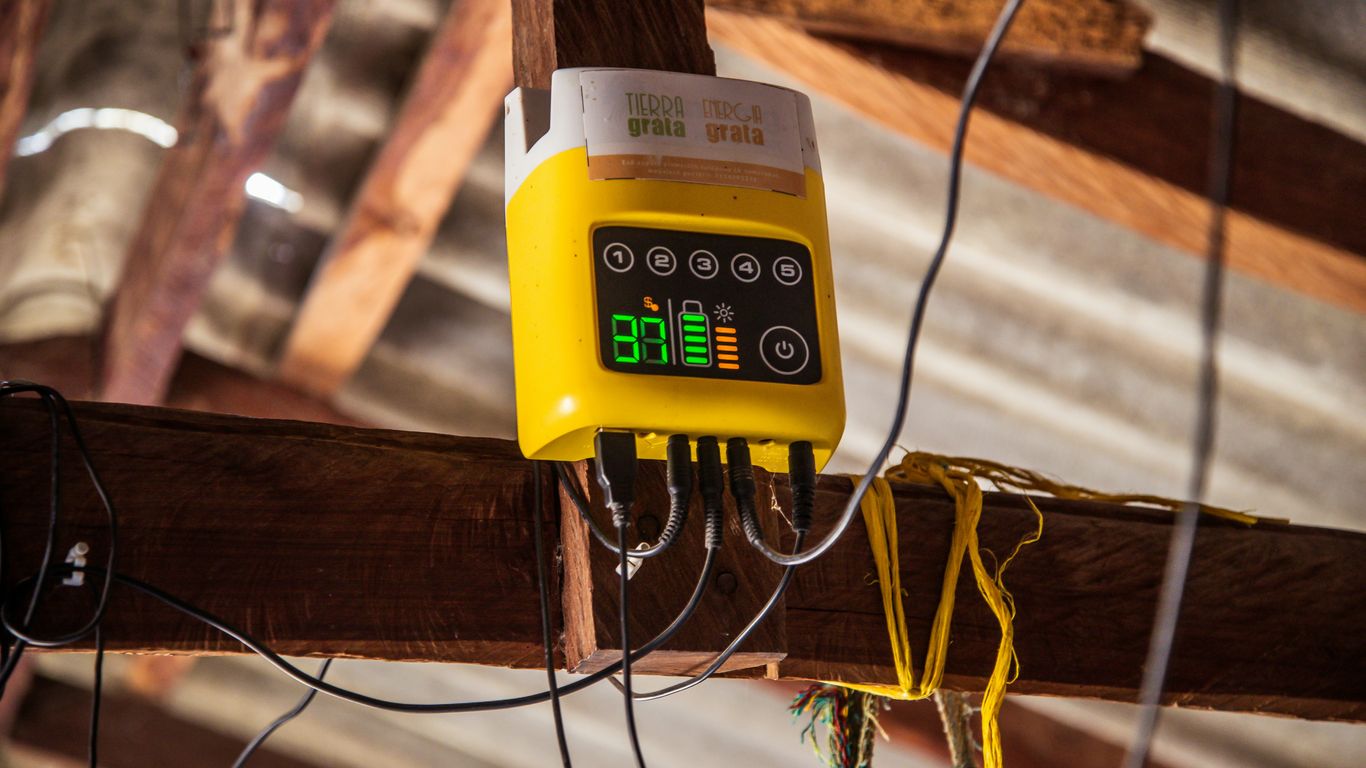
It’s pretty wild how fast things are changing in the battery storage world. You’d think it’s all just about making bigger batteries, but there’s a lot more going on under the hood. Collaboration seems to be the name of the game for hitting those big energy storage goals.
Collaboration Key to Achieving Energy Storage Targets
Getting all the different players to work together is a big deal. Think about it: you’ve got battery makers, project developers, grid operators, and even governments. They all have to be on the same page for this whole energy storage thing to really take off. It’s not just about having the tech; it’s about making sure it fits into the existing system and that everyone benefits. We’re seeing more partnerships forming, which is a good sign. It feels like people are realizing that trying to do it all alone just won’t cut it.
Optimizing Energy Storage Revenues
Making money from battery storage is getting more complicated, but also more interesting. It’s not just about selling power when prices are high anymore. There are all sorts of ways to make money, like helping to keep the grid stable or providing backup power. Michael Huisenga from Ascend Analytics was talking about this recently. He mentioned that figuring out the best way to make money depends on a lot of factors, like what the battery is used for and what the market rules are.
Here are a few things that seem to matter a lot:
- Market Signals: Understanding when and where to charge or discharge the battery based on electricity prices and grid needs.
- Ancillary Services: Providing services that help keep the grid running smoothly, like frequency regulation.
- Capacity Markets: Getting paid for having the battery available when it’s needed, even if it’s not used.
- Hybrid Projects: Pairing storage with renewable energy sources like solar or wind to get more value.
Insights from ACCURE Battery Intelligence CEO
We also heard from Dr. Kai-Philipp Kairies, the CEO of ACCURE Battery Intelligence. He’s focused on making sure batteries are safe and last a long time. It sounds like they’re developing ways to really understand how batteries are performing and when they might need attention. This kind of insight is super important, especially as we see more and more batteries being used everywhere.
Envision Energy Discusses Storage Solutions
Michael Koller from Envision Energy shared some thoughts on their storage solutions. They’re looking at how to integrate storage systems effectively. It seems like they’re thinking about the whole lifecycle of the battery, from how it’s made to how it’s used and eventually recycled. They’re also working on making sure their systems can talk to the grid and other energy sources easily.
Battery Manufacturing and Supply Chain
It’s pretty wild how much the battery manufacturing scene has changed, even just in the last year. The US battery manufacturing sector is now producing more than the country actually needs. That’s a big shift from just a few years ago when we were worried about having enough. This surplus is good news for projects, but it also means companies are really digging into the details of where everything comes from and who they’re buying from.
When you’re looking at big battery projects, people are paying close attention to a few key things:
- Battery Technology: What kind of batteries are being used? Are they the latest and greatest, or older tech?
- Supplier Reliability: Can the company supplying the batteries actually deliver on time and with good quality? No one wants delays.
- Component Origins: Where are the batteries and other parts, like inverters, actually made? This matters a lot for trade rules and potential tariffs.
Speaking of tariffs, they’re still a big headache. Companies are trying to figure out how to deal with changing import rules and how to source materials without getting hit by unexpected costs. It’s like a constant game of chess.
For projects that aren’t using a full "turnkey" contract where one company handles everything, buyers have to be extra careful. They need to check:
- System Design: Does the plan make sense for what they need?
- Interconnection Status: How easy will it be to connect to the power grid?
- Land Use: Are there any local rules or issues with the site?
- Assumptions: Are the project’s estimates for things like power output realistic?
- Offtake Agreements: What are the deals for selling the power, and what are the testing requirements?
Upcoming Events and Industry Conferences
Staying plugged into the energy storage world means knowing where to connect with the people and ideas shaping the future. Luckily, there are plenty of opportunities coming up in 2026 to do just that. Whether you’re looking to catch up on the latest tech, hear from industry leaders, or just network with fellow professionals, there’s something on the calendar for you.
Energy Storage Summit USA 2026
This is a big one for anyone focused on the North American market. The Energy Storage Summit USA is happening in Dallas, Texas, from March 24th to March 25th, 2026. It’s a prime spot to hear directly from folks like Dr. Kai-Philipp Kairies, CEO of ACCURE Battery Intelligence, and Michael Huisenga from Ascend Analytics, who are talking about optimizing revenue streams for storage projects. It’s a great chance to get insights into the US market’s rapid growth and policy shifts.
Global Energy Storage Events Calendar
Beyond the US summit, the industry is buzzing globally. Here’s a quick look at some other key dates:
- Energy Storage Summit 2026 (London, UK): This event, which already took place recently, featured discussions with leaders like Michael Koller from Envision Energy, offering a look at European and global storage solutions.
- Future Energy East Africa (April 7-9, 2026, Dubai): While broader than just storage, this event at the Dubai World Trade Centre will likely have significant discussions on energy storage’s role in the region’s energy transition.
- The smarter E Europe (May 13-15, 2026, Munich, Germany): This is a major European exhibition focusing on energy storage, renewable energy, and smart grids. It’s a place to see the latest technologies and connect with manufacturers and developers.
Keep an eye on these dates. Attending these events, or at least following their key takeaways, can really help you stay ahead of the curve in this fast-moving sector.
Wrapping It Up
So, looking back at everything that’s happened in battery storage this year, it’s pretty clear things are moving fast. We’ve seen big projects get the green light in places like Australia and New Jersey, and companies are really pushing to get more storage online, like in India and Germany. Even with some bumps in the road, like how investments are getting a bit more careful, the overall trend is still upward. It feels like battery storage is becoming a standard part of how we handle energy, not just some extra thing. It’s going to be interesting to see how all these new developments play out and what comes next.