Keeping up with medical technology is a big deal for anyone in healthcare who wants to give good care. As 2026 rolls around, it’s pretty clear that new medical devices and tech are going to keep changing how we get and give medical services. For doctors and healthcare managers, knowing about these shifts is key to figuring out what’s next in medicine. This article looks at some of the biggest tech trends that will shape 2026. We’ll cover how AI is being used more, what’s new with wearable tech, and other important developments that are helping patients and making things smoother for doctors. Understanding these will help you get ready for what’s coming.
Key Takeaways
- Artificial intelligence is becoming a major player, helping doctors diagnose illnesses faster and more accurately, and also taking care of a lot of the paperwork so doctors can focus more on patients.
- Treatments are getting more personal. Doctors are using your unique genetic makeup and lifestyle to figure out the best way to help you, moving away from one-size-fits-all approaches.
- We’re getting much better at using all the health data we collect. This helps hospitals run smoother, predicts health problems before they get serious, and helps doctors make smarter choices.
- Blood tests are getting a makeover. New medical devices mean we can do more tests with just a tiny bit of blood, making things quicker and less painful.
- Virtual assistants and telemedicine are expanding, offering more ways for patients to get help and advice from home, making healthcare more accessible for everyone.
Artificial Intelligence Revolutionizing Patient Care
It feels like AI is everywhere these days, and healthcare is no exception. We’re seeing some pretty big changes happening, especially in how doctors and nurses can do their jobs better and how patients get treated. AI is moving beyond just helping with scheduling and paperwork; it’s starting to play a real role in actual medical decisions.
AI-Enhanced Diagnostics and Interpretation
Remember when getting a diagnosis felt like a guessing game sometimes? AI is changing that. It can look at medical images, like X-rays or MRIs, and spot things that might be hard for the human eye to catch, especially in the early stages. Think about spotting tiny signs of cancer or eye problems before they become serious. It’s not about replacing doctors, but giving them a super-powered assistant. This means faster, more accurate diagnoses, which is a huge win for patients.
Streamlining Administrative Tasks with AI
Let’s be honest, nobody likes paperwork. Doctors and nurses spend a lot of time on things like updating patient records, booking appointments, and sorting out billing. AI is stepping in to automate a lot of this. This frees up healthcare professionals to spend more time actually talking to and caring for patients, which is what they got into the field to do in the first place. It also helps cut down on mistakes that can happen when people are overloaded with tasks.
AI-Powered Virtual Healthcare Assistants
We’re also seeing AI pop up in virtual assistants. These aren’t just chatbots for ordering pizza. They can help patients manage their health, answer common questions, remind them to take their medication, or even help them find the right specialist. For people with chronic conditions, these assistants can be a constant source of support, helping them keep track of their health day-to-day. It’s like having a helpful guide available anytime, anywhere, making healthcare feel a bit more accessible and less overwhelming.
The Era of Personalized and Precision Medicine
Forget the one-size-fits-all approach to healthcare. We’re really seeing a big shift towards treatments that are made just for you. This means looking at your unique genetic makeup, your lifestyle, and even your environment to figure out the best way to keep you healthy or get you better.
Hyper-Personalized Treatment Approaches
This is all about tailoring care to the individual. Doctors can now use genetic tests to predict how you’ll react to certain medications. This helps them pick the right drug and the right dose, making treatments work better and cutting down on those annoying side effects. It’s a much smarter way to manage health, especially for complex conditions.
Genomics and Gene-Editing Technologies
Genomics, the study of our genes, is a huge part of this. New technologies can now sequence your entire genome really fast, sometimes in just a few hours. This is a game-changer for newborns, helping to spot treatable conditions early. Gene-editing tools, like CRISPR, are also becoming more common. They hold the promise of fixing genetic problems that cause diseases, offering hope for conditions that were once untreatable. The ability to directly edit our DNA is truly revolutionary.
Patient-Specific Implants and Surgical Planning
When it comes to surgery, things are getting incredibly precise. Doctors can use 3D printing to create custom implants, like artificial joints or even parts of bones, that fit your body perfectly. This means better outcomes and faster recovery. Plus, advanced imaging and software allow surgeons to plan complex procedures down to the millimeter before they even step into the operating room, reducing risks and improving accuracy.
Data-Driven Healthcare Transformation
It feels like everywhere you look these days, data is the buzzword. And in healthcare, it’s not just a buzzword; it’s becoming the engine that drives everything forward. We’re generating more health information than ever before, and the real challenge, and opportunity, is figuring out how to actually use it effectively. Think about it – all those patient records, lab results, even the data from your smartwatch, it’s a goldmine if we can sort through it.
Leveraging Data Analytics for Operational Efficiency
Hospitals and clinics are starting to get really smart about how they use data to run things more smoothly. Instead of just guessing, they’re looking at past trends to predict when more patients might show up, which helps them schedule staff better and make sure there aren’t long waits. It’s all about making the whole system work better, so doctors and nurses can spend less time on paperwork and more time with patients. This means fewer bottlenecks and a generally better experience for everyone.
Predictive Healthcare and Preventative Strategies
This is where things get really interesting. By analyzing all this data, we can start to spot health problems before they become serious. Imagine getting a heads-up that you might be at risk for something, and then being able to take steps to prevent it. It’s a big shift from just treating people when they’re already sick to actively keeping them healthy. This proactive approach could really change how we manage long-term illnesses and keep people out of the hospital.
Integrated Data for Informed Clinical Decisions
Getting all the different pieces of health information to talk to each other is a huge hurdle, but it’s happening. When a doctor has access to your complete health picture – your medical history, genetic information, even data from your fitness tracker – they can make much better decisions about your care. This connected view allows for truly personalized treatment plans that consider all aspects of your health. It means fewer trial-and-error treatments and a more direct path to feeling better.
Innovations in Diagnostic and Imaging Technologies
Medical imaging and diagnostics are getting a serious upgrade, making it easier and faster to figure out what’s going on inside us. Forget those old, slow machines; we’re talking about tech that can spot problems earlier and with more detail than ever before. AI is really the star of the show here, helping doctors interpret scans and find things that might have been missed.
Reimagined Blood Testing with Microfluidics
Remember when getting blood drawn meant a big vial and a long wait for results? That’s changing. Microfluidics is a game-changer, allowing complex tests to be done with just a tiny drop of blood. This means quicker diagnoses and less discomfort for patients. It’s like having a mini-lab on a chip.
- Speed: Results come back much faster, sometimes within minutes.
- Volume: Requires significantly less blood, making it less invasive.
- Versatility: Can perform multiple tests simultaneously from a single sample.
Next-Generation Medical Imaging Modalities
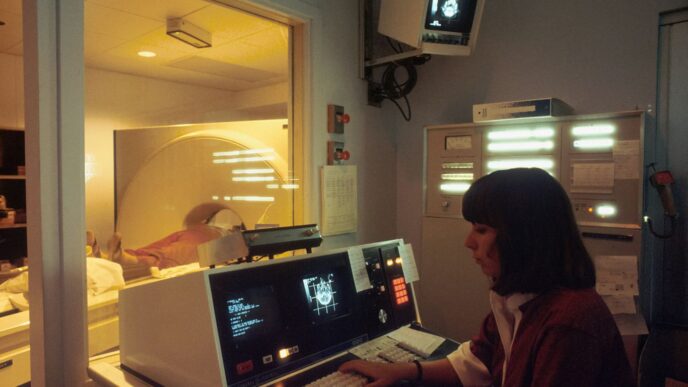
Imaging technology itself is evolving rapidly. We’re seeing new types of scanners that offer clearer pictures while using less radiation. Think photon-counting CT and advanced MRI systems that can scan faster and provide more detailed views. This means better images for diagnosis and a safer experience for you.
AI in Medical Image Interpretation
This is where AI really shines. It’s not replacing radiologists, but it’s giving them a powerful assistant. AI algorithms can sift through thousands of images, spotting subtle patterns that might be hard for the human eye to catch. This can lead to earlier detection of diseases like cancer, giving patients a better chance at successful treatment. It’s about making sure no detail is overlooked.
The Expanding Role of Telemedicine and Remote Monitoring
It feels like just yesterday we were talking about telemedicine as a new thing, and now, by 2026, it’s just… normal. Virtual visits aren’t just for quick check-ins anymore; they’re a solid part of how we get care. Think about it: no more sitting in waiting rooms or battling traffic just to talk to your doctor for ten minutes. This is especially good for folks who live far from city centers or have trouble getting around.
Evolution of Virtual Consultations
Virtual consultations have really come into their own. We’re seeing them used for more than just basic stuff. Mental health support, managing long-term illnesses, even physical therapy sessions can now happen over a screen. High-definition video makes it feel almost like being in the same room. Plus, these platforms are getting smarter, blending virtual and in-person visits so you get care that fits your life. It’s all about making healthcare easier to access.
Wearable Technology and the Internet of Things
Remember when smartwatches just told time and counted steps? Now, they’re like personal health dashboards. Devices are tracking heart rate, sleep patterns, and all sorts of other body signals in real-time. The real game-changer is how these wearables connect through the Internet of Things (IoT). This means all that health data can be sent straight to your doctor. It’s like having a constant health check-up without even trying. This constant stream of information helps doctors spot problems early and tailor treatments just for you.
Here’s a look at what some common wearables can track:
- Heart Rate
- Sleep Quality
- Activity Levels (steps, calories burned)
- Blood Oxygen Levels (SpO2)
- ECG (Electrocardiogram) readings
Remote Chronic Care Management
For people dealing with ongoing health issues, this is huge. Combining those wearable devices with telemedicine creates a powerful way to manage chronic conditions from home. Instead of frequent hospital visits, doctors can keep an eye on things remotely. This approach helps prevent emergency room trips and hospital stays. It shifts healthcare from being something you react to, to something that’s constantly working for you, based on your specific needs and real-time health data. It’s a more proactive way to stay healthy.
Advanced Surgical and Procedural Innovations
Robotics in Minimally Invasive Surgery
Robotic systems are really changing the game in the operating room. We’re seeing them used more and more for procedures that used to require big incisions. Think about it – these robots can make incredibly precise movements, way beyond what a human hand can do. This means less trauma for the patient, shorter hospital stays, and a quicker bounce back. Specialties like cardiac surgery and orthopedics are seeing huge benefits. For instance, robotic assistance in heart valve repair is showing success rates that are just astounding, often over 99%. Plus, newer, smaller robotic tools mean these advanced techniques are becoming available in more hospitals, not just the super specialized centers. It’s making high-tech surgery more accessible.
3D Printing for Custom Prosthetics and Models
3D printing is another area that’s really taking off. It’s not just for making cool gadgets anymore; it’s directly impacting patient care. We’re seeing custom-fit prosthetics being printed that are perfectly matched to an individual’s body, which is a big deal for comfort and function. Beyond that, surgeons are using 3D-printed models of organs or complex bone structures to practice difficult operations before they even step into the actual operating room. This kind of rehearsal can seriously improve accuracy and patient safety during the procedure. It’s like having a practice run for a life-saving surgery.
Emerging Therapies and Longevity Medicine
This is where things get really interesting, looking at how we can not only treat diseases but also potentially slow down aging and improve overall healthspan. We’re talking about therapies that target the root causes of age-related conditions. While still in its early stages, the focus is on developing treatments that could help people live healthier, more active lives for longer. It’s a shift from just treating sickness to actively promoting well-being and extending the years of good health. The research here is complex, but the potential to improve quality of life as people age is immense.
Looking Ahead
So, that’s a quick look at some of the cool new medical gadgets and ideas shaping up for 2026. It’s pretty wild how fast things are changing, right? From AI helping doctors spot problems earlier to tiny robots doing surgery, it feels like we’re really stepping into the future of healthcare. It’s not just about new tech, though; it’s about making care better and more personal for everyone. Keeping up with all this might seem like a lot, but it’s exciting to think about how these advancements will help people live healthier lives. The journey is just getting started.