It’s a pretty exciting time to be in medicine, isn’t it? Things are changing fast, and a lot of that has to do with new medical technology. As we head into 2026, some really interesting developments are popping up that could change how we do things. We’re talking about smarter tools, more personalized care, and even ways to catch problems before they get serious. Let’s take a look at some of the latest medical technology advancements you should know about.
Key Takeaways
- Artificial intelligence is getting much better at helping doctors figure out what’s wrong and how to treat it, plus it’s starting to handle some of the paperwork.
- Treatments are becoming more about you as an individual, looking at your genes and lifestyle to find what works best.
- Hospitals are using more data to run smoother, predict when people might get sick, and manage patient flow better.
- New ways of testing blood need less of it and can give results faster, with wearables also keeping an eye on your health all the time.
- Seeing a doctor online is becoming more common, making it easier to get care, especially if you’re far from a specialist.
Artificial Intelligence Revolutionizing Patient Care

It feels like artificial intelligence, or AI, is everywhere these days, and healthcare is no exception. By 2026, AI is really stepping up its game, moving beyond just being a buzzword to becoming a practical tool that’s changing how doctors and nurses do their jobs. The biggest impact is in how we diagnose illnesses and figure out the best treatment for each person.
AI-Driven Diagnostics and Treatment Personalization
Think about how much data a doctor has to sort through – patient history, test results, scans, and so on. AI can sift through all of that information way faster than any human. For example, AI algorithms are getting really good at spotting tiny details in medical images, like X-rays or MRIs, that might signal early signs of diseases like cancer or eye conditions. This means catching problems sooner, when they’re often easier to treat. It’s not just about finding diseases, though. AI can also look at a patient’s unique genetic makeup, lifestyle, and even environmental factors to suggest treatments that are most likely to work for them, rather than a one-size-fits-all approach. This is a huge step towards truly personalized medicine.
Streamlining Administrative Tasks with AI Assistants
Let’s be honest, a lot of healthcare involves paperwork and scheduling. AI assistants are starting to take over some of these time-consuming tasks. Imagine AI handling appointment scheduling, managing patient records, or even sorting through insurance paperwork. This frees up doctors, nurses, and other staff to spend more time actually caring for patients. It also helps reduce mistakes that can happen with manual data entry. It’s like having an extra pair of hands that never gets tired and doesn’t make typos.
AI’s Growing Role in Clinical Trial Optimization
Getting new medicines and treatments approved is a long and complicated process, and clinical trials are a big part of that. AI is making these trials more efficient. It can help researchers find the right patients to participate in a trial much faster by matching their conditions to the trial’s requirements. AI can also help design better trials from the start, potentially saving drug companies billions of dollars and speeding up the time it takes for new treatments to reach people who need them. Some AI tools are even helping to manage decentralized trials, where patients participate from home, making it easier for more people to get involved.
The Rise of Hyper-Personalized Medicine
Forget the one-size-fits-all approach to healthcare. We’re heading into an era where treatments are crafted just for you. This isn’t science fiction anymore; it’s hyper-personalized medicine, and it’s really taking off.
Tailoring Treatments with Genetic Insights
Your DNA holds a lot of clues about how you’ll respond to different medicines. By looking at your genetic makeup, doctors can figure out which drugs will work best for you and, just as importantly, which ones might cause unwanted side effects. This means prescriptions can be more effective and safer. It’s like having a custom-made suit versus buying one off the rack – much better fit and performance.
Gene Editing Technologies for Inherited Conditions
This is where things get really interesting. Technologies like CRISPR are making it possible to actually go in and fix genetic errors that cause certain diseases. Think about conditions that used to be a life sentence; now, there’s a real chance to correct the underlying problem. While it’s still early days and there are ethical discussions happening, by 2026, we’re seeing these gene-editing tools move more into actual patient care. It’s a huge step forward for people with inherited disorders.
Leveraging Lifestyle and Environmental Data
It’s not just your genes. What you eat, how much you move, where you live, and even the air you breathe all play a part in your health. Hyper-personalized medicine also looks at this information. By combining your genetic data with details about your daily life and surroundings, doctors can get an even clearer picture of your health risks and needs. This allows for even more precise recommendations and treatments, moving us toward a truly holistic view of individual well-being.
Data-Driven Healthcare Transformation
It feels like everywhere you look these days, data is being talked about as the next big thing in healthcare. And honestly, it’s not just hype. By 2026, we’re seeing a real shift in how hospitals and clinics are using all the information they collect. It’s moving beyond just keeping records to actually making smarter decisions.
Optimizing Hospital Operations with Analytics
Think about how busy a hospital can get. Analytics is helping to smooth out those rough edges. By looking at past patient numbers and trends, hospitals can get a better handle on things like staffing needs. This means fewer overworked nurses and doctors during busy periods and better use of resources when things are quieter. It also helps predict when certain equipment might be needed most, so it’s ready to go.
Here’s a quick look at how analytics can help:
- Predicting Patient Flow: Understanding how many patients are likely to come in and when helps manage bed availability and staff schedules.
- Resource Allocation: Making sure the right equipment and supplies are where they need to be, exactly when they’re needed.
- Reducing Wait Times: Analyzing bottlenecks in processes can lead to quicker check-ins, faster lab results, and shorter waits for appointments.
Predictive Healthcare for Proactive Interventions
This is where things get really interesting. Instead of just treating people when they get sick, we’re starting to use data to figure out who might get sick before it happens. This shift from reactive to proactive care could change everything for managing chronic conditions and preventing serious health issues. By spotting early warning signs in patient data, doctors can step in with advice or treatment much sooner. This could mean fewer emergency room visits and better long-term health for individuals.
Enhancing Patient Flow and Resource Management
This ties back into optimizing operations, but it’s worth highlighting the patient experience. When a hospital runs smoothly, patients feel it. Better patient flow means less time spent waiting in hallways or for test results. It also means that when you do see a doctor or nurse, they have the information they need readily available. Resource management, in this context, isn’t just about supplies; it’s about making sure the right people are available to provide care at the right time. It’s a complex puzzle, but data analytics is providing the pieces to put it together more effectively.
Innovations in Diagnostic Testing
Testing is still a big part of figuring out what’s going on with your health, but things are changing fast. We’re seeing some really neat advancements that make getting tested easier and quicker. The days of needing a huge vial of blood for every single test might be fading.
Advanced Microfluidics for Minimal Blood Samples
Think about those tiny channels you see in computer chips. Scientists are using similar ideas, but on a super small scale, to test blood. These microfluidic devices can do a whole bunch of different tests using just a tiny drop of blood, sometimes even less than what you’d get from a finger prick. This is a game-changer because it means less discomfort for patients and less waste. Plus, these little devices can be made pretty cheaply, which could make advanced testing more available everywhere.
Faster and More Accessible Blood Analysis
Because of these new microfluidic tools and other tech, getting results back is getting way faster. Instead of waiting days for lab results, some tests can now be done right there at the doctor’s office or even at a local clinic. This speed is important. If you’re sick, knowing what’s wrong sooner means you can start treatment faster. It also helps doctors make quicker decisions, especially in emergencies. This is especially good news for people who don’t live near big hospitals or labs.
Continuous Monitoring Through Wearable Sensors
Wearable tech isn’t just for counting steps anymore. Now, devices like smartwatches and patches can keep an eye on important health signs all the time. They can track things like your heart rhythm, body temperature, and even how active you are. This constant stream of data can help doctors spot problems early, sometimes even before you feel sick. For example, some wearables can alert you to potential heart issues or changes that might mean a chronic condition is worsening, allowing for proactive care instead of waiting for a problem to become serious.
The Expanding Landscape of Telemedicine
Telemedicine has really moved beyond just being a pandemic backup plan. It’s now a solid part of how we get healthcare, and it’s only getting bigger. Think about it: no more sitting in waiting rooms or driving across town for a quick check-in. This convenience is a huge win for patients and doctors alike.
Virtual Consultations for Enhanced Accessibility
Virtual visits are making it easier for people to see a doctor, no matter where they live. This is especially true for folks in rural areas or those who have trouble getting around. You can connect with your doctor from your living room, which saves time and hassle. It’s not just for simple stuff either; many follow-up appointments and even some initial assessments can be done effectively online.
Remote Specialist Care for Underserved Areas
This is where telemedicine really shines. People in remote locations often struggle to get access to specialists. Telemedicine bridges that gap. Imagine a patient in a small town needing to see a cardiologist; instead of a long, expensive trip, they can have a virtual appointment with an expert miles away. This kind of access helps level the playing field for healthcare.
Here’s a look at how different specialties are using telemedicine:
- Radiology: Remote reading of scans and imaging reports.
- Psychiatry: Therapy sessions and mental health check-ins via video.
- Cardiology: Remote monitoring of heart conditions and virtual consultations.
- Dermatology: Patients can send photos of skin conditions for initial evaluation.
Integrating Telehealth into Routine Management
Telehealth isn’t just for urgent issues anymore. It’s becoming a regular part of managing ongoing health conditions. For example, patients with chronic diseases like diabetes or high blood pressure can have regular virtual check-ins. This allows healthcare providers to keep a close eye on their progress, adjust medications if needed, and catch potential problems early. It’s all about making ongoing care more manageable and proactive.
Wearable Technology and Connected Health
It feels like just yesterday we were marveling at fitness trackers counting our steps. Now, by 2026, wearable tech has really stepped up its game, becoming a much more integrated part of our health picture. These aren’t just gadgets anymore; they’re becoming personal health monitors that give us and our doctors a constant stream of information.
Real-Time Health Monitoring with Smart Devices
Smartwatches and similar devices are getting seriously sophisticated. Beyond heart rate and sleep tracking, many now offer continuous blood oxygen monitoring and even ECG capabilities right from your wrist. Some newer models are starting to incorporate non-invasive glucose monitoring, which would be a game-changer for people managing diabetes. This constant flow of data means potential health issues can be spotted much earlier than before. Think about it: your watch could alert you to an irregular heartbeat before you even feel it, prompting you to see a doctor. It’s like having a tiny health assistant with you all the time.
The Internet of Things for Seamless Data Flow
What makes these wearables truly powerful is how they connect with everything else. This is where the Internet of Things (IoT) comes in. Your smartwatch doesn’t just collect data; it sends it to your phone, which then might share it with your doctor’s patient portal or a specialized health app. This interconnectedness means all your health information – from your activity levels to your sleep patterns and even your medication adherence – can be viewed in one place. This makes it easier for healthcare providers to get a full picture of your well-being, not just what happens during a quick office visit.
Actionable Insights from Continuous Glucose Monitoring
For individuals managing diabetes, continuous glucose monitors (CGMs) have been revolutionary. These small devices, often worn on the arm, track glucose levels throughout the day and night, sending the data to a smartphone app. This allows for real-time adjustments to diet, exercise, and insulin. By 2026, we’re seeing CGMs become even more accurate and user-friendly, with some models predicting glucose trends hours in advance. This proactive approach helps prevent dangerous highs and lows, leading to better long-term health outcomes and a greater sense of control over the condition.
Advancements in Medical Manufacturing
It feels like every week there’s something new coming out of the world of making medical stuff, and 2026 is no different. We’re seeing some really cool ways that manufacturing is changing how we get treated.
Custom-Fit Prosthetics and Implants via 3D Printing
Remember when prosthetics and implants were pretty much one-size-fits-all? Well, that’s changing fast. 3D printing, or additive manufacturing as some call it, is a game-changer here. Doctors can now take scans of a patient’s body and print out implants or prosthetic limbs that fit perfectly. This means better comfort, less chance of rejection, and quicker healing times. It’s not just about replacements, either. Think custom bone scaffolds that help your own body regrow bone, or joint replacements designed specifically for your unique anatomy. It’s a big step up from the old days.
Surgical Planning with Anatomical Models
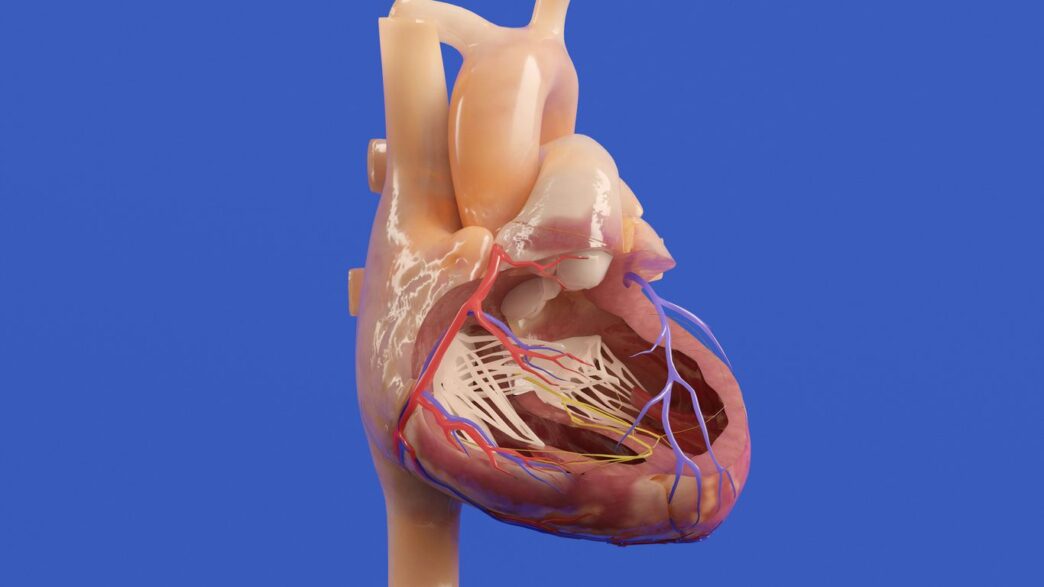
Surgeons have always relied on training and experience, but now they have an extra tool: 3D-printed models of a patient’s specific anatomy. Imagine a surgeon being able to hold a replica of a patient’s heart or a complex tumor before even stepping into the operating room. They can practice the procedure, identify potential problems, and plan the best approach. This kind of preparation can really make a difference in how smoothly a surgery goes and can lead to better outcomes for patients. It’s like having a dress rehearsal for a life-saving performance.
3D Printed Pharmaceuticals for Precision Dosing
This one might sound a bit like science fiction, but it’s becoming a reality. We’re talking about 3D printing pills. Why is this a big deal? Well, it allows for incredibly precise dosing. For patients who need very specific amounts of medication, or even multiple medications combined into a single pill, 3D printing can make that happen. It’s especially helpful for children or people with complex conditions who might struggle with taking multiple pills or exact dosages. This technology could lead to treatments that are not only more effective but also easier for people to stick with.
Emerging Frontiers in Regenerative Medicine
Regenerative medicine is really taking off, aiming to fix what’s broken in our bodies by repairing, replacing, or regrowing damaged cells, tissues, and even organs. It’s a big, multidisciplinary field with a lot of exciting work happening.
Cell and Tissue Engineering for Repair
This is all about creating new biological parts to get things working again. Think of it like building with biological bricks. Scientists are working on ways to grow tissues in the lab that can then be used to replace damaged ones. This could mean new skin for burn victims, cartilage for worn-out joints, or even more complex tissues.
- Growing Tissues: Researchers are developing scaffolds, often made from biocompatible materials, that cells can grow on to form new tissue structures.
- Bioreactors: These are special machines that provide the right environment for cells and tissues to grow outside the body, mimicking conditions inside the body.
- 3D Bioprinting: This advanced technique uses 3D printing technology to layer cells and biomaterials precisely, creating complex tissue structures with incredible accuracy.
Stem Cell Therapy for Chronic Diseases
Stem cells are like the body’s master cells – they can turn into many different types of cells. This makes them super promising for treating diseases that are hard to manage now. For conditions like Parkinson’s or diabetes, where specific cells are damaged or not working right, stem cells could potentially replace them and restore function. The goal is to get the body to heal itself more effectively.
Gene Therapy for Genetic Disorders
This area focuses on fixing the root cause of many diseases: our genes. Gene therapy involves making changes to a person’s DNA to correct faulty genes that cause inherited conditions. It’s a complex process, but it holds the potential to treat diseases that were once considered untreatable. For example, certain inherited eye conditions are already seeing improvements with gene therapy, and researchers are exploring its use for blood disorders and other genetic issues. It’s a rapidly evolving field, and while there are still challenges, the progress is undeniable.
Looking Ahead
So, that’s a quick look at some of the big changes happening in medical tech for 2026. It’s pretty wild how fast things are moving, right? From AI helping doctors spot problems earlier to treatments getting way more personal, it feels like we’re really stepping into a new era of healthcare. It’s not just about fancy gadgets; it’s about making things work better for everyone, patients and doctors alike. Keeping up might seem like a lot, but honestly, it’s kind of exciting to see what’s next and how it could make a real difference in people’s lives.