It feels like every year, there’s something new and exciting happening in the world of health tech. 2026 looks to be no different, with a bunch of cool new medical devices and technologies on the horizon. We’re seeing a lot of smart tech, like AI and connected gadgets, really start to make a difference in how we get care. Plus, robots are getting more involved, and there are some neat ideas for managing long-term health issues. It’s all about making things easier, more precise, and better for patients. Let’s take a look at some of the medical devices new innovations that are worth keeping an eye on.
Key Takeaways
- Artificial intelligence and machine learning are becoming standard tools, helping with everything from spotting diseases early to making paperwork less of a hassle. We’re seeing more AI in diagnostics and even in figuring out the best treatments for individuals.
- Connected health and wearables are really taking off. Think about devices that can keep track of your health from home or gadgets you wear that constantly monitor your body. The Internet of Medical Things (IoMT) is growing fast, making remote care more possible.
- Robots are stepping into more medical roles, not just in surgery where they help doctors be more precise, but also in helping people recover and in labs processing tests faster.
- New ways to test for health issues are popping up, especially portable devices that can give quick results right where you are. This makes getting checked easier and faster, moving healthcare beyond the clinic.
- For people dealing with ongoing health problems, new medical devices are offering better ways to manage their conditions. This includes advanced ways to monitor things like blood sugar and new approaches for brain-related issues, plus better artificial organs.
Advancements in Artificial Intelligence and Machine Learning
Artificial intelligence (AI) and machine learning (ML) are no longer just buzzwords in the medical field; by 2026, they’re becoming practical tools that doctors and nurses use every day. Think of AI as a super-smart assistant that can sift through mountains of patient data way faster than any human could. This is changing how we diagnose illnesses, manage patient care, and even how hospitals run.
AI-Powered Diagnostics and Imaging Analysis
One of the biggest impacts AI is having is in spotting diseases early. AI algorithms are getting really good at looking at medical images, like X-rays, CT scans, and MRIs. They can flag tiny details that might be missed by the human eye, pointing out potential problems like early-stage cancers or signs of eye diseases. This doesn’t mean doctors are out of a job; instead, AI acts like a second pair of eyes, helping radiologists and other specialists be more accurate and consistent. It’s like having a really experienced colleague who never gets tired.
- Early detection of anomalies in scans.
- Quantifying disease progression from imaging data.
- Reducing the time needed for image interpretation.
Generative AI for Documentation and Workflow Efficiency
Anyone who works in healthcare knows how much time is spent on paperwork. Generative AI is stepping in to help with this. It can automatically draft patient notes, summarize lengthy medical histories, and even help fill out forms. This frees up clinicians to spend more time actually talking to and caring for patients, rather than typing away at a computer. It’s also being used behind the scenes to make hospital operations smoother, like optimizing appointment scheduling to reduce no-shows and better predicting when certain resources, like beds or staff, will be needed.
AI in Personalized Treatment and Drug Discovery
AI is also a game-changer for tailoring treatments to individual patients. By analyzing a person’s genetic makeup, lifestyle, and medical history, AI can help predict how they might respond to different medications or therapies. This moves us closer to truly personalized medicine, where treatments are designed specifically for you. In drug discovery, AI can speed up the process of finding new medicines by analyzing vast amounts of research data and identifying potential drug candidates much faster than traditional methods. This could lead to new treatments for diseases that are currently hard to manage.
The Rise of Connected Health and Wearable Technology
It feels like just yesterday we were marveling at the first smartwatches, and now, connected health and wearables are really starting to change how we manage our well-being. It’s not just about counting steps anymore; these devices are becoming sophisticated tools for keeping tabs on our health in real-time.
Internet of Medical Things (IoMT) for Remote Monitoring
The Internet of Medical Things, or IoMT, is a big deal. Think of it as a network of medical devices, sensors, and software that all talk to each other. This connectivity is a game-changer for remote patient monitoring. Instead of just seeing your doctor every few months, devices can now send vital signs directly to your care team. This is super helpful for folks with ongoing conditions like heart issues or diabetes. It means doctors can spot problems early, sometimes before you even notice them, and step in to help. Plus, with more people opting for hospital-at-home programs, IoMT devices are key to making sure patients are safe and sound outside the hospital walls. It’s estimated that by 2030, the IoMT market could be worth over $650 billion, showing just how quickly this is growing.
Wearable Devices for Continuous Health Tracking
Wearables are getting smarter, too. We’re moving beyond basic fitness tracking to devices that can monitor things like continuous glucose levels, blood oxygen, and even ECGs. Some newer devices are even getting FDA clearance for specific medical functions, like detecting a loss of pulse. This means consumer gadgets are starting to cross over into actual medical territory. A recent survey showed that over a third of adults used a health-related wearable in the past year. These devices collect a ton of data, giving us and our doctors a much clearer picture of our health trends over time. This continuous stream of information helps in making more informed decisions about treatment and lifestyle.
Over-the-Counter Health Monitoring Innovations
Another exciting area is the availability of over-the-counter (OTC) health monitoring devices. We’re seeing things like continuous glucose monitors that don’t require a prescription anymore. This opens up health tracking to more people, not just those managing specific conditions. It’s about giving individuals more tools to understand their bodies and make proactive choices. These innovations are making health monitoring more accessible and putting more power directly into the hands of consumers, allowing for a more personalized approach to staying healthy.
Robotics and Automation in Medical Procedures
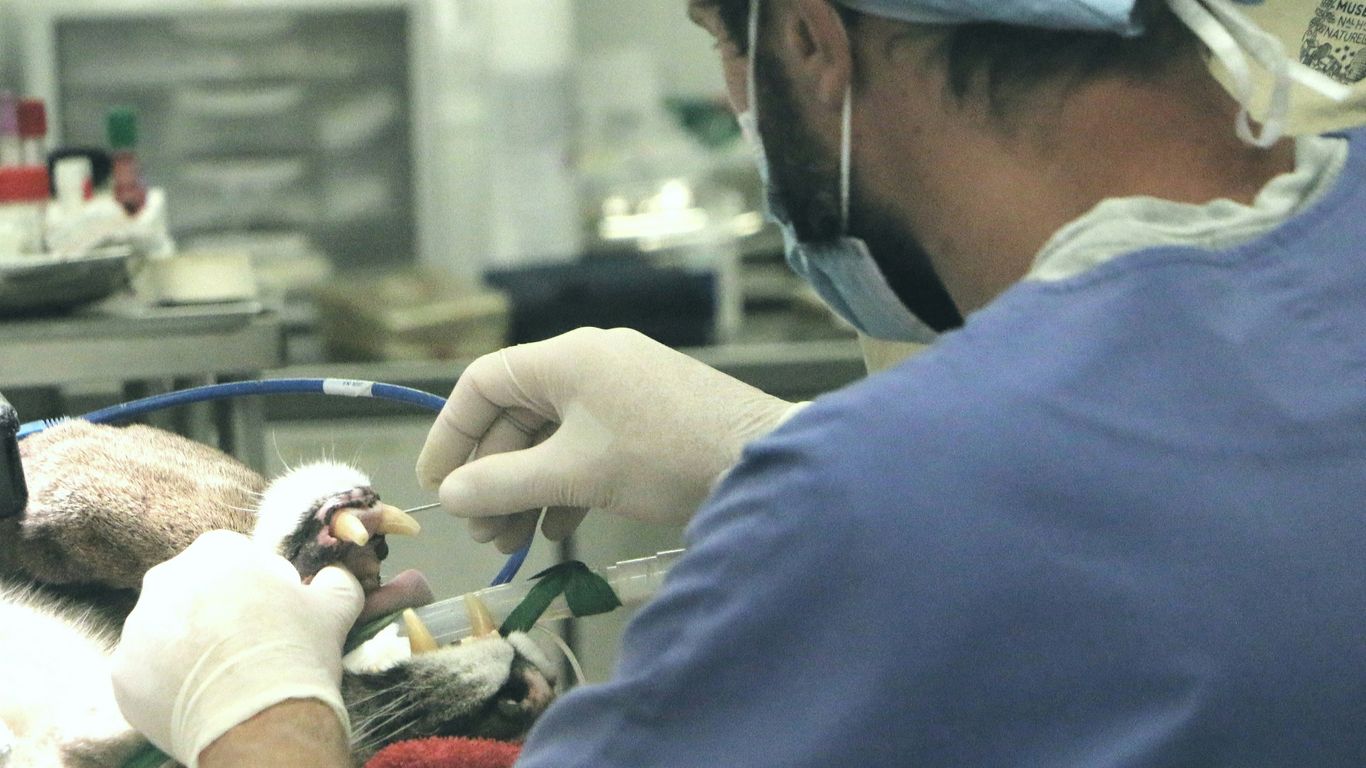
It feels like robots are popping up everywhere these days, and the medical field is no exception. We’re seeing a big push towards using robots and automation to make medical procedures more precise and efficient. It’s not just about sci-fi anymore; these machines are actually in hospitals, helping surgeons and making life easier for patients.
Surgical Robotics Enhancing Precision
When it comes to surgery, robots are really changing the game. Think about it: tiny instruments controlled by a surgeon through a robotic system. This allows for incredibly fine movements, especially in delicate operations. The da Vinci 5 system, for instance, is now cleared in the US and made its way to Europe in mid-2025, with Intuitive Surgical installing hundreds of these units. This level of control means smaller incisions, less blood loss, and often, a quicker recovery for the patient. It’s not about replacing surgeons, but giving them super-powered tools. We’re also seeing robots used in areas like cardiology for procedures like percutaneous coronary interventions. These systems are getting smarter, with features that help guide the instruments with more accuracy, paving the way for even more complex surgeries to be done robotically.
Robotic Systems for Rehabilitation and Therapy
Robots aren’t just for the operating room, though. They’re also stepping in to help people recover from injuries or manage long-term conditions. Imagine a robot helping someone relearn how to walk after a stroke. These systems can provide consistent, tailored therapy, moving a limb through a set range of motion over and over again. This kind of repetition is often key to regaining function, and a robot can do it tirelessly and precisely. They can also track a patient’s progress in detail, giving therapists a clear picture of how they’re doing and where they need more help. This personalized approach to therapy is a big step forward.
Automation in Laboratory and Diagnostic Processes
Beyond direct patient care, automation is also making waves behind the scenes. Laboratories are a prime example. Think about all the samples that need to be processed, tested, and analyzed every single day. Robots can handle many of these tasks, from sorting samples to performing complex tests. This speeds things up considerably and also reduces the chance of human error, which is pretty important when you’re dealing with medical results. Some systems are even designed to prepare surgical trays, making sure all the right instruments are clean, accounted for, and ready to go. This kind of automation helps prevent delays in the operating room and keeps things running smoothly in sterile processing departments.
Innovations in Diagnostics and Point-of-Care Testing
Remember when getting test results felt like waiting for a letter to arrive? Those days are fading fast. The push for quicker, more accessible diagnostics is really changing things, especially in 2026. We’re seeing a big shift towards tests that can be done right where the patient is, whether that’s a doctor’s office, a clinic in a rural area, or even at home.
Handheld Diagnostic Devices for Rapid Results
These little gadgets are becoming incredibly common. Think about handheld ultrasound devices, which are now a regular sight in primary care and emergency services. They give doctors immediate insights without needing a big, bulky machine. The FDA has also been busy, authorizing things like the first over-the-counter combination flu and COVID-19 rapid antigen tests. Plus, they’ve given the green light to fully at-home molecular tests for common infections that give results in about 30 minutes. It’s all about getting answers fast, so treatment can start sooner.
Point-of-Care Testing for Decentralized Healthcare
This is where diagnostics break free from the lab. Point-of-care (PoC) testing means tests happen closer to the patient. This is a game-changer for people living far from major medical centers. New molecular platforms can now give results in minutes, right at the clinic. We’re also seeing more sophisticated microfluidic ‘lab-on-a-chip’ systems and CRISPR-based tests. These are designed to be simple and integrated, perfect for use near patients or even at home. The market for these devices is growing steadily, with many expecting double-digit growth.
AI-Driven Stethoscopes for Early Detection
Even something as old-school as a stethoscope is getting a tech upgrade. AI-powered stethoscopes are starting to pop up, designed to pick up subtle sounds that might indicate early signs of heart or lung conditions. These devices can analyze the sounds in real-time, flagging potential issues that a human ear might miss. This technology has the potential to catch diseases much earlier, leading to better outcomes for patients. It’s a great example of how combining familiar tools with new technology can make a big difference in how we diagnose and manage health.
Next-Generation Medical Devices for Chronic Conditions
Managing long-term health issues is getting a serious upgrade, thanks to some really smart new medical devices. We’re talking about tech that helps people with ongoing conditions live better, more independent lives. It’s not just about treating symptoms anymore; it’s about proactive management and giving patients more control.
Advanced Continuous Glucose Monitoring Systems
For folks managing diabetes, continuous glucose monitors (CGMs) have been a game-changer. The latest systems are even more accurate and user-friendly. They provide real-time glucose readings, often without finger pricks, sending data straight to a smartphone or dedicated reader. This allows for quicker adjustments to diet, exercise, or medication. Some newer models even predict future glucose levels, helping users avoid dangerous highs and lows before they happen. The FDA has cleared several over-the-counter CGMs, making them accessible to more people, including those who don’t use insulin. This opens up glucose tracking for a wider wellness audience, not just those with diagnosed diabetes.
Brain-Computer Interfaces for Neurological Conditions
This is where things get really futuristic. Brain-computer interfaces (BCIs) are devices that translate brain signals into commands for external devices. For individuals with severe paralysis or neurological disorders like ALS or stroke, BCIs can offer a new way to communicate or control assistive technologies. Imagine being able to type an email or move a robotic arm just by thinking about it. While still largely in research and clinical trial phases, BCIs are showing incredible promise for restoring function and improving quality of life for those with limited mobility.
Artificial Hearts and Advanced Cardiac Support
Heart disease remains a major health concern, and for those with end-stage heart failure, advanced devices are offering new hope. Beyond traditional pacemakers and defibrillators, we’re seeing progress in total artificial hearts and ventricular assist devices (VADs). These devices can take over the function of a failing heart, either temporarily while a patient waits for a transplant or as a long-term solution. The goal is to improve survival rates and allow patients to live more active lives. Ongoing research focuses on making these devices smaller, more durable, and less prone to complications like infection or blood clots.
Sustainable and Secure Medical Device Development
It’s not just about making cool new gadgets anymore, is it? We’re seeing a big push towards making medical devices that are kinder to the planet and, well, not easily hacked. This is a pretty important shift, especially when you think about how many devices are now connected and how much waste can be generated.
Cybersecurity Measures for Connected Medical Devices
This is a huge one. With so many devices talking to each other – think IoMT – the risk of cyberattacks goes way up. A breach in a hospital network could affect millions of people, and the costs are staggering. IBM’s 2025 study showed healthcare breaches cost an average of $7.42 million, and it took nearly 280 days to sort out. That’s why companies are getting serious about security. We’re seeing more focus on things like:
- Real-time defenses: Using AI to spot and stop attacks as they happen.
- Secure firmware updates: Making sure devices can be updated safely over the air.
- Asset management: Knowing exactly what devices are on the network and where they are.
- Zero-trust models: Assuming nothing is safe and verifying everything.
The FDA is also stepping in with new rules, pushing for better threat modeling and plans for updates. It’s all about building trust and keeping patient data safe.
3D Printing for Custom Implants and Prototyping
3D printing, or additive manufacturing, is really changing the game. It’s not just for making quick prototypes anymore. We’re seeing FDA-cleared 3D-printed implants, like cranial systems made from PEEK. This technology allows for highly customized devices, which can lead to better patient outcomes. Imagine an implant perfectly shaped for an individual’s anatomy – that’s becoming a reality. Plus, it can speed up the design and testing process significantly, getting new innovations to patients faster.
Circular Economy Principles in Medical Device Manufacturing
This is about reducing waste and being more mindful of resources. A lot of medical device emissions actually come from the supply chain. So, things like reprocessing single-use devices are becoming more common. While it might sound a bit odd, reprocessing can save millions of dollars and keep a lot of waste out of landfills. Regulations are also tightening up on packaging, pushing for recyclable materials and less waste. Some companies are even making biodegradable plastics for lab use, turning agricultural waste into useful products. It’s a move towards a more sustainable future for medical tech.
Looking Ahead
So, as we wrap up our look at what’s new in medical devices for 2026, it’s pretty clear things are moving fast. We’ve seen how AI, robotics, and even simpler things like better wearables are changing the game. It’s not just about fancy new gadgets; it’s about making healthcare more accessible, more efficient, and honestly, just better for everyone involved, from doctors to patients. Keeping up might seem like a lot, but these innovations are really starting to make a difference in how we approach health. It’s going to be interesting to see what happens next.