
It feels like every week there’s something new in the world of smart homes. This year, especially with CES 2026 just wrapping up, we’re seeing a big shift. Forget about just flashy gadgets; the real news smart home developments are about making our lives easier and our homes work better, often without us even noticing. It’s all about making things more practical and livable, with AI playing a huge role in how our homes understand and respond to us. Let’s take a look at what’s new and what’s coming.
Key Takeaways
- The smart home of 2026 is moving towards ‘invisible intelligence,’ focusing on practical, livable tech that works quietly in the background.
- Artificial Intelligence is now a core part of smart home tech, seen at CES 2026, powering everything from safety and wellness to everyday convenience.
- Voice assistants are becoming even more central to home interaction, making control more intuitive and accessible.
- Interoperability between different smart home brands is a major trend, aiming to break down silos and create a more unified experience.
- New innovations include AI-powered home robots for chores, smart mirrors offering personalized advice, and advanced systems for fire detection and pool maintenance.
The Evolving Landscape Of Smart Home News
It feels like just yesterday we were marveling at a smart lightbulb that could change colors. Now, in early 2026, the smart home scene is something else entirely. We’re moving past just having connected gadgets; the real buzz is around what feels like invisible intelligence working behind the scenes. Think less about a bunch of separate devices and more about a home that just gets you.
Invisible Intelligence: The New Smart Home Paradigm
This year, the focus has really shifted. Instead of needing to actively tell your home what to do, the trend is towards systems that anticipate your needs. It’s about technology that’s integrated so smoothly, you barely notice it. The goal is a home that adapts to your life, not the other way around. This means things like lighting that adjusts automatically based on the time of day and your presence, or thermostats that learn your schedule without you lifting a finger. It’s a subtle sophistication that makes daily living just a bit easier.
CES 2026: A Glimpse Into Future Innovations
CES 2026, which wrapped up in January, really showed us where things are headed. We saw a lot of AI-powered devices that aren’t just novelties anymore. Companies are showing off how AI can actually make our homes safer, more comfortable, and more efficient. From robots that can help with chores to smarter security systems, the innovations on display point towards a future where technology is more helpful and less intrusive. It’s exciting to see how these ideas are starting to become reality.
The Shift Towards Practicality and Livability
What’s really striking is how much more practical smart home tech has become. The flashy, complicated setups are giving way to solutions that genuinely improve everyday life. We’re seeing more built-in features, like hidden charging spots and speakers that blend into walls. It’s less about having the latest gadget and more about creating a living space that’s comfortable, convenient, and works for real people. This move towards livability means smart homes are becoming more accessible and desirable for a wider range of homeowners.
Artificial Intelligence Powers The Connected Home
AI-Driven Automation and Predictive Capabilities
It feels like just yesterday we were setting timers on our ovens, and now, AI is making our homes genuinely think for themselves. We’re talking about systems that don’t just follow commands but actually learn your routines. Think about your thermostat – instead of you fiddling with it every morning and evening, it starts to figure out when you’re home, when you’re sleeping, and adjusts the temperature accordingly. This isn’t just about convenience; it’s about making the house work around you, not the other way around. And it’s not just about comfort. These smart systems can also predict when something might go wrong. For example, your smart fridge might notice a change in how often its ice maker is used and flag it for potential maintenance before it breaks down completely. It’s like having a little digital assistant keeping an eye on things.
- Learning your habits: Devices observe your daily patterns to anticipate needs.
- Predictive maintenance: Systems flag potential issues before they become major problems.
- Energy optimization: AI adjusts settings to reduce waste and save on utility bills.
- Task automation: Routine chores, like adjusting lights or blinds, happen automatically.
Personalized Experiences Through AI Analysis
Remember when smart speakers just played music? Now, they’re getting seriously good at understanding you. AI is analyzing how you interact with your devices – what you ask for, when you ask for it, even the tone of your voice. This allows your smart home to tailor its responses and actions specifically to your preferences. So, if you always ask for the news first thing in the morning, your smart display will likely show you that by default. It’s about making technology feel less like a tool and more like a helpful companion that knows what you like. This level of personalization means less time spent setting things up and more time just enjoying your home. It’s a subtle shift, but it makes a big difference in how we live day-to-day.
AI Enhancing Home Safety and Wellness
Safety is a big one, and AI is stepping up here too. We’re seeing smarter security cameras that can tell the difference between your dog running around and an actual intruder, cutting down on those annoying false alarms. There are also advanced fire detectors that use AI to distinguish between a burnt piece of toast and a real emergency, so you only get alerted when it truly matters. Beyond just security, AI is also looking out for our well-being. Imagine a system that can detect if an elderly person has fallen and automatically alert help. Or smart lighting that adjusts throughout the day to support your natural sleep-wake cycle. These AI-powered safety and wellness features are quietly making our homes more secure and supportive environments.
Seamless Integration And User Experience
It feels like just yesterday we were fumbling with apps for every single smart gadget. Now, things are getting much smoother. The big story for 2026 is how everything just works together, making our homes feel less like a tech experiment and more like, well, home.
Voice Assistants Redefining Home Interaction
Voice control has really come into its own. It’s not just about asking for the weather anymore. Assistants like Alexa and Google Assistant are way smarter, understanding more complex requests and even picking up on nuances in our speech. I was testing out a new setup the other day, and I could just say, ‘Hey Google, I’m heading out,’ and it knew to turn off the lights, lock the doors, and adjust the thermostat. It’s this kind of intuitive control that’s making smart homes feel truly effortless. It’s like having a helpful assistant who anticipates what you need.
SaaS Solutions For Smart Home Management
Remember when you had to buy software outright and then wait for updates? That’s becoming a thing of the past thanks to Software as a Service (SaaS). Think of it like Netflix for your smart home. You pay a subscription, and you always have the latest features and security patches without lifting a finger. This model is great because it’s flexible. If you add more devices, you can usually just adjust your plan. It’s also making it easier for companies to keep their apps running smoothly in the background.
Here’s a quick look at how SaaS is changing things:
- Flexibility: Easily scale your smart home management as you add new devices.
- Up-to-Date Features: Always have the newest tools and improvements without manual downloads.
- Cost-Effectiveness: Often a more predictable and manageable expense than buying software outright.
- Remote Access: Manage your home from anywhere with an internet connection.
Data Analytics For Tailored Smart Home Services
This is where things get really interesting. Your smart devices are collecting data, and companies are using it to make your home work better for you. It’s not just about tracking how often you use the lights; it’s about learning your habits. For example, a smart thermostat might notice you always turn down the heat when you leave for work and start doing it automatically. Or a smart fridge could learn what groceries you buy most often and suggest recipes or remind you to pick up milk. This data analysis helps create a home that feels more personal and responsive to your daily life. It’s a bit like having a home that’s learning and growing with you.
Emerging Trends In Smart Home Technology
It feels like just yesterday we were marveling at smart light bulbs, and now? We’re looking at a whole new ballgame in smart home tech. The big story for 2026 is how these devices are starting to play nicer together and how they’re becoming more mindful of our planet. Interoperability is no longer a nice-to-have; it’s becoming a must-have.
Interoperability: Breaking Down Smart Home Silos
Remember when you had to use a different app for every single smart gadget? That’s slowly becoming a thing of the past. Companies are finally realizing that a smart home works best when all the parts can talk to each other, regardless of who made them. This means your smart thermostat from one brand can actually work with your smart blinds from another, creating a more unified and less frustrating experience. It’s all about making your home work for you, not against you.
Sustainable Technologies Driving Innovation
We’re seeing a big push towards making smart homes more eco-friendly. This isn’t just about saving money on energy bills, though that’s a nice perk. It’s about devices that are designed to be more efficient from the ground up. Think appliances that use less water, lighting systems that adjust automatically based on natural light, and even smart plugs that cut power to devices when they’re not in use. Consumers are asking for it, and manufacturers are listening.
The Rise Of Smart Appliances
Appliances are getting a serious upgrade. We’re not just talking about a fridge that tells you you’re out of milk (though that’s cool too). We’re seeing washing machines that can figure out the best cycle for your load, ovens that can be preheated from your phone on the way home, and dishwashers that run during off-peak energy hours. These aren’t just gadgets; they’re designed to genuinely simplify our daily routines and make our homes run more smoothly. It’s about making chores less of a chore.
Security And Reliability In Smart Homes
Addressing Cybersecurity Concerns In Connected Devices
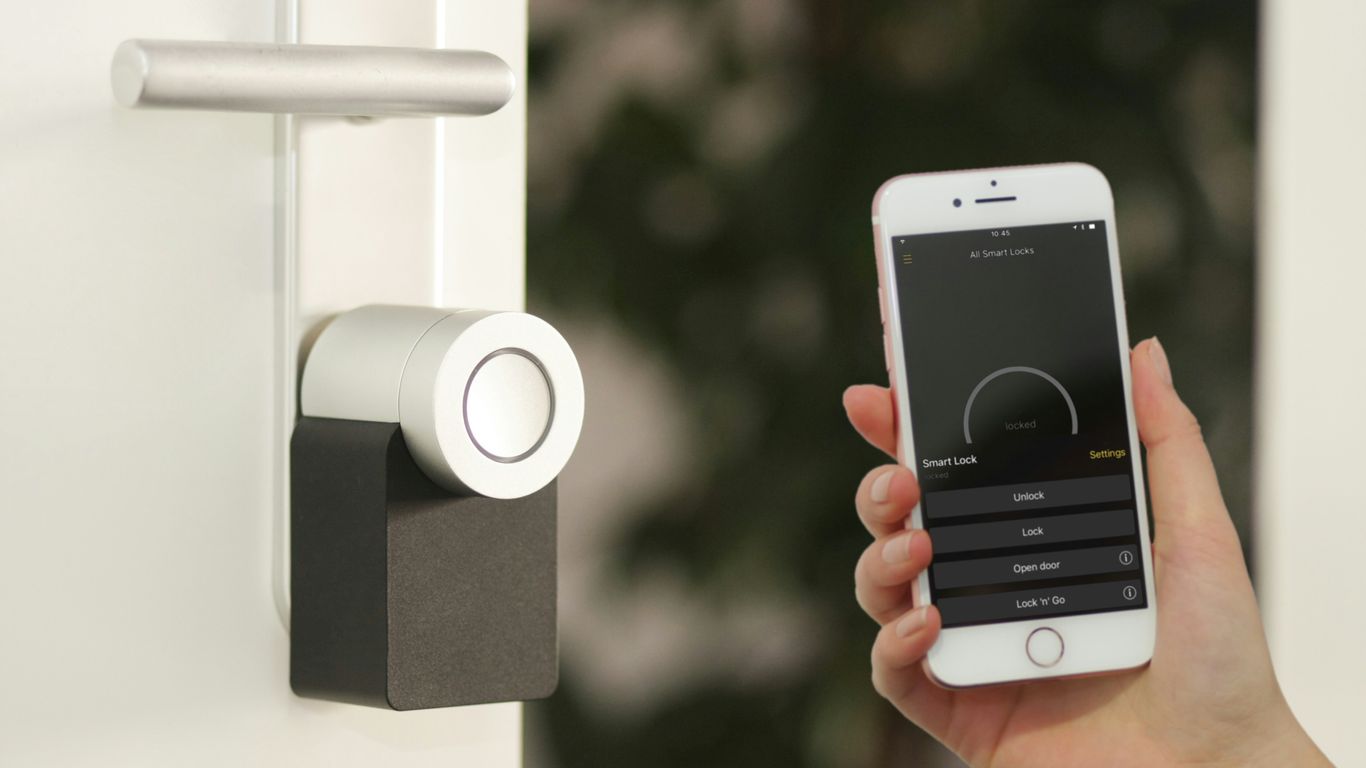
It’s a big deal, right? We’re letting all sorts of gadgets into our homes, from smart locks to cameras, and the thought of them being hacked is pretty unsettling. As of early 2026, the conversation around smart home security is louder than ever. It’s not just about keeping your data private; it’s about making sure your actual home stays secure. Think about it: a compromised smart lock could let someone right in. We’re seeing more reports about devices with weak security, and honestly, it makes you pause before buying that next shiny new gadget.
Here’s what you should be looking out for:
- Strong Passwords: This sounds obvious, but so many people still use default or easy-to-guess passwords. Make them unique and complex for every device.
- Regular Updates: Manufacturers are getting better at patching security holes, but you have to actually install those updates. Many devices can do this automatically, which is a good feature to look for.
- Network Security: Your home Wi-Fi is the gateway. Using a strong WPA3 encryption and a firewall is a good first step.
Advanced Detection Systems For Enhanced Safety
Beyond just keeping hackers out, smart homes are getting smarter about detecting actual dangers. We’re talking about systems that can spot trouble before it becomes a major problem. For instance, smoke detectors are now way more advanced. They don’t just beep loudly; some can tell you exactly where the smoke is coming from, send alerts to your phone even when you’re not home, and even shut down your HVAC system to stop smoke from spreading. It’s a pretty significant step up from the old alarms.
Other detection systems are also becoming more sophisticated:
- Water Leak Sensors: These small devices can be placed near appliances like washing machines or under sinks. They alert you to even small leaks, potentially saving you from costly water damage.
- Carbon Monoxide Detectors: Similar to smoke detectors, these advanced CO detectors can pinpoint the source and notify you remotely.
- Intrusion Detection: Beyond basic motion sensors, some systems use AI to differentiate between a pet walking by and a potential intruder, reducing false alarms.
Cloud Computing’s Role In Device Performance
It’s easy to forget, but a lot of what makes our smart devices work so well happens “in the cloud.” Cloud computing is basically where all the heavy lifting happens for many smart home gadgets. It’s how your smart speaker can understand your voice commands, how your security camera footage is stored, and how your devices can get those important software updates. Without the cloud, many of these devices would be pretty dumb, honestly.
This reliance on the cloud does bring up questions about reliability, though. What happens if your internet goes out? Or if the cloud service itself has an issue? Most manufacturers are building in some level of offline functionality, but for the most advanced features, a stable internet connection is still key. The trend is towards more processing happening locally on devices, but the cloud remains vital for complex tasks and data storage.
Notable Smart Home Innovations Unveiled
This year, the smart home scene is buzzing with new gadgets that go beyond just convenience. We’re seeing tech that really aims to simplify our lives and even take on some of the household drudgery. CES 2026 really showed off some of these advancements, giving us a peek at what’s coming.
AI Home Robots For Household Chores
Remember when robots were just a sci-fi dream? Well, they’re becoming a reality in our homes. LG’s AI Home Robot, for instance, is designed to tackle everyday chores. It connects to their ThinQ platform and can help with things like folding laundry or organizing your fridge. Using sensors and cameras, it moves around your house on its own, learning your routines. The idea is to cut down on housework and give you more free time. It’s pretty wild to think about a robot doing the dishes!
Smart Mirrors And Personalized Styling
Getting ready in the morning might get a whole lot easier thanks to smart mirrors. Eoneoms’ HEYMIRROR is one example. It uses AI to give you outfit suggestions based on the weather and your calendar. It can even tell who’s using it and learns your style over time. Imagine standing in front of your mirror and getting advice on what to wear – it’s like having a personal stylist built right in.
Intelligent Fire Detection And Pool Maintenance
Safety and upkeep are also getting smarter. Hansunst has developed an AI Smart Fire Detector that uses multiple sensors. It’s designed to tell the difference between a real fire and smoke from cooking, meaning fewer annoying false alarms. On the maintenance front, the SPINO S1 Pro robotic pool cleaner is pretty impressive. It uses AI to map your pool and clean it automatically, even returning to its charging station by itself. It’s all about making pool care hands-free and efficient.
Wrapping It Up
So, looking back at everything we’ve seen for 2026, it’s pretty clear that smart homes are getting less about showing off and more about just making life easier. We’re seeing a lot more tech that works quietly in the background, like AI helping out with chores or making sure your home is safe without you even thinking about it. It feels like the focus is shifting towards things that are practical and blend in, rather than just flashy gadgets. Plus, with more options for software subscriptions and better ways for devices to talk to each other, managing your smart home is becoming simpler. It’s exciting to see how these innovations will continue to change how we live, making our homes more comfortable and connected.
Frequently Asked Questions
What’s new in smart homes for 2026?
Smart homes in 2026 are focusing on being super helpful without being too obvious. Think hidden charging spots and lights that turn on by themselves. It’s all about making life easier and more comfortable in a simple way.
How is AI changing smart homes?
Artificial intelligence, or AI, is making smart homes smarter! It helps devices learn your habits to do things for you automatically, like adjusting the temperature. AI also makes your home safer by noticing odd sounds and can even help you feel better by creating the perfect atmosphere.
Are smart home devices easy to use together?
Companies are working hard to make sure different smart devices can talk to each other easily. This means you won’t have trouble connecting your smart lights, speakers, and other gadgets. Voice assistants like Alexa and Google Assistant are also making it super simple to control everything with just your voice.
What are some cool new smart home gadgets?
Get ready for robots that can help with chores like folding laundry or cleaning your pool! There are also smart mirrors that give fashion advice and advanced fire detectors that know the difference between a real fire and burnt toast. It’s pretty amazing stuff.
Is it safe to have smart devices in my home?
Security is a big deal for smart homes. Companies are adding better locks for your devices, like secret codes and special checks, to keep hackers out. It’s important to keep your devices updated so they have the latest protection.
Will smart homes help save energy?
Yes, many smart home devices are designed to be energy-smart. They can learn when you’re home and adjust heating or lights to save power. Plus, smart appliances can help you use less water and electricity, which is good for your wallet and the planet.