Bowery Farming burst onto the scene promising a new way to grow food, right in our cities. It was a big idea, aiming to fix some major problems with how we get our food today. This company, Bowery Farming, quickly became a big name in the world of indoor farming. But like many startups, its journey has had its ups and downs. Let’s take a look back at what made Bowery Farming stand out and what its story tells us about the future of growing food.
Key Takeaways
- Bowery Farming started in 2015, pushing the boundaries of indoor growing with a focus on technology. They experimented with different methods to find what worked best for scaling up food production.
- A big part of Bowery Farming’s approach is its own operating system, which acts like a brain for the farm. It uses AI and lots of data to make sure plants grow just right, leading to better quality produce.
- The company aimed to tackle big food issues, like reducing the miles food travels from farm to table and making farming more sustainable, especially with climate change becoming a bigger concern.
- Bowery Farming attracted significant investment, showing that investors saw potential in the vertical farming industry. They built large-scale farms to meet growing demand.
- While Bowery Farming has been a leader, the whole indoor farming sector is still evolving. It faces challenges but also holds promise for how we might feed the world in the future.
The Genesis Of Bowery Farming
Early Experiments In Indoor Cultivation
Bowery Farming didn’t just pop up overnight. The idea started brewing around 2015, but the whole concept of growing food indoors, especially in a vertical setup, has been kicking around for a while. The early days for Bowery were pretty much a science project. The founders, like Irving Fain, were really driven by the idea of using technology to solve big problems, and agriculture seemed like a good place to start. They weren’t just looking at one way to do things; they were trying out a bunch of different methods. Think greenhouses, aeroponics, aquaponics, and various hydroponic systems. They were basically piecing things together with stuff bought from hardware stores and gardening shops, trying to figure out what actually worked and what could be scaled up.
The Vision Behind Vertical Farming
Irving Fain, the CEO, had this background where he saw how important farming and fishing were. But he wanted to do something different, something with more purpose. He noticed that most people in the U.S. live in cities, and that number is only going up. This got him thinking about how we get food to all those urban dwellers. Vertical farming, especially in cities, seemed like a smart way to cut down on the distance food travels from farm to table. It’s about bringing the farm closer to where people live, which makes a lot of sense when you consider how spread out populations are becoming.
Founding Principles And Technological Validation
Before they could even think about building big farms, the Bowery team had to prove their concept. They spent a lot of time in what’s now called Farm Zero, which was basically their lab. They were doing actual science, trying to find better ways to grow plants. It wasn’t about buying off-the-shelf solutions because, honestly, for the kind of indoor farming they envisioned, those didn’t really exist yet. They needed to build and test. This hands-on, experimental approach was key. It wasn’t until they felt they had validated their ideas and technology that they started looking for bigger investments, like their $7.5 million seed round in 2017. The name "Bowery" itself is a nod to New York City’s history, where "bouwerie" used to mean farmland back in the 17th century. It connects their modern approach to the area’s agricultural past.
Innovations Driving Bowery Farming’s Growth
So, how did Bowery Farming go from a bunch of experiments in a small room to a major player in indoor farming? A big part of it comes down to some pretty smart tech they developed and put to work. It’s not just about growing plants indoors; it’s about doing it in a way that’s efficient, consistent, and can actually scale up.
Proprietary Operating System: The Farm’s Central Nervous System
Think of BoweryOS as the brain of the whole operation. It’s their own software system that connects everything in the farm. It takes in data from all the sensors – like temperature, humidity, and light levels – and then makes decisions about what the farm needs. It’s like the farm’s central nervous system, making sure everything runs smoothly. This system is key because it allows them to manage a lot of plants without needing a huge crew of people.
Leveraging AI And Machine Learning For Optimal Yields
Bowery doesn’t just collect data; they use it. They employ artificial intelligence (AI) and machine learning to figure out the best ways to grow their crops. This means they can tweak the conditions – like the nutrient mix or the light spectrum – to get the most produce possible from each plant. It’s all about fine-tuning the process.
- Predicting Growth Patterns: AI helps them understand how plants will grow under different conditions.
- Optimizing Resource Use: Machine learning identifies ways to use less water and energy while still getting great results.
- Identifying Issues Early: The system can spot potential problems with plants before they become serious, saving crops.
Data-Driven Cultivation For Superior Produce
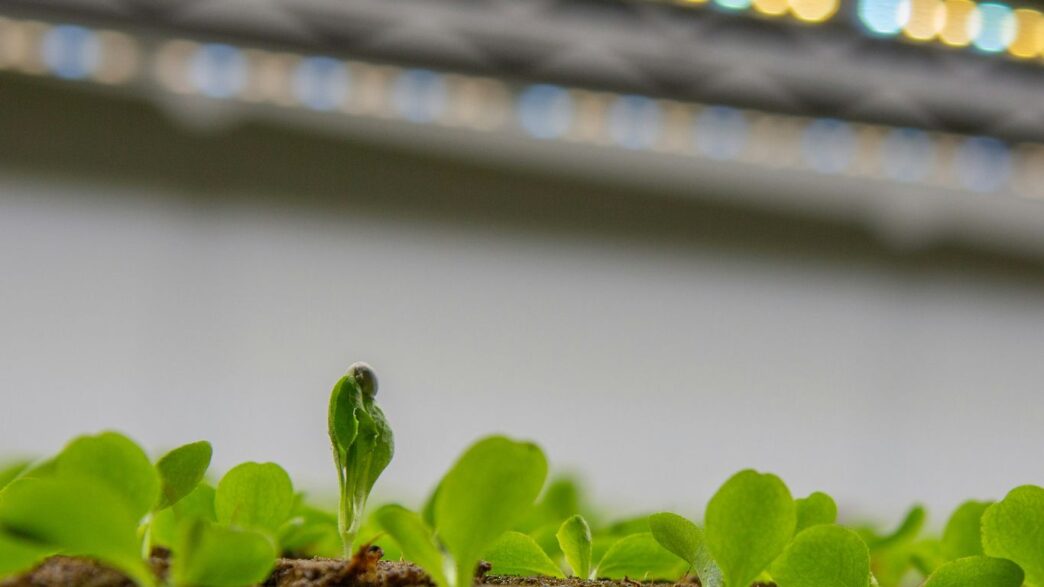
Everything at Bowery is about data. From the moment a seed is planted to when it’s harvested, sensors are gathering information. This constant stream of data allows them to understand exactly what each plant needs. This meticulous, data-backed approach is what helps them grow produce that’s not only plentiful but also consistently high quality, with better flavor and longer shelf life. They can track things like:
| Metric | Typical Range | Bowery’s Goal |
|---|---|---|
| Nutrient Levels | Varies | Precise Control |
| Light Intensity | Varies | Optimized Spectrum |
| CO2 Concentration | 400-1000 ppm | Stable & Ideal |
| Temperature | 65-75°F | Consistent Daily |
By paying attention to these details, they can grow greens that are pretty much perfect, every single time.
Bowery Farming’s Technological Foundation
Integrating Hardware, Sensors, And Software
Think of a Bowery farm as a high-tech ecosystem, where every piece works together. It’s not just about growing plants; it’s about creating the perfect environment for them, all managed by a sophisticated system. At the heart of it all is the BoweryOS, their own operating system. This system acts like the farm’s brain, taking in information from all sorts of sensors and hardware scattered throughout the facility. These sensors are like the farm’s eyes and ears, constantly checking things like light levels, how humid it is, the temperature, and even the nutrient mix in the water. This constant stream of data is what allows the BoweryOS to make smart decisions in real-time.
Automated Systems From Seeding To Harvest
From the moment a seed is planted to when the greens are ready to be picked, automation plays a big role. You can’t really have people tending to every single plant in a massive indoor farm, so machines handle a lot of the heavy lifting. This includes everything from planting the seeds to moving the trays of growing plants around. When it’s time to harvest, other automated systems take over. The system knows exactly when each crop is ready, and it initiates the process of moving those trays to the harvesting station. It’s a pretty neat setup that keeps things moving efficiently and consistently.
Microclimate Control For Consistent Quality
Not all plants are the same, and they don’t all like the same conditions. This is where the microclimate control comes in. Different types of greens have different needs – some prefer it warmer, others cooler. The BoweryOS, working with the sensors and specialized growing chambers, can adjust the environment for specific crops. When a tray of a particular green moves into a zone, the system automatically tweaks the conditions – temperature, humidity, light – to be just right for that plant. This precise control is key to growing produce that tastes great, every single time.
Addressing Global Food Challenges
It’s pretty clear our current way of growing food isn’t cutting it anymore. We’ve got a world population that keeps growing, and on top of that, our climate is getting wilder. Think more floods, more droughts, and land that’s just not as good for growing crops as it used to be. Plus, the way we get food from farms to our plates often involves a lot of travel, which adds to pollution. Bowery Farming, and vertical farming in general, is trying to be part of the answer to these big problems.
Reducing Food Miles With Urban Farming
One of the most straightforward benefits of growing food right in cities is cutting down on how far it has to travel. Right now, a lot of produce goes on long journeys, sometimes across the country or even overseas, before it lands in your grocery store. This travel uses a lot of fuel and contributes to greenhouse gas emissions. By setting up farms within or very near urban centers, Bowery drastically shortens that distance. This means fresher food for consumers and a smaller carbon footprint for the food system.
- Fresher Produce: Food gets to you faster, so it’s often tastier and has more nutrients.
- Less Waste: Shorter travel times mean less spoilage along the way.
- Lower Emissions: Significantly fewer trucks, trains, and planes are needed to transport the food.
Sustainability As A Core Mission
Beyond just reducing travel, the whole idea behind indoor farming is to be more efficient with resources. Traditional agriculture can use a lot of water and land, and sometimes, it leads to soil degradation. Vertical farms, like Bowery’s, aim to use less water – often a lot less – and can grow crops in stacked layers, meaning they don’t need vast amounts of land. They also avoid the need for many pesticides and herbicides because the environment is controlled.
Here’s a quick look at how resource use can compare:
| Resource | Traditional Farming (Approx.) | Bowery Farming (Approx.) |
|---|---|---|
| Water Usage | 100% | 95% Less |
| Land Usage | 100% | Significantly Less |
| Pesticide Use | High | Near Zero |
Climate Change And Food Security
Climate change is a huge worry for how we’ll feed everyone in the future. Extreme weather can wipe out crops, and changing temperatures can make it harder to grow certain foods in their usual places. This is where indoor farming offers a kind of stability. Because these farms are in controlled environments, they aren’t as affected by droughts, floods, or unseasonable frosts. This can help make sure there’s a consistent supply of food, even when the weather outside is unpredictable. It’s not a complete fix for everything, especially for big commodity crops like wheat, but for things like leafy greens and herbs, it’s a way to build more reliable food sources, especially in areas that are vulnerable to climate impacts.
The Business Of Bowery Farming
Bowery Farming didn’t just pop up overnight. It took a lot of tinkering and a solid plan to get where they are. The company’s founder, Irving Fain, had this idea to use technology for something meaningful, and agriculture seemed like the perfect fit. He noticed that more and more people were living in cities, and figured there had to be a better way to get fresh food to them without all the long-distance travel.
Securing Significant Investment Rounds
Getting Bowery off the ground wasn’t cheap. They spent a good chunk of time in the early days just figuring out how to make their farming methods work, using parts from regular stores. It was like a big science project, but they knew they had to prove it could work before asking for big money. After they felt confident they had a working system, they went out and raised funds. In 2017, they managed to get a $7.5 million seed round, which really helped them move forward.
Scaling Operations With Industrial-Sized Farms
Once they had the funding, the next big step was to build bigger farms. They weren’t just looking to grow a few plants; they wanted to create farms that could produce food on a large scale. This meant designing and building systems that could handle everything from planting seeds to harvesting crops automatically. They had to figure out how to control the environment inside the farms precisely, making sure the plants had just the right conditions to grow consistently.
Investor Confidence In The Vertical Farming Sector
Bowery’s success, and the success of other companies like it, has really boosted how investors see vertical farming. People are starting to realize that growing food indoors, especially in cities, is a smart way to tackle food shortages and reduce the environmental impact of traditional farming. The idea of growing produce closer to where people live, cutting down on transportation, and using resources more efficiently has really caught on. This growing belief means more money is flowing into the sector, helping companies like Bowery continue to grow and innovate.
The Future Of Indoor Agriculture
Bowery Farming’s Role In Reshaping Agriculture
So, where does a company like Bowery Farming fit into the bigger picture of how we’ll feed ourselves down the line? It’s pretty clear that the old ways of doing things just aren’t cutting it anymore. Think about it: climate change is messing with weather patterns, making it harder to grow crops reliably. Plus, getting food from farms to our plates often involves long trips, which isn’t great for freshness or the planet. Bowery, and others like it, are trying to change that. They’re building farms right in or near cities, cutting down those food miles significantly. This means fresher produce for us and less carbon footprint from transportation. It’s a big shift from the thousands of years of agriculture we’re used to, offering a way to grow food 365 days a year, no matter what’s happening outside.
The Evolving Landscape Of Vertical Farming
The whole vertical farming scene is still pretty new, and honestly, people are still figuring out the best ways to do business. It’s not like you can just pop up a farm anywhere and expect it to work perfectly. There are a lot of moving parts, and getting the business model right is key. But the potential is huge. We’re seeing farms that can be scaled up pretty quickly to meet demand. For instance, you could set up a small herb farm in a new city for less than half a million bucks and be growing basil or mint within a couple of months. It’s all about configuring the system for the best growing conditions. It’s a far cry from the massive, sprawling fields we usually picture when we think of farming.
Technological Advancements In Food Production
What’s really making this all possible are the tech upgrades. We’re talking about things like better LED lights that are more affordable, advanced robotics, and smart AI systems. These technologies are changing the game. They allow for automated processes, from planting the seeds to harvesting the crops. Plus, these systems can precisely control things like light, water, and nutrients, creating the perfect environment for each plant. It’s this combination of hardware, software, and AI that allows for consistent, high-quality produce year-round. The goal is to grow food efficiently and sustainably, and technology is the engine driving that forward. It’s a whole new era for how we think about producing food.
The End of the Chapter, Not the Story
So, Bowery Farming, once a big name in indoor farming, isn’t around anymore. It’s a bit of a bummer, honestly. They had some really cool ideas about growing food right in cities, using all sorts of tech to make it happen. It felt like the future, you know? But things didn’t quite work out in the long run. It just goes to show that even with all the smart technology and big plans, making a business like this stick is really tough. Still, the whole Bowery saga is a good reminder that people are still trying to figure out better ways to grow our food, and that’s something, right?
Frequently Asked Questions
What exactly is vertical farming?
Vertical farming is a way of growing food indoors, often in buildings stacked high like shelves. It uses special lights and controlled environments instead of soil and sunlight. This allows farms to grow food all year round, no matter the weather, and can be set up right in cities.
How did Bowery Farming start?
Bowery Farming began in 2015. The founders experimented with different indoor growing methods, trying to find the best technology. They wanted to create a system that could grow a lot of food reliably and efficiently, using smart technology.
What makes Bowery Farming’s technology special?
Bowery uses a special computer system called the BoweryOS. Think of it as the farm’s brain! It uses sensors and artificial intelligence (AI) to watch over every plant, controlling things like light and water to make sure the plants grow perfectly. It helps them grow the best quality produce.
How does indoor farming help with food problems?
Indoor farms like Bowery can grow food closer to where people live, cutting down on the long trips food usually takes. This means fresher food and less pollution from trucks. It also helps ensure we have food even when outdoor weather is bad or climates change.
Is vertical farming expensive?
Yes, setting up vertical farms can cost a lot of money because they need special equipment like lights, computers, and climate control systems. However, companies are investing in this technology because they believe it’s important for the future of food.
What’s the future of growing food indoors?
The future looks bright for indoor farming! Technology is getting better all the time, making it possible to grow more types of food more efficiently. Companies like Bowery are leading the way in using smart tech to grow food in cities and help feed the world in a more sustainable way.