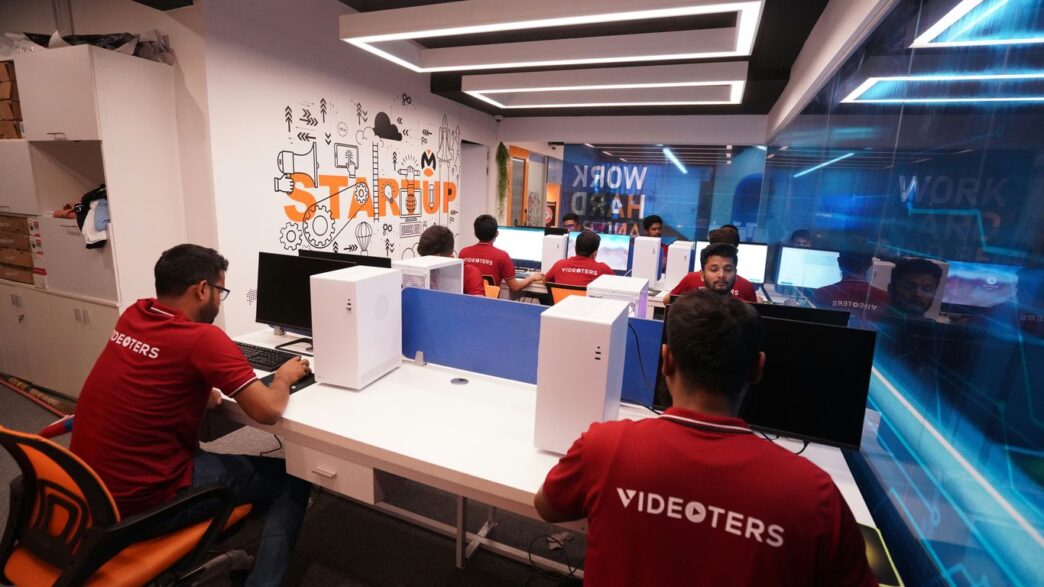
It feels like every year, the world of technological startups gets flipped on its head. In 2026, things are moving even faster. Founders are facing wild swings in funding, new tech that’s both exciting and confusing, and the constant pressure to stand out. AI is everywhere, but so is the risk of getting lost in the hype. If you’re thinking about starting something new, or just trying to keep your current project afloat, it helps to know what’s actually changing. Here’s a look at the big trends and what they mean for anyone trying to build a technological startup right now.
Key Takeaways
- Agentic AI is moving from simple automation to acting like a real teammate, changing how startups run and grow.
- Venture capital is pouring in, but it’s going to fewer companies, so standing out in a specific area matters more than ever.
- Purpose-built platforms are replacing generic tools, making it easier for startups to solve real problems quickly.
- Security isn’t optional anymore—startups that build trust and plan for future threats will have a big advantage.
- Human skills like creativity, adaptability, and learning are just as important as tech, especially with AI taking on bigger roles.
Key Trends Shaping Technological Startups in 2026
The world for startup founders right now isn’t what it was even a few years ago. There’s a strong wind of change blowing—some founders are catching it, some are getting knocked off their feet. Three big trends are shaping which tech startups will make it through 2026 and which won’t. Let’s get into the details.
Agentic AI as a Startup Enabler
AI is no longer just a helpful tool; it’s starting to act on its own, almost like a member of your team. These new agentic AIs can handle whole tasks end-to-end, not just answer questions or analyze data. For startups, this means:
- Automating complex business operations, like customer support and logistics, without needing to build huge teams
- Speeding up product development by testing, learning, and even iterating feature sets with minimal human intervention
- Lowering overall startup costs while making early-stage companies competitive against the established giants
Founders who figure out how to work alongside these autonomous AI agents—not just for basic help but for strategic work—will have a real edge.
Explosion of Venture Capital and Market Polarization
Venture capital has grown at a wild pace recently. Startups, especially in AI, are seeing gigantic rounds—but the money isn’t spread evenly. Here’s a snapshot:
| Year | Global VC Funding | % AI Startups (Funding) |
|---|---|---|
| 2024 | $74B | 34% |
| 2025 | $97B | 46% |
| 2026 (est.) | $120B+ | 53% |
What’s happening:
- Market is splitting: A few winners pull in most of the funding, while lots of others fight over scraps
- Startups that can’t prove real traction quickly are being left behind
- Investors expect evidence—not just a pitch deck, but actually working products and surging user numbers
It feels a bit like all-or-nothing; either you’re in the fast lane, or you’re invisible.
Rise of Purpose-Built Platforms
Startups are moving away from using generic tools and are building (or buying) platforms tailor-made for their market and business model. It’s about:
- Customizing backend systems to match a startup’s unique needs and scale
- Building or choosing platforms optimized for specific industries (think AI tools for only fintech, or dedicated SaaS platforms for logistics)
- Adopting tech that helps startups launch features faster, connect more deeply with users, and pivot quickly when things change
If you try to bolt your business onto the same platform as everyone else, you’ll probably be outpaced. But if the tech actually fits your business like a glove, it makes every move easier.
So, in 2026, surviving as a tech startup isn’t just about brilliant ideas. You have to pick the right trends—letting smart AI handle the heavy lifting, chasing smart money, and using tools made just for you. The rest is just noise.
Artificial Intelligence: From Assistant to Strategic Co-Worker
AI has changed a lot in just the past couple of years. It’s not just a helpful tool anymore—now it feels like a real team member. When I look at daily work, it’s obvious that more people are handing off whole workflows to AI. These systems don’t just follow instructions. They actually make decisions using context, just like a co-worker might. In some companies, folks are even saying they prefer AI as a partner over a human one. If you’re curious, there’s some perspective on the growing integration of AI in the workplace.
Emergence of Agentic AI Ecosystems
Agentic AI kind of works like an independent problem-solver. It scans its digital world, sees what needs to be done, and takes action—all while keeping the bigger goal in mind. What’s wild is how these systems now act together in teams. So, one AI might manage a group of others, each handling parts of a workflow.
Here’s what startups are using agentic AI for:
- Smart automation: Mundane tasks and bigger processes can be done with less human oversight.
- Developer boost: Coding, testing, and fixing bugs all happen faster when AI works alongside people.
- 24/7 customer support: AI answers questions or pushes leads at all hours.
A quick snapshot, based on recent interviews and surveys:
| Adoption Status | Signal Innovators | General IT Orgs |
|---|---|---|
| Already using Agentic AI | 81% | 41% |
| Planning for Growth | Twice as likely | Less likely |
| Improving Efficiency | 33% | Data varies |
Agentic AI is now being woven into the structure of tech startups, making companies more adaptable and ambitious than ever.
AI’s Impact on Human-Digital Workforce Models
A company’s workforce model now includes both people and AI agents. This changes how work gets done and what work even means. Some effects:
- Productivity jumps: Developers and analysts report big improvements because AI handles repetitive chores.
- New job mixes: Some tasks move to AI, while humans focus on problem-solving, creativity, or relationship-based jobs.
- Changing attitudes: More employees see AI as support, but there’s pushback if workers think AI is taking over their roles.
Startups needing to scale or work with small teams are especially keen on this blended approach. They can do more with fewer people, and let AI manage the heavy lifting.
Pitfalls and Hype Cycles in AI Adoption
Of course, it’s not all smooth sailing. Adopting AI in a hurry leads to headaches; overpromising can hurt trust with staff and customers alike. Here are the most common bumps in the road:
- Over-reliance on AI, causing decisions to go unchecked and mistakes to sneak in.
- Organizational resistance—workers sometimes feel unimportant or replaced, and customers might push back if they see AI as a shortcut for real interaction.
- Fragmented ecosystems, where different AI agents can’t talk to each other, stalling progress.
It’s a balancing act. Startups have to keep humans in the loop where it matters, pick the right problems for AI, and set real expectations about what these systems can and can’t do. As we move through 2026, blending the best of both machine and human work is starting to show what’s possible—if startups stay cautious about the hype cycle.
Resilience and Adaptability: Navigating Uncertainty
Things feel pretty shaky out there, right? Between global shifts and new tech popping up constantly, it’s easy to feel like you’re just trying to keep your head above water. For startups, this isn’t just a feeling; it’s a daily reality. Building a company that can roll with the punches, instead of breaking when things get tough, is the name of the game in 2026.
Building Supply Chain Resilience
Remember when we all thought a single supplier was the way to go? Yeah, that’s looking a bit risky now. Startups need to think about having backup plans, maybe even backup plans for their backup plans. It’s about not putting all your eggs in one basket, whether that’s for getting parts, software, or even just cloud services. Having multiple options means a problem with one supplier doesn’t shut you down.
Here’s a quick look at what makes a supply chain tough:
- Diversification: Don’t rely on just one country or one company for critical components.
- Visibility: Know where your stuff is coming from and what could go wrong along the way.
- Flexibility: Be ready to switch suppliers or methods if needed, without a huge fuss.
Integrated Risk Management Approaches
Risk used to be something you dealt with after it happened. Now, it’s more about trying to see problems coming and having a plan ready. This means looking at all the different kinds of risks – not just money problems, but also tech glitches, political issues, or even just bad weather messing with deliveries. It’s about connecting the dots so that a small issue doesn’t turn into a big disaster.
Think about it like this:
- Predictive Tools: Using data and AI to guess what might go wrong before it does.
- Cross-Departmental View: Making sure everyone in the company knows about potential risks, not just one department.
- Proactive Steps: Taking action to prevent problems, rather than just cleaning up the mess afterward.
Organizational Agility Amid Volatility
Companies that can change direction quickly are the ones that will do well. This isn’t about being chaotic; it’s about being able to adapt when the market shifts or a new competitor shows up. It means having teams that can work together, make decisions fast, and aren’t afraid to try new things. Rigid rules and slow decision-making are the enemies of agility.
To stay agile, startups should:
- Keep things simple: Avoid overly complicated processes that slow everyone down.
- Empower teams: Give people the authority to make decisions without needing approval from on high for every little thing.
- Learn constantly: Encourage employees to pick up new skills and adapt to new technologies.
Next-Generation Technologies Driving Startup Innovation
The tech world in 2026 is a lot messier than the headlines suggest. Startups aren’t just tossing around big ideas—they’re building on whole new kinds of technology that can easily tilt the balance between rapid growth and getting lost in the noise. If a company gets its bets right, it can move faster and go further than its competitors. Here are the next-gen breakthroughs making noise (and sometimes headaches) for founders today.
Brain-Computer Interfaces and New Interfaces
Brain-computer interfaces, or BCIs, are not some distant science fiction anymore. Startups are already looking at ways to let people control devices with their minds. Typing on a keyboard or tapping a screen could be old news sooner than we think. Imagine:
- Helping people with disabilities control computers using thought alone
- Getting direct brain feedback for games, productivity, and even mental health
- Huge ethics questions about privacy, consent, and potential misuse
These BCIs aren’t perfect by any stretch—they’re clunky, expensive, and usually kind of weird to use. But in fields like rehab or complex design simulations, there’s real promise. The challenge? Balancing hype with what’s actually ready for the real world.
Digital Twins and Predictive Systems
Think of a digital twin as a virtual mirror: whatever happens in the real world gets tracked, updated, and experimented with in a digital space. You’ll find this in factories, cars, and even healthcare systems. Why does this matter for startups?
- Live diagnostics and instant alerts for when things break
- Simulating what-ifs before dropping money on a real-world change
- Finding ways to use less energy and fewer resources
A simple table shows their common uses:
| Use Case | 2026 Adoption (%) |
|---|---|
| Manufacturing | 63 |
| Energy | 41 |
| Healthcare | 29 |
Real-time data has been driving this growing investment in infrastructure, quickly lowering entry costs for newcomers.
Advancements in Quantum and Battery Technologies
A few words that come up in every pitch meeting right now: “quantum” and “battery.” Investors want to know what startups are doing in these territories. Quantum machines promise to solve problems regular computers can’t touch, especially with big data or super-tight security.
And in batteries, the race is about making power last longer, charge faster, and work safely in harsh conditions. This is not just about phones—it’s about:
- Electric vehicles that finally put range anxiety to bed
- Clean grid storage for renewable energy, no more worrying about cloudy days
- Powering wearables and sensors that pop up everywhere
Solid-state batteries look like the next big jump, but they’re difficult to make cost-effectively right now. The pressure to get these working is intense—and whoever does it first could set the rules for the next decade.
In the end, these technologies feel both exciting and a bit daunting. Startups that find real customer problems for these tools—rather than just chasing headlines—stand a shot at making it. But the road is full of detours, so founders have to keep learning as they go.
The Evolving Landscape of Startup Funding and Opportunity

The world of startup investing in 2026 honestly feels a bit upside down. So much money is moving through the system—venture funding hit $97 billion in Q3 2025 alone—but hardly any of it ends up in the hands of the average founder. Funding deals are getting bigger, but they’re also getting pickier. Most of the poured-in cash is chasing a small handful of companies—often those working in areas like AI, quantum tech, or energy. For everyone else, the fight just to get noticed, much less cash a check, hasn’t really gotten easier over the years.
Concentration of Capital in Fewer Startups
There’s this strange paradox: opportunity is everywhere, but most of the money’s being funneled into a shrinking number of winners. In Q3 2025, 46% of all global venture money went to AI, and one-third of that landed in just 18 huge deals:
| Quarter | Global VC Funding | % to AI | Mega Deals (> $500M) | % of Total Funding (Top 18 Deals) |
|---|---|---|---|---|
| Q3 2025 | $97 Billion | 46% (~$45B) | 18 | 33% |
For founders outside these hot fields, a few realities are taking shape:
- Pre-seed money is still out there, but 60% of startups don’t make it to Series A.
- The jump from Series A to B takes out another 35%.
- About 75% of VC-backed startups don’t return capital to their investors at all.
So while the pie is huge, your slice is getting thinner unless what you’re building is in the markets everybody’s talking about.
Vertical Specialization as a Success Factor
If you’re just starting out, generalizing is a bad bet nowadays. Investors want to see sharp, clear expertise—generalist pitch decks aren’t working anymore. Focus is key, and picking a vertical where you have a real edge almost matters more than the tech itself. Here’s what that means in plain terms:
- Identify one tightly defined market and claim it as yours.
- Show you know the competitive landscape better than anyone else.
- Prove there’s real demand and a gap you can fill with your product.
VCs are looking for that crisp connection between your team, your product, and your exact market. That’s how you turn interest into an actual check.
Execution Over Strategy: Real-World Validation
Whatever you’re building, fast feedback from users is more important than the “big idea.” Strategy slides are out—actual adoption is in. Only 18% of first-time founders see real success, mostly because they spend too much time planning and too little time testing in the wild.
A few practical points for today’s startup founders:
- Talk to real customers early (and keep talking).
- Release rough versions before you feel ready—don’t wait for perfect.
- Measure everything. If people aren’t paying or using it, rethink it quickly.
Startup survival rates tell the story pretty clearly: 42% still go under simply because nobody wanted what they built. Fast, scrappy execution is a better bet than leaning on a beautiful business plan.
In 2026, funding feels more like a tournament bracket than ever—a couple of clear winners and a very long tail. But for those who focus sharply, keep their ears open to customers, and move fast, there’s room to break through the noise—no matter how high the stakes.
Security and Trust as Core Competitive Advantages
In 2026, people running startups are finding that trust and safety aren’t just technical worries—they’re a big part of what sets one new company apart from another. With stories of data breaches always making headlines and customers becoming more cautious, the feeling is that if you can’t be trusted, you can’t win. The modern startup faces a crowd that’s much more watchful than before.
Integrating Security Into Product Design
Gone are the days when startups could tack on security as an afterthought. Now, investors and business partners want to see startups bake security into their products right from the start. You hear more founders mentioning zero trust systems and identity checks that actually work, even at the early prototype stage. If you’re lucky enough to get new users, it’s the first thing they ask—that and how you plan to keep their data safe. Most successful startups these days focus on building zero trust right into their design, not just for regulations but to show they get it about trust. You can see how the latest zero trust architectures are becoming popular among startups focused on security and data protection.
- Startups now run regular security checks during development, not after.
- Strong encryption is not an option—it’s expected.
- User controls for privacy are part of product demos.
Quantum Threats and Future-Proofing Startups
So, quantum computing used to sound like science fiction, but new startups in 2026 know it’s just around the corner. That means today’s solid passwords and digital locks could get cracked wide open in a few years.
Startups have to look ahead—or risk being left behind once quantum attacks become real. What you hear from technical founders is they’re planning for this already. Some are swapping to post-quantum encryption algorithms, and a few are actually telling customers how their tech will survive the coming change. Here’s a quick look at what’s become standard:
| Quantum-Proofing Steps | Commonness among Startups |
|---|---|
| Post-quantum encryption | High |
| Upgradable cryptographic systems | Medium |
| Public quantum-readiness statements | Low |
Cybercrime as a Boardroom Priority
No one can ignore digital crime—it’s too expensive. For startups, one hack can end things before they even get started. People talk a lot more about making security a priority at the very top, not just in the basement server room. Board members now want regular updates on risks and defenses, almost as often as they ask about revenue and burn rates. Real, practical steps that startups are focusing on this year include:
- Making a security plan with board involvement.
- Running “red team” simulations to see how a hacker could get in.
- Buying solid cyber insurance (or at least considering it).
At the end of the day, security and trust aren’t just something for the IT crowd—they’ve become the center of any startup’s story. If you’re not talking about it at every pitch, someone else will be.
The Human Factor in the Technological Startup Revolution
Technology keeps moving faster and faster, but startups still rely on people at the foundation. Even when the hype around smarter AI and automation grabs the headlines, it’s the human choices, creativity, and determination that separate a good idea from a flop. Let’s look closer at the real people issues at the heart of today’s startup world in 2026.
Collaboration Between Humans and AI
Startups are getting used to teams where humans and digital coworkers (AI) work side-by-side. Success doesn’t just come from plugging in an algorithm. It comes from people who know how to:
- Ask the right questions and spot risks that software alone would miss
- Use AI tools to speed up the boring parts, while focusing human effort on tough decisions
- Mix human judgment and machine output to create something better than either can alone
It’s not about humans vs. machines. It’s more like humans with machines—each covering the other’s blind spots.
Cultivating Adaptive and Creative Cultures
Tech isn’t just about code—startups must encourage creativity and quick thinking. Here’s what stands out in 2026:
- Encourage open debate so new ideas get a shot
- Reward creative problem-solving, even when the results aren’t perfect
- Build teams that are comfortable with change and can shift gears when the market throws a curveball
A bit of messiness and disagreement isn’t a bug—it’s a sign that people are pushing boundaries instead of just following directions.
Continuous Learning and Skill Evolution
Tech changes so fast now that even the sharpest employees have to keep learning. The best startups make this part of everyday work:
| Skill Area | Why It Matters in 2026 | Ways Startups Support Growth |
|---|---|---|
| Critical Thinking | Sifting fact from noise | Workshops, open critique sessions |
| AI Fluency | Using/overseeing new tools | Training, internal hackathons |
| Creative Experiment | Standing out from competitors | Project rotations, failure-tolerant pilots |
Startups can’t afford for their skills to get rusty. Regular upskilling is as common as standups or code reviews in modern teams.
In the end, the biggest edge for a startup in 2026 isn’t just smarter software—it’s a team that can work with the machines, adapt on the fly, and never stop learning. That’s the human side of the technological revolution, and it’s not going away.
Looking Ahead
So, as we wrap up our look at the tech startup scene in 2026, it’s clear things aren’t slowing down. We’ve seen how AI is changing from a simple tool to more of a partner, and how money is flowing to fewer, bigger ideas. It’s not just about having the latest gadget anymore; it’s about smart use and real value. The startups that will really make a mark are the ones that focus on what they do best, use technology wisely, and, most importantly, actually build things people need. It’s a challenging but exciting time, and staying adaptable will be key for anyone looking to build something lasting.
Frequently Asked Questions
What is the biggest trend for tech startups in 2026?
One of the biggest trends is the rise of AI that acts more like a teammate than just a tool. Startups are using smart computer programs, called agentic AI, that can make decisions and work on projects with people. This helps companies move faster and do more with fewer people.
Why do so many startups still fail even with new technology?
Most startups fail because they make products that people don’t really need or want. Even with all the new technology and money, if a startup doesn’t solve a real problem, it probably won’t succeed. It’s important to listen to customers and test ideas early.
How is funding for startups changing in 2026?
There is more money available than ever, but it’s going to fewer companies. Investors want to back startups that focus on a specific problem or industry and show that their ideas work in real life. This means new startups need to be clear about what makes them special and prove their value quickly.
What new technologies should startups pay attention to?
Startups should watch out for brain-computer interfaces, digital twins (virtual copies of real things), better batteries, and quantum computers. These can open up new ways to solve problems or create products that were not possible before.
Why is security so important for startups now?
Cybercrime is getting worse, and new tech like quantum computers could break today’s security systems. Startups that build strong security into their products from the start will be more trusted by customers and investors. Security is not just for the IT team anymore; it’s a top priority for everyone.
How can people and AI work together in startups?
AI can help with boring or repetitive tasks, but people are still needed for creative thinking and making big decisions. The best startups use AI to handle the simple stuff so humans can focus on solving problems, coming up with new ideas, and building strong teams.