

It feels like everyone’s talking about sleep these days, and not just in a ‘I’m tired’ kind of way. There’s a whole new wave of companies popping up, focusing entirely on making our nights better. These aren’t your grandma’s sleeping pills, though. We’re talking about smart gadgets, clever apps, and some genuinely interesting tech. This article looks at the rise of the sleep startup and how it’s changing the way we think about, and hopefully improve, our sleep.
Key Takeaways
- The sleep startup scene is booming, with new companies creating innovative products to improve sleep quality.
- Smart baby monitors like Nanit use technology to offer parents insights into their child’s sleep patterns.
- Wearable devices, such as Ayo, are designed to help regulate sleep cycles and combat issues like jet lag using light therapy.
- Beyond traditional aids, startups are exploring gamified wellness, hygiene monitoring, and virtual reality for mental health related to sleep.
- Investment is pouring into the sleep tech sector, highlighting its significant market potential and global reach.
The Rise Of The Sleep Startup
It feels like just yesterday we were all just trying to get by on a few hours of sleep, chugging coffee to make it through the day. But things are changing, aren’t they? There’s a whole new wave of companies popping up, all focused on one thing: making our sleep better. These aren’t your grandad’s old sleeping pills; we’re talking about proper tech and smart ideas designed to fix our nightly rest.
Understanding The Sleep Startup Landscape
So, what exactly is a ‘sleep startup’? Basically, it’s any new business that’s using technology or innovative approaches to tackle sleep problems. This could be anything from fancy gadgets that track your sleep patterns to apps that help you wind down before bed. The market is exploding, and it’s not just for people with serious sleep disorders anymore. Everyone’s realising how important a good night’s kip is for their overall health and how much better they feel when they’ve actually slept.
- Focus on Data: Many of these companies collect information about your sleep, like how long you slept, how often you woke up, and even your breathing patterns. This data is then used to give you personalised advice.
- Tech Integration: From smartwatches to bedside devices, technology is at the heart of most sleep solutions.
- Holistic Approach: It’s not just about falling asleep; it’s about the whole sleep cycle, from winding down to waking up feeling refreshed.
Innovations For Better Sleep
What kind of innovations are we seeing? Well, it’s pretty wild. We’ve got smart mattresses that adjust their temperature, wearable devices that use light therapy to reset your body clock, and even AI-powered systems that can diagnose sleep issues. It’s a far cry from just counting sheep. These startups are really digging into the science of sleep and finding clever ways to apply it. For example, some companies are using computer vision to analyse sleep without you even knowing you’re being watched, which is pretty neat for things like monitoring babies or the elderly. The goal is to make sleep optimisation as easy as checking the weather. We’re seeing a real shift towards proactive sleep health, rather than just reacting when things go wrong.
The drive behind these new ventures is a growing awareness that sleep isn’t a luxury, but a biological necessity that profoundly impacts our physical and mental well-being. As our lives get busier and more demanding, finding effective ways to ensure quality rest has become a priority for many.
The Future Of Sleep Technology
Looking ahead, it’s clear that sleep tech is only going to get more sophisticated. We can expect even more personalised solutions, perhaps with devices that adapt in real-time to your sleep needs. The integration of AI and machine learning will likely lead to more accurate diagnostics and predictive insights. It’s an exciting time for anyone who’s ever struggled with sleep, and it seems like there’s a solution on the horizon for almost every sleep-related woe. The potential for these innovations to improve lives is massive, and it’s fascinating to see how companies like Beacon are pushing the boundaries of what’s possible in sleep diagnostics.
Revolutionising Baby Sleep
Parenthood is a wild ride, isn’t it? One minute you’re blissfully unaware, the next you’re knee-deep in nappies and wondering if you’ll ever sleep again. It’s a steep learning curve, and for many new parents, figuring out their baby’s sleep patterns feels like trying to solve a Rubik’s cube in the dark. This is where the sleep startup world has really stepped in, offering some genuinely clever solutions.
Nanit: The Smart Baby Monitor
Nanit is a prime example of this new wave. It’s not just another camera you stick in the nursery. This New York-based company uses advanced computer vision to give parents a bird’s-eye view of their little one’s crib. The HD camera is designed to be safe and child-proof, and it works even if your Wi-Fi goes down, which, let’s be honest, is a lifesaver. It captures everything from temperature and humidity to the tiniest movements.
But the real magic isn’t just the video feed. Nanit’s paid service, called Nanit Insights, uses AI and machine learning to analyse your baby’s sleep. It tracks things like how long they sleep, when they fall asleep, and how often they wake up. This data helps parents understand what’s working and what’s not.
The sheer amount of data Nanit collects and analyses is quite something. It turns a simple camera into a behavioural analysis tool, giving parents insights they’d otherwise have to guess at. This can make a huge difference to a baby’s development and a parent’s sanity.
Behavioural Insights For Parents
Nanit Insights provides a daily summary, often including a time-lapse video of the night’s events. It can even flag key milestones, like the first time your baby rolls over or falls asleep without help. This is incredibly useful for sleep training and understanding your baby’s unique needs. The app also offers tips based on the data. For instance, if it notices frequent parental visits are disrupting sleep, it might suggest a different approach.
Here’s a look at what Nanit Insights tracks:
- Sleep duration
- Sleep onset time
- Wake-up frequency
- Sleep efficiency
- Parental interventions
The Growing Baby Monitor Market
The market for baby monitors is booming. It’s estimated to reach around $2 billion globally by 2023, with millions of units expected to be sold. Nanit stands out because, while other monitors might offer more features, they often lack the deep behavioural analysis that Nanit provides. Some wearables track more physical data, but they don’t offer the visual context. Nanit has managed to combine high-quality video with smart analysis, and parents are clearly responding well to it, with many spending an average of 80 minutes a month on the app – more than on some social media platforms!
- Market Size: Expected to reach US $2 billion by 2023.
- Unit Shipments: Over 20 million units projected between 2017-2023.
- Nanit’s Position: Leading in the non-wearable segment due to behavioural insights.
Nanit’s success shows how technology can move beyond just basic monitoring to actively help parents understand and improve their baby’s sleep, which is so important for everyone’s well-being.
Wearable Technology For Sleep
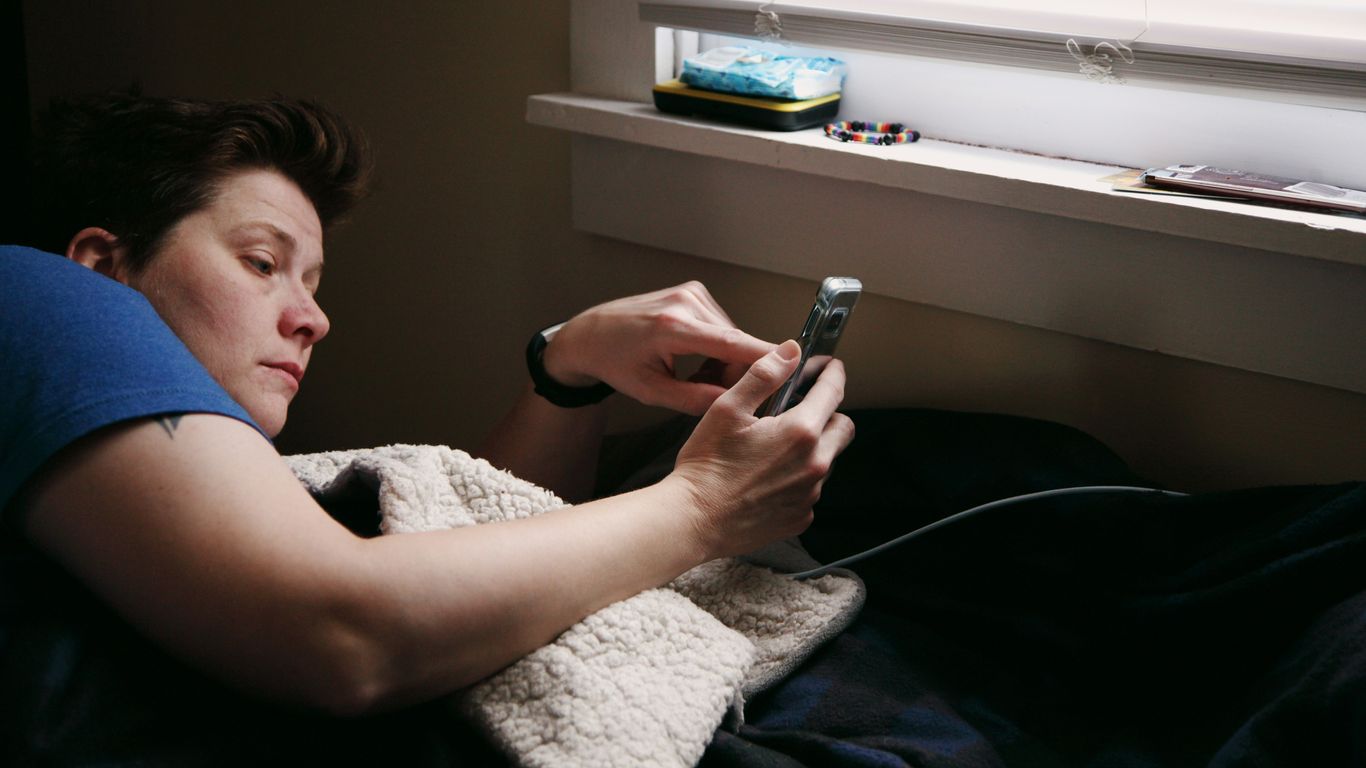
It’s pretty wild how much tech is now fitting onto our bodies, and sleep is no exception. Wearable gadgets are popping up everywhere, promising to sort out our sleep problems. We’re talking about devices that go beyond just tracking your steps or heart rate; these are designed to actively influence your sleep patterns.
Ayo: Light Therapy For Sleep
Ayo is one of those interesting gadgets. It looks a bit like a pair of glasses, but instead of lenses, it has these light emitters. The idea is pretty neat: you wear them for a short period, and the light they emit helps to reset your body’s internal clock. This light therapy is designed to naturally adjust your body’s hormones, like melatonin, which are key players in our sleep-wake cycle. It’s supposed to help you wake up feeling more refreshed and even tackle things like jet lag.
Optimising Circadian Rhythms
Our circadian rhythms are basically our body’s 24-hour internal clock. When this gets out of whack – maybe from shift work, travel, or just modern life – our sleep suffers. Devices like Ayo aim to gently nudge this rhythm back into place. By using specific light wavelengths at the right times, they can influence when your body feels sleepy and when it feels alert. It’s all about working with your body’s natural processes, not against them.
Jet Lag Solutions
Jet lag is a real pain, isn’t it? You arrive somewhere new, and your body still thinks it’s back home, leading to sleepless nights and groggy days. Wearable tech is stepping in here too. Ayo, for instance, can provide a personalised schedule. You tell it where you’re going, and it gives you a plan for using the light device to help your body adjust to the new time zone faster. This means less time feeling out of sorts and more time enjoying your trip.
Beyond Traditional Sleep Aids
It feels like we’ve all tried something to get a better night’s sleep at some point, right? Whether it’s a cup of chamomile tea, a white noise machine, or just counting sheep until you drift off. But the world of sleep tech is moving way past those old-school methods. Startups are now looking at things like light therapy, games, and even hygiene monitoring to help us catch those precious Zzzs.
Gamified Health and Wellbeing
Who knew that playing games could actually be good for your sleep? Well, some clever folks are turning health and wellbeing into games. The idea is to make looking after yourself more fun and social. Think about playing a game with friends, but instead of just racking up points, you’re also working towards better sleep or a healthier lifestyle. It’s about making small, consistent efforts feel rewarding.
- Social Connection: Play with friends or family, encouraging each other to reach goals.
- Motivation Boost: Gamified challenges can make sticking to healthy habits feel less like a chore.
- Holistic Approach: These apps often cover physical, mental, and social wellbeing, not just sleep.
Hygiene Monitoring Innovations
This might sound a bit odd at first, but keeping track of hygiene can actually impact our sleep. For instance, if you’re worried about germs or the cleanliness of your environment, it can play on your mind and make it harder to relax. Some new gadgets are designed to give you peace of mind by monitoring things like hand hygiene. This simple act of ensuring cleanliness can reduce anxiety and create a more restful atmosphere.
Virtual Reality For Mental Health
Virtual Reality (VR) is popping up in all sorts of places, and sleep is no exception. For those struggling with stress or anxiety that keeps them awake, VR can offer a unique escape. Imagine stepping into a calm, virtual world designed to help you unwind and clear your head before bed. It’s a way to disconnect from daily worries and prepare your mind for sleep in a completely immersive way.
The focus here is on creating experiences that actively help calm the mind. By transporting users to serene digital environments, the aim is to reduce mental chatter and promote a state of relaxation conducive to sleep. It’s a novel approach to tackling the mental hurdles that often stand between us and a good night’s rest.
The Science Behind Sleep Startups
It’s fascinating how many of these sleep startups are really digging into the science to make their products work. They’re not just slapping a few features together; they’re looking at how our bodies actually function and using that knowledge to help us sleep better.
Leveraging Computer Vision
Computer vision, the tech that lets computers ‘see’ and interpret images, is a big deal for some of these companies. Think about Nanit, the baby monitor. It uses cameras to watch over your little one, but it’s not just about seeing them. The system analyses the video feed to understand sleep patterns, like how often a baby wakes up or how long they sleep. This ability to interpret visual data is what allows these devices to offer insights that go beyond simple monitoring. It’s like having a sleep expert watching your baby, but it’s all done by clever algorithms processing video.
AI And Machine Learning In Sleep
Artificial intelligence (AI) and machine learning (ML) are the brains behind a lot of these innovations. These technologies allow devices to learn from the data they collect and get smarter over time. For example, a wearable device might track your heart rate, movement, and even breathing patterns throughout the night. An AI can then analyse this information to identify what might be disrupting your sleep. It can spot trends that a human might miss, like how a certain activity earlier in the day affects your sleep quality later on. This personalised feedback is a game-changer.
Expert Collaboration For Sleep Solutions
What’s also really encouraging is that many of these startups aren’t working in isolation. They’re teaming up with sleep scientists, doctors, and researchers. This collaboration is key to making sure their technology is based on solid scientific principles. Nanit, for instance, worked with sleep medicine centres to develop its insights. Similarly, companies developing light therapy devices like Ayo consult with experts to understand how light affects our body clocks. This partnership between tech developers and medical professionals helps build trust and ensures the solutions are genuinely effective.
The goal is to move beyond just tracking sleep to actively improving it. By understanding the complex biological and behavioural factors that influence our rest, these companies are creating tools that can make a real difference to our wellbeing.
Investment And Growth In Sleep Tech
It’s pretty wild how much money is flowing into companies trying to sort out our sleep. You see these startups popping up everywhere, promising everything from better Zzzs to more energy. And guess what? Investors are actually putting their cash into it. It seems like everyone’s realising that good sleep isn’t just a nice-to-have; it’s a massive market waiting to be tapped.
Funding The Sleep Startup Ecosystem
This whole sleep tech scene is attracting some serious investment. We’re talking about venture capital firms and even big-name investors throwing millions at companies that have a solid idea and a plan to make our nights better. It’s not just about gadgets anymore; it’s about data, AI, and understanding what makes us tick (or, rather, sleep).
- Seed Funding: Early-stage companies often get initial backing to get their prototypes built and test their ideas.
- Series A, B, C, etc.: As companies prove their concept and start growing, they attract larger rounds of funding to scale up production, marketing, and research.
- Strategic Investments: Sometimes, larger companies invest in sleep startups to gain access to new technology or markets.
Eight Sleep, for instance, has managed to secure a significant $50 million in funding, valuing the company at a hefty $1.5 billion. This kind of valuation shows just how much faith the financial world has in the future of sleep innovation.
Market Potential For Sleep Innovations
The market for sleep-related products and services is enormous. Think about it: almost everyone sleeps, and a huge number of people struggle with it. Whether it’s insomnia, stress, or just wanting to perform better, there’s a demand for solutions. This is why companies are so keen to get involved.
The sheer number of people experiencing sleep difficulties, combined with a growing awareness of sleep’s impact on overall health and productivity, creates a fertile ground for new businesses. People are increasingly willing to spend money on solutions that promise tangible improvements to their well-being.
Global Expansion Of Sleep Solutions
These sleep startups aren’t just staying local. They’re looking to go global, which makes sense given that sleep problems don’t really care about borders. Companies are adapting their products and services for different cultures and markets, aiming to help people all over the world get a better night’s rest. This international push is a big part of their growth strategy, and it’s exciting to see how these innovations are reaching more people.
Looking Ahead
So, it’s pretty clear that sleep isn’t just something we do anymore; it’s become a whole new frontier for innovation. From smart baby monitors like Nanit that give parents peace of mind and actual data on their little one’s rest, to wearable tech such as Ayo that helps reset our body clocks after long flights or just helps us wake up feeling more human, the startup world is really digging into how we can all sleep better. It’s not just about fancy gadgets, though. It’s about using technology to understand our bodies and our habits in new ways, offering practical solutions to problems that have plagued us for ages. As these companies grow and new ideas keep popping up, it feels like we’re on the cusp of a genuine sleep revolution, making those precious hours of shut-eye more effective and, frankly, more achievable for everyone.
Frequently Asked Questions
What is a sleep startup?
A sleep startup is a new company that creates products or services to help people sleep better. They use new technology and ideas to solve common sleep problems, like trouble falling asleep or waking up too much.
How do smart baby monitors like Nanit help parents?
Nanit is a smart camera that watches your baby while they sleep. It streams video to your phone and uses clever technology to track your baby’s sleep patterns. It can even give parents tips on how to improve their baby’s sleep, which is super helpful when you’re new to looking after a baby.
What is light therapy for sleep, and how does Ayo work?
Ayo is like special glasses that use light to help reset your body’s natural sleep clock. It can help you wake up feeling more refreshed and can also be a great help if you’re struggling with jet lag after travelling.
Are there games that can help with sleep or health?
Yes! Apps like Gamebus turn healthy habits into fun games. You can play with friends and family, setting goals together, whether it’s doing physical activity or brain games. It makes being healthy more social and enjoyable.
How is technology like AI used by sleep startups?
Sleep startups use AI, which is like making computers smart, to understand sleep better. They use things like computer vision (so computers can ‘see’) to watch sleep patterns and machine learning (where computers learn from data) to find trends and offer personalised advice.
Is there a lot of money being invested in sleep technology?
Definitely! Lots of investors see that people really want to sleep better, so they are putting a lot of money into sleep tech companies. This helps these startups create even more amazing new products to help us all get a good night’s rest.