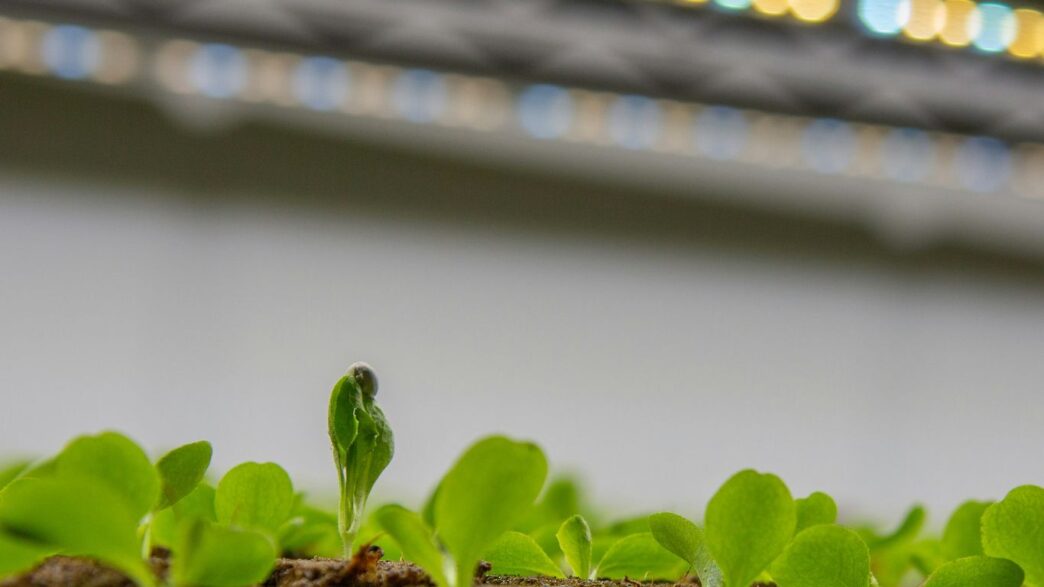
Cities are getting crowded, and figuring out how to feed everyone is a big deal. Traditional farming needs a lot of land and water, which cities just don’t have much of. Enter the urban vertical farm. It’s a pretty neat idea: growing food right where people live, using smart tech to stack crops high indoors. This means fresher food, less travel, and a greener way to eat, even in the middle of a concrete jungle.
Key Takeaways
- An urban vertical farm grows food in stacked layers, often indoors, making the most of limited city space.
- These farms use less water and energy compared to traditional methods, thanks to controlled environments and tech.
- They help cities get fresher food faster, cutting down on transport and boosting local food security.
- New technologies like sensors, robots, and blockchain are making urban vertical farms more efficient and transparent.
- While they need big upfront investments and skilled workers, urban vertical farms offer local jobs and environmental pluses.
The Foundation Of Urban Vertical Farming
Maximizing Space With Stacked Layers
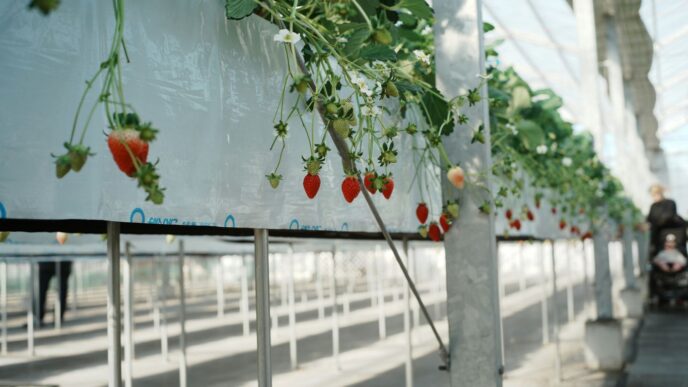
Think about it – cities are packed. Land is expensive, and there’s just not much of it to go around for farming. That’s where vertical farming really shines. Instead of spreading out, it grows up. We’re talking about stacking crops in layers, one on top of another, often inside buildings. This approach makes the absolute most out of a small footprint. It’s like turning a single floor of a building into a whole farm. This method is a big deal for urban areas because it means you can grow a lot of food without needing acres of land. Companies are building these multi-story farms that can produce tons of greens and other produce right in the middle of the city.
Hydroponics And Controlled Environments
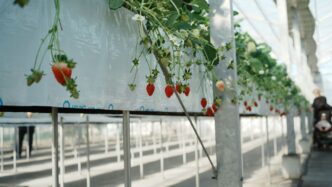
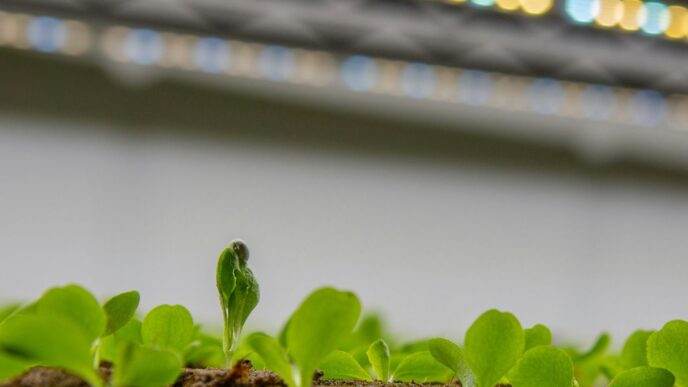
So, how do these stacked farms actually work? A lot of them use something called hydroponics. Basically, plants grow in nutrient-rich water instead of soil. This is pretty neat because you don’t need to worry about soil quality or pests that come with it. Plus, it uses way less water than traditional farming. These farms are also usually inside, which means everything can be controlled. We’re talking about the perfect temperature, the right amount of light (often from LEDs), and the ideal humidity. This controlled environment means crops can grow faster and more consistently, regardless of what’s happening outside. It’s like having a perfect growing day, every single day.
Efficiency In Water And Energy Usage
One of the biggest wins for vertical farming is how efficient it is. Because the systems are closed and controlled, water can be recycled. This means vertical farms can use up to 95% less water compared to regular farms. That’s a huge saving, especially in areas that might face water shortages. Energy is another big one. While the lights and climate control systems do use electricity, many farms are looking at ways to make this more sustainable. They might use energy-efficient LED lights or even power their operations with renewable energy sources. The goal is to grow food with the smallest possible environmental impact, and efficiency is key to making that happen.
Revolutionizing Food Access In Cities
It’s pretty wild to think about how much food travels to get to our plates. For ages, we’ve relied on farms miles and miles away, which means a lot of fuel burned and a lot of time before that lettuce or tomato even hits the store. But urban vertical farms are changing that game. They’re bringing food production right into the neighborhoods where people live.
Reducing Food Miles And Carbon Footprints
Think about it: instead of trucking produce across states or even countries, food can now be grown just a few blocks from your apartment. This drastically cuts down on the "food miles" – the distance food travels from farm to fork. Less travel means less fuel burned, which is a big win for the environment. We’re talking about a significant drop in carbon emissions, helping to clean up the air in our cities. Plus, when food doesn’t have to travel far, it often gets to you fresher.
Enhancing Food Security For Urban Populations
This is a really big deal, especially for areas that don’t have easy access to grocery stores, sometimes called "food deserts." Vertical farms can be set up right in these communities, providing a steady supply of fresh fruits and vegetables. This means more people can get healthy food regularly, no matter where they live in the city. It makes our food system more reliable, less dependent on long supply chains that can be easily disrupted by weather or other issues.
Fresh Produce Available Year-Round
One of the coolest things about vertical farms is that they aren’t at the mercy of the seasons. Because they operate in controlled indoor environments, they can grow crops all year long. This means you can get fresh, locally grown strawberries in the middle of winter, or crisp salad greens even when it’s freezing outside. It’s a pretty neat way to ensure a consistent supply of nutritious food for city dwellers, no matter what time of year it is.
Technological Innovations Driving Growth
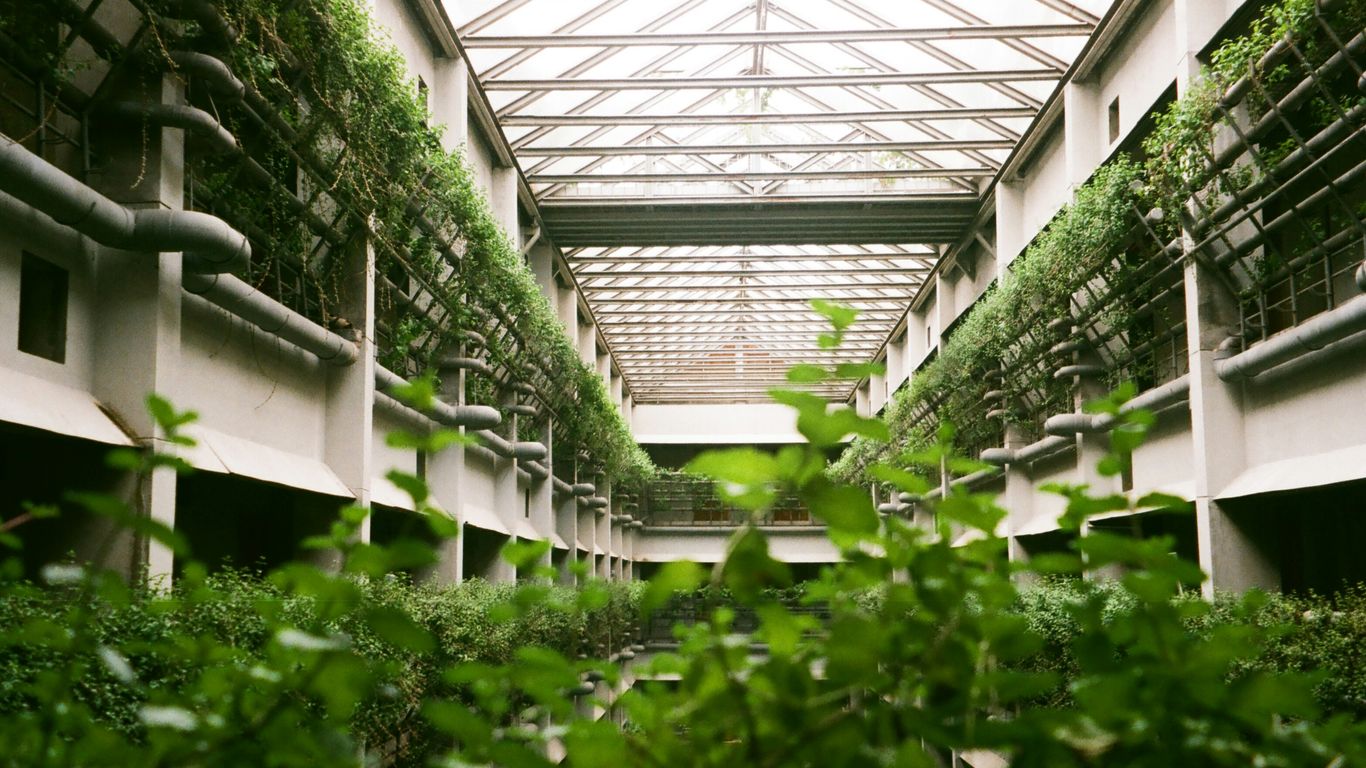
It’s pretty wild how much technology is changing the way we grow food in cities. We’re not just talking about a few extra sensors anymore; we’re seeing some serious upgrades that make urban farms way more efficient and productive. These aren’t your grandma’s gardens, that’s for sure.
Smart Farming And IoT Integration
This is where things get really interesting. Think of the Internet of Things (IoT) as the nervous system for these farms. Tiny sensors are scattered everywhere, constantly checking things like how much water is in the soil, the nutrient levels, the temperature, and even the humidity. All this information gets sent to a computer system that can then automatically adjust things like watering schedules, the type of lights being used, and the overall climate inside the growing space. This precision means we’re only using what the plants actually need, cutting down on waste and boosting how much we can grow. Plus, with apps on our phones, farmers can keep an eye on everything and make changes from pretty much anywhere. It makes managing a farm a lot less hands-on and a lot more data-driven.
The Role Of Robotics And Automation
Farming has always been hard work, and a lot of that work is repetitive. Robots are starting to take over some of those tasks. We’re seeing machines that can plant seeds with incredible speed and accuracy, weed out unwanted plants without damaging the crops, and even harvest the produce. This isn’t just about saving money on labor, though that’s a big part of it. It’s also about consistency and speed. Robots don’t get tired, and they can perform tasks with a level of precision that’s hard for humans to match, especially over long periods. Drones are also getting in on the action, not just for planting but also for checking on the health of the crops. They can fly over the farm and take pictures that show if plants are stressed or lacking something, helping farmers catch problems before they get out of hand.
Blockchain For Transparent Supply Chains
This might sound a bit out there for farming, but blockchain technology is starting to play a role, especially in making sure we know where our food comes from. Imagine a digital ledger that tracks a batch of lettuce from the moment it’s harvested all the way to the grocery store shelf. This transparency is a big deal for consumers who want to know their food is fresh and safe. If there’s ever a problem, like a foodborne illness outbreak, blockchain can help pinpoint exactly where the issue started much faster than traditional methods. It also helps farmers get a fairer price for their produce by cutting out some of the middlemen in the supply chain.
Sustainability And Environmental Benefits
Urban vertical farms are doing some pretty neat things for the environment, way beyond just growing lettuce indoors. Think about it: instead of trucking food across the country, it’s grown right where people live. This cuts down on a ton of pollution from vehicles.
Minimizing Water Consumption
One of the biggest wins is how little water these farms use. Traditional farming can be super thirsty, but vertical farms often use closed-loop systems. This means water gets recycled over and over.
- Hydroponic systems can use up to 90% less water than soil-based farming.
- Water is captured, filtered, and reused, so hardly any is wasted.
- This is a huge deal, especially in cities where water can be a precious resource.
Reducing Pesticide Use
Because these farms are controlled environments, they don’t need a lot of the nasty chemicals that regular farms do. It’s much easier to keep pests out when you’re not dealing with open fields and unpredictable weather.
- No need for chemical pesticides or herbicides, which is better for the plants, the workers, and the people eating the food.
- Integrated pest management, often using natural predators, is usually enough.
- This leads to cleaner produce and less pollution in the local ecosystem.
Mitigating Urban Heat Island Effects
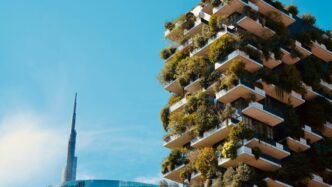
This one’s a bit more indirect, but still important. When you have green spaces, even vertical ones, in a city, they can help cool things down. Buildings and pavement absorb a lot of heat, making cities much hotter than the surrounding countryside. Adding farms, especially on rooftops, can absorb some of that sunlight and release moisture, which has a cooling effect. It’s not a magic bullet, but every bit helps make cities more comfortable and can even lower energy bills for cooling buildings.
Community And Economic Impacts
Beyond just growing food, urban vertical farms are really starting to change the neighborhoods they’re in. They’re not just about efficiency; they’re about people too.
Creating Local Jobs And Opportunities
These farms need people to run them, from planting and harvesting to managing the tech and selling the produce. This means new jobs are popping up right in the city. Think about it: you don’t need to commute hours to a traditional farm anymore. These jobs can range from entry-level positions to more specialized roles in plant science or engineering. It’s a chance for people to get into a growing industry without leaving their community.
Fostering Social Cohesion Through Gardens
While vertical farms are high-tech, the idea of growing food together is also bringing people closer. Community gardens, often linked to or inspired by urban farming initiatives, are becoming social hubs. Neighbors who might never have met are now working side-by-side, sharing tips, and building connections. This shared activity can really help combat the isolation that sometimes comes with city living. It’s about more than just vegetables; it’s about building a stronger community fabric.
Boosting Local Economies
When you buy produce from a local vertical farm, that money tends to stay within the community. It supports local businesses and creates a more circular economy. Plus, these farms can revitalize underused urban spaces, turning them into productive areas that add value to the neighborhood. It’s a win-win: residents get fresh food, and the local economy gets a boost. The global agritecture market, which includes these kinds of urban farming setups, was valued at over $4.7 billion in 2023 and is expected to keep growing. This shows a real economic shift happening.
Addressing Challenges In Urban Cultivation
High Initial Investment Costs
Getting an urban farm up and running, especially one that uses fancy tech like vertical systems or controlled environments, can cost a pretty penny. You’re looking at specialized gear, climate control setups, water treatment, sensors, and maybe even some automation. It all adds up fast, and then there’s the ongoing cost of keeping it all in good shape. It’s not like just sticking a few seeds in the ground.
The Need For Skilled Labor
Farming in the city isn’t your grandpa’s farming. You need people who know their way around hydroponics, aquaponics, or those stacked vertical farms. They need to understand how to keep everything just right for the plants, which can make hiring tricky and labor more expensive. Even with robots doing some of the heavy lifting, there’s still a good chunk of hands-on work that requires a trained touch.
Navigating Limited Urban Growing Space
Cities are, well, built up. While urban farms try to make use of rooftops, empty lots, or indoor spots, the actual space available for growing food is still pretty limited. This puts a cap on how much food you can actually produce, making it tough to make a big dent in a city’s overall food needs. Even with clever vertical setups, there’s only so much you can grow in a small footprint.
The Future is Growing Up
So, yeah, urban farming is really changing how we get our food, especially in cities. It’s not just about slapping some plants on a roof anymore. We’re talking about high-tech vertical farms stacked inside buildings, using way less water and space than old-school farming. Plus, it’s bringing fresh food right to our neighborhoods, cutting down on those long truck rides and making cities a bit greener. It’s not perfect – setting these places up costs a lot, and you need people who know their stuff. But as more of us live in cities, figuring out how to grow food right where we are just makes sense. It’s about making sure everyone has good food and building cities that can actually take care of themselves.
Frequently Asked Questions
What exactly is vertical farming?
Vertical farming is like stacking farms on top of each other, usually inside buildings. Think of it as growing crops in layers, using special lights and systems that don’t need soil, like hydroponics. It’s a smart way to grow a lot of food in a small city space.
How does vertical farming help the environment?
It’s much kinder to the planet! Vertical farms use way less water, sometimes up to 95% less than regular farms. They also cut down on how far food has to travel, which means less pollution from trucks and planes. Plus, they often use fewer pesticides.
Can vertical farms grow food all year round?
Yes, they can! Because they are inside buildings with controlled weather, they aren’t affected by seasons or bad weather. This means cities can have fresh produce like lettuce and herbs available no matter what time of year it is.
Is vertical farming expensive to set up?
Getting started can cost a good amount of money. You need special equipment like lights, climate controls, and systems to grow the plants. It’s a big investment, but the idea is that it pays off by growing a lot of food efficiently.
Does vertical farming create jobs?
Absolutely! Setting up and running these farms needs people to manage the technology, grow the plants, and get the food to customers. It creates local jobs right in the city, which is great for the community.
What’s the difference between urban farming and vertical farming?
Urban farming is a broader term for growing food in cities, which can include rooftop gardens, community plots, and even small farms in empty lots. Vertical farming is a specific type of urban farming that uses stacked layers indoors to grow crops.