Evolving Teaching Methodologies Through AI in Higher Education

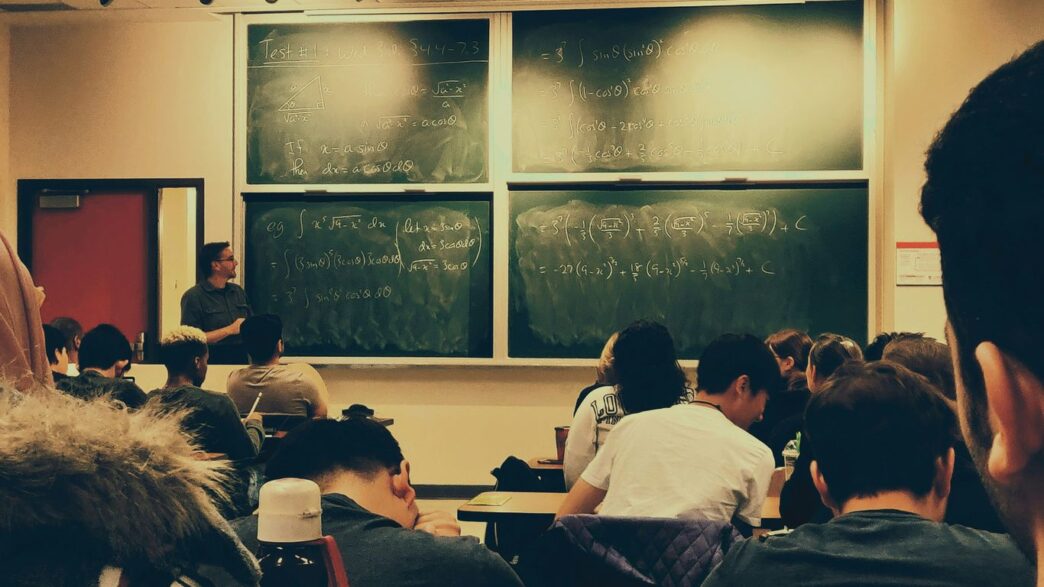
It feels like just yesterday we were talking about how computers might change classrooms, and now, here we are with AI. It’s really shaking things up in how we teach and learn at the university level. We’re seeing new tools pop up that can actually tailor the learning experience to each student, which is pretty wild.
Adaptive Learning Platforms and Personalized Instruction
Think about it: instead of everyone getting the same lecture, AI can figure out what a student already knows and where they struggle. Then, it can give them extra practice on the tough stuff or let them skip ahead if they’ve got it down. This means students aren’t bored or completely lost. It’s like having a tutor for everyone, but it’s a computer program. This approach helps make sure no one gets left behind, and those who are ready can move faster. The goal is to make learning fit the individual, not the other way around.
Automated Grading and Assessment Tools
Grading papers, especially essays, takes up so much time for instructors. AI is starting to help with this. It can look at assignments, check for correctness, and even give feedback. This isn’t just for multiple-choice tests anymore; AI is getting better at understanding written answers. This frees up professors to do more important things, like actually interacting with students or planning better lessons. Plus, AI grading can be more consistent than a human grader, which might mean fairer marks for everyone.
Here’s a quick look at how AI can help with grading:
- Speed: Significantly reduces the time spent on grading.
- Consistency: Applies the same standards to all submissions.
- Feedback: Provides immediate, specific comments to students.
- Instructor Time: Allows faculty to focus on teaching and student interaction.
AI-Supported Curriculum Development
AI can also be a big help when it comes to figuring out what to teach. It can analyze job market trends, see what skills are in demand, and even suggest topics or resources that would be good to include in a course. This helps make sure that what students are learning is actually relevant to the jobs they’ll be looking for after graduation. It’s about keeping courses up-to-date and making sure students are prepared for what’s next.
Enhancing Student Support and Services With AI Integration
AI is really starting to change how colleges help students out, beyond just the classroom stuff. It’s not just about making things faster, though that’s a big part of it. Think about how much time students spend dealing with paperwork or trying to figure out who to ask for help. AI can step in and smooth a lot of that out.
AI-Driven Academic Advising and Personal Assistants
Imagine having a digital helper that knows your academic history, your goals, and even your preferred learning style. That’s what AI-powered personal assistants are starting to offer. These tools can help students pick classes, plan their degree path, and even remind them about important deadlines. They can answer common questions instantly, freeing up human advisors to tackle more complex issues. It’s like having a dedicated guide for your entire college journey, available anytime you need it.
Streamlining Admissions and Administrative Tasks
Getting into college and managing all the administrative bits can be a headache. AI is stepping in to make these processes much smoother. For example, some schools are using AI to quickly go through applications and transcripts, cutting down wait times from weeks to just a few days. This means students hear back sooner, and the admissions team can focus more on connecting with prospective students. It also helps with other behind-the-scenes tasks, like managing student records or scheduling, making the whole institution run a bit more efficiently.
Tailored Tutoring and Learning Pathways
We all learn differently, right? AI is getting really good at figuring that out for each student. By looking at how a student performs on assignments and interacts with learning materials, AI can suggest specific resources or exercises that target their weak spots. It can also create custom learning plans, almost like a personal tutor that knows exactly what you need to work on. This kind of personalized approach can really help students get more out of their studies, especially when they’re struggling with a particular subject. It’s about giving everyone the right kind of support, at the right time.
Addressing Ethical and Privacy Concerns in AI Adoption
As more universities and colleges work AI into their daily routines, the conversation quickly turns to ethics and privacy. No one wants a system that invades personal spaces, makes odd decisions based on bias, or lets go of human judgment entirely. This isn’t only about technology—it’s about trust, fairness, and the right to learn without your data being exposed.
Safeguarding Data Privacy and Security
AI in higher education means a lot of personal information floating around—grades, learning habits, maybe even health records. Keeping that data safe is no small job. Here are some ways institutions are changing how they handle privacy:
- Limiting what data AI systems collect (only what’s absolutely needed)
- Encrypting files so they’re much harder to steal or leak
- Regularly checking for security holes and fixing them fast
- Training staff and students about strong passwords and spotting scams
| Measure | Level of Use (2026) |
|---|---|
| Data Encryption | Very High |
| Minimal Data Collection | Growing |
| Security Audits | Moderate |
| Privacy Training Programs | Low |
Sadly, security problems do happen now and then, but most leaks can be traced back to old habits—like weak passwords or skipped updates.
Mitigating Algorithmic Bias and Fairness Issues
AI systems learn from huge piles of data—most of it scraped from textbooks, online sources, and past records. If there’s any weirdness, stereotypes, or old prejudices in those files, the AI will pick them up. And that can mean unfair decisions on admissions, grading, or support. To reduce these problems, institutions are:
- Reviewing and cleaning up training data before it goes into the AI
- Testing AI outputs for strange or prejudiced patterns
- Letting humans handle final decisions in sensitive areas, like admissions
- Teaching students and staff to spot signs of AI bias
This isn’t a set-it-and-forget-it thing; it calls for ongoing attention because biases aren’t always obvious. Sometimes the AI gets it wrong in sneaky ways, and only lots of eyes on the process will catch it in time.
Maintaining Academic Integrity and Human Oversight
AI can crank out essays, answer questions, and even flag plagiarism. That’s handy, but it’s also risky. There’s the worry students might just use AI to cheat or that the tech could wrongly accuse someone. Academic honesty is still a huge deal, and even if AI is helping, people need to stay in charge. To keep things on track:
- Faculty set strict rules about acceptable AI use
- AI is mainly a support tool, not a replacement for teacher judgment
- Schools develop clear (and flexible) policies since AI tech is always changing
- Committees and task forces help review tricky cases or appeals
AI can save time and cut through busywork, but balancing its benefits with privacy and fairness takes real work. If everyone involved stays alert and keeps asking the hard questions, AI can fit into higher education without taking away what matters most: fairness, trust, and human connection.
Operational Efficiency and Institutional Transformation Using AI
It’s pretty wild how much AI is starting to change how universities run, not just in classrooms but behind the scenes too. Think about all the paperwork and repetitive tasks that eat up so much time for staff. AI is stepping in to handle a lot of that, freeing people up for more important work. This shift isn’t just about saving a few minutes here and there; it’s about fundamentally rethinking how institutions operate.
Campus-Wide Administrative Automation
Remember when getting transcripts took ages? Some places are now using AI to process them in days instead of weeks. It’s not just about speed, though. AI can help manage student records, schedule resources, and even assist with IT support. This automation means fewer errors and a smoother experience for everyone involved, from students applying to faculty managing their courses. It’s like giving the university a much-needed tune-up.
Improving Resource Allocation and Management
Figuring out where to put money and staff can be a headache. AI can crunch a lot of data to help leaders make smarter decisions. It can look at things like student enrollment trends, course demand, and even energy usage on campus to suggest where resources are needed most. This data-driven approach can lead to better budgeting and more efficient use of facilities. For example, AI might predict which buildings need more maintenance or how to best schedule campus shuttles based on real-time demand.
Strategic Policy Development and Governance
When it comes to making big decisions about the future of the university, AI can be a powerful ally. It can analyze vast amounts of information, from research papers to public opinion, to help shape new policies. Imagine AI helping to identify potential challenges or opportunities related to new academic programs or campus initiatives. This kind of analysis can make policy-making more informed and proactive, rather than just reactive. It’s about using smart tools to guide the university’s direction.
Bridging Equity Gaps and Ensuring Access to AI Technologies
Bringing AI to college campuses has the potential to reshape how students learn and access resources, but not everyone is on equal footing yet. Some students and faculty get access to the newest tools, while others are left using older methods. This section looks at the main challenges and actions that schools are taking (and could be taking) to make AI more accessible and fair for all students.
Combating the Digital Divide in Higher Education
The digital divide is still one of the main hurdles to adopting AI equally across colleges and universities. Not every student has a fast laptop or reliable Wi-Fi. Some campuses provide free devices or hotspots, but coverage can be inconsistent, especially for remote or nontraditional students. Here are a few ways schools are working to close the gap:
- Loaner laptop and hotspot programs for students who can’t afford their own.
- Tech support and repair clinics available on campus.
- Partnerships with community organizations to expand broadband access in neighboring areas.
Device Access by Student Population
| Group | Percentage with Personal Device |
|---|---|
| Full-Time | 94% |
| Part-Time | 81% |
| Rural | 77% |
| Urban | 92% |
Promoting Inclusive and Equitable AI Use
AI in education can only be fair if everyone benefits. That means watching out for built-in biases and making sure tech isn’t just serving the loudest or best-connected students. Campuses are trying things like:
- Running audits on AI tools for bias before rolling them out.
- Translating resources and chatbots into multiple languages.
- Accepting input from student groups when setting up new AI-powered services.
These steps help make sure AI doesn’t accidentally leave anyone out or reinforce old inequalities. It’s a work in progress, but more schools are starting to pay attention to these issues, not just the shiny features.
Training Faculty and Students in AI Literacy
It’s not just about having the right tools; people need to know how to use them. There’s a big difference between having access to an AI chatbot and understanding how to use it wisely for research or support. Schools are responding by:
- Running AI literacy workshops for students and staff about risks, potential, and limitations.
- Including practical AI exercises in core coursework—think hands-on labs and real-world scenarios.
- Setting up digital "help desks" where students can get immediate advice on using new tools.
AI can make things easier, but only if everyone has the same opportunity and know-how. The focus now needs to be on not just providing access, but also building confidence and skills so every student can thrive in a changing academic world.
Preparing Students for a Changing Workforce Through AI
As AI technologies shape job markets faster than anyone expected, higher education has started focusing on skills that matter for real-world jobs. Colleges and universities aren’t just sticking with old-school teaching—they’re shifting their programs to help students succeed where automation and AI will change almost every field.
Integrating Future-Ready Skills Into Curricula
Colleges are updating degree requirements to include data literacy, computational thinking, and the basics of AI. Programming and understanding algorithms are no longer just for computer science majors. Now, business, healthcare, and humanities students are being asked to work with AI tools, interpret data, and spot trends.
Here’s how schools are mixing these skills into their programs:
- Every student, regardless of major, may need to take a course on digital tools or data analysis.
- Capstone projects are shifting—from research essays to hands-on work using AI or solving real workplace problems.
- Schools form partnerships with local industries so students can intern with companies using AI in creative ways.
| Example Skills Included | Description |
|---|---|
| Data literacy | Reading, analyzing, and cleaning data |
| AI Basics | Training on chatbots, image recognition, and more |
| Computational thinking | Breaking problems down into logical steps |
Emphasizing Human-Centric Skills Alongside AI
While machines do some things better—and faster—than people, the skills that make us human are more important than ever. Empathy, creativity, and working in teams can’t be outsourced to code.
Programs are making space for:
- Group projects that force students to negotiate, compromise, and present their ideas clearly
- Assignments that require ethical reasoning, especially around technology’s social impact
- Opportunities to build communication skills and think through problems that don’t have clear answers
Career Services and Labor Market Alignment
Career centers are changing, too. They’re using AI to keep track of job trends and recommend courses or micro-credentials to students who want to switch directions fast.
Some of the ways colleges and universities are supporting students:
- AI-powered resume builders provide feedback based on actual job descriptions
- Automated career-pathways tools suggest skills to develop for hot new roles
- Labor market dashboards track regional demand so students and advisors can spot shifting job opportunities
This is no longer about getting a four-year degree and calling it done. Instead, schools are helping students learn how to re-skill again and again—because jobs will keep changing long after graduation.
Navigating Challenges and Resistance to AI Implementation
So, AI in higher education sounds pretty great, right? But let’s be real, getting everyone on board isn’t always a walk in the park. There’s a fair bit of hesitation and some genuine hurdles to clear before we can really make AI work for us.
Building Trust Among Faculty and Stakeholders
One of the biggest things is getting faculty and staff to actually trust these new tools. People are worried about their jobs, about AI making mistakes, or just about the unknown. It’s like when a new software update comes out – some people jump right in, others wait weeks. We need to show them how AI can help, not replace them. Think of it like this:
- Demonstrate practical benefits: Show how AI can cut down on tedious tasks, like initial grading or finding resources.
- Involve them early: Get faculty involved in choosing and testing AI tools. Their input is gold.
- Open communication: Create spaces for questions and concerns. No one likes feeling left in the dark.
Overcoming Technical and Knowledge Barriers
Then there’s the tech side of things. Not everyone is a whiz with computers, and AI can seem pretty complicated. A lot of institutions are finding that a major roadblock is simply that people don’t know enough about AI. We’ve got to bridge this gap.
Here’s a quick rundown of what’s needed:
- Training, training, training: Offer workshops and easy-to-follow guides for everyone, from professors to administrative staff.
- User-friendly tools: Pick AI systems that are intuitive and don’t require a computer science degree to operate.
- Dedicated support: Have IT folks or AI champions available to help when things go wrong.
Fostering a Culture of Experimentation and Continuous Learning
Finally, we need to get comfortable with the idea that AI is always changing. What works today might be outdated tomorrow. This means creating an environment where trying new things is encouraged, even if they don’t always work out perfectly. It’s okay to experiment and learn as we go. We can’t expect to get everything right on the first try. This requires patience and a willingness to adapt. Institutions that are doing well are setting up committees or task forces to explore AI, and some are even offering small incentives to encourage people to try new AI applications. It’s about making AI a part of how we do things, not just a one-off project.
Moving Forward: Embracing AI Responsibly
So, where does this leave higher education? It’s clear that AI isn’t just a passing trend; it’s here to stay and is already changing things. While worries about cheating and job displacement are real, they shouldn’t stop us from seeing the good AI can do. Think about making student support more personal or helping professors with grading. The key is to be smart about it. We need to train people, set up clear rules, and encourage trying new things, but always with ethics and fairness in mind. Colleges and universities have a chance right now to use AI to get better at what they do, not just to keep up, but to truly improve learning for everyone. It’s about making sure technology helps people learn and grow, keeping the human side of education front and center.