Farming is changing, and a lot of that has to do with new science. We’re seeing cool new ways to grow food that are better for the planet and can help feed everyone. From tweaking seeds to using smart tech in the fields, biotechnology and agriculture are teaming up for a more sustainable future. It’s pretty interesting stuff, and it’s already making a big difference.
Key Takeaways
- Genetic engineering lets us create tougher crops that can handle pests, diseases, and tough weather, while also making them more nutritious.
- New farming methods reduce the need for chemicals, use resources like water and fertilizer more wisely, and include systems like hydroponics for growing food in new ways.
- Biotechnology and smarter farming practices are key to producing enough food for a growing world population, especially as the climate changes.
- These advancements bring economic upsides for farmers and encourage investment in new agricultural technologies, though clear rules are needed to support this growth.
- The future of food production will likely involve more tech, like AI for managing fields and renewable energy on farms, all while focusing on sustainability and meeting what people want to eat.
Advancements in Biotechnology for Crop Enhancement
Biotechnology is really changing how we grow our food, making crops better in ways we couldn’t imagine just a few years ago. It’s all about giving plants a helping hand to be tougher, more nutritious, and grow faster.
Genetic Engineering for Resilient Crops
This is where scientists tweak a plant’s DNA to give it special abilities. Think of it like giving a plant its own built-in shield. We can engineer crops to fight off bugs and diseases all by themselves, meaning farmers don’t have to spray as much chemical stuff. This is a big deal for the environment and for our health. It also means crops can handle tough weather, like dry spells or too much heat, which is super important as the climate keeps changing. We’re essentially building crops that are better equipped to survive and thrive, no matter what nature throws at them.
Nutritional Enrichment Through Biofortification
Beyond just making crops tougher, biotechnology can also make them healthier for us to eat. Biofortification is a fancy word for boosting the vitamins and minerals in our food right at the source. For example, we can develop rice or corn that has more Vitamin A, which can help prevent blindness in areas where people don’t get enough of it. It’s a smart way to tackle malnutrition without changing people’s diets too much. It’s like getting a nutritional upgrade just by eating your regular meals.
Accelerated Crop Improvement Cycles
Traditionally, developing a new crop variety took ages, often decades. Biotechnology speeds this up dramatically. Using techniques like marker-assisted selection or gene editing, we can identify plants with desirable traits much faster and breed them more efficiently. This means we can get new, improved crop varieties into farmers’ hands much quicker. This rapid improvement is key to keeping up with new pests, diseases, and the changing needs of a growing world population. It’s about getting better food solutions out there when they’re needed.
Sustainable Practices Driven by Agricultural Innovation
Farming is changing, and not just in the way we might think. We’re seeing a big push towards methods that are kinder to the planet, using less stuff and making less waste. It’s all about working smarter, not harder, and thankfully, technology is stepping in to help.
Reducing Chemical Dependency in Farming
For years, farmers have relied heavily on chemicals like pesticides and herbicides to keep crops healthy and weeds at bay. While these have their place, there’s a growing awareness of their downsides – they can harm beneficial insects, pollute water, and even affect soil health over time. The good news is, we’re finding better ways. Think about AI-powered weeding robots. These machines can actually ‘see’ the difference between a crop and a weed, then precisely remove the unwanted plants without spraying chemicals everywhere. It’s like having a super-accurate gardener for your whole field. This means less chemical runoff and healthier soil, which is a win-win.
Precision Agriculture for Resource Optimization
This is where technology really shines. Precision agriculture uses tools like GPS, drones, and sensors to give farmers a super detailed look at their fields. Instead of watering or fertilizing an entire field the same way, these tools help farmers understand exactly what each part of the field needs. So, if one spot is a bit dry, it gets just the right amount of water. If another area needs more nutrients, it gets a targeted dose. This smart approach means we use less water, less fertilizer, and less energy, cutting down on waste and saving money. It’s all about giving crops exactly what they need, when and where they need it.
Hydroponics and Vertical Farming Solutions
Imagine growing fresh produce without soil, stacked high in a building. That’s the idea behind hydroponics and vertical farming. These methods are fantastic for areas with limited space or poor soil quality. In hydroponic systems, plants grow in nutrient-rich water. Vertical farms take this a step further, stacking layers of crops under controlled lighting. This allows for year-round production, often closer to where people live, cutting down on transportation needs. Plus, these systems typically use much less water than traditional farming and eliminate the need for many pesticides, making them a really clean way to grow food.
Addressing Global Food Security Challenges
Feeding everyone on the planet is a big deal, and it’s only getting harder with more people being born every day. We’ve got to figure out how to grow enough food, make sure it gets to where it’s needed, and deal with a changing climate that makes farming tricky.
Boosting Crop Yields for Growing Populations
It’s pretty simple: more people means we need more food. Traditional farming methods just aren’t cutting it anymore. We’re seeing advances in things like genetically modified seeds and faster breeding techniques that help crops grow bigger and better. These aren’t just about making more food; they’re about making crops tougher, so they can handle things like pests and diseases without us needing to spray a ton of chemicals. Think about it – if a plant can fight off a bug on its own, that’s a win for the farmer and for the environment.
Ensuring Food Availability Through Biotechnology
Biotechnology plays a huge role here. It’s not just about making more food, but also about making sure the food we do grow is nutritious and can last. We’re talking about crops that have more vitamins or minerals naturally, which is a big help for people who might not get a balanced diet otherwise. Plus, by making crops more resistant to things like drought or floods, we can keep food production steady even when the weather goes wild. This means fewer shortages and more reliable food supplies, especially in places that are already struggling.
Adapting Agriculture to Climate Change
Climate change is throwing a wrench into farming everywhere. We’re seeing weird weather patterns, longer dry spells, and more intense storms. Agriculture needs to catch up. Biotechnology is helping us develop crops that can handle these new conditions. We’re looking at plants that need less water, can survive extreme heat, or can grow in salty soil. It’s like giving our crops a survival kit for the future. This adaptability is key to keeping farms running and food on tables, no matter what the weather throws at us.
The Economic Landscape of Biotechnology and Agriculture
Economic Benefits for Farmers and Producers
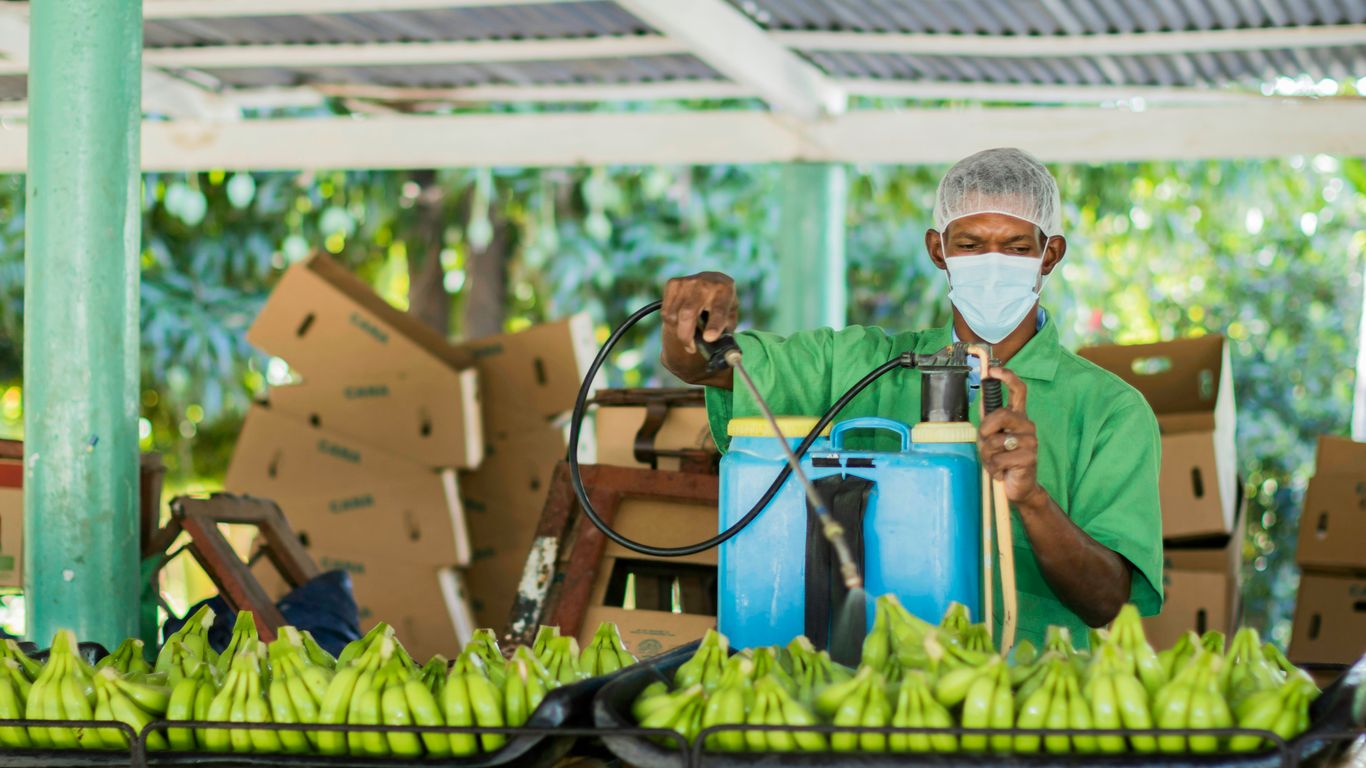
Farming has always been a bit of a gamble, right? You put in the work, and then you hope the weather cooperates, pests stay away, and the market pays a decent price. Biotechnology is starting to tip those odds a bit more in favor of the farmer. Think about crops that can shrug off a drought or resist a common bug without needing a truckload of sprays. That means less money spent on expensive chemicals and less worry about losing a whole season’s harvest. These improvements can lead to bigger harvests and more reliable income for farming families. It’s not just about growing more; it’s about growing smarter and with less risk.
Investment and Innovation in Agricultural Technology
Because of these potential gains, there’s a lot of money and brainpower flowing into agricultural tech these days. Venture capitalists and big companies are pouring funds into startups that are developing everything from AI-powered tractors to new seed varieties. This investment fuels a cycle of innovation. New tools and techniques are constantly being developed, making farming more efficient and productive. It’s a pretty exciting time to see what new gadgets and methods will pop up next. This push for new tech also means more jobs in research, development, and manufacturing, which is good for the economy overall.
Regulatory Frameworks Supporting Growth
Now, all this new technology and investment doesn’t just happen in a vacuum. Governments and regulatory bodies play a big role. They set the rules for how these new technologies, especially things like genetically modified crops, can be developed, tested, and sold. Clear and sensible regulations are key to encouraging investment and ensuring that new innovations can reach the market safely and effectively. If the rules are too strict or unclear, it can slow down progress and make companies hesitant to spend money on research. On the flip side, if they’re too lax, it can raise concerns about safety and environmental impact. Finding that balance is super important for the whole sector to keep growing and doing its thing.
Innovations in Farming Technology and Management
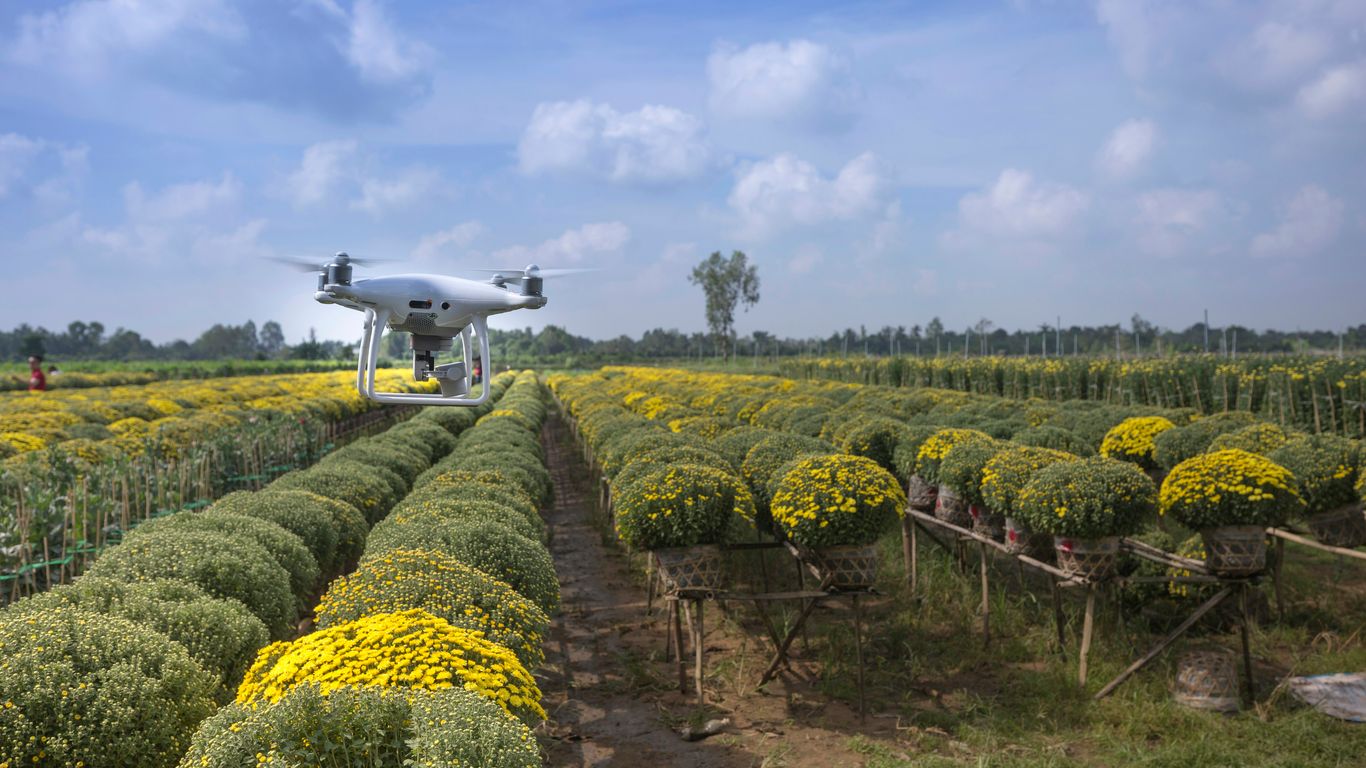
Farming is getting a serious tech upgrade, and it’s not just about bigger tractors anymore. We’re seeing some really smart tools pop up that help farmers work more efficiently and, importantly, more sustainably. It’s like giving the farm a brain and a set of super-precise hands.
AI-Powered Weed Control Systems
Remember spending hours pulling weeds or spraying chemicals everywhere? Well, AI is changing that game. Think of tiny robots, or even specialized sprayers, that can actually see the difference between your crops and those pesky weeds. Using cameras and smart software, they can target weeds with mechanical tools or even lasers, getting rid of them without harming the plants you want to grow. This means way less need for herbicides, which is great for the soil and for any critters living around the farm. It’s precision at its finest, letting crops grow without competition and keeping the soil healthier.
IoT for Remote Field Monitoring
Now, farmers can keep an eye on their fields without actually having to be there all the time. The Internet of Things (IoT) is connecting sensors all over the farm. These sensors can track things like soil moisture, temperature, and even nutrient levels. All this information gets sent straight to the farmer’s phone or computer. So, if a section of the field needs water, or if there’s a sudden temperature drop, the farmer gets an alert and can react quickly. This helps save water, fertilizer, and prevents crop damage. It’s like having a remote control for your entire farm.
Renewable Energy Integration in Farming
Farms are also becoming more energy independent. Instead of relying solely on traditional power sources, many are now using renewable energy. Solar panels are being used to power irrigation pumps, and small wind turbines can generate electricity for farm buildings. Some farms are even looking into biogas from animal waste to create energy. This not only cuts down on electricity costs but also significantly reduces the farm’s carbon footprint. It’s a win-win for the farmer’s wallet and the planet.
The Future of Food Production
So, what’s next for how we grow our food? It’s a big question, right? We’re looking at a world with more people and a changing climate, so farming has to get smarter. Biotechnology is really stepping up to help make agriculture more sustainable and productive. It’s not just about making more food, but making it better and with less impact on the planet.
Biotechnology’s Role in Sustainable Agriculture
Think about crops that can handle tough weather or resist pests without needing a lot of sprays. That’s where biotechnology shines. Scientists are developing new varieties that are naturally stronger. This means less water might be needed, and fewer chemicals have to be used, which is good for the soil and for us.
Meeting Evolving Consumer Demands
People want healthier food, and they want to know where it comes from. Biotechnology can help here too. We’re seeing crops engineered to have more vitamins or specific health benefits. Plus, with things like vertical farms and hydroponics, we can grow fresh produce closer to where people live, cutting down on transport and waste. It’s all about giving consumers what they want while being kinder to the earth.
Fostering Biodiversity Through Seed Technology
It might seem counterintuitive, but technology can actually help preserve nature. By developing a wider range of seeds, including those that can grow in different conditions or have unique traits, we’re not putting all our eggs in one basket. This diversity is key to a healthy food system that can adapt over time. It’s about having options and making sure our food sources are robust for years to come.
Looking Ahead
So, it’s pretty clear that biotech and modern farming are really changing things. We’re talking about growing more food, making it better for us, and doing it all without wrecking the planet. From tweaking seeds to grow stronger to using smart tech that tells farmers exactly what plants need, it’s all about working smarter. This isn’t just about bigger harvests; it’s about making sure everyone has enough to eat and that we’re taking care of the earth for the future. It’s a big job, but these innovations are definitely pointing us in the right direction for a more sustainable world.
Frequently Asked Questions
What is biotechnology in farming, and how does it help crops?
Biotechnology in farming is like giving plants a super boost! Scientists tweak a plant’s tiny building blocks, called DNA, to make them stronger. This means they can fight off bugs and sickness better, survive tough weather like heat or dry spells, and even pack more healthy stuff like vitamins. It helps us grow more food, more reliably.
How does farming use less chemicals now?
Farming is becoming smarter about using chemicals. Instead of spraying everything, we use special seeds that are naturally resistant to pests and diseases. We also use technology like sensors and GPS to put water and fertilizer only where they’re needed, like a targeted approach. This means less waste and a healthier environment.
What are hydroponics and vertical farming?
Imagine growing plants without soil! Hydroponics uses nutrient-rich water to feed plants, and vertical farming grows them in stacked layers, like a plant skyscraper. These methods are super cool because they can be done in cities or places with little land, and they let us grow fresh food all year round, using less space and water.
How does technology help farmers watch their fields?
Farmers have amazing new tools now! They can use tiny sensors that talk to their phones (that’s the ‘Internet of Things’ or IoT) to check soil moisture or temperature from anywhere. Drones and satellites can take pictures of fields to see if plants are healthy or need attention. It’s like having eyes everywhere, helping farmers make quick and smart decisions.
Why is adapting to climate change important for farming?
Our planet’s weather is changing, with more heatwaves and droughts. Biotechnology helps us create crop varieties that can handle these tough conditions. This means farmers can still grow food even when the weather gets tricky, which is super important for making sure everyone has enough to eat.
What’s the future of farming going to look like?
The future of farming is going to be high-tech and super sustainable! We’ll see even more smart technology, like robots that can pick weeds or AI that predicts problems before they happen. Biotechnology will continue to give us stronger, healthier crops. The goal is to grow plenty of nutritious food for everyone while taking really good care of our planet.