The Internet of Things, or IoT, has come a long way from being just a futuristic idea. It’s now a big part of how we live and work. We’ve seen it grow from simple connected devices to complex systems that affect everything from our homes to huge industries. This journey shows a clear evolution of IoT, changing how we interact with the world around us.
Key Takeaways
- The evolution of IoT started with basic connected devices, like a smart fridge reporting its status, and has grown into a massive network affecting daily life and business.
- Key moments in IoT’s development include the coining of the term, the first conference, and the point where connected devices outnumbered people.
- IoT significantly impacts businesses by improving how they operate, offering real-time data for better decisions, and making supply chains work more smoothly.
- Real-world uses range from smart homes to large industrial setups, but security issues, like data breaches, are important lessons learned along the way.
- The development of IoT infrastructure has moved from small tests to reliable systems that businesses can depend on for their daily operations.
The Genesis of Connected Devices
It’s easy to think of the Internet of Things, or IoT, as a recent invention, something that popped up with our smart speakers and fitness trackers. But the idea of connecting devices and letting them talk to each other? That’s been brewing for a lot longer than you might think. We’re talking about the very early days, long before the internet was even a household word. The first real glimmer of this concept actually goes back decades, with some folks pointing to a modified Coke machine at Carnegie Mellon University in the early 1980s as the very first IoT device. Imagine that – a soda machine that could report if it was stocked and if the drinks inside were cold! It sounds simple now, but back then, it was pretty revolutionary. This early experiment showed that devices could communicate information remotely, a core idea that would eventually blossom into the vast network we have today. It’s a reminder that even the most complex technologies often start with surprisingly humble beginnings, like figuring out if you can get a cold soda without leaving your desk. This basic need for remote information sharing is a foundational element of what we now call the Internet of Things.
The First Glimmers of IoT
Before the term "IoT" was even coined, the seeds of connected devices were being sown. Think about early automation systems or remote monitoring tools. These weren’t necessarily connected to a global network, but they represented the desire to have machines report on their status or environment without direct human intervention. The Coke machine example is a great illustration of this. It wasn’t just about convenience; it was about gathering data from a physical object and making that data accessible elsewhere. This ability to sense and report is a fundamental building block. It’s like the difference between just having a light switch and having a system that tells you if the light is on or off from another room. These early steps, though small, were crucial in demonstrating the potential of interconnectedness.
Coalescence of the Concept
The actual term "Internet of Things" didn’t appear until 1999, coined by Kevin Ashton. He was working at Procter & Gamble and was looking for ways to use radio frequency identification (RFID) tags to improve supply chain management. The idea was that if objects could be tagged and tracked automatically, businesses could manage inventory and logistics much more efficiently. This marked a significant shift from isolated connected devices to a more integrated vision. It started to paint a picture of a world where everyday objects could be part of a larger digital conversation. This conceptual leap was vital. It moved the idea from a few clever experiments to a recognized field of study and development, setting the stage for the rapid growth that was to come.
From Concept to Growing Awareness
It’s funny how things start, right? The idea of connecting everyday objects to the internet, something we now take for granted, was once just a whisper in the tech world. But that whisper grew, and it really started to get louder around the turn of the millennium. The term "Internet of Things" itself was coined back in 1999, which feels like ages ago now, but it was a big deal then. It was like someone finally put a name to a feeling a lot of people in the industry had – that we could do more with our devices than just use them in isolation.
The Inaugural IoT Conference
Things really started to pick up steam when the first-ever IoT conference happened in 2008. This wasn’t just a few tech enthusiasts chatting in a room; it was a sign that people were starting to invest time and money into this concept. It showed that the idea of a connected world was moving from a theoretical discussion to something people were actively trying to build. It was a clear signal that the early seeds of IoT technology were starting to sprout.
Surpassing Human Population
Then came a milestone that really put things into perspective. Around 2013, the number of connected devices officially outnumbered the people on Earth. Think about that for a second. More ‘things’ were online than humans. This wasn’t just a statistic; it was a visual representation of how quickly this interconnectedness was spreading. It meant that the network was growing exponentially, touching more aspects of our lives and industries than anyone might have predicted just a few years prior.
Exponential Device Growth
And the growth didn’t stop there. By 2018, we were looking at around 20 billion connected devices. Projections for the near future were even more mind-boggling, with estimates hitting 50 billion by 2023. This rapid expansion meant that IoT was no longer a niche interest. It was becoming a fundamental part of how businesses operated and how people lived. This surge wasn’t just about more gadgets; it was about the increasing reliance on data and automation that these devices provided. The implications were huge:
- Data Collection: Devices started gathering information on everything from factory floor temperatures to traffic patterns.
- Automation: Processes that once required human intervention could now be automated based on real-time data.
- Efficiency Gains: Businesses began seeing how connected systems could streamline operations and reduce waste.
This period marked a significant shift from curiosity to widespread adoption, laying the groundwork for the transformative impact IoT would have across nearly every sector.
The Transformative Impact on Business
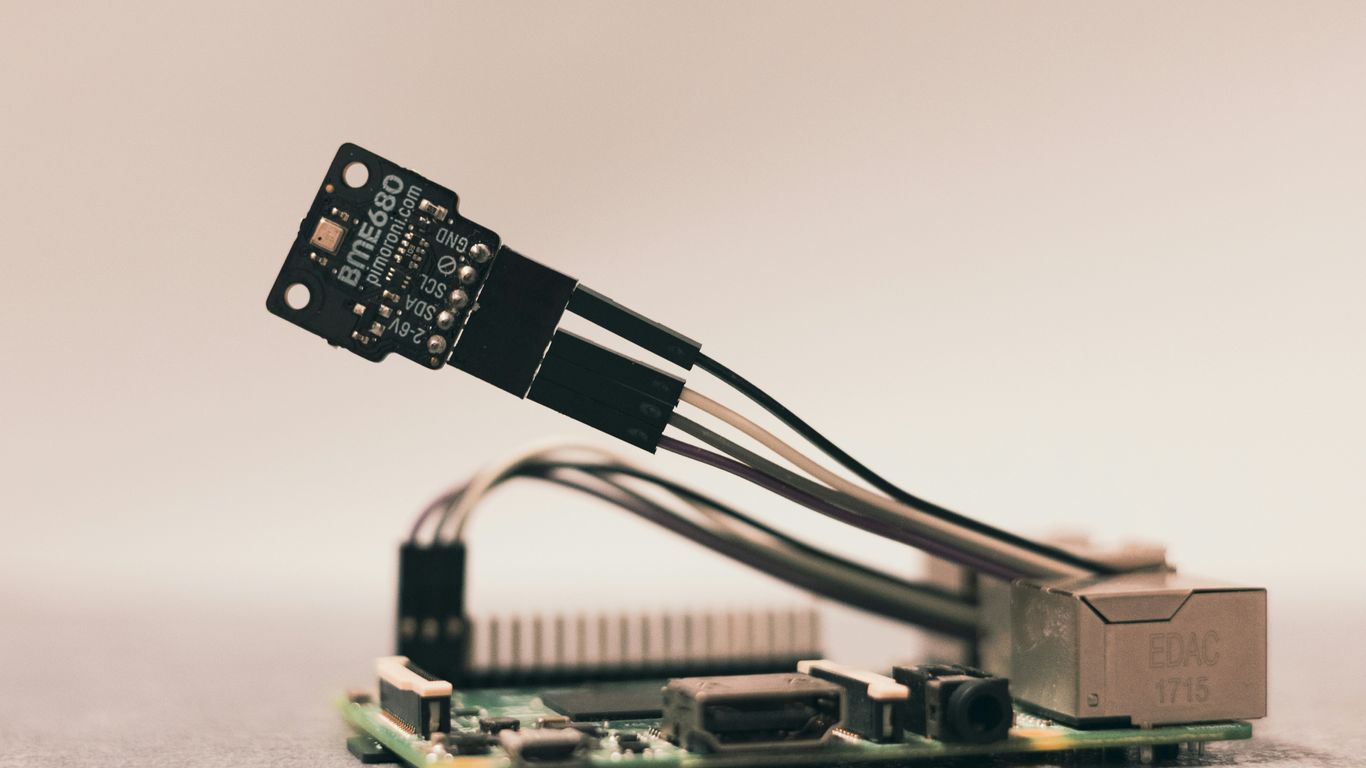
It’s pretty wild how much the Internet of Things (IoT) is changing how businesses operate, right? It’s not just about fancy gadgets anymore; it’s about making things run smoother and smarter. Think about it – all these connected devices are constantly collecting information, and that data can be a goldmine if you know what to do with it.
Unlocking Operational Efficiencies
One of the biggest wins with IoT is how it can automate a lot of the grunt work. Instead of people manually checking on machines or keeping tabs on inventory, sensors can do it automatically. This means fewer mistakes and a lot less wasted time. For example, smart lighting systems can adjust themselves based on how much natural light is available, or a warehouse could have sensors that automatically reorder stock when it gets low. It’s about making sure everything just… works, without constant human babysitting. This frees up people to focus on more important stuff, like talking to customers or coming up with new ideas.
Leveraging Real-Time Analytics
This is where things get really interesting. All those sensors and devices? They’re spitting out data constantly. Businesses can now get a live look at what’s happening. Imagine a retail store knowing exactly when it’s busiest by tracking how many people walk through the door, or a restaurant seeing which dishes are flying out the door in real-time. This kind of immediate insight means businesses can react fast. They can adjust staffing, change promotions, or even tweak their menu based on what’s actually happening, not just what they think is happening. It’s like having a crystal ball for your daily operations.
Optimizing Supply Chains
The journey of a product from start to finish can be pretty complicated. IoT is making that journey a lot less bumpy. Smart tags can track items as they move through warehouses and during shipping. This helps make sure deliveries are on time and reduces the chances of things getting lost or damaged. Plus, sensors can monitor the conditions where products are stored – especially important for things like food or medicine that need specific temperatures. Keeping a close eye on the whole process means less waste, lower costs, and happier customers who get their orders when they expect them. It’s a big deal for keeping things running smoothly from the factory floor all the way to the customer’s doorstep.
Real-World Applications and Lessons Learned
Smart Homes to Industrial Giants
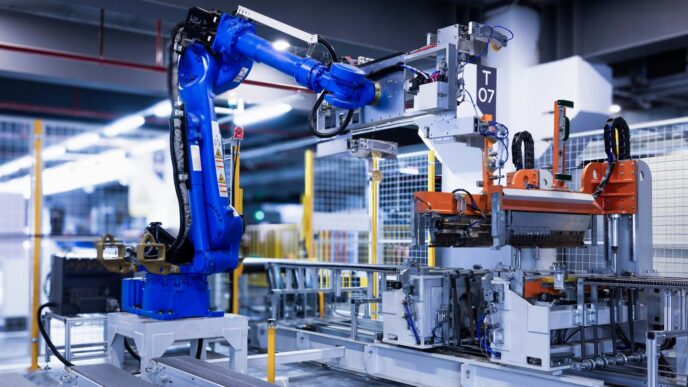
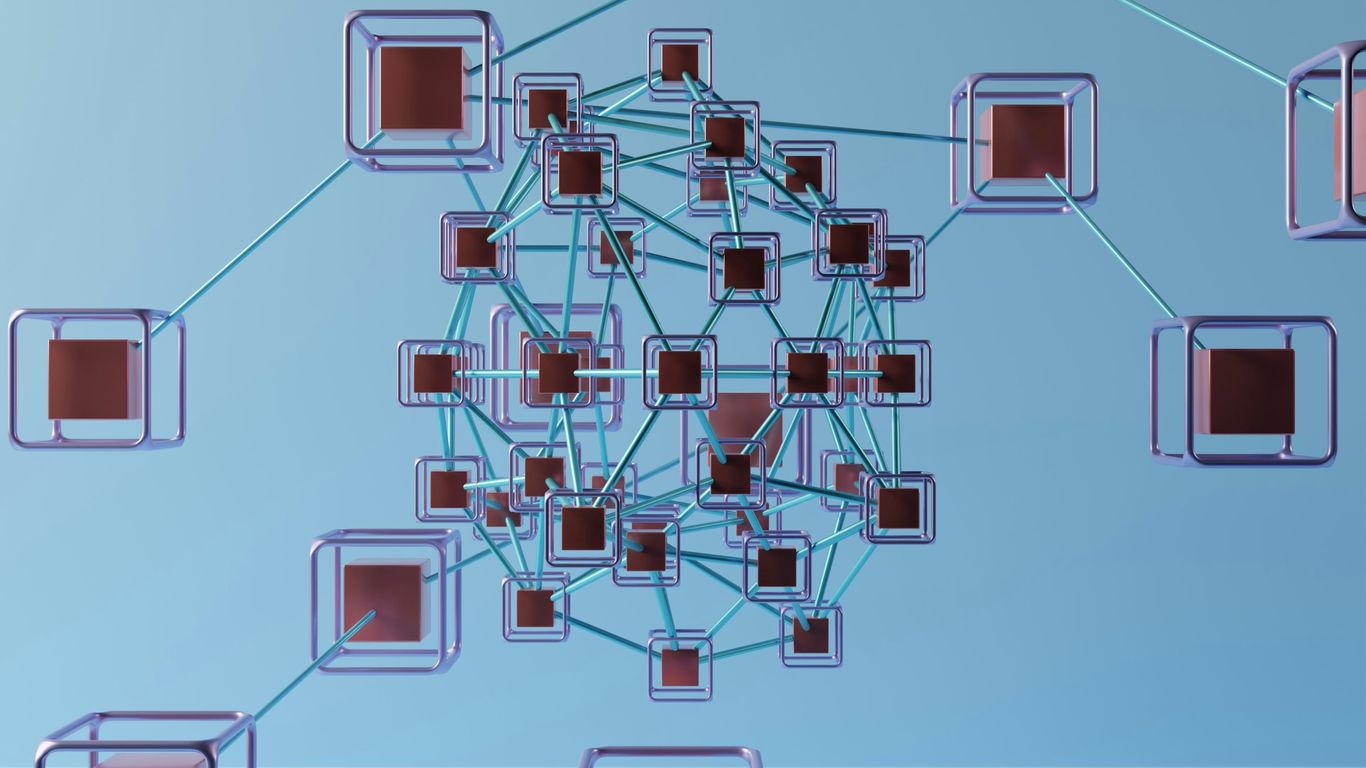
It’s pretty wild how far IoT has come, right? We’ve gone from those early smart thermostats and light bulbs in our homes to massive industrial setups that keep factories humming. Think about it: sensors on a farm monitoring soil moisture, or devices tracking temperature in a global food supply chain to make sure your groceries are safe. Then there are the big players, like manufacturing plants using IoT to keep an eye on machinery, predicting when a part might fail before it actually does. It’s not just about convenience anymore; it’s about making huge operations run smoother and more efficiently. We’re seeing it everywhere, from tracking shipping containers across the ocean to managing energy use in huge office buildings. The sheer variety of applications shows just how adaptable this technology is.
Cautionary Tales from Breaches
But, like with any powerful tool, there’s a flip side. We’ve had some pretty big wake-up calls. Remember that massive Target data breach back in 2013? It wasn’t some super-hacker breaking down the main doors. Nope, they got in through a third-party vendor’s HVAC system, which was connected to the internet. That little oversight ended up compromising millions of customer credit card details. It’s a stark reminder that every connected device, no matter how small, can be a potential entry point. It really hammered home the point that security can’t be an afterthought; it has to be built in from the start, especially when you’re dealing with sensitive data or critical infrastructure.
Enhancing Customer Engagement
On the brighter side, IoT is also changing how businesses interact with us. Imagine walking into a clothing store, and a smart mirror suggests accessories that match what you’re trying on. Or a smart shopping cart that offers you deals on items you’ve already put in it. These personalized touches make shopping more interesting and can really make you feel like a company gets you. It’s not just about selling more stuff; it’s about creating a better experience that makes people want to come back. This kind of direct, personalized interaction is something businesses are really starting to lean into, using IoT to build stronger relationships with their customers.
The Maturation of IoT Infrastructure
From Pilot Projects to Production
Remember when IoT felt like a bunch of cool, but maybe a little risky, experiments? For a long time, companies were hesitant to put their main operations on things like battery-powered sensors or long-range radios. It was all a bit too new, too unproven. But that’s really changed. We’ve moved past the ‘what if’ stage and are now firmly in the ‘what does it do for us today’ phase. The focus is on real results: cutting energy costs, not losing track of assets, reducing waste, and just generally making better use of money.
Lots of early IoT projects stayed in labs or small test areas. Scaling them up was often a headache – expensive and prone to breaking. That’s where platforms have stepped in, growing into solid, enterprise-level systems. We’re now seeing millions of devices working away in real-world settings, not just in demo rooms. These are the sensors in warehouses, on factory floors, in fields, and in buildings where things really can’t afford to go wrong. It’s a clear shift from just trying things out to building actual infrastructure.
Designing for Longevity
One big lesson the IoT world has learned is that flashy new gadgets don’t keep businesses running. A cool sensor or a slick dashboard is nice, but it’s not a business plan. What matters is building systems that can stick around, adapt to new rules, and keep working even as technology changes. The real progress comes when IoT systems are built to evolve.
This means using open standards and making sure systems can connect with different cloud services. It’s about giving companies a framework that can grow with them, not locking them into a single path. This is super important for industries like manufacturing or farming, where equipment might be in use for decades. A sensor network that can’t keep up quickly becomes a problem, not a solution.
A Mature Platform for Demanding Worlds
Low-power IoT isn’t a side project anymore; it’s becoming a core part of how modern industries operate. Platforms are now letting businesses collect data right where it’s needed, at the ‘edge,’ and use it to make smarter decisions about efficiency, safety, and sustainability.
Think about it: companies are dealing with rising energy prices, unpredictable supply chains, and pressure to be more environmentally friendly. Being able to see what’s happening across all their scattered assets is no longer a luxury, it’s a necessity. Low-power IoT provides this visibility without the heavy costs and complexity of older systems. It’s less about the tech itself and more about the reliable, low-cost insights it provides, which is how businesses gain a competitive edge.
Securing the Interconnected Future
As we’ve seen, the Internet of Things (IoT) has woven itself into the fabric of our daily lives and business operations. But with this incredible connectivity comes a big responsibility: security. The sheer number of connected devices means we’re creating a vast attack surface, and we need to be smart about protecting it. It’s not just about keeping our smart thermostats from being hacked; it’s about safeguarding critical infrastructure, sensitive data, and even our personal safety.
The Ubiquity and Risks of Devices
Think about it – from the smart speaker in your living room to the sensors monitoring a factory floor, devices are everywhere. Each one is a potential entry point for bad actors. We’ve moved past the days when IoT security was an afterthought. Now, it’s a primary concern. The risks are real, ranging from data theft and service disruption to more serious physical consequences if industrial control systems are compromised. It’s a complex challenge, and staying ahead requires constant vigilance. Experts are highlighting the need for evolving regulations and the adoption of new standards to help manage this complexity Experts highlight five significant IoT trends for 2026.
Building a Secure Ecosystem
So, what can we do? It’s about building security in from the ground up, not just patching it on later. This means:
- Device Authentication: Making sure only legitimate devices can join the network.
- Data Encryption: Protecting the information that devices send and receive.
- Regular Updates: Keeping device software patched against known vulnerabilities.
- Network Segmentation: Isolating different parts of the network to limit the damage if one area is compromised.
It’s a multi-layered approach, and no single solution is a silver bullet. We need a collective effort from manufacturers, developers, and users to create a more robust environment.
The Role of AI and Machine Learning
This is where things get really interesting. Artificial Intelligence (AI) and Machine Learning (ML) are becoming indispensable tools in the fight for IoT security. These technologies can analyze massive amounts of data from connected devices in real-time, spotting unusual patterns that might indicate a threat. Think of it like having a super-smart security guard who can detect suspicious activity long before a human would notice. AI and ML can help with:
- Anomaly Detection: Identifying deviations from normal behavior.
- Predictive Analysis: Forecasting potential threats based on historical data.
- Automated Responses: Triggering immediate actions, like isolating a compromised device, to stop an attack in its tracks.
By continuously learning and adapting, AI and ML offer a dynamic defense against the ever-evolving landscape of cyber threats in our interconnected world.
Looking Ahead: The Ever-Expanding IoT Universe
So, we’ve seen how the Internet of Things went from a simple idea, like a smart vending machine, to this massive network connecting billions of things. It’s pretty wild when you think about it. For businesses, especially the smaller ones, this isn’t just some tech fad; it’s a real chance to work smarter, understand what’s happening in real-time, and connect with customers in new ways. But, yeah, it’s not all smooth sailing. We’ve got to keep an eye on security and privacy as more and more devices come online. The future looks bright with IoT, but we need to be smart about it, ready for whatever comes next, and always thinking about how to use this tech responsibly.
Frequently Asked Questions
What exactly is the Internet of Things (IoT)?
Think of the Internet of Things, or IoT, as a big network where everyday objects can connect to the internet. It’s like giving things like your fridge, your car, or even factory machines a way to talk to each other and share information, making them ‘smart’.
When did the idea of IoT first start?
The first real hint of IoT was way back in 1982 with a special Coke machine at a university that could tell people if there were drinks inside and how cold they were. But the actual term ‘IoT’ was created much later, in 1999.
Are there more IoT devices than people now?
Yes! Around 2013, the number of connected IoT devices grew so much that it actually passed the total number of people on Earth. And the number keeps going up really fast!
How does IoT help businesses?
IoT helps businesses work better and smarter. It can help them save money by making things more efficient, understand what’s happening right now with their products or services, and make sure their deliveries get where they need to go smoothly.
What are some real-life examples of IoT?
You see IoT everywhere! In homes, it’s smart thermostats and lights. In cities, it’s smart traffic lights. In factories, it’s machines that can tell you when they need fixing before they break. Even cars are becoming ‘smart’ and connected.
Is it safe to have so many connected devices?
That’s a big question! While IoT offers amazing benefits, it also creates risks. Hackers can sometimes find ways into these connected devices, which is why it’s super important to make sure these devices are protected with strong security, like using special passwords and keeping software updated.