
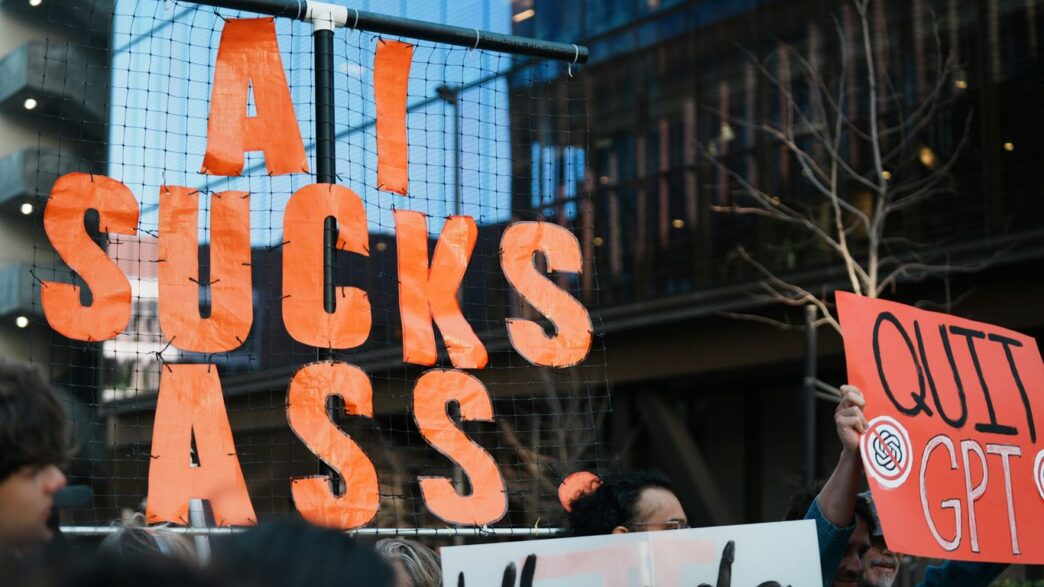
Artificial intelligence is moving at a speed that’s hard to keep up with. It feels like every week there’s something new and impressive, or maybe a little scary, being announced. This rapid change means we can’t just sit back and hope for the best. We really need to think about why AI should be regulated, and why it needs to happen now, before things get too far ahead of us. It’s about making sure this powerful tool helps us, rather than causing problems we can’t fix later.
Key Takeaways
- AI is developing way faster than laws can be made, so rules need to be flexible and keep up.
- Safety is important for AI to grow well. Think about how crypto had problems when it wasn’t watched closely.
- We need to make sure big companies don’t control everything and that new ideas can still get a chance.
- AI can create unfairness and hurt people’s rights, especially those already struggling. We need to protect against this.
- Different countries are handling AI rules differently, and we need to figure out how to work together while still being safe.
The Unprecedented Pace Of AI Development Demands Immediate Regulation
Look, AI isn’t like the internet or even smartphones. Those things took years, sometimes decades, to really become part of everyday life. We’re talking about AI going from a neat trick to something that can write code, create realistic videos, and mimic voices in just a couple of years. ChatGPT hit 100 million users in two months – that’s faster than anything we’ve seen before. It’s like trying to build a bridge while a flood is already halfway up the supports. The speed is just mind-boggling.
AI’s Rapid Evolution Outpaces Legislative Cycles
Our laws and how we make them just aren’t built for this kind of speed. Congress last updated major tech rules back in 1996. Think about that. Most people were still on dial-up internet then. We’ve had social media, smartphones, and now AI explode since then, but the laws? They’re practically ancient history. Trying to regulate AI with rules from the last century is like trying to catch a bullet train with a horse and buggy. We need rules that can actually keep up, or at least be changed without taking another 30 years. This means we can’t just write down super-specific technical rules that will be outdated before the ink dries. We need a more flexible approach.
Lessons from Past Technological Adoptions
Remember cryptocurrency? It was a wild west for a long time, and then FTX imploded. That whole mess left a really bad taste in people’s mouths and probably slowed down how quickly people were willing to accept or use that technology. We don’t want something similar to happen with AI. A big, public failure because we didn’t have basic safety nets in place could scare everyone off, or worse, lead to a massive, over-the-top reaction from lawmakers that stifles all the good AI can do. We need to make sure AI is safe so it can grow properly, not crash and burn.
The Need for Flexible and Adaptive Frameworks
So, what does this mean for regulation? It means we can’t just set it and forget it. We need systems that can adjust as AI gets smarter and does new things. Think about how we regulate medicines or airplanes. There are expert agencies that can adapt rules as needed. We probably need something similar for AI. It’s not about stopping progress; it’s about making sure progress happens in a way that’s safe and benefits everyone, not just a few big companies. We need rules that are smart enough to handle the future, not just today’s problems.
Ensuring Safety and Trust in AI Innovation
Look, nobody wants to see another FTX situation, right? That whole crypto mess, with its lack of rules, ended up being a disaster for a lot of people and probably scared off a bunch of folks who might have otherwise been interested in the tech. We really don’t want AI to go down the same road. A big, public failure in AI could seriously slow down its progress and lead to over-the-top rules that stifle everything. We need AI to be safe from the get-go if we want it to grow and be useful in the long run.
Think about it like this:
- Safety First, Always: We need to make sure AI systems are built with safety as a top priority, not an afterthought. This means testing them thoroughly and having clear guidelines before they’re widely used.
- Learning from Mistakes: The crypto world showed us what happens when you let things run wild without any oversight. We saw huge collapses and a lot of distrust. AI is way more powerful, so the stakes are even higher.
- Building Public Confidence: If AI systems start failing in big, visible ways – like causing major accidents or widespread data breaches – people will lose faith. This could make it really hard for even the most helpful AI applications to get adopted.
We need to get this right. It’s not just about preventing bad things from happening; it’s about building a foundation of trust so that AI can actually help us move forward.
Balancing Competition and Control in the AI Ecosystem
It feels like every week there’s a new AI tool that can do something pretty wild, right? We’ve got these massive companies pouring billions into developing the most advanced AI models. That’s great for pushing the boundaries, but it also means only the really big players can afford to be at the cutting edge. This is starting to look a lot like other tech areas where a few giants end up controlling everything.
Addressing the Dominance of Large AI Companies
So, the big AI labs are getting bigger and more powerful. They’re building these huge, complex AI models that require massive amounts of computing power and data. This naturally favors companies with deep pockets, like Google, Microsoft, and OpenAI. It’s getting harder for smaller outfits or academic researchers to keep up. Some of these big companies are even calling for regulation, which sounds good, but you have to wonder if it’s partly to make it even harder for new competitors to enter the market. It’s a tricky situation because we don’t want to stifle innovation, but we also don’t want a situation where only a handful of companies dictate the future of AI.
Avoiding Regulatory Barriers That Stifle New Entrants
When we think about rules for AI, we really need to be careful not to create a system that crushes startups. Imagine a new company with a brilliant idea for an AI application. If the regulations are too complex or expensive to comply with, that great idea might never see the light of day. We saw something similar happen with early social media, where a few big platforms grew unchecked, and it took a long time for new ideas to gain traction. We need rules that are clear and manageable, so that innovation can still happen from anywhere, not just from the established tech giants.
The Role of Government in Leveling the Playing Field
This is where the government can step in. Instead of just setting rules, they can actively help create a more even playing field. Think about things like making sure researchers and smaller companies have access to the data and computing resources they need. The government could fund initiatives that provide these resources, sort of like a shared infrastructure for AI development. This would allow more people to experiment and build new things, rather than just letting the biggest companies have all the advantages. It’s about making sure the AI revolution benefits everyone, not just a select few.
Addressing AI’s Impact on Human Rights and Equity
Look, AI is cool and all, but we can’t just ignore the messy bits, right? It’s already messing with people’s lives in ways we’re only starting to grasp. Think about it: AI systems are trained on huge piles of data, and guess what? That data often reflects all the unfairness and biases already out there in the world. So, when AI makes decisions, it can end up making things even worse for folks who are already struggling.
Mitigating Bias and Discrimination in AI Systems
This is a big one. We’ve seen AI used in everything from trying to predict crime to deciding who gets healthcare. But if the data used to train these systems is skewed, the AI will be too. For example, facial recognition tech has a documented history of not working as well on darker skin tones, leading to wrongful accusations. Or consider AI used in hiring; if it’s trained on past hiring data where certain groups were overlooked, it’ll just keep overlooking them. We need to actively build AI systems that are fair from the start, not just hope they turn out okay. This means carefully checking the data we feed them and building in ways to catch and fix bias before it causes real harm. It’s not enough to just say AI is objective; we have to prove it.
Protecting Marginalized Communities from AI Harms
It’s often the most vulnerable folks who bear the brunt of AI gone wrong. We’re talking about AI used to monitor migrants, or algorithms that flag people for fraud and end up causing financial ruin, disproportionately affecting minority groups. These aren’t just abstract problems; they have serious consequences. We need to make sure that as AI develops, it doesn’t become another tool for oppression. This requires listening to the people who are most likely to be harmed and making sure their voices are heard in the development and regulation process. It’s about safeguarding human rights in this new digital age.
Ensuring Accountability for AI-Inflicted Rights Violations
When AI causes harm, who’s responsible? That’s a question we’re still figuring out. Right now, it’s too easy for companies to point fingers or hide behind complex code. We need clear rules that make it obvious who is accountable when AI systems violate people’s rights. This means:
- Establishing clear legal responsibility: Companies developing and deploying AI must be held liable for the harms their systems cause.
- Creating accessible complaint mechanisms: People need a straightforward way to report AI-related harms and seek redress.
- Implementing robust auditing and oversight: Independent bodies should regularly check AI systems for bias and potential rights violations.
Without these steps, we risk a future where AI benefits a few while leaving many others behind, facing unfairness with no way to get justice.
Navigating Global Divergences in AI Governance
It’s pretty wild how different countries are approaching AI rules, right? Like, you’ve got Europe pushing for a whole rulebook, the EU AI Act, that’s all about protecting people’s rights. Then there’s China, which seems to see regulation more as a way to speed things up and keep control. And the US? Well, it’s been a bit of a mixed bag, with some pushing for less government interference and others wanting more oversight. This patchwork of approaches makes it tough to figure out what’s what on a global scale.
Understanding Different National Approaches to AI Regulation
So, Europe’s big move with the EU AI Act is a prime example. They’re trying to categorize AI by risk, with stricter rules for things deemed high-risk, like in hiring or law enforcement. It’s a pretty detailed plan, but some folks worry it might slow down innovation. Meanwhile, China has been rolling out its own rules, often focusing on content control and national security. They’ve got specific regulations for things like recommendation algorithms and generative AI. The US, on the other hand, has tended to favor a more sector-specific approach, with different agencies handling different aspects of AI. There’s also been a push for voluntary frameworks and industry self-regulation, though that’s been debated a lot.
The Challenge of Harmonizing International Standards
Trying to get everyone on the same page is a huge hurdle. Imagine trying to sell an AI product globally when each country has its own set of rules. It’s a logistical nightmare and can really stifle smaller companies that don’t have the resources to navigate all these different legal landscapes. We need some way to make these rules work together, or at least be compatible, so that innovation can actually happen across borders. It’s not just about avoiding trade wars; it’s about making sure AI benefits everyone, not just a few big players in specific regions. Public-private partnerships are popping up, trying to bridge these gaps, but it’s slow going.
Securing Global Leadership While Protecting Against Risks
Every country wants to be a leader in AI, but that doesn’t mean they all agree on how to get there safely. The US, for instance, is trying to balance its desire to lead with concerns about potential harms. They’ve got companies like OpenAI releasing impressive tech, but that also raises questions about what guardrails are needed. It’s a tricky tightrope walk. We’ve seen international forums like the G7 trying to get leaders talking about shared principles, and groups like the Global Partnership on AI (GPAI) expanding to include more countries. The goal is to find common ground, but the differences in national priorities are pretty stark. It’s a constant negotiation between pushing forward with new tech and making sure we don’t create bigger problems down the line.
The Critical Role of Binding Regulations and Accountability

Look, principles and guidelines are fine and dandy, but when it comes to something as powerful as AI, we need more than just suggestions. We need actual rules that everyone has to follow. Right now, a lot of the talk is about "responsible AI," but that’s not enough. We need these rules written into law, like actual statutes, so there are real consequences if companies don’t play by the book. Think about it like traffic laws. We have speed limits and stop signs not just because they’re good ideas, but because they’re legally binding. Without them, chaos. AI is no different, maybe even more important.
Moving Beyond Principles to Statutory Footing
We’ve seen this before with other tech. Companies often say they’ll self-regulate, but history shows that doesn’t always work out. Remember the early days of social media? Lots of promises, but plenty of problems popped up. For AI, we can’t afford to wait for things to go wrong. We need laws that clearly state what’s allowed and what’s not, especially when it comes to things that could really hurt people. This means taking those good intentions and putting them into actual legal documents that have teeth.
Implementing Robust Accountability Mechanisms
So, who’s responsible when an AI system messes up? That’s a huge question. We need clear ways to figure out who is to blame – is it the company that built the AI, the one that deployed it, or someone else? It can’t just be a technical check-up; there needs to be a system for holding people and companies accountable. This could involve:
- Independent audits of AI systems before and after deployment.
- Mandatory reporting of AI-related incidents and harms.
- Clear lines of responsibility for AI development and deployment teams.
Empowering Victims to Seek Justice for AI Harms
What happens to the people who are actually harmed by AI? Right now, it’s often really hard for them to get any kind of justice. If an AI system discriminates against someone, or causes an accident, or violates their privacy, they need a way to fight back. This means creating legal pathways so that individuals can sue for damages and hold the responsible parties liable. It’s not just about preventing future harm; it’s about making things right for those who have already suffered. We need to learn from past tech failures and make sure that victims of AI harms aren’t left out in the cold.
The Road Ahead: Acting Now for a Safer AI Future
Look, AI isn’t going anywhere. It’s already changing how we live and work, and it’s only going to get more powerful. We’ve talked about the risks – bias, job losses, even bigger societal problems. Ignoring them isn’t an option. We saw with social media how letting things run wild can cause real trouble. It’s not about stopping progress, but about making sure this amazing technology helps us, not hurts us. We need rules, and we need them soon. It won’t be perfect, and it’ll need to change as AI changes, but doing nothing is the riskiest move of all. Let’s get this done.
Frequently Asked Questions
Why do we need to think about AI rules right now?
AI is growing super fast, much faster than laws can be made. Think about how quickly smartphones became popular. AI is doing that even faster. We need rules now to make sure AI is used safely and fairly before it causes big problems that are hard to fix later.
What happens if AI isn’t regulated?
If AI isn’t controlled, there’s a risk of big mistakes or unfairness. Imagine if a new technology like social media or crypto had major problems because no one set the rules. This could make people afraid of AI and stop good things from happening, or it could lead to really strict rules later that block progress.
Are big tech companies good at regulating themselves?
Some big AI companies are asking for rules, but it’s smart to be careful. They might want rules that make it harder for smaller companies to compete. We need rules that help everyone, not just the biggest players, and make sure new ideas can still grow.
How can AI be unfair?
AI learns from the information it’s given. If that information has unfairness or bias in it, like stereotypes about certain groups of people, the AI can learn those biases. This could lead to AI making unfair decisions about things like jobs, loans, or even who gets healthcare.
Do different countries have different ideas about AI rules?
Yes, they do. Some countries, like those in Europe, are focusing on protecting people’s rights and making sure AI is safe. Other countries might be more focused on being the leader in AI technology. Finding a way for countries to agree on some basic rules is tricky but important.
What does ‘binding regulation’ mean for AI?
It means rules that companies and people have to follow by law, not just suggestions. If AI causes harm, binding rules help make sure there are ways for people to get help and for those responsible to be held accountable. It’s about making sure AI serves people, not the other way around.