So, vertical farming. It’s this idea of growing food upwards, like stacking shelves of plants, usually inside. Think warehouses or even shipping containers. It’s getting a lot of buzz because, well, we need new ways to grow food, especially with cities getting bigger and land getting scarcer. This whole approach uses fancy tech to control things like light and water, aiming to grow more food with less stuff. It’s a big part of the conversation about the vertical farming future and how we’ll eat down the road.
Key Takeaways
- Vertical farming uses stacked layers to grow crops indoors, making the most of limited space, which is a big deal for cities.
- It relies on technologies like hydroponics and aeroponics, ditching soil and using way less water than old-school farming.
- Advanced lighting and automation, including AI, are making these farms more efficient and productive.
- The focus is on sustainability, cutting down on pesticides, land use, and food travel distances.
- The vertical farming future looks promising for producing higher quality food year-round and fitting into broader eco-friendly systems.
The Evolving Landscape Of Vertical Farming
Defining Vertical Farming’s Core Principles
So, what exactly is vertical farming? At its heart, it’s about growing plants in stacked layers, often indoors. Think of it as agriculture turned on its side, or rather, stacked up. This approach moves away from traditional fields and embraces controlled environments. The main idea is to grow more food in less space, using technology to make it happen. This isn’t just about stacking pots; it involves sophisticated systems that manage everything from light and water to nutrients and temperature. It’s a way to grow crops year-round, regardless of the weather outside, and it’s becoming a really interesting option for food production.
The Rise of Urban Agriculture Integration
Vertical farming is popping up in cities more and more. Why? Because cities are where most people live, and getting fresh food to them can be a challenge. By setting up farms right in urban areas, we can cut down on how far food has to travel. This means fresher produce for consumers and less pollution from trucks and planes. It’s a big shift from the old model where farms were always out in the countryside. We’re seeing old warehouses get a new life as farms, and even shipping containers are being turned into mini-farms. This integration helps make cities more self-sufficient when it comes to food.
Addressing Global Food Security Challenges
Let’s face it, the world’s population is growing, and traditional farming methods are struggling to keep up. Climate change isn’t helping either, with unpredictable weather patterns affecting harvests. Vertical farming offers a potential solution. It allows us to grow food consistently, even in places with limited land or water. By using resources more efficiently and producing crops locally, it can help make sure everyone has access to nutritious food. It’s not a magic bullet, but it’s a significant piece of the puzzle for feeding a growing planet.
Innovations Driving The Vertical Farming Future
So, what’s actually making vertical farming work? It’s not just stacking plants really high; there are some pretty neat technologies at play. These innovations are what let us grow food in places and ways we never could before.
Hydroponics, Aeroponics, and Soilless Cultivation
Forget dirt. Most vertical farms don’t use soil at all. Instead, they rely on methods like hydroponics and aeroponics. Hydroponics means growing plants in nutrient-rich water. The roots just hang out in the water, getting everything they need. It’s super efficient with water, using way less than traditional farming. Aeroponics is even more out there – the plant roots are misted with a nutrient solution while they’re suspended in the air. This can lead to really fast growth.
Here’s a quick look at how they stack up:
| Method | Growing Medium | Water Use (vs. Traditional) | Key Benefit |
|---|---|---|---|
| Hydroponics | Nutrient Water | Up to 90% Less | Efficient water and nutrient delivery |
| Aeroponics | Air/Mist | Up to 98% Less | Rapid growth, minimal resource use |
| Aquaponics | Water + Fish | Significantly Less | Closed-loop system, natural fertilization |
The Role of Advanced Lighting Technologies
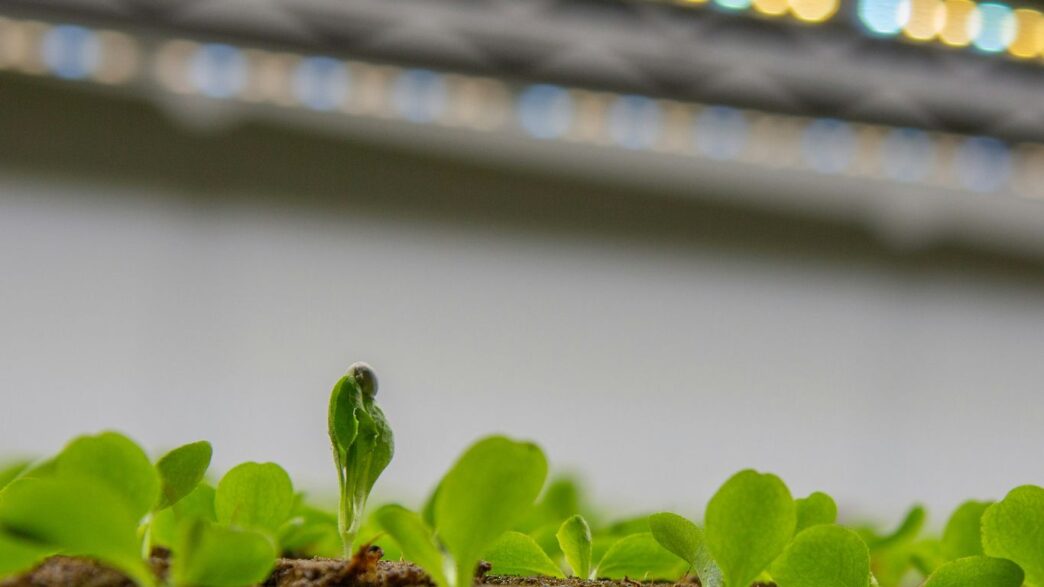
Since these farms are often indoors, they need their own light source. This is where LED lighting comes in. LEDs are a game-changer because they use a lot less energy than older lights, and you can actually control the specific colors and intensity of light. This means you can give plants exactly what they need to grow, when they need it. Think of it like giving your plants a custom diet, but with light.
- Energy Efficiency: LEDs use a fraction of the power compared to older lighting systems.
- Customizable Spectrum: Farmers can fine-tune light wavelengths to boost growth, flavor, or nutrient content.
- Reduced Heat Output: Less heat means less energy spent on cooling the growing environment.
Automation and Artificial Intelligence in Farming
This is where things get really futuristic. Vertical farms are increasingly using robots and AI to manage operations. Think automated systems that plant seeds, monitor plant health, adjust nutrient levels, and even harvest crops. AI can analyze huge amounts of data from sensors – like temperature, humidity, and light levels – to predict issues before they happen and optimize growing conditions 24/7. This level of control and automation is what allows vertical farms to produce consistent, high-quality crops year-round, regardless of external weather. It takes a lot of the guesswork out of farming and makes the whole process much more predictable and efficient.
Architectural And Structural Advancements
When we talk about vertical farming, we’re not just talking about growing plants indoors. We’re talking about a whole new way of building and designing spaces for agriculture. It’s all about making the most of what we have, especially in crowded cities. Think about it: instead of spreading out across acres of land, we’re stacking crops up, using every bit of vertical space.
Warehouse-Based Vertical Farm Designs
One of the most common ways to get started with vertical farming is by taking old, empty warehouses and turning them into growing facilities. It makes a lot of sense, right? You’re reusing existing buildings, which saves on construction costs and is often closer to where people live, cutting down on transport. These places get kitted out with multiple levels, each one a mini-farm with its own lights and watering systems. It’s a practical approach that’s already happening in many places.
Modular Shipping Container Farms
Then you have the shipping container farms. These are pretty neat because they’re like self-contained farming units. You can put them pretty much anywhere – in a city, on the outskirts, or even in remote areas. They’re designed to be plugged in and go, with all the tech needed for growing crops inside. This modularity means you can scale up easily by just adding more containers. It’s a flexible option for localized food production.
Conceptual Skyscraper Farm Models
Looking further ahead, there are some really ambitious ideas, like farms built right into skyscrapers. The concept is to have these massive buildings that not only house people or offices but also grow food. While these are mostly still ideas because they’re super expensive to build, they represent a vision for truly integrated urban agriculture. Imagine looking out your window and seeing a farm growing food for your city.
Here’s a quick look at the different types of structures:
- Warehouse Conversions: Utilizing existing industrial buildings.
- Shipping Containers: Modular, mobile, and scalable units.
- Skyscraper Farms: Futuristic, integrated high-rise agricultural spaces.
- Green Walls: Exterior or interior vertical gardens on buildings, often for herbs or smaller produce.
Sustainability And Resource Efficiency
Vertical farming really shines when we talk about being kind to the planet. It’s not just about growing food indoors; it’s about doing it smarter.
Maximizing Land Use Efficiency
Think about it: instead of spreading farms out across acres of land, vertical farms grow upwards. This means you can produce a whole lot more food in a tiny footprint. It’s a game-changer, especially for cities where land is super expensive and hard to come by. We’re talking about stacking crops, not spreading them out. This approach can yield significantly more food per square foot compared to traditional methods. It’s a smart way to use space we already have, rather than clearing more forests or farmland.
Revolutionizing Water Conservation Techniques
Water is a big deal, right? Vertical farms are pretty amazing at saving it. Systems like hydroponics and aeroponics recirculate water, meaning plants get exactly what they need without a lot of waste. Some studies show these methods can use up to 95% less water than conventional farming. Imagine that! Instead of water just running off or evaporating, it’s captured and reused. This is huge for areas facing water shortages.
Here’s a quick look at how water usage compares:
| Farming Method | Water Usage (per kg of produce) |
|---|---|
| Conventional Agriculture | ~250 liters |
| Vertical Farming | ~10-20 liters |
Minimizing Pesticide Use and Environmental Impact
Because vertical farms are controlled environments, they’re naturally protected from many pests and diseases that plague outdoor crops. This means farmers can drastically cut down on or even eliminate the need for chemical pesticides. Less pesticide use is better for our health and better for the environment. Plus, by locating farms closer to where people live, we cut down on transportation emissions. It’s a win-win for everyone involved.
The Future Trajectory Of Vertical Farming
So, where is all this vertical farming headed? It’s not just about growing lettuce in a warehouse anymore. We’re seeing some pretty big shifts happening.
Expanding Crop Varieties Through Genetics
Right now, a lot of vertical farms focus on leafy greens and herbs. That’s because they grow fast and don’t need a ton of space. But that’s changing. Scientists are working on tweaking the genetics of other crops – think tomatoes, strawberries, even root vegetables – so they can thrive in these controlled environments. This means we could eventually see a much wider range of produce grown vertically, making it a more complete food solution. It’s like giving these plants a special upgrade to fit their new home.
Integration into Circular Economy Models
This is a big one for sustainability. Instead of just growing food and then dealing with waste, vertical farms are starting to become part of a bigger loop. Imagine a farm that uses waste heat from a nearby building, or composts its plant scraps to create energy. Some systems are even looking at using treated wastewater. It’s all about making sure that what goes in is used efficiently, and what comes out doesn’t just end up in a landfill. It’s a smart way to reduce the overall footprint.
Government Support and Policy Initiatives
Governments are starting to notice that vertical farming isn’t just a niche idea; it’s a real way to tackle food security and climate challenges. We’re seeing more policies being put in place to help these farms get started and grow. This could mean grants for new technology, zoning laws that make it easier to build farms in cities, or even incentives for using renewable energy. Basically, they’re realizing that supporting vertical farming is a good investment for the future of food.
Enhancing Produce Quality And Value
It’s not just about growing more food, faster. Vertical farming is also changing what that food is like when it gets to your plate. Think about it: when you grow something indoors, in a super controlled way, you can really dial in the conditions to make it taste better, last longer, and even pack more nutrients. This level of control is a game-changer for produce quality.
Improving Taste, Shelf Life, and Nutrition
Ever bite into a tomato that just doesn’t have that full flavor? Or find your lettuce wilting just a day after buying it? Vertical farms are tackling these issues head-on. By precisely managing things like light spectrum, CO2 levels, and nutrient mixes, growers can influence the very compounds that give produce its flavor, aroma, and texture. For example, tweaking the light can boost the production of certain sugars or antioxidants. This means you could get berries that are sweeter or leafy greens with a richer, more complex taste. Plus, because these farms are often located right in or near cities, the produce gets from the farm to your fork much faster. Less travel time means less spoilage and a fresher product. It’s a win-win for both the consumer and the farmer.
Here’s a look at how different factors can be adjusted:
- Light Spectrum: Specific wavelengths can encourage the development of certain flavors and nutrients. For instance, adding a bit of far-red light can sometimes lead to sweeter fruits.
- Nutrient Solutions: The exact mix of minerals and vitamins fed to the plants can be fine-tuned. This isn’t just about keeping plants alive; it’s about optimizing them for taste and health benefits, like increasing vitamin C or iron content.
- Environmental Controls: Temperature, humidity, and CO2 levels all play a role. Getting these just right can prevent stress on the plant, which often translates to better flavor and a longer shelf life.
Reducing Food Miles and Waste
One of the biggest perks of vertical farming, especially when it’s set up in urban areas, is cutting down on how far food has to travel. Instead of produce coming from hundreds or even thousands of miles away, it can be grown just a few blocks from where you buy it. This drastically cuts down on transportation emissions – those trucks and planes burning fuel. It also means less chance of damage during transit and a shorter window for spoilage. When food doesn’t have to travel as far, less of it gets thrown away before it even reaches the store. This is a huge deal when you consider how much food is wasted globally each year. Imagine getting your salad greens from a farm in the same city, or even the same building, you live in. That’s the kind of local food system vertical farming helps build.
Ensuring Food Safety and Security
Growing food indoors in a controlled environment offers a significant advantage when it comes to safety. Because these farms are typically sealed systems, they are protected from many of the external threats that affect traditional agriculture. We’re talking about things like soil-borne diseases, pests that can contaminate crops, and even unpredictable weather events that can damage harvests. Vertical farms can operate without the need for most pesticides, as the environment is managed to prevent pest infestations in the first place. This means produce is cleaner and safer for consumers. Furthermore, by enabling year-round production regardless of external conditions, vertical farming adds a layer of resilience to our food supply. It helps make sure that even when traditional farming faces challenges due to drought, floods, or other climate-related issues, there’s still a reliable source of fresh food available, contributing to overall food security.
The Road Ahead for Vertical Farming
So, where does all this leave us? Vertical farming isn’t just a fancy tech trend; it’s really starting to look like a practical way to grow food, especially in cities where space is tight. We’ve seen how things like hydroponics and smart lighting can make a big difference in how much we can grow and how little water we use. Plus, with AI and automation getting better all the time, these farms are only going to get more efficient. It’s not going to replace traditional farming entirely – we’ll still need those big fields for things like wheat. But for fresh greens and veggies, right where people live? Vertical farms are definitely a big part of the picture for a more sustainable food future.
Frequently Asked Questions
What exactly is vertical farming?
Imagine growing plants not just on the ground, but in stacks, one layer on top of another, like floors in a building. That’s vertical farming! It often happens indoors, using special lights and methods like hydroponics (growing in water) or aeroponics (growing with mist) instead of soil. This lets us grow a lot of food in a small space, even in cities.
Why is vertical farming considered good for the environment?
It’s a big help because it uses way less land than regular farms. Plus, it saves a ton of water since the water is recycled. Because it’s indoors and controlled, we don’t need to use harmful pesticides that can hurt the environment. It also means food travels shorter distances, cutting down on pollution from trucks.
What kinds of food can you grow in a vertical farm?
Right now, leafy greens like lettuce and spinach, herbs like basil and mint, and some small fruits like strawberries are popular. Scientists are also working on growing more types of vegetables and even some grains in these farms by using special seeds and techniques.
Does vertical farming use a lot of energy?
It can use energy, especially for the special lights. But, farmers are getting smarter about it! They’re using more energy-efficient LED lights and trying to power farms with clean energy like solar or wind. The goal is to make it as energy-smart as possible.
Can vertical farms feed everyone, or just city folks?
Vertical farms are amazing for feeding people in cities where there isn’t much space for farms. They provide super fresh food right where people live. While they might not grow all the big crops like wheat or corn that need huge fields, they’re a fantastic way to add to our food supply and make sure everyone has access to healthy food.
What’s new and exciting happening in vertical farming?
Lots of cool stuff! Think robots helping out, smart computers controlling everything perfectly, and new ways to grow plants that use even fewer resources. Researchers are also trying to make the plants taste better and have more vitamins. It’s all about making farming smarter, more sustainable, and more productive.