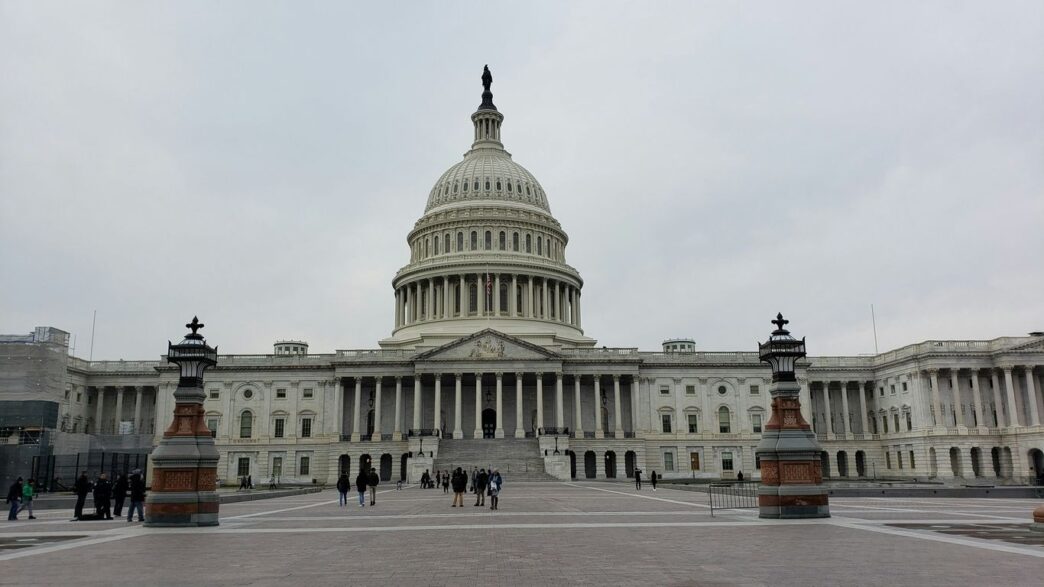
So, the big news this week is that the CEO of TikTok, Shou Zi Chew, had to go in front of Congress. It was a pretty intense session, with lawmakers really digging into a lot of concerns about the app. Think data security, user safety, and, of course, all the worries about China’s influence. Chew was there to defend the platform and make the case for why it shouldn’t be banned. It’s a huge deal for a company with so many users in the US, and it’s all happening in the middle of bigger tech and trade talks between the US and China. #congress
Key Takeaways
- Lawmakers are seriously worried about TikTok’s data security and how American user information is handled, especially given the app’s ties to China.
- Concerns were raised about the safety of users, particularly young people, and how TikTok handles content moderation and addictive algorithms.
- The CEO, Shou Zi Chew, defended TikTok, stating ByteDance is not a Chinese agent and highlighting plans to store US data with Oracle to address security fears.
- There were specific allegations, including ByteDance admitting to spying on journalists and concerns about censorship of content unfavorable to Beijing.
- Lawmakers from both parties showed a united front, demanding more transparency and discussing potential legislative actions, including the possibility of a ban.
TikTok CEO Faces Congressional Scrutiny
This past Thursday marked a significant moment as TikTok CEO Shou Zi Chew appeared before a U.S. Congressional committee, facing a barrage of tough questions. It was a rare public outing for the head of the massively popular app, and he was there to make his case: why TikTok shouldn’t be banned. With 150 million Americans on the platform, the pressure from U.S. officials has been mounting. TikTok and its parent company, ByteDance, find themselves caught in the middle of a larger tech and trade dispute between Washington and Beijing.
Data Security Concerns Raised by Lawmakers
Lawmakers didn’t hold back, pressing Chew on how the company plans to keep American user data safe from potential access by the Chinese government. The core of the issue revolves around TikTok’s ties to its Chinese parent company, ByteDance. Concerns were voiced about the possibility of data ending up in the wrong hands or being used to push narratives favorable to Beijing. Chew reiterated TikTok’s plan to store U.S. user data on servers managed by Oracle, a U.S. tech giant, as a way to build trust. However, many lawmakers remain skeptical, questioning the effectiveness of these measures.
User Safety and Content Moderation Under Fire
Beyond data security, the hearing also zeroed in on user safety, particularly for younger users, and the app’s content moderation policies. There were pointed questions about how TikTok handles harmful content and whether its algorithms could be contributing to addiction. Past reports surfaced, including one from The Guardian, suggesting that TikTok moderators were once instructed to censor content critical of the Chinese government, such as discussions about Tiananmen Square. While the company claims its practices have changed, lawmakers are demanding concrete proof and greater transparency. The ability of TikTok to moderate content effectively and protect its users, especially children, remains a major point of contention.
CEO’s Defense of TikTok’s Operations
Throughout the hearing, Shou Zi Chew maintained that TikTok prioritizes user safety and denied that the app poses a national security risk. He emphasized that ByteDance is not an agent of China or any other country. Chew argued that concerns about ownership are not the central issue, stating that "Trust is about actions we take." He pointed to efforts to distance the company from its Chinese origins, noting that a majority of ByteDance is owned by global investors. He also highlighted the company’s commitment to protecting U.S. user data through partnerships like the one with Oracle. The CEO’s defense aimed to reassure lawmakers that TikTok is a responsible platform, but the skepticism from many in the room was palpable, especially after a dramatic moment where a violent video targeting committee members was shown. The company did remove that video and banned the account responsible, but the incident underscored the security concerns.
National Security and Data Privacy Debates
Allegations of Chinese Government Influence
Lawmakers really hammered home concerns about TikTok’s ties to China. The big worry is that the Chinese government could force ByteDance, TikTok’s parent company, to hand over data on American users. It’s like, what happens if Beijing says, ‘Give us all the info you have on US users,’ and ByteDance just can’t say no? Some representatives pointed out that Chinese law, like Article 7 and Article 10, makes it pretty clear that companies have to cooperate with intelligence agencies. This has led to a lot of skepticism about TikTok’s claims of independence.
Protection of American User Data
TikTok’s CEO, Shou Chew, has been talking a lot about ‘Project Texas,’ which is supposed to keep American user data on American soil, managed by American companies and people. He’s said that all new US user data is already stored in the country and that they’re working on deleting old data from non-Oracle servers. But some lawmakers aren’t convinced. They brought up reports about tracking pixels from ByteDance showing up on US state websites, even where the app is banned for official use. It makes you wonder if a complete separation is even possible, or if the data is truly safe from outside influence.
TikTok’s Ties to ByteDance
The relationship between TikTok and its parent company, ByteDance, is a major sticking point. While TikTok says it operates independently, the fact that ByteDance also owns other apps like CapCut, which is used for editing videos for TikTok, raises questions. Some officials are worried that these connections could be used to spread pro-China messages or to gather more information than people realize. The core issue is whether TikTok can truly distance itself from Beijing’s influence, especially given China’s national security laws. It’s a complex situation with a lot of moving parts, and many in Congress feel there just isn’t enough proof that American data is fully protected.
Impact on American Users and Children
Lawmakers really zeroed in on how TikTok affects the young people who use it. It’s not just about entertainment; there are serious worries about what all this screen time is doing to kids’ heads. The core concern is that the app’s design might be intentionally hooking users, especially children, leading to unhealthy habits and potential mental health issues.
Concerns Over Addictive Algorithms
One of the biggest talking points was the app’s algorithm. Several representatives shared stories from their constituents, painting a picture of an app that aggressively pushes content. Parents and mental health professionals have reported seeing teenagers spend hours on the platform, absorbing influences that can be negative. Some accounts even mentioned kids picking up concerning behaviors or mental health struggles, like self-harm or gender dysphoria, directly from what they see on TikTok. The argument is that the creators know these algorithms are addictive, and they keep them that way because it keeps users engaged, which is good for business, even if it means kids are suffering more anxiety and depression. It’s a tough accusation, comparing the platform’s practices to those of the tobacco industry in the past, which also profited while downplaying health risks.
Safeguarding Young Users Online
There’s a clear push for stronger protections for minors. Lawmakers pointed out that TikTok has faced penalties before for privacy issues concerning children. They questioned whether the company is doing enough to keep young users safe from harmful content, like sexually explicit videos or drug-related material, which some reports suggest can end up in feeds even for accounts registered as teenagers. The discussion touched on whether TikTok should adopt the same safety standards for U.S. children as it does in other regions, like the UK. While TikTok’s CEO stated they take younger users’ safety seriously, some lawmakers felt the company wasn’t being transparent enough or offering concrete proof of their efforts. There’s a strong sentiment that more needs to be done, and some legislative action is being considered to improve child online safety, with members expressing dissatisfaction with the tech industry’s current efforts [eef9].
TikTok’s Role in Shaping Public Discourse
Beyond individual well-being, there’s also a broader concern about how TikTok influences what young Americans think and talk about. With millions of users, the platform has a significant reach. Lawmakers are worried that the app’s algorithms, designed to keep people scrolling, might be shaping public opinion in ways that aren’t always beneficial or even accurate. This influence, combined with the potential for foreign actors to exploit user data, raises questions about the app’s overall impact on the information landscape for younger generations.
Bipartisan Calls for Accountability
Lawmakers’ Unified Stance on TikTok
It’s pretty clear that folks on both sides of the aisle in Congress are pretty fed up. They’re looking at TikTok and seeing a lot of the same problems, even if they don’t always agree on the exact reasons why. The main worry? That American user data isn’t safe and that the platform could be used for things that aren’t good for us, especially kids. Lawmakers are demanding more than just promises; they want concrete actions to protect users.
Demands for Transparency and Trust
What do lawmakers want? Well, a few things:
- Clearer data handling policies: They want to know exactly where American data goes and who can access it. No more vague answers.
- Independent oversight: Many feel that TikTok’s own assurances aren’t enough. They’re pushing for outside groups to verify security measures.
- Separation from ByteDance: There’s a strong push for TikTok to truly operate independently from its Chinese parent company, ByteDance, to reduce potential influence.
Potential Legislative Actions
Congress is definitely talking about what to do next. Some of the ideas floating around include:
- Passing a national data privacy law: This is a big one, aiming to give Americans more control over their personal information across all platforms, not just TikTok. It’s seen as a way to address many of the underlying issues. You can see some of the discussions around ensuring the TikTok deal adheres to a law here.
- Stricter regulations on algorithms: Concerns about how addictive the app is and how it targets young users are leading to calls for rules that would make these algorithms more transparent and less harmful.
- Forcing a sale or ban: While a ban is a more extreme option, the possibility is definitely on the table if other measures don’t satisfy lawmakers’ concerns about national security and data protection.
TikTok’s Defense and Future Prospects
CEO’s Reassurance on Data Handling
Shou Chew, TikTok’s CEO, spent a good chunk of his time in front of Congress trying to calm nerves about data security. He stressed that TikTok isn’t some puppet of the Chinese government. He pointed out that ByteDance, the parent company, is actually mostly owned by global investors, not Beijing. Plus, he made it clear that TikTok itself isn’t even available in mainland China. To tackle the worries about American user data, TikTok has been pushing something called Project Texas. This is a big plan, costing around $1.5 billion, to store all U.S. user data on servers right here in America, managed by Oracle. The idea is to create a separate U.S. entity, with U.S. employees, that would handle this data, keeping it away from any foreign influence. Chew insisted this level of transparency and data segregation is something few other companies in the industry are offering.
Efforts to Distance from Chinese Origins
TikTok has been working hard to show it’s not just an extension of its Chinese roots. Chew emphasized that ByteDance is a private company, with a significant portion owned by institutional investors and employees worldwide, not the Chinese government. He also highlighted that TikTok’s headquarters are in places like Los Angeles and Singapore, and they employ thousands of people in the U.S. The app’s availability is also a point: it’s not even an option for users in mainland China. This separation is key to their argument that they can operate independently and protect U.S. user information.
Arguments Against a Potential Ban
Facing the possibility of a ban, TikTok presented its case for why that would be a bad move. Chew argued that banning the app would hurt millions of American users and businesses. He pointed out that nearly 5 million small businesses in the U.S. rely on TikTok to reach customers and grow. He also highlighted the app’s positive impact, like its educational content, noting that STEM videos alone have garnered over 116 billion views. The company believes it’s a platform for creativity and connection, and a ban would disrupt this ecosystem. Furthermore, TikTok has introduced measures to protect younger users, such as default screen time limits for those under 18 and blocking direct messaging for users under 16, framing these as industry-leading safety features.
Specific Allegations and Evidence Presented
Lawmakers didn’t hold back during the hearing, bringing up some pretty serious claims against TikTok and its parent company, ByteDance. It wasn’t just general worries; they pointed to specific instances and reports that painted a concerning picture.
Spying on Journalists Admitted by ByteDance
One of the most talked-about revelations was the admission that ByteDance employees had spied on journalists. This wasn’t just a rumor; it came out that certain employees tried to find out who was leaking information about the company’s internal discussions. Apparently, they used user data to track down the sources of these leaks. This really raised eyebrows because it showed a willingness to go after people who were just trying to report on the company’s activities. It makes you wonder what else might be happening behind the scenes.
Censorship of Content Unfavorable to Beijing
Another major point of contention was the potential for censorship. Lawmakers expressed concern that content critical of the Chinese government or Beijing’s policies could be suppressed on the platform. While TikTok has stated it doesn’t censor content based on political sensitivities, the close ties to China and ByteDance make this a persistent worry. The fear is that the platform could be used to shape narratives or silence dissenting voices, not just in China, but globally, affecting what users see and think.
Violent Video Targeting Committee Members
Perhaps one of the most disturbing allegations was that some members of the committee themselves had their accounts targeted with violent content. This wasn’t just a hypothetical scenario; it was presented as something that actually happened. The implication here is that TikTok’s algorithms, or perhaps even deliberate actions, could be used to intimidate or harass individuals, including public officials. It suggests a level of control and potential misuse of the platform’s reach that goes beyond simple content moderation issues.
What Happens Next?
So, Shou Zi Chew sat through a pretty intense grilling from Congress. He tried his best to explain TikTok’s side, saying they’re all about user safety and that China doesn’t control the app. But lawmakers weren’t totally convinced, bringing up worries about data security and how the Chinese government might get involved. It’s a complicated situation, with millions of Americans using the app but also a lot of questions about national security. Whether this hearing actually changes anything for TikTok remains to be seen, but it definitely put the company under a microscope.
Frequently Asked Questions
Why was the TikTok CEO questioned by Congress?
The CEO of TikTok, Shou Zi Chew, went before a U.S. Congressional committee to answer tough questions. Lawmakers were worried about how TikTok handles American users’ private information, if the app is safe for young people, and if the Chinese government could be using it to spy or influence people in the U.S.
What are the main worries lawmakers have about TikTok?
Congress members are concerned that because TikTok’s parent company, ByteDance, is based in China, the Chinese government might be able to get data from American users. They also worry about the app’s effect on kids, like how its videos might be addictive or show harmful stuff, and if the app could be used for spying or spreading propaganda.
How did the TikTok CEO defend the app?
Mr. Chew told Congress that TikTok cares a lot about keeping young users safe and that the company is working hard to protect American data. He explained plans to store U.S. user data on servers managed by a U.S. company called Oracle and insisted that ByteDance is not controlled by the Chinese government.
What evidence did lawmakers present against TikTok?
Some lawmakers showed videos and brought up past incidents, like when ByteDance admitted employees spied on journalists to find out who leaked information. There were also mentions of past reports suggesting TikTok might have censored content that was critical of China’s government, though TikTok says its rules have changed.
What does TikTok say about its connection to China?
TikTok’s CEO stated clearly that ByteDance is not an agent of China or any other country. He also mentioned that a majority of ByteDance is owned by outside investors and that some board members are American, trying to show it’s not fully controlled by China.
Could TikTok be banned in the U.S.?
There have been serious discussions and calls from some lawmakers to ban TikTok. However, banning a popular app like TikTok would be a big step and it’s not yet clear how the government would do it or what the exact consequences would be.