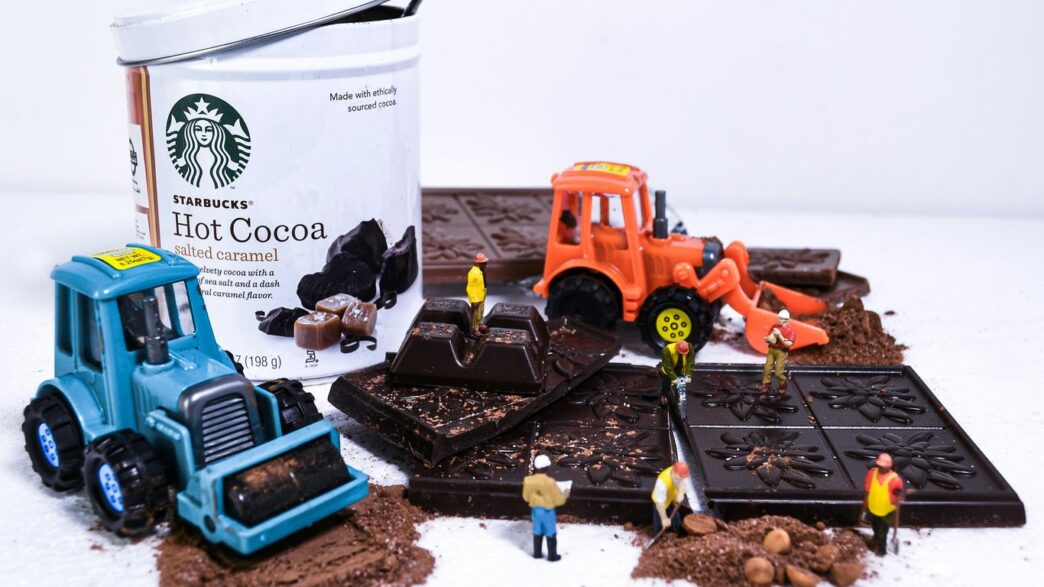
Alright, so 2025 was a wild ride for ads, wasn’t it? It felt like every other day there was something new popping up, trying to grab our attention. Some were super clever, others just plain weird, but a bunch of them really stuck with you. We’re talking about the campaigns that didn’t just sell stuff, but actually became part of the conversation. These are the best advertisements 2025 had to offer, the ones that really made us stop and think, or maybe just laugh.
Key Takeaways
- Brands got real in 2025, focusing on relatable moments and genuine connections rather than just flashy tech. Think ChatGPT showing up in everyday life, not just in sci-fi movies.
- Inclusivity and representation were big themes. Barbie’s Type-1 Diabetes doll and Dove’s stance against AI-generated beauty standards showed brands listening and responding to what matters.
- Experiential marketing made a comeback. Axe turning a bus stop into an arcade game is a prime example of making ads an actual experience.
- Humor and clever wordplay, like Dunkin’s “Shake That Ess” and Coors Light’s “Case of the Mondays,” proved that a good laugh still goes a long way.
- Personalization continued to be a winning strategy, with Spotify Wrapped for Advertisers and Coca-Cola’s “Share a Coke” relaunch showing how data can create meaningful interactions.
1. ChatGPT’s First Brand Campaign
OpenAI really made a splash in 2025 with ChatGPT’s first big brand campaign. Instead of going for that typical, overused sci-fi future vibe, they took a completely different route. The whole point was to show how ChatGPT fits into our normal, everyday lives. Think about it: planning a vacation, figuring out a tricky recipe, or even just getting a little help with work tasks. They showed the AI in these warm, relatable situations, making it feel less like some intimidating tech and more like a helpful tool that’s actually pretty human-friendly.
This campaign was smart because it focused on practical uses rather than abstract concepts. It wasn’t about robots taking over; it was about making life a little easier. They highlighted:
- Trip Planning: Helping users map out itineraries and find hidden gems.
- Culinary Assistance: Offering solutions for cooking challenges and recipe adjustments.
- Workplace Support: Aiding in drafting emails, brainstorming ideas, and summarizing information.
The campaign’s success lay in its ability to demystify AI and position it as an accessible assistant for everyone. It shifted the perception from something complex and distant to something practical and integrated into daily routines.
2. Barbie’s Type-1 Diabetes Doll
This year, Mattel really stepped up with a doll that made a difference. They teamed up with Breakthrough T1D to create Barbie’s very first doll that has Type-1 diabetes. It wasn’t just about making a new toy; it was about showing kids that a condition like diabetes doesn’t stop you from being anything you want to be.
The doll came with some pretty realistic medical gear, like an insulin pump and a continuous glucose monitor. This detail was a big deal for kids who live with diabetes every day. It made the doll relatable and offered a sense of representation that’s often missing.
What made this campaign stand out was how they involved real families who are dealing with diabetes. They didn’t just guess what would be helpful or accurate; they listened. This approach really paid off, earning a lot of praise online for being inclusive and thoughtful. It felt like a genuine effort to connect with a community and show that Barbie can be for everyone, no matter their health challenges. It was a smart move that showed a legacy brand can still lead the way in important conversations.
3. Axe Turns a Bus Stop into an Arcade Game
Forget just putting up a billboard. Axe really went for it in 2025, turning a simple bus stop into a full-blown arcade game. Imagine waiting for your bus and suddenly you’re playing a game right there on the street. It was a pretty wild idea, and honestly, it worked.
This wasn’t just about making people wait for the bus a little more fun, though. It was a smart move to get people talking. Photos and videos of commuters playing the game started popping up all over social media. It created a buzz that went way beyond just the people who were physically there.
Here’s a breakdown of why this stunt was so effective:
- Unexpected Interaction: It took a boring, everyday experience and made it interactive and exciting.
- Social Media Fuel: The visual nature of a giant arcade game at a bus stop was perfect for sharing online.
- Brand Recall: People are more likely to remember a brand that offered them a fun experience, rather than just another ad.
It’s a great example of how brands are thinking outside the box to grab our attention these days. Instead of just showing us ads, they’re creating experiences. This kind of creative billboard advertising really makes you stop and think. It shows that sometimes, the most effective way to get noticed is to make something genuinely fun and shareable, like this Axe bus stop game.
4. State Farm – Trainer
State Farm really leaned into the humor this year, especially with their NFL campaign. They brought in Patrick Mahomes, the star quarterback, and paired him with pop singer Meghan Trainor. The ad, called “Trainor vs. Trainer,” is pretty funny because Meghan Trainor tries to be Mahomes’ personal trainer. She even plays on her own song lyrics, like singing “all about that brace” when talking about athletic support. It’s kind of an unexpected duo, right?
This whole thing ties back to State Farm’s ongoing “not the same” theme they’ve been using. It’s a smart way to keep the message consistent but fresh. The ads showed up everywhere – TV, streaming services, and social media. They even threw in some surprise appearances, like Mahomes’ actual trainer, which was a nice nod to women in sports. It’s a good example of how brands can use unexpected pairings to keep people talking.
5. Dunkin’ – “Shake That Ess” with Sabrina Carpenter
Dunkin’ really leaned into a clever song pun to kick off 2025. They took Sabrina Carpenter’s hit song "Espresso" and turned it into a whole campaign for their new iced brown sugar espresso drink. The whole thing was called "Shake That Ess," and honestly, it was pretty catchy.
The ads featured Sabrina herself, doing her thing in a music video style. It was all about her shaking up her drink, playing on the song’s title and the idea of shaking up your day with a coffee. Dunkin’ definitely tapped into Carpenter’s youthful vibe and sense of humor here. It felt light, fun, and perfectly timed to grab attention, especially with younger audiences who were already humming along to the song. It wasn’t just a simple ad; it was a whole vibe that connected a popular song with a new product in a really smart way. This campaign showed how brands can jump on cultural moments and make them their own.
Here’s a quick look at what made it work:
- Song Tie-in: Directly linked to a chart-topping hit.
- Celebrity Endorsement: Leveraged Sabrina Carpenter’s popularity.
- Playful Tone: Used humor and a catchy phrase.
- Product Focus: Clearly highlighted the new espresso drink.
6. Coors Light – “Case of the Mondays.”
Ugh, Mondays. We all know the feeling, right? That heavy sigh as the weekend officially ends and the work week looms. Coors Light totally tapped into that universal dread with their "Case of the Mondays." campaign. It wasn’t just another beer ad; it was like they actually got it.
They rolled out this super clever product called the "Chill Face Roller." Picture this: it’s shaped like a Coors Light can, but it’s actually an ice-cold tool, kind of like a gua sha, designed to, you know, de-stress your face. It was a genius move, playing on the idea of chilling out and facing the week. And get this, they even had a fake label on their website that intentionally misspelled "REFRESHMENT" as "REFRESMENT." It sounds small, but it was these little quirky details that made the whole thing go viral, especially on places like Reddit. People loved the humor and the relatability.
The campaign really hit home because it acknowledged a shared experience most people have. They even released limited-edition "Mondays Light" six-packs, which, of course, sold out instantly. The "Chill Face Roller" itself was gone in minutes. It’s a great example of how brands can connect with consumers by leaning into everyday struggles and offering a bit of lighthearted relief. It’s no wonder this whole thing racked up billions of media impressions; it was just plain smart marketing that felt authentic. You can check out more about their Super Bowl season efforts to see how they really owned the Monday blues.
7. Coca-Cola – “Share a Coke” Relaunch
Remember when Coca-Cola put names on their bottles? Yeah, that was a while ago, back in 2011. Well, they brought it back for 2025, and it felt like a whole new thing. This time around, they really zeroed in on Gen Z, trying to tap into that desire for real connections in a world that’s pretty much glued to screens.
The original campaign was a massive hit globally, and the 2025 version kept that core idea of swapping out the logo for popular names. But they added some smart tech twists to make it feel more current. Think QR codes on the bottles that took you to a digital spot where you could actually add more names, or even create little personalized videos. It was all about making it easier for people to share a Coke moment, whether that was with friends they saw every day or ones they only knew online.
Here’s a quick look at some of the new features:
- QR Codes: Scan to unlock a digital hub for more name options and sharing tools.
- Memory Maker: An interactive tool to build custom videos using your own clips.
- Mobile App Integration: Access to the widest range of names ever offered in the campaign.
It felt like Coca-Cola understood that even though we’re all online a lot, we still want those tangible moments of connection. They managed to take something familiar and make it feel fresh and relevant again, which is pretty neat.
8. Squarespace: Make Your Next Move
Squarespace really hit the mark with their "Make Your Next Move" campaign. It felt like they were talking directly to anyone who’s ever had a big idea but wasn’t sure how to get it off the ground. The whole vibe was about taking that leap, you know? It wasn’t just about building a website; it was about building a dream.
They used this really cool mix of aspirational messaging and practical advice. You saw people who had started businesses, artists, freelancers – all sorts of folks – talking about their journey. It made the whole process of starting something new seem way less intimidating. The campaign’s strength was in showing that Squarespace is more than just a tool; it’s a partner in your entrepreneurial adventure.
What I liked most was how they broke down the steps involved in starting and growing a business. It wasn’t just a bunch of pretty pictures; they gave you a sense of direction. Here’s a look at some of the key takeaways:
- Vision Setting: Clearly defining what you want to achieve with your business.
- Platform Choice: Selecting the right tools, like Squarespace, to bring your vision to life.
- Actionable Steps: Moving from idea to execution with confidence.
- Growth Mindset: Embracing challenges and adapting as you go.
It’s a good reminder that no matter what your next big idea is, having the right support can make all the difference. If you’re curious about how campaigns like this track their success, looking at marketing analytics can offer some insights into what’s working.
9. GfK: NIQ’s Human vs AI
This year, GfK: NIQ really shook things up by hosting a debate. But it wasn’t your typical panel discussion. Nope, they pitted their own chief marketing officer against ChatGPT. Talk about a bold move! It was a smart way to show how human smarts and AI insights can work together, not against each other.
They didn’t just stop at the debate, though. GfK: NIQ also put out a bunch of webinars and interactive stuff. It was all about getting people thinking about how AI is changing things, especially in market research.
Here’s what made it stand out:
- Showcasing the blend of human experience and AI capabilities. The debate format really hammered this home.
- Educating the audience. They made complex topics about AI and data easier to grasp.
- Sparking conversation. It got people talking about the future of AI in their industry.
It was a clever campaign that positioned GfK: NIQ as a forward-thinking company in the data and AI space.
10. Shopify: Let’s Make You a Business
Shopify really hit the nail on the head with their "Let’s Make You a Business" campaign this year. It felt less like an ad and more like a friendly nudge, you know? They zeroed in on that feeling of wanting to start something, that little spark of an idea, and made it seem totally doable.
What I liked most was how they showed real people, not just super polished entrepreneurs. They featured stories of folks who took the leap, often with humble beginnings, and built something cool. It wasn’t just about having a great product; it was about the journey and the support system. Shopify positioned itself as that essential partner, the one that helps you get from "I wish" to "I did."
They broke down the process into manageable steps, which is super important when you’re staring at a mountain of tasks. It felt like they were saying, "Hey, we’ve got your back on the tech side, so you can focus on the creative part."
Here’s a look at what made it work:
- Real Success Stories: Showcasing everyday people who built businesses on Shopify.
- Step-by-Step Guidance: Making the complex process of starting a business feel less intimidating.
- Community Focus: Highlighting how Shopify connects entrepreneurs.
- Practical Tools: Emphasizing the platform’s ease of use for beginners.
This campaign really made entrepreneurship feel accessible, not just for the tech-savvy or the already-rich, but for anyone with a good idea and the drive to pursue it. It’s a solid reminder that sometimes, all you need is the right platform and a little encouragement to get started.
11. Spotify: Wrapped for Advertisers
Okay, so everyone knows Spotify Wrapped. It’s that time of year when your phone blows up with friends sharing their top songs and artists. But what about the folks on the other side of the screen – the advertisers? Spotify didn’t just stop at giving users their yearly music recap; they turned it into a whole B2B marketing thing with "Wrapped for Advertisers." Pretty clever, right?
This campaign basically takes all that juicy user data and packages it up into insights for marketers. Think of it as a cheat sheet for understanding what people are actually listening to, and more importantly, how they’re listening. It’s not just about knowing someone likes pop music; it’s about understanding their listening habits, their moods, and maybe even their life stage based on their playlists. This initiative gives brands a unique window into consumer behavior through the lens of audio.
Here’s a peek at what makes it tick:
- Personalized Insights: Advertisers get a look at how different demographics and user groups engage with audio content. It’s like having a crystal ball for audio trends.
- Data-Driven Storytelling: Instead of just raw numbers, Spotify presents the data in a way that tells a story, making it easier for marketers to grasp and act on.
- Competitive Edge: In a crowded market, having this kind of specific, audio-focused data can really help a brand stand out and connect with listeners more effectively.
It’s a smart move because it shows Spotify isn’t just a music player; it’s a platform with deep connections to its users, and they’re willing to share that understanding with businesses. It’s a win-win: users get their fun Wrapped, and advertisers get the intel they need to create better campaigns. It really highlights how data-driven personalization can build strong connections, not just between users and the platform, but also between brands and their potential customers.
12. IBM Business Resilience Services: Every Second Counts
You know, when things go sideways, like a big cyber attack, every single second really does count. IBM totally gets this, and their "Every Second Counts" campaign for Business Resilience Services hammered that point home. It wasn’t just a bunch of corporate speak; they actually made a whole short film called "Every Second Counts," kind of like those intense shows you see on TV, which made it way more engaging.
This campaign really focused on how important it is to have a solid plan before something bad happens. They showed off how their AI and cloud stuff can help businesses bounce back fast when disaster strikes. It’s not just about preventing attacks, but about being ready to recover. They used real-life examples and cool visuals to show how IBM helps make those split-second decisions that can save a business.
Here’s a quick look at what they highlighted:
- Speed of Recovery: How quickly systems can be brought back online.
- Data Integrity: Making sure your important information isn’t lost or corrupted.
- Minimizing Downtime: Keeping your business running as much as possible during an incident.
It’s a good reminder that in the digital world, being prepared isn’t just a good idea, it’s absolutely necessary. If you’re a business owner, thinking about your digital forensics provider early on is a smart move, especially when every second matters.
13. Nike – What The Football Campaign
Okay, so Nike really switched things up with their "What The Football" campaign in 2025. Instead of just showing generic sports action, they decided to focus on the actual athletes, specifically the women playing football. The whole point was to make sure people knew these athletes for their skills on the field, not just for who they are off it. It was a pretty big move away from how brands usually talk about sports.
They spotlighted eleven amazing female players, like Ada Hegerberg, Alex Morgan, and Megan Rapinoe. Each player got their own mini-movie, basically, tailored to their personality and how they play. Think Sophia Smith in a spooky horror flick, Sam Kerr in a dreamy, almost surreal setting, and Ada Hegerberg in some high-energy action scenes. It was all about showing them as unique individuals.
Here’s a look at some of the athletes featured:
- Ada Hegerberg
- Alex Morgan
- Asisat Oshoala
- Chloe Kelly
- Debinha
- Grace Geyoro
- Kadeisha Buchanan
- Megan Rapinoe
- Sam Kerr
- Sophia Smith
- Wang Shuang
This campaign really hit at a time when women’s sports were getting more attention. Nike basically said, "We’re going to celebrate what these athletes can do." It felt like a real shift, moving more money into building the brand itself rather than just focusing on performance ads. It was a smart way to connect with people and show Nike’s commitment to women in sports.
14. Dove’s “Real Beauty Sketches Reimagined”
Remember Dove’s "Real Beauty Sketches" from way back when? It was a huge deal, right? Well, they brought it back for 2025, and this time, they’re tackling something new: how AI is messing with how we see ourselves, especially when it comes to beauty. It’s pretty wild how much AI is changing things online, and Dove noticed that a lot of women and girls were seeing stuff that made them feel bad about how they looked.
Dove’s big move was pledging to never use AI-generated women in their ads. They’re calling this whole effort "The Code." It’s not just about saying no to AI, though. They also put out this free guide called the "Real Beauty Prompt Playbook." It’s meant to help people who are making content with AI to do it in a way that’s actually inclusive and doesn’t create those impossible beauty standards. It feels like a practical step, not just talk.
Here’s a quick look at what they found:
- Nearly 9 out of 10 women and girls have seen harmful beauty content online.
- 1 in 3 felt pressure to change their appearance, even knowing the images were fake.
- By 2025, it’s predicted that 90% of online content will be made by AI.
It’s a smart update to their long-running "Real Beauty" idea. They’re showing they understand the current issues and are trying to offer solutions, which is pretty cool. It makes you think about what we see online and how it affects us, doesn’t it?
15. Apple’s “Shot on iPhone 15 Pro Max”
Apple really outdid themselves in 2025 with the "Shot on iPhone 15 Pro Max" campaign. It wasn’t just about showing off the phone’s camera; it was about making everyone feel like a filmmaker. They took the idea of user-generated content, which they’ve been doing for years, and really amplified it.
What was super cool was seeing how they used the iPhone 15 Pro Max for actual productions. Think about it: they filmed their entire "Scary Fast" keynote event using only the iPhone 15 Pro Max. That’s a bold move, showing off professional-grade video recording capabilities like ProRes and Apple Log. It really makes you think about what’s possible with the tech we already carry around. They also featured short films like "Little Garlic" and "Suerte," which really highlighted the device’s cinematic potential.
Here’s a quick look at how they pulled it off:
- Democratizing Filmmaking: Made professional tools accessible to everyday users.
- User-Generated Content: Encouraged global sharing with #ShotOniPhone, building a massive library of real-world examples.
- Strategic Placements: Featured curated user content on billboards in major cities worldwide.
- Authentic Advocacy: Partnered with photographers and artists to add credibility.
The campaign generated a staggering 6.5 billion media impressions and 27.3 million Instagram mentions, proving that when you let people create and showcase their own work, they become your biggest fans. It’s a smart way to build brand loyalty and show off what the product can really do, all through the eyes of the users themselves. It’s a great example of how mobile filmmaking is becoming a serious contender for content creation, and you can see some of the amazing footage captured on the iPhone 15 camera right here.
16. Netflix’s “Streamberry” Black Mirror Activation
Okay, so Netflix really went there with the "Streamberry" thing in 2025. It was tied to their show Black Mirror, specifically the episode "Joan Is Awful." You know, the one where a woman finds out her whole life is being turned into a TV show without her permission? Well, Netflix basically made that concept real.
They built an actual website for "Streamberry," which was supposed to be this fictional streaming service from the show. It looked a lot like Netflix itself, and it was filled with fake shows that were nods to other Black Mirror episodes. The really wild part? The site let users upload their own photos to create these personalized "___ Is Awful" posters. And here’s the kicker: by agreeing to the terms and conditions (which, let’s be honest, who reads those?), people were unknowingly giving Netflix the go-ahead to use those very same images on real billboards.
It was a pretty clever, if a little creepy, way to mirror the show’s plot about content being used without consent. People started seeing their own faces on billboards around the UK, and it blew up on social media. It felt like the line between the show and reality got seriously blurred.
Here’s a quick rundown of how it played out:
- Fictional Service, Real Website: Streamberry.com was launched, mimicking Netflix’s interface.
- User-Generated Content: People uploaded photos to create "___ Is Awful" posters.
- Unwitting Billboard Stars: Those who agreed to terms had their images used on actual billboards.
- Massive Buzz: The campaign generated tons of social media shares and news coverage, making people talk about digital consent and privacy.
17. Spotify Wrapped 2025
Okay, let’s talk about Spotify Wrapped 2025. It’s that time of year again, and honestly, it feels less like an ad campaign and more like a holiday tradition at this point. Every December, we all get ready to see what our music listening habits say about us, and this year was no different. Spotify really leaned into making our personal data feel like a fun story.
This year, they rolled out a few cool new things. One of the big ones was "Your Music Evolution," which basically tracked how your taste changed over the months. It was neat to see those moments when you suddenly got into a new genre or rediscovered an old favorite. They also introduced this "Wrapped AI Podcast," which was pretty wild. It took all your listening data and turned it into a personalized audio recap of your year in music. Imagine a podcast just for you, talking about the songs you played on repeat. Pretty wild, right?
The whole thing looked great, too. Lots of bright colors and animations, making it feel energetic. They even have a new font, "Spotify Mix," which they used everywhere, from the app to billboards. It really made the whole experience feel cohesive.
And the numbers? They speak for themselves. Within just two days of dropping, Wrapped 2025 got over 2 million mentions on social media. On TikTok, #SpotifyWrapped2025 videos racked up over 400 million views in three days. That’s huge! The app engagement jumped by 40% during release week, and millions of people shared their summaries straight from the app. It’s clear that people really look forward to this.
Here’s a quick look at how it stacked up:
- Social Media Mentions (First 48 Hours): 2.1 million
- TikTok Views (#SpotifyWrapped2025, First 3 Days): 400 million+
- App Engagement Increase (Release Week): 40%
- Users Sharing Summaries: Millions (up from previous years)
It’s more than just data; it’s about how we express ourselves through music. Spotify has figured out how to turn our listening habits into something shareable and, frankly, addictive. It taps into that feeling of wanting to know how you fit in and what your choices say about you. Plus, seeing everyone else’s Wrapped makes you want to share yours too. It’s a smart way to get people talking and keep them engaged with the platform all year long.
18. Amazon Coins by Yum Yum Videos
You know, most ads just kind of blend into the background, right? You see them, you forget them. But then there are those rare ones that actually stick with you. The Amazon Coins ad, brought to life by Yum Yum Videos, is definitely one of those. It’s a prime example of how animation can really make a brand’s message pop.
This wasn’t just a simple cartoon; it was a whole production. They used a mix of animation styles and storytelling to explain what Amazon Coins were all about. It’s pretty cool how they managed to make something that could have been a bit dry feel so energetic and engaging. The visuals were bright, the transitions were smooth, and the whole thing just grabbed your attention. It’s a good reminder that even complex ideas can be communicated clearly and memorably with the right creative touch. If you’re looking to get a video made, explainer videos can be a really effective way to go.
Here’s what made it stand out:
- Vibrant Animation: The use of color and dynamic movement kept viewers hooked.
- Clear Storytelling: Complex information about Amazon Coins was presented in an easy-to-understand narrative.
- Memorable Characters/Visuals: The animation style was distinct and left a lasting impression.
It really shows that when brands invest in quality creative, they can cut through the noise and actually connect with their audience. It’s a smart move for Amazon, and a great showcase for Yum Yum Videos’ talent.
19. Dumb Ways to Die
Remember that catchy little song about all the silly ways to meet your end? Yeah, that was the "Dumb Ways to Die" campaign, and it totally blew up. It started as a public service announcement from Metro Trains in Melbourne, Australia, back in 2012, but its impact stretched way beyond just train safety.
The whole idea was to make people think twice about risky behavior around trains, but they did it with these super cute, colorful animated characters who, well, met pretty gruesome fates. It sounds dark, but the contrast between the upbeat music and the cartoonish deaths was just… weirdly effective. It proved that a serious message doesn’t have to be delivered in a boring way.
Here’s what made it stick:
- Catchy Tune: The song itself was incredibly infectious. You couldn’t help but hum it, which meant the message stuck too.
- Unexpected Humor: The dark humor, delivered through animation, made it shareable and memorable. People talked about it because it was so different.
- Relatable (in a strange way): While the deaths were extreme, the underlying message about making poor choices was something everyone could grasp.
It wasn’t just a video, either. They turned it into a mobile game, which became a massive hit, further spreading the word. The campaign racked up hundreds of millions of views and, more importantly, actually led to a reported drop in accidents. Pretty smart, right? It’s a great example of how creativity can tackle real-world problems.
20. Under Armor’s Flow State Challenge
Alright, so 2025 was a bit of a bumpy ride for Under Armour, right? Sales were dipping, and they really needed something to shake things up. That’s where the "Flow State Challenge" came in. It wasn’t just about selling more gear; it was a whole push to make people see the brand differently and get serious athletes back on board. The big boss, Kevin Plank, basically said this was their shot at getting back to the top. They wanted to make the brand feel more premium, stop relying so much on discounts, and really connect with team sports players again.
They poured a ton of money into marketing, shifting focus from just performance ads to telling actual stories. The whole idea behind the challenge was to help runners hit that sweet spot – you know, when you’re totally in the zone, feeling light and focused. It was pretty straightforward: run 30 miles in 30 days using their MapMyRun app. Plus, there were some pretty sweet prizes, like dream running trips anywhere in the world. It sounds simple, but it really tapped into what runners are chasing. This whole initiative was a big part of Under Armour’s Marketing Strategy of New Audience.
To make it work, they brought in a whole crew of influencers, like 168 of them across North America and Europe. They even made these special AR filters for Instagram that showed off your "flow state" with cool 3D rings. It was a smart way to make the experience visual and shareable, going beyond just showing off the shoes or clothes. It was about capturing that feeling.
And the numbers? Pretty impressive. Over 54,000 people jumped into the challenge. The launch video alone got over 127 million views, and the AR filter got tons of impressions and shares. On top of that, it helped boost their loyalty program, which now has 5 million members who spend way more than average shoppers. So, it wasn’t just a quick campaign; it helped build lasting customer connections. It really shows how connecting with people’s experiences can make a big difference, especially when the market’s tough.
21. ALS Ice Bucket Challenge
Okay, so remember 2025? It was the year the ALS Ice Bucket Challenge absolutely exploded. Seriously, it felt like everyone, and I mean everyone, was dumping a bucket of ice water over their heads and posting it online. It was kind of wild, but also pretty amazing.
What started as a small thing really took off. People nominated their friends, family, even celebrities, and suddenly, it was everywhere. It wasn’t just about getting soaked, though. The whole point was to raise awareness and money for ALS, which is a really tough disease. And it worked – spectacularly.
Here’s a quick look at how much of a splash it made:
- Funds Raised: Over $220 million poured in for ALS research and support. That’s a huge number!
- Awareness: Millions of people learned about ALS because of this challenge. It put the disease on the map like never before.
- Participation: The sheer number of videos shared across social media was staggering. It felt like a global event.
It’s a great example of how a simple idea, combined with the power of social media, can actually make a massive difference. It showed us that people really do want to help when they’re given a clear, fun way to do it.
22. Oreo’s “Dunk in the Dark”
Remember that Super Bowl blackout in 2013? Well, Oreo totally nailed it. While everyone else was just sitting there, probably checking their phones, Oreo’s social media team whipped up a genius little ad. It was super simple, just a picture of an Oreo cookie in the dark with the text "Power out? No problem." and "You can still dunk in the dark."
It was brilliant because:
- Speed: They created and posted it in minutes, catching the moment perfectly.
- Relevance: It tied directly into the event everyone was talking about.
- Brand Fit: It played on Oreo’s most famous action – dunking.
This wasn’t some big, planned campaign. It was pure, quick thinking that showed how a brand can be part of the conversation in real-time. It’s a classic example of how agility in marketing can pay off big time. The tweet itself got a ton of shares, like 15,000 retweets in just a few minutes, which is pretty wild for a simple image. It really proved that sometimes, the best ads are the ones you don’t expect.
23. Barbie’s “Breadcrumb Strategy”
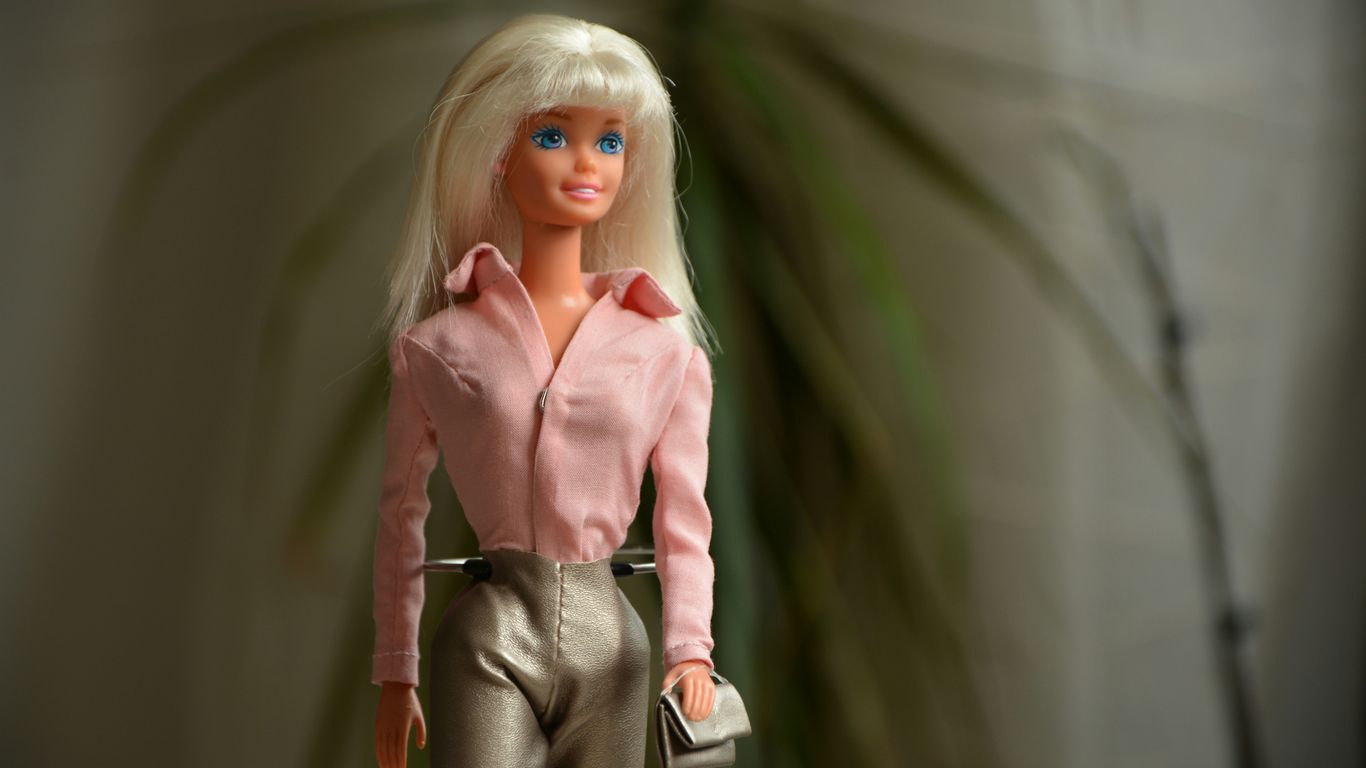
Okay, so the Barbie movie marketing? It was something else. Warner Bros. really nailed this whole "breadcrumb strategy." It wasn’t just about showing trailers; it was about dropping these little hints, these tiny pieces of the movie, over time. It was like a puzzle, and everyone wanted to figure it out.
It all kicked off with this teaser that played before "Avatar: The Way of Water." It was a nod to "2001: A Space Odyssey," which immediately told people, ‘Hey, this isn’t your typical Barbie story.’ Then came the character posters, behind-the-scenes stuff, and that super popular Barbie Selfie Generator. Each little bit just built more excitement, and it kept going for months.
Here’s a look at how it built momentum:
- Teaser Trailer: A clever homage to "2001: A Space Odyssey."
- Character Posters: Introduced the main players with unique styles.
- Barbie Selfie Generator: Allowed users to become part of the campaign.
- Behind-the-Scenes Content: Offered glimpses into the movie’s creation.
This whole approach really paid off. The movie had a massive opening weekend, and it wasn’t just about ticket sales. Doll sales went up, social media was buzzing like crazy, and influencers got involved. It turned a movie release into a whole cultural moment. It’s a great example of how strong visuals and a compelling message can really hook an audience [6584].
They even had this tagline that really got people talking: “If you love Barbie, this movie is for you. If you hate Barbie, this movie is for you.” That kind of inclusivity, combined with over 160 brand partnerships, made it more than just a movie; it felt like an event everyone was part of.
24. GfK’s Human vs AI Debate
Okay, so 2025 was definitely the year AI went from being a cool tech thing to something everyone was talking about, and GfK really jumped into that conversation. They didn’t just put out a press release or something; they actually staged a debate. Imagine this: ChatGPT, the AI everyone was freaking out about, going head-to-head with GfK’s own Chief Marketing Officer. It sounds a bit wild, right? But it was a smart move.
The whole point was to show that while AI is super powerful, human insight and strategy still matter a ton. They weren’t trying to say AI is bad, far from it. It was more about showing how these two things can work together. GfK used this event to really position themselves as leaders in understanding this new AI landscape. It wasn’t just a marketing stunt; it felt like they were genuinely trying to explore the future of marketing and data analysis.
Here’s a quick rundown of what made it stand out:
- Direct Engagement: Instead of just talking about AI, they put it in a live, interactive setting. People could actually see the AI in action and hear the human perspective side-by-side.
- Thought Leadership: By hosting this debate, GfK showed they’re not afraid to tackle big, complex topics. It made them look like they really know their stuff when it comes to the future of AI and marketing.
- Relatability: Even though it was about AI, the debate format made it feel more accessible. It wasn’t just a bunch of tech jargon; it was a discussion about how businesses can use these new tools effectively.
It was a pretty clever way to get people talking about GfK and their take on the AI revolution. They basically turned a potentially dry topic into something engaging and memorable.
25. State Farm’s “Not The Same” and more
State Farm really leaned into the idea that things just aren’t what they used to be, and honestly, who can blame them? Their "Not The Same" campaign, which cleverly played on the idea of things changing, saw some really fun executions throughout the year.
One standout was the "Trainer" spot, featuring Patrick Mahomes and Meghan Trainor. It was a bit of a wild pairing, but it worked. The ad riffed on Trainor’s song lyrics, with her humorously trying to be Mahomes’ trainer. It was a fresh take, showing that even familiar themes can be presented in a new light.
This campaign really showed how State Farm could adapt its core message across different scenarios. They managed to keep things light and relatable, even when talking about something as serious as insurance. It’s a good reminder that humor can go a long way in advertising, making brands feel more approachable.
Here’s a quick look at how they kept the momentum:
- “Trainer” Spot: Patrick Mahomes and Meghan Trainor in a funny, lyric-based ad.
- “Batman vs. Bateman”: A clever pivot during March Madness, showing adaptability.
- “Not The Same” Theme: Consistently applied across various ads, reinforcing brand identity.
Wrapping It Up: What 2025’s Best Ads Taught Us
Looking back at the campaigns that really made waves in 2025, it’s clear that cutting through the noise isn’t just about being loud. The most memorable ads were the ones that felt real, spoke to us directly, and sometimes, just made us smile or think. Whether it was a brand tapping into a cultural moment, using humor in a clever way, or simply showing up where people actually are, these campaigns showed us that connecting with people is still the main goal. It wasn’t just about fancy tech or big budgets; it was about smart ideas that felt human. So, as we move forward, remember that authenticity and a good story often win the day. Keep an eye on what’s next – the advertising world is always changing, and 2025 gave us plenty to learn from.
Frequently Asked Questions
What made Barbie’s “breadcrumb strategy” so successful in 2025?
Barbie’s movie campaign cleverly shared small movie details over time. This built excitement without giving away the whole story. Plus, they teamed up with over 160 brands and had fun tools like a Barbie Selfie Generator. All this kept people talking and led to a huge opening weekend for the movie.
How did Apple’s “Shot on iPhone 15 Pro Max” campaign show off the phone’s camera?
Apple filmed entire movies and even their own event using just the iPhone 15 Pro Max. They also used photos and videos from regular people. This showed how good the camera was for professional use and for everyday snapshots, getting tons of attention online.
What was special about Netflix’s “Streamberry” Black Mirror ad?
Netflix made a real website for a fake streaming service from a Black Mirror episode. People could upload their photos to make movie posters. Unknowingly, Netflix got permission to use these photos on real billboards! This cool trick made people talk a lot about the show.
How was Spotify’s Wrapped 2025 different from before?
Spotify Wrapped 2025 added new features like showing how your music taste changed over time and an AI-powered podcast that told you about your year in music. It was super popular, getting millions of mentions online and making more people use the app.
What was the main idea behind Dove’s “Real Beauty Sketches Reimagined” campaign?
Dove spoke out against how AI can create fake beauty standards. They promised not to use AI-made women in their ads. They also created a guide to help others make fair AI content. This message really connected with people and showed Dove’s dedication to real beauty.
Why was the ChatGPT brand campaign in 2025 different?
Instead of focusing on a futuristic idea, ChatGPT’s first big ad campaign showed how it helps with everyday things. It featured relatable moments like planning a trip or cooking. This made AI seem less scary and more like a helpful tool for everyone.