It feels like just yesterday that folding phones were a bit of a novelty, you know? Like something out of a sci-fi movie. But now, in 2026, they’re really hitting their stride. If you’re looking for a phone that can give you a bigger screen when you need it but still fit in your pocket, you’ve got some great choices. We’ve looked at what’s out there, and these are the best folding phones to check out.
Key Takeaways
- The Galaxy Z Fold 7 offers a big inner screen for getting things done and a sleek design.
- Motorola’s Razr Ultra focuses on smart features for its compact outer display.
- The Galaxy Z Flip 7 is a pocket-friendly option that still gives you a good-sized main screen.
- Google’s Pixel 10 Pro Fold is expected to bring Google’s software smarts to the foldable market.
- Huawei’s Mate XT stands out with its unique folding design, offering versatility.
1. Galaxy Z Fold 7
Alright, let’s talk about the Samsung Galaxy Z Fold 7. This thing really feels like a step forward, you know? It’s the thinnest and lightest Fold Samsung has ever made, which is saying something when you consider what these phones are. It actually feels more like a regular smartphone when it’s all folded up, not some bulky brick. I’ve been using it for a bit, and honestly, it’s pretty comfortable to hold and even slip into a pocket.
The displays are where it really shines. You get this big 8-inch screen when you open it up, which is great for getting stuff done, and then a perfectly usable 6.5-inch screen on the outside for when you’re just quickly checking something. Samsung seems to have worked on that crease too; it’s much less noticeable now, especially when you’re actually using the phone. It just kind of fades away.
Under the hood, it’s packing the Snapdragon 8 Elite chip with 12GB of RAM, so yeah, it’s fast. Multitasking is a breeze, and Samsung’s DeX mode, which gives you a desktop-like experience, is still a big deal for productivity. Plus, they’ve added some new AI features that are actually pretty handy, not just gimmicks.
Here’s a quick rundown of what you get:
- Displays: 8-inch main, 6.5-inch cover screen
- Processor: Qualcomm Snapdragon 8 Elite for Galaxy
- RAM: 12GB
- Main Camera: 200MP
- Software: Android 16 with One UI 8
- Durability: Refined hinge, improved screen protection
- Updates: Seven years of OS and security updates
It’s definitely not cheap, but Samsung is backing it up with a solid update policy, meaning this phone should be good for a long time. If you’re looking for a device that can be both a phone and a mini-tablet, and you want it to feel good in your hand, the Z Fold 7 is a really strong contender.
2. Motorola Razr Ultra
The Motorola Razr Ultra really tries to stand out, and honestly, it does a pretty good job. It’s got this cool flip design that’s super compact when closed, but then it opens up to a big, usable screen. It feels like you’re getting two phones in one, which is pretty neat.
One of the standout things is the external display. It’s a decent size, and you can actually do a lot with it without having to flip the phone open. Think checking notifications, replying to messages, or even running some apps. It’s not just a tiny little screen for show; it’s functional.
When you do open it up, you get a nice, big internal display. It’s great for watching videos, browsing the web, or anything where you need more screen space. The colors look good, and it’s bright enough for most situations.
Motorola also put in a pretty big battery this year, which is a big deal for folding phones. It seems to last longer than some of the other foldables out there, so you’re not constantly hunting for a charger. That’s a huge plus.
Here’s a quick look at some of the specs:
- Operating System: Android 15
- Processor: Qualcomm Snapdragon 8 Elite Mobile Platform
- External Display: 4.0-inch
- Internal Display: 7.0-inch pOLED
- Water Resistance: IP48 rating
They also have some interesting color options, like pink and a dark green, which are a bit different from the usual black and silver. It’s a phone that definitely gets noticed.
Now, it’s not perfect. Motorola’s software support isn’t as long as some competitors, offering three years of OS updates and four years of security updates. So, if you plan on keeping your phone for a really long time, that might be something to think about. But for a stylish, functional foldable with a great battery, the Razr Ultra is a solid choice.
3. Galaxy Z Flip 7
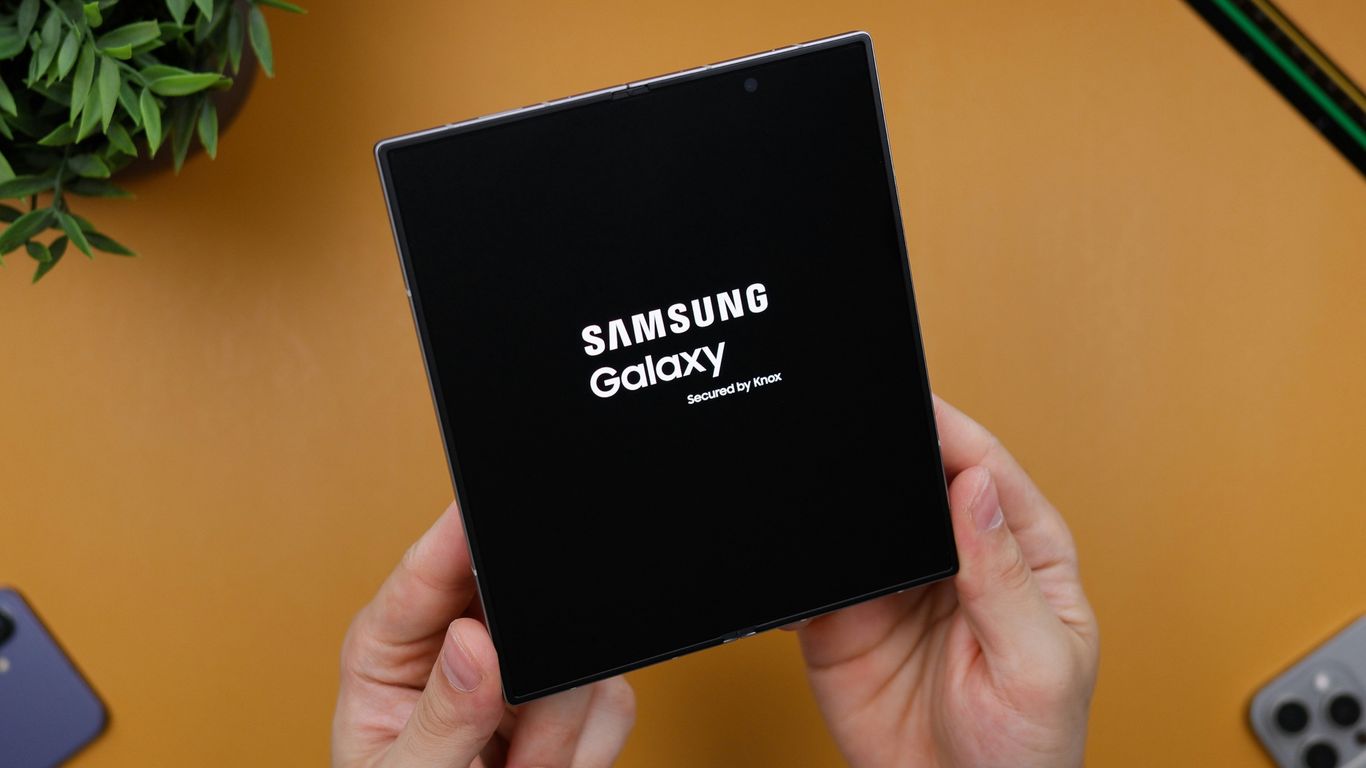
Samsung really hit a sweet spot with the Galaxy Z Flip 7. It feels like the flip phone they always wanted to make, honestly. The big change is that 4.1-inch outer screen. It’s much bigger and way more useful than before, letting you check notifications, use widgets, and even reply to messages without flipping the phone open. It’s a pretty neat trick.
When you do open it up, you get a 6.9-inch display that’s bright and clear. Inside, it’s running on the Exynos 2500 chip with 12GB of RAM, which is plenty zippy for most things you’ll throw at it. Plus, you get 256GB of storage standard, so no worries about running out of space anytime soon. And the camera features, especially the AI stuff for editing photos, are pretty cool.
Here’s a quick look at what makes it stand out:
- Compact Design: It folds down to a really small size, easily slipping into your pocket. It measures just 85.5 x 75.2 x 13.7 mm when closed, making it smaller than some rivals.
- Creative Camera Use: The folding screen acts like a built-in tripod, which is awesome for taking selfies or stable video recordings.
- Long-Term Support: Samsung is promising seven years of OS updates, which is a big deal for a foldable phone. That means it should stay up-to-date for a long time.
This is the most balanced flip phone on the market in 2026. While it’s not perfect – you can’t run third-party apps on the outer screen like some competitors, and the charging speed is a bit slow at 25W – it gets a lot right. It’s a great choice if you want a stylish, compact phone that still offers a full smartphone experience when you need it. You can grab the Galaxy Z Flip 7 for a one-time payment of $1,099.99, or check out their financing options on Samsung’s site.
4. Google Pixel 10 Pro Fold
Google’s latest foldable, the Pixel 10 Pro Fold, really steps things up, especially if you’re someone who cares a lot about cameras and the software experience. It’s built around Google’s own Tensor G5 chip, which means you get some pretty neat AI tricks baked right in. Think smarter photo editing, instant transcriptions, and even translations that work without an internet connection. The hardware itself feels good in the hand, with a bright outer screen and a nice, big 8-inch inner display that makes multitasking feel pretty natural. It might not have all the productivity bells and whistles Samsung throws on their Z Fold 7, but the cameras are a definite step up, and you get Google’s Gemini Live for your personal assistant needs.
This phone is a fantastic choice if you prioritize having the best camera system on a foldable device. It essentially packs all the power of the standard Pixel 10 phones, but with some extra camera magic thanks to the folding design. Plus, if you’re already a fan of Google’s clean Android interface and don’t want to deal with other manufacturers’ custom skins, this is the way to go. You’re getting Google’s version of Android with some of the smartest AI features available right now.
Here’s a quick look at what you can expect:
- Durability: It’s the first foldable with full IP68 water and dust resistance, a huge deal for this type of phone. The new hinge design makes this possible.
- Displays: You get a wider 6.4-inch outer display that’s easier to use for quick tasks, and the 8-inch inner screen gets super bright, making it usable even in direct sunlight.
- Software Support: Google promises seven years of OS and security updates, so this phone should be supported for a long time.
- Connectivity: It supports Google’s Pixelsnap technology, allowing you to magnetically attach accessories like chargers and car mounts, similar to Apple’s MagSafe.
While it doesn’t have the Pro Res Zoom found on the regular Pixel 10 Pro models, its Super Res Zoom still offers impressive optical-quality zoom up to 20x. The matte back can scratch easily, so you might want to consider a case or opt for a darker color. Performance is generally smooth for everyday tasks, though demanding apps might show the Tensor G5’s limits. Battery life is decent, often lasting a full day with moderate use, and it charges up pretty quickly too.
5. Huawei Mate XT
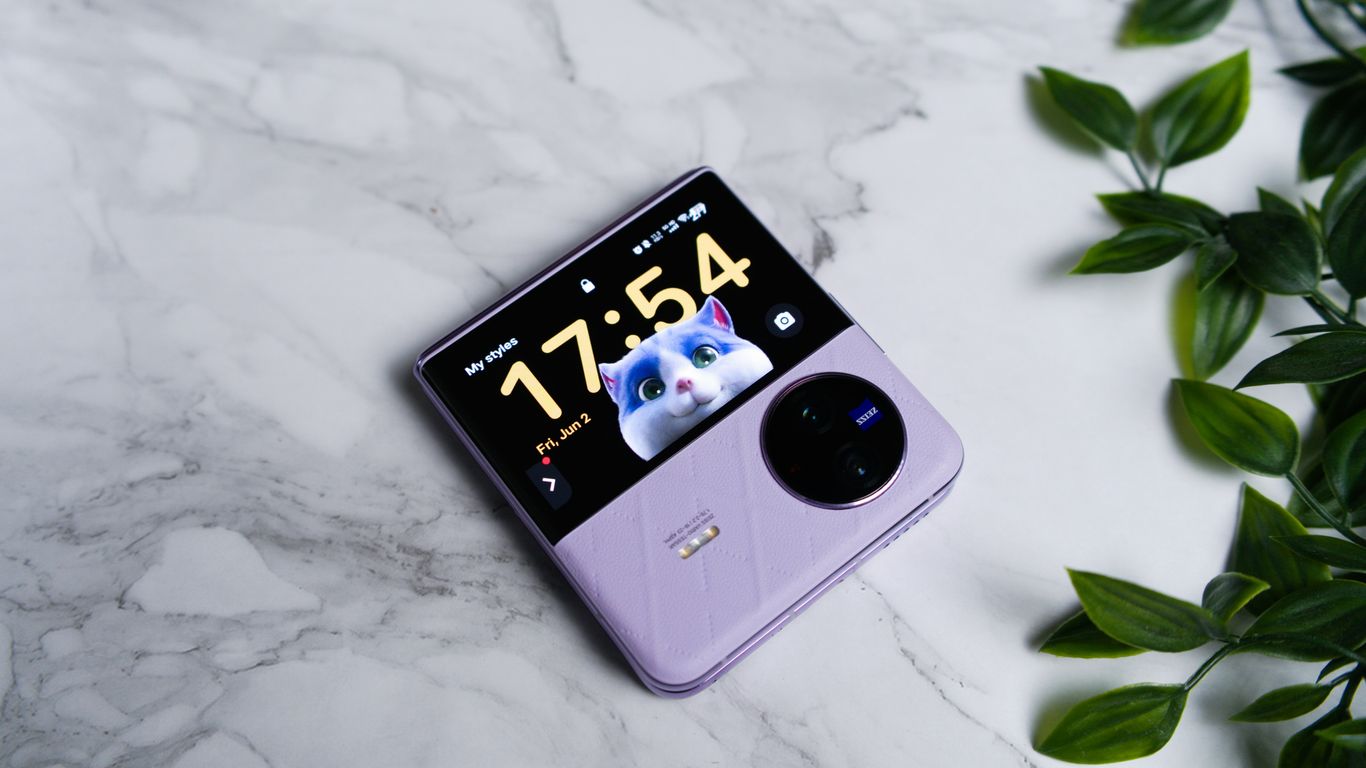
Alright, let’s talk about the Huawei Mate XT. This phone really surprised me, especially when it comes to battery life. For a while there, big foldable phones always seemed to struggle with how long they could last on a single charge. But the Mate XT? It’s got this massive 5,600 mAh battery that actually goes toe-to-toe with some of the best regular phones out there. In my testing, I got around 7 hours and 11 minutes, which is pretty darn good for a foldable.
And when you do need to charge it up, it’s not a long wait. It supports 66W wired charging, getting you to about 79% in just 30 minutes, and a full charge takes around 43 minutes. Even the wireless charging is speedy at 50W, which is still a rarity in this market.
Beyond the battery, Huawei also put some effort into making this thing tougher. It’s got IP58 and IP59 ratings, plus something called Kunlun glass, which is supposed to be way more resistant to cracks than what we saw on older foldables. It just feels solid in the hand, you know?
Now, it’s not perfect. The software can be a bit clunky, and it doesn’t come with Google apps built-in, which is a big deal for many people. Plus, the processor, a Kirin 9030, isn’t quite as zippy as the top chips from Qualcomm.
So, who is this phone for? If you absolutely need the best battery life you can get in a foldable and you don’t mind figuring out workarounds for Google services, the Mate XT is definitely worth a look.
Key Specs:
- Processor: Kirin 9030
- Display: 8-inch 120Hz OLED (inner)
- Battery: 5,600 mAh
- Charging: 66W wired, 50W wireless
- Durability: IP58 + IP59
- Software: EMUI 15 (no native Google services)
So, What’s the Verdict?
Alright, so we’ve looked at some pretty cool folding phones. It feels like just yesterday these things were a bit clunky and maybe not for everyone, but wow, have they changed. By 2026, it’s clear these phones aren’t just a novelty anymore. Whether you want a pocket-sized gadget that opens up big, or something that’s basically a mini-tablet you can fold, there’s a lot to choose from. The tech is getting better, making them tougher and more practical. So, if you’re thinking about getting one, now’s a great time to jump in and see what all the fuss is about. It’s pretty exciting to see where this all goes next.
Frequently Asked Questions
Are foldable phones still fragile in 2026?
Nope! Foldable phones have gotten way tougher. They aren’t the delicate gadgets they used to be. Now, they’re built to last, with stronger screens and hinges, making them a solid choice for everyday use.
What’s the main difference between book-style and flip phones?
Think of book-style foldables like the Galaxy Z Fold 7 as a regular phone that opens up into a small tablet, great for multitasking. Flip phones, like the Motorola Razr Ultra, are designed to be super compact, folding down small enough to fit easily in your pocket.
Will there be new types of foldable phones in 2026?
Yes, absolutely! Besides the usual book and flip styles, we’re seeing more ‘tri-fold’ phones that can fold in different ways, offering even more screen flexibility. There might even be other unique designs popping up.
How is the battery life on these new foldable phones?
Battery life has improved a lot! While it could always be better, many new foldables offer decent battery power. Some models are even getting better batteries to help them last longer throughout the day.
Are foldable phones good for taking pictures?
Many foldable phones come with great camera systems, similar to regular high-end phones. Some even use their folding nature to offer unique camera features, like using the outer screen as a viewfinder for selfies with the main cameras.
When is the best time to buy a foldable phone in 2026?
There isn’t really a ‘bad’ time to buy. New models usually come out at different times of the year from different brands. It’s best to buy when a phone has the features you want and fits your budget, rather than waiting for a specific sale.