Folding phones have come a long way in just a few years. Not too long ago, these devices were more like tech demos than something you’d actually use every day. Now, though, the best folding phones are everywhere, and they’re getting slimmer, stronger, and packed with features. If you’re tired of the same old smartphone look and want something that stands out, 2026 is a great year to consider a foldable. Whether you’re looking for a phone that opens up into a tablet or a compact flip phone for your pocket, there’s a lot to choose from. Here are the top 7 best folding phones of 2026.
Key Takeaways
- Folding phones are more reliable and practical than ever, with better hinges and stronger screens.
- There are two main types: book-style foldables that open like a tablet, and flip phones that fold down to a small size.
- Samsung, Motorola, Honor, Google, and Xiaomi all have strong contenders in the folding phone market this year.
- Battery life, camera quality, and software support are important things to look at when picking the best folding phone.
- Prices are still high, but there are more choices now, so it’s easier to find a folding phone that fits your needs and budget.
1. Samsung Galaxy Z Fold 7
Samsung really outdid themselves with the Galaxy Z Fold 7 this year. After a few years of just tweaking things here and there, they’ve made a big jump. This phone is noticeably thinner and lighter than previous models, which makes a huge difference when you’re just holding it folded. It feels much more like a regular phone, but then you open it up, and bam – you’ve got this really nice, big tablet screen.
It’s not just Samsung, either. Android itself has gotten way better for these foldable screens. More apps are actually designed to use that extra space now. Android 16 even has this cool new multitasking feature called 90/10. Basically, you can have two apps open, with one taking up almost the whole screen and the other just a sliver on the side. You can easily swap them around. It’s pretty handy for getting stuff done.
Samsung also packed in Gemini, their AI, which you can use in split-screen or floating windows. And of course, there’s still Dex, which lets you turn the phone into a desktop-like experience. The camera is a big deal too – a 200-megapixel main sensor that takes photos that are almost as good as the S25 Ultra. Seriously, the pictures come out sharp and colorful, no matter the distance.
So, who is this phone for? Well, if you use apps that benefit from a big screen, this is definitely one to consider. Reading books or documents on the Z Fold 7 is a pleasure because everything just spreads out nicely. I’ve personally spent a lot of time reading on it while waiting around, and it’s great. If you work with spreadsheets or need to keep track of appointments at events, that larger display is a lifesaver.
Here’s a quick look at what you get:
- Display: 6.5-inch exterior, 8-inch interior
- Processor: Snapdragon 8 Elite
- RAM/Storage: 12GB or 16GB RAM with 256GB, 512GB, or 1TB storage
- Battery: 4,400mAh
- Main Camera: 200MP
One thing to note, though: if you were hoping to use Samsung’s S Pen stylus, you won’t be able to with this model. They removed support for it, which is a bummer, especially given the price. Speaking of price, it starts at $1,999, so it’s definitely an investment. Also, while the battery isn’t terrible, heavy use of the unfolded screen will drain it faster than you might like.
2. Samsung Galaxy Z Flip 7
Samsung really stepped up its game with the Galaxy Z Flip 7, and honestly, it feels like they’ve finally nailed the flip phone concept. Gone are the days of feeling like you’re compromising just to have a foldable. The biggest change is the massive 4.1-inch cover screen, which is now a proper, usable display. You can actually do things on it, like reply to messages or check directions, without having to flip the phone open. It makes a huge difference in daily use.
Inside, the main screen got a little bigger too, now hitting 6.9 inches. It’s great for watching videos or just browsing the web when you’re out and about. It’s nice that Samsung is promising seven years of software updates, so this phone should last you a good long while. It’s a solid choice if you want a phone that feels modern and can be kept for years. You can find out more about its setup and use here.
Here’s a quick look at what it offers:
- Expanded Cover Screen: A full 4.1 inches of usable space.
- Larger Internal Display: A 6.9-inch screen for media and more.
- Long-Term Software Support: Seven years of updates promised.
- Refined Software Experience: Samsung’s clean Android version.
While the battery life is better than some competitors, it could still be improved, and the charging speed is a bit slow at 25W. Also, it still lacks a telephoto camera, which is a bummer for some. But overall, it’s a really good flip phone that feels polished and is built to last.
3. Motorola Razr 60 Ultra
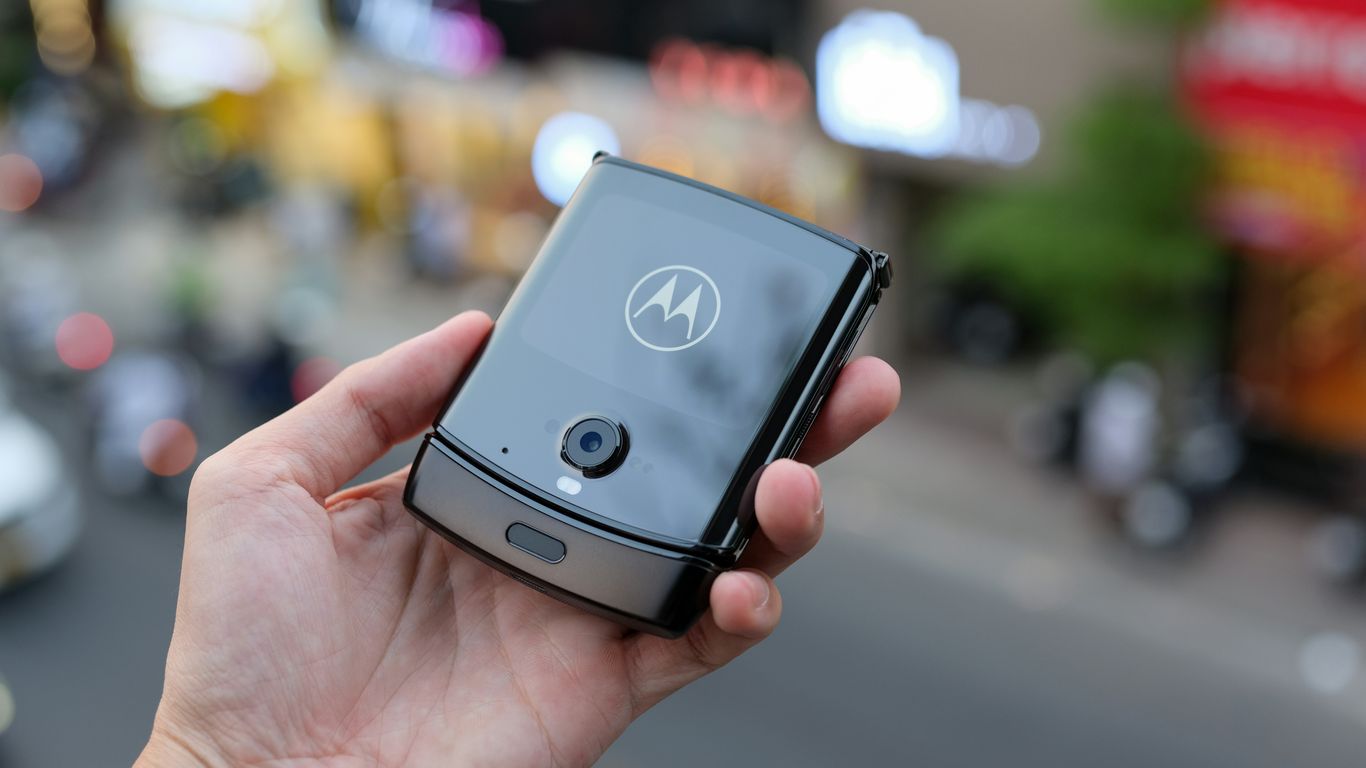
If you ask around about the best flip phone today, a lot of folks will point you straight to the Motorola Razr 60 Ultra. The Razr 60 Ultra takes everything Motorola’s learned from previous generations and creates what really feels like their first proper flagship in the flip phone scene. From the minute you pick it up, you’ll notice just how solidly it snaps open—no wobble at all, and the flick is honestly pretty fun (incredibly sturdy build). Motorola claims this new Ultra lasts 35% longer than the last one, so if you’ve ever worried about hinge wear, that’s an upgrade you’ll appreciate.
Let’s get into what makes it stand out:
- The big 4-inch AMOLED cover screen lets you run almost any app, which is rare—checking messages, weather, or even firing up a mini YouTube window, you do a lot while it’s still shut
- Its main 7-inch internal screen is bright, colorful, and folds flat without a distracting crease
- Snapdragon 8 Elite processor and options for 512GB or 1TB storage, so you won’t run out of space or patience waiting for things to load
- Battery life is solid thanks to a 4,700mAh battery, enough to get a heavy user through a busy day
Here’s a rundown of specs, neat and tidy:
| Feature | Moto Razr 60 Ultra |
|---|---|
| Cover Display | 4" AMOLED |
| Main Display | 7" OLED |
| Processor | Snapdragon 8 Elite |
| Storage Options | 512GB, 1TB |
| Rear Cameras | 50MP wide + 50MP ultrawide |
| Front Camera | 32MP |
| Battery | 4,700mAh |
| Current Price | $1,299 (often discounted) |
A few quick things worth knowing:
- The phone feels premium and looks unique, especially if you pick a wild finish like Mountain Trail wood grain, which always gets noticed
- It’s surprisingly tough but stays slim—pocket-friendly for jeans, jackets, or even fitting into those smaller bags
- The camera system is a huge step up for Motorola, but it’s still not on par with something like Samsung’s latest (especially in low light)
Some bits aren’t perfect. Updates only roll out for about four years, compared to longer support from Samsung. And while the cameras are better, night photos can be iffy—just something to keep in mind if you shoot a lot in the dark.
If you want a flip phone that actually feels modern and sturdy, especially one that won’t scream for a power bank by mid-afternoon, the Razr 60 Ultra stands out in 2026.
4. Honor Magic V5
Honor really stepped up its game with the Magic V5, making a foldable that feels less like a science experiment and more like a polished device. It’s impressively thin, measuring just 4.1mm when unfolded. Seriously, it’s barely thicker than a regular phone when you fold it up, which is a big deal if you’ve ever tried to shove a bulky foldable into your pocket.
What’s cool is that even though they made it slimmer, they didn’t skimp on the upgrades. The battery got a boost to 5820mAh, and honestly, it lasts. I got a solid two days out of it without needing to hunt for a charger, which is pretty great for a foldable. The screens are also brighter now, with the inner display hitting 5000 nits, matching the outer one. This makes a big difference when you’re using it outside or just want a more consistent viewing experience.
Under the hood, it’s packing the Snapdragon 8 Elite chipset, so performance is top-notch. Multitasking with two apps open is smooth, and even demanding games run without a hitch. It’s a really solid alternative if you’re looking for a powerful, slim foldable that isn’t a Samsung.
However, it’s not perfect. The MagicOS software, while functional, can feel a bit clunky compared to what you get on a Pixel or Samsung phone. And while the cameras are good, they could still use a bit more polish to really compete with the best out there. Still, for a super slim and powerful foldable, the Honor Magic V5 is definitely worth a look, especially if you’ve been hesitant about the size of other book-style foldables on the market.
5. Google Pixel 10 Pro Fold
So, Google really swung for the fences with the Pixel 10 Pro Fold this year. It’s the first foldable phone with an official IP68 rating, meaning you don’t have to freak out if it gets dusty or drops in water—finally, a foldable that’s not delicate. It’s also got these dual displays: a more standard-size 6.3-inch cover screen and a huge 8-inch main interior screen. That outer screen feels much more natural in the hand compared to other tall-and-skinny designs, which is a relief for pretty much anyone who’s ever tried to text one-handed.
Under the hood, you get the Tensor G5 chip, which does a lot for speed and powers some of Google’s weird (but handy) new AI tools. My favorite: you call an airline and "Magic Cue" pops up with everything you might need, like your booking info, right on screen. If you’re a fan of Google’s way of doing things—simple, less clutter—you’ll probably feel at home. Plus, Google made it easier to use MagSafe accessories, so you don’t have to hunt for foldable-specific gear anymore.
Here’s a quick breakdown of what you’re actually getting:
| Spec | Google Pixel 10 Pro Fold |
|---|---|
| Processor | Google Tensor G5 |
| Cover Display | 6.3-inch |
| Main Display | 8-inch |
| RAM/Storage | 16GB + 256GB/512GB |
| Battery | 5,015mAh |
| Rear Cameras | 48MP wide + 10.8MP ultrawide + 10.8MP telephoto |
| Front Camera | 10MP |
| Waterproof/Dust | IP68 |
| Price | $1,799+ |
If you’re curious about its durability, check out the discussion on its IP68 dust and water resistance.
Pros:
- Outer screen feels regular, not weirdly tall
- First foldable with IP68 dust/water resistance
- Big battery and solid camera setup
Cons:
- Heavier than the Z Fold 7 by about 40 grams
- Still expensive and not as widely available yet
- Not quite as bright as the Honor Magic V5
Honestly, this is one of those phones you’ll want if you’re worried about drops and messes, or if Google’s software just works better for you. If you need something lighter, keep shopping, but if durability tops your list, the Pixel 10 Pro Fold is an easy pick.
6. Xiaomi Mix Flip
The Xiaomi Mix Flip has managed to catch a lot of people’s attention this year, and for good reason. It’s quickly become the go-to foldable for anyone who cares about having both a solid camera experience and longer battery life. Even though Samsung and Motorola still headline the flip phone market, Xiaomi’s no slouch.
Let’s start with battery life. The Mix Flip packs a 4780mAh cell, which is pretty generous for a flip design. In my own use (and chatting with a few enthusiastic owners), it’s easy to push a day and a half without stressing about plugging in. The 67W fast charging doesn’t hurt either—if you run low, it’s back in action fast.
For photos, Xiaomi’s managed to bake in some reliable hardware with smart software features. In good lighting, shots show rich color and separation between subject and background. There’s even a built-in AI photo editor—removing random photobombers is about as easy as it gets.
Here’s a quick look at what the Mix Flip is bringing to the table:
| Feature | Xiaomi Mix Flip |
|---|---|
| Battery | 4780mAh, 67W charging |
| Main Camera | Dual cameras, AI tools |
| Display | Foldable AMOLED |
| Water Resistance | None |
| Price Range (est.) | $$$$ (premium tier) |
Some things I noticed using the Mix Flip that you might want to know:
- Battery life is above average for the category
- Cameras work best with daylight or lots of light
- The software is a bit cluttered—there’s a learning curve
- No water resistance, so it feels less rugged than others
- It’s pricier than some rivals, but not way off
Bottom line, Xiaomi Mix Flip is for folks who want stellar battery life and trustworthy cameras in a foldable. If you can budget for it and don’t mind a bit of software bloat, it’s a solid contender.
7. Motorola Razr 60
Wrapping up the list is the Motorola Razr 60, a phone that sticks to the flip design but improves in a few ways that actually matter for everyday use. What really stands out this time is the bigger battery and an official dust protection rating—small things, but they go a long way if you’re the type who uses your phone nonstop or just can’t stand grit around the hinge.
Main features worth mentioning:
- 4,500mAh battery, which is unusual for foldables and pretty decent—it’ll make it through a full day even if you’re someone always on TikTok or Netflix.
- Huge 3.6-inch external screen that actually lets you get things done without needing to open up the phone every ten seconds.
- The price sits below its main Samsung rival, usually landing around $699, so you don’t have to fork out your whole paycheck for a folding phone anymore.
Here’s all the dry numbers:
| Feature | Spec/Value |
|---|---|
| External Display | 3.6-inch OLED |
| Internal Display | 6.9-inch, 1080 x 2640, 120Hz |
| Processor | MediaTek Dimensity 7300X |
| RAM / Storage | 8GB / 256GB |
| Battery | 4,500mAh |
| Main Camera | 50MP wide + 13MP ultrawide |
| Front Camera | 32MP |
| Dust/Water Rating | IP48 (better dust resistance now) |
| Price (USD) | $699–$799 |
Things I appreciated about this phone:
- The outer screen feels just as useful as the one inside.
- Battery goes the distance, even on days you forget your charger.
- It doesn’t cost as much as a Galaxy foldable.
But also, it’s not perfect:
- The camera is just fine – don’t expect magic.
- Software updates might not come as fast as from Samsung.
- The processor is good for most stuff, but not really a powerhouse if you’re gaming a lot.
So, if you’re not after the absolute high-end and you want a stylish, practical foldable you don’t have to baby, the Razr 60 really nails the basics without making you eat ramen all month. For folks wanting a balance of features and price, it’s hard to beat this one right now.
So, What’s Next for Foldables?
Alright, so we’ve looked at some pretty cool folding phones. It’s wild how much these things have changed, right? What started as a bit of a novelty is now a real option for a lot of people. Whether you want a phone that turns into a small tablet for reading or a compact flip phone that fits anywhere, there’s something out there. The tech keeps getting better, making them thinner, tougher, and just plain more useful. It looks like 2026 is going to be a big year for these devices, with more choices and maybe even some surprises. Keep an eye on this space, because folding phones are definitely here to stay and only getting more interesting.
Frequently Asked Questions
What is a foldable phone?
A foldable phone is a smartphone that has a screen that can bend or fold in half. Some fold like a book to reveal a big tablet-like screen, while others flip to become smaller and more pocket-friendly.
Are foldable phones more fragile than regular phones?
Foldable phones use special screens and hinges, so they can be a bit more delicate than normal phones. However, newer models are much tougher than before, with better materials and water resistance.
Do foldable phones cost more than regular smartphones?
Yes, foldable phones are usually more expensive than regular smartphones. This is because they have advanced screens and special hinges, which are more costly to make.
Can I use regular apps on a foldable phone?
Most apps work just fine on foldable phones. Some apps even have special features that take advantage of the bigger or split screens, making them even more useful.
How long does the battery last on a foldable phone?
Battery life on foldable phones depends on how you use them. If you use the big screen a lot, it might run out faster. But most foldables have batteries that last all day with normal use.
Which is better: a flip phone or a book-style foldable?
It depends on what you like. Flip phones are smaller and easier to carry, while book-style foldables give you a bigger screen for reading or watching videos. Choose the one that fits your needs best.