Getting a new smartwatch for 2025? If you’ve got an Android phone, you’ve got some really solid options this year. We’re talking about watches that keep you in the loop, help you track your fitness, and just generally make life a bit easier. Forget those clunky old models; the latest android os smartwatch devices are sleek, smart, and ready for anything. We’ve checked out what’s out there to help you pick the best one for your wrist.
Key Takeaways
- The Google Pixel Watch 4 is a top pick for its overall performance and integration with the Android ecosystem.
- Samsung’s Galaxy Watch series, including the Watch 8 and Watch 8 Classic, offers strong features and design options.
- OnePlus Watch 3 and Amazfit smartwatches provide compelling alternatives with good value and performance.
- When choosing an android os smartwatch, consider factors like battery life, fitness tracking capabilities, design, and app selection.
- LTE connectivity is a significant feature for staying connected and enabling safety functions without your phone.
1. Google Pixel Watch 4
Alright, let’s talk about the Google Pixel Watch 4. This thing is pretty slick, honestly. It’s got this really cool domed display that just looks different from most other watches out there. It makes reading notifications or checking the time a breeze, even when you’re out in bright sunlight because, wow, this screen gets bright – up to 3,000 nits.
Under the hood, it’s running on a Snapdragon W5 Gen 2 chip, which feels snappier than before. Plus, it’s got Wear OS 6, and Google’s really trying to make things smooth with this update. You get all the usual Google stuff, like quick replies to messages and the ability to summon Google Assistant without even touching the screen, thanks to the new ‘Raise to Talk’ feature powered by Gemini.
For the fitness buffs, the integration with Fitbit is still a major selling point. It tracks your heart rate, sleep, and workouts pretty accurately. They’re even rolling out a new Fitbit AI health coach later in 2026 that’s supposed to give you personalized workout plans based on your data. It’s still a bit of a wait for that, but it shows where Google is heading.
Here’s a quick rundown of what you get:
- Display: A vibrant, curved AMOLED LTPO screen that’s easy to see outdoors.
- Performance: Powered by the Snapdragon W5 Gen 2 for a smoother experience.
- Health Tracking: Deep Fitbit integration with features like sleep tracking and workout analysis.
- AI Features: Gemini assistant and ‘Raise to Talk’ for hands-free interaction.
- Design: Available in 41mm and 45mm sizes, with a comfortable, slightly slimmer profile than previous models.
Battery life is decent, clocking in around 30-40 hours depending on the size, and it charges up super fast. It’s a solid choice if you’re deep in the Android ecosystem and want a smartwatch that feels like a natural extension of your phone.
2. Samsung Galaxy Watch 8
Samsung’s Galaxy Watch 8 is a solid choice if you’re looking for a smartwatch that plays nice with your Android phone, especially if you’re already in the Samsung ecosystem. It’s got that familiar Wear OS feel, but with Samsung’s own One UI Watch layered on top, which adds some handy features. Think of things like the "Now Bar" for quick app access and those multi-info Tiles that let you see a bunch of stuff at once without a lot of tapping.
This watch really shines with its health tracking capabilities, offering a good mix of sensors and software insights. It includes things like an antioxidant measurement, which is pretty neat, and if you’re into fitness, you’ll appreciate the dual-band GPS for more accurate run tracking. Plus, Samsung promises four years of Wear OS updates, so you’re looking at good long-term support.
Here’s a quick look at what you get:
- Display: Available in 40mm and 44mm sizes, with bright AMOLED screens.
- Processor: Powered by the Exynos W1000 chip, paired with 2GB of RAM and 32GB of storage, which means it handles daily tasks smoothly.
- Durability: It’s built tough with IP68 water and dust resistance, MIL-STD-810H compliance, and a sapphire crystal display.
- Connectivity: Supports NFC, Bluetooth 5.3, and dual-band Wi-Fi.
While it might not be a massive leap from the previous generation in terms of raw hardware, the refinements in design and the continued software support make it a dependable option for staying connected and keeping tabs on your health.
3. OnePlus Watch 3
The OnePlus Watch 3 is a pretty interesting option if you’re looking for a Wear OS smartwatch that doesn’t need charging every single night. Seriously, this thing can go for about five days on a single charge, sometimes even more if you’re not hammering it with workouts or constant notifications. That’s a big deal when most other Wear OS watches are lucky to make it through two days.
It looks pretty sharp too, with a stainless steel case and a titanium bezel that gives it a more traditional watch vibe, kind of like the Samsung Galaxy Watch 8 Classic. You can get it in two sizes: a larger 46mm and a smaller 43mm. The bigger one has a longer battery life, but the smaller one might fit better on smaller wrists and is a bit lighter. Just a heads-up, the smaller 43mm version skips out on the wrist temperature and ECG sensors, so keep that in mind.
OnePlus uses a mix of Wear OS for apps and its own RTOS for background stuff, which seems to be the secret sauce for that amazing battery life. The display is a nice, bright 1.5-inch AMOLED, and the crown actually does something useful now, which is a nice touch. Health tracking seems pretty solid, with improved heart rate accuracy and more workout insights through their OHealth app. It’s not perfect – there’s no LTE option, and the ECG feature isn’t available everywhere – but for the price and that battery life, it’s definitely worth a look if you want a good all-around Wear OS watch.
4. Samsung Galaxy Watch 8 Classic
If you’re looking for a smartwatch that feels more like a traditional timepiece but still packs all the modern tech, the Samsung Galaxy Watch 8 Classic is a solid choice. It brings back that physical rotating bezel, which honestly, is just satisfying to use for scrolling through menus and notifications. It feels more precise than just swiping on the screen, you know?
This watch is really for folks who appreciate a bit of classic style mixed with their smarts. It’s got that polished stainless steel look and an analog-inspired watch face that can really make it blend in with nicer outfits. But don’t let the looks fool you; it’s loaded with features.
Here’s a quick rundown of what you get:
- Advanced Health Tracking: It includes things like an ECG, heart rate monitoring, and even a new feature that analyzes antioxidant levels in your skin. Plus, there’s an AI running coach to help you out with your workouts.
- Gemini AI Integration: You can ask questions and get help directly from your wrist, which is pretty handy when you don’t want to pull out your phone.
- Improved Battery Life: Compared to the regular Galaxy Watch 8, the Classic version lasts significantly longer. We’re talking about getting close to two full days of use on a single charge in our testing, which means less worrying about finding a charger every single night.
- Durable Build: It’s built tough with things like sapphire glass and water resistance, so it can handle daily wear and tear.
While it does cost a bit more than the standard Galaxy Watch 8, you’re paying for that premium design and the tactile control of the rotating bezel. If those things matter to you, and you want a smartwatch that looks good and performs well, the Classic is definitely worth a look.
5. Amazfit Smartwatch
Alright, let’s talk about Amazfit. If you’re looking for a smartwatch that doesn’t break the bank but still packs a punch, Amazfit is definitely worth a look. They’ve really stepped up their game, offering a solid experience without demanding a huge investment.
The Amazfit Bip 6, for instance, is a standout in the budget category, managing to get the basics right without feeling cheap. Sure, the design and the way you interact with it might not be as slick as some of the super high-end models, but honestly, for the price? It’s a really good deal. You get accurate fitness tracking, which is great for keeping tabs on your workouts. Plus, it throws in some more advanced health stuff like blood oxygen monitoring (SpO2), temperature sensing, and sleep tracking. It even gives you alerts if your heart rate goes too high or too low.
Here’s a quick rundown of what you can expect:
- Fitness Tracking: Heart rate, SpO2, sleep stages, stress levels, and more.
- Health Alerts: Notifications for high and low heart rates.
- Battery Life: Often lasts a week or even longer on a single charge, which is pretty amazing.
- Compatibility: Works with both Android and iPhones, so you’re not locked in.
It’s a fantastic option if you’re curious about smartwatches but don’t want to spend a fortune, or if you don’t mind tweaking settings to get it just how you like it. It’s proof that you don’t need to spend hundreds to get a capable smartwatch.
6. Best Overall
When you’re trying to figure out which smartwatch is the top pick for Android users in 2025, it really comes down to a few key things. You want something that works well with your phone, has a good amount of apps, and feels good on your wrist. For a lot of people, the Samsung Galaxy Watch 8 hits all those marks.
It’s got that familiar Wear OS experience, which means you get access to the Google Play Store for all sorts of apps, from fitness trackers to music players. Plus, Samsung has been doing this for a while, so their watches tend to be pretty polished. You get good health tracking, decent battery life, and it just works with most Android phones without a fuss. It’s a solid choice if you want a reliable smartwatch that does a bit of everything.
Here’s a quick look at why it stands out:
- App Ecosystem: Access to the full Google Play Store means tons of apps.
- Health Tracking: Comprehensive sensors for heart rate, sleep, and workouts.
- Build Quality: Usually comes with a sturdy design that can handle daily wear.
- Software Updates: Samsung generally provides timely updates for Wear OS.
It’s not always the cheapest, and maybe not the absolute best in any single category, but as an all-around package, the Galaxy Watch 8 is hard to beat for most people looking for the best Android smartwatch experience. It’s a safe bet if you want a dependable device that keeps you connected and informed throughout your day. You can check out the latest on Samsung smartwatches to see how it stacks up.
7. Best Design
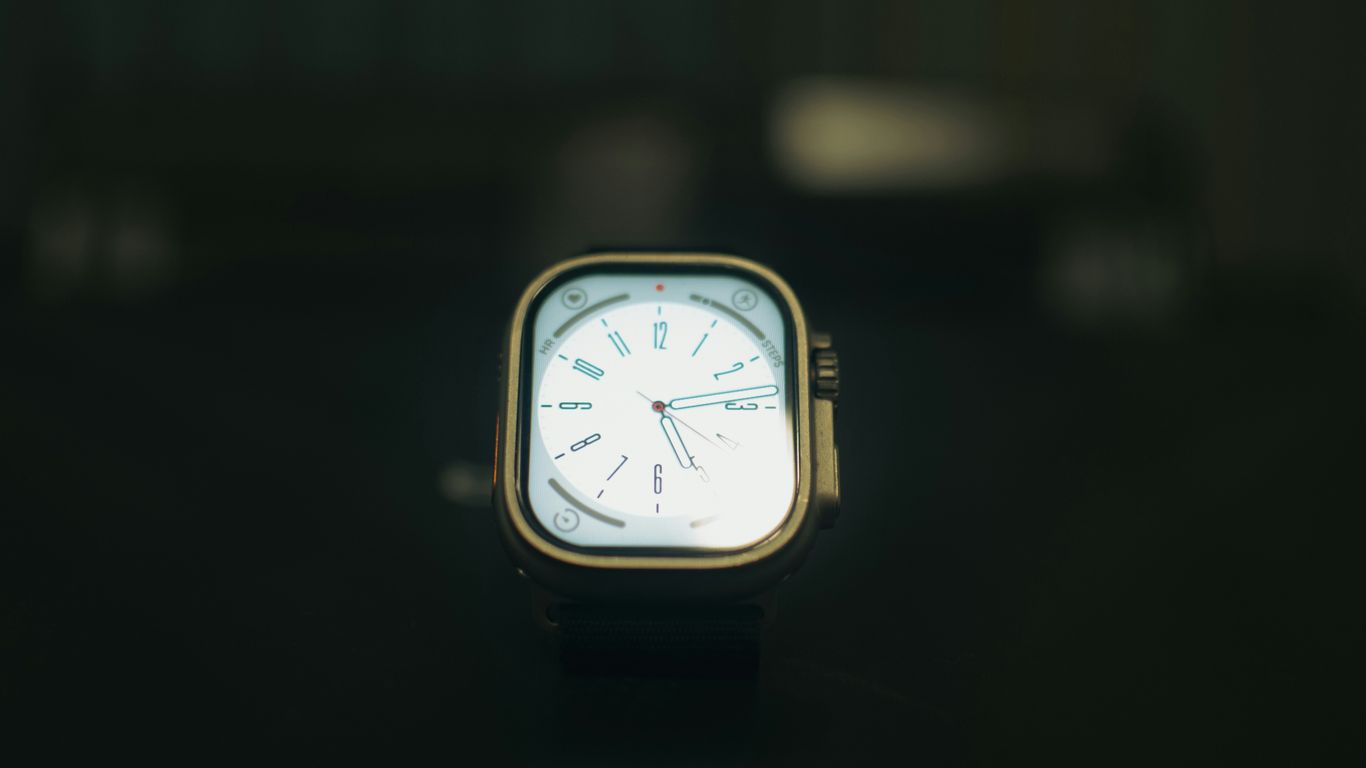
When it comes to looks, the Google Pixel Watch 4 really stands out. It’s got this cool domed display that you just don’t see on other smartwatches right now. It feels pretty unique, and honestly, it looks good on the wrist.
Beyond just the screen, Google has added some neat on-device smarts, like the ‘Raise to Talk’ feature, which is handy when your hands are full. Plus, they’ve beefed up the fitness tracking with dual-band GPS and something called the Fitbit Personal Health Coach. If you’re a fan of the clean Pixel look, the stock Wear OS 6 with its Material 3 Expressive UI is going to feel right at home. It’s a watch that’s clearly thought about how it looks and how it feels to use every day.
8. Best Battery Life
When you’re out and about, the last thing you want is your smartwatch dying on you. For those who prioritize longevity between charges, the OnePlus Watch 3 really stands out. This watch can genuinely last for days, sometimes even up to a week, depending on how you use it.
It’s not just about lasting a long time, though. The OnePlus Watch 3 also packs in some pretty advanced health tracking features, like a new temperature sensor and a better heart rate monitor. Plus, it charges up super fast – you can get a decent amount of juice in just 10 minutes, which is handy if you forget to charge it overnight.
Here’s a quick look at how it stacks up:
- Up to 9 days of battery life (with always-on display off).
- Around 3-5 days with the always-on display enabled.
- Fast charging: 0-30% in just 10 minutes.
- Includes advanced health sensors like a temperature sensor and improved heart rate tracking.
While other watches might offer more bells and whistles, if your main concern is not having to constantly hunt for a charger, the OnePlus Watch 3 is a solid choice.
9. Best Value
Finding a smartwatch that doesn’t break the bank but still packs a punch can feel like a treasure hunt. Luckily, there are some solid options out there that give you a lot for your money. We’re looking for devices that offer good performance, useful features, and decent build quality without costing a fortune.
When it comes to value, it’s not just about the lowest price tag. It’s about what you get for that price. Think about battery life, screen quality, fitness tracking accuracy, and how well it plays with your phone. A good value smartwatch should feel like a smart purchase, not a compromise.
Here’s what we consider when looking for the best bang for your buck:
- Core Functionality: Does it reliably tell time, show notifications, and track basic fitness metrics like steps and heart rate?
- Durability and Build: Even budget watches should feel sturdy enough for daily wear. We prefer models with decent water resistance.
- App Ecosystem (or lack thereof): While not always a priority for value picks, some basic app support can be a bonus.
- Battery Performance: A watch that needs charging every single day might not be the best value if you’re looking for convenience.
While the top-tier models often get the spotlight, don’t overlook the mid-range. Sometimes, a slightly older model or a brand known for affordability can offer a surprisingly complete smartwatch experience. For instance, some of the Amazfit models consistently hit a sweet spot, providing a good array of health sensors and a long-lasting battery at a price that’s hard to beat. You might not get every single bell and whistle of a Samsung Galaxy Watch 8, but you’ll get the essentials done well, and that’s often what matters most for everyday use.
10. Best Premium
When you’re looking for the absolute top-tier smartwatch experience, the Samsung Galaxy Watch Ultra (2025) really steps up. It’s not just about having the latest tech; it’s about a build that feels substantial and features that go beyond the everyday. While it might not hit the same battery numbers as some others, it’s a big jump from previous models, meaning you can probably leave the charger behind for a day or two, which is pretty nice.
What really sets it apart is the materials. We’re talking a titanium case here, which is both tough and surprisingly light. It gives the watch a look and feel that screams quality. Plus, you get more storage than usual, so you can load up on apps and music without worrying too much.
Here’s a quick look at what makes it premium:
- Titanium Casing: Durable, lightweight, and looks great.
- Expanded Storage: More space for your apps and media.
- Improved Battery: Less charging, more doing.
- Advanced Health Sensors: Top-of-the-line tracking for your well-being.
Sure, it’s an investment, and the price tag reflects that. But if you’re someone who wants the best of the best and appreciates fine craftsmanship along with cutting-edge features, the Galaxy Watch Ultra (2025) is definitely worth considering. Keep an eye out for deals or trade-in offers; they can make this high-end option a bit more accessible.
Wrapping It Up
So, there you have it. Picking the right Wear OS smartwatch for 2025 really comes down to what you need most. Whether you’re all about fitness tracking, want something that looks good on your wrist, or just need a reliable way to stay in touch without pulling out your phone, there’s a solid option out there. These watches are getting better every year, packing in more useful features and looking sharper too. It’s pretty cool how much tech we can now wear right on our arm. Hopefully, this guide helps you find the perfect match to keep you connected and on track for the year ahead.
Frequently Asked Questions
What makes Wear OS smartwatches special?
Wear OS watches are great because they can use apps from the Play Store, let you message easily from your wrist, get regular updates, and even use smart features like Gemini. They usually run on reliable Snapdragon chips, making them work smoothly.
Why are Samsung and Google watches good choices for Wear OS?
Samsung and Google work together on Wear OS, so their watches, like the Galaxy Watch and Pixel Watch, usually get the newest updates and the best AI features first. They are built to work really well with Android.
Can I use an Android smartwatch without my phone?
Yes, many smartwatches have LTE (cellular) service. This means you can make calls, send texts, and use apps right from your watch, even if your phone isn’t nearby. It’s super handy for workouts or when you want to leave your phone at home.
How long do Android smartwatches usually last on a single charge?
Most smartwatches need to be charged every night. They are designed to last a full day, usually between 16 to 18 hours, so you can wear them from morning to evening.
Are Android smartwatches good for fitness?
Absolutely! Most smartwatches have sensors that track your heart rate, count steps, monitor sleep, and even check blood oxygen levels. Some can even detect falls and send alerts in emergencies, which your phone can’t do.
Do I need a smartwatch if I have a smartphone?
Not necessarily, but a smartwatch is a helpful accessory. It lets you quickly see and reply to messages, check notifications, and track your fitness without always pulling out your phone. It adds convenience and extra health features.