
Looking to get your business strategy in shape for 2026? Sometimes, the best way to figure out what works is to see what others are doing. We’re going to look at some top B2C examples that really stand out. These companies know how to connect with people and get them to buy. Hopefully, seeing how they do it will give you some ideas for your own business. It’s all about understanding your customers and giving them what they want, when they want it. Let’s check out some of the best.
Key Takeaways
- Amazon’s focus on personalised recommendations and a smooth shopping journey keeps customers coming back.
- Netflix uses clever suggestions to keep viewers hooked on their content.
- Starbucks makes it super easy to order and get rewards using their app.
- Nike connects with people through inspiring stories, not just selling shoes.
- Coca-Cola showed how a simple idea, like putting names on bottles, can make a product feel personal.
1. Amazon
Right then, let’s talk about Amazon. It’s pretty hard to ignore them, isn’t it? They’ve basically become the go-to place for just about anything you can think of, from books to bananas. What they’re really good at is making shopping feel super easy and, dare I say, a bit personal, even though you’re just clicking away on a screen.
They’ve got this knack for knowing what you might want next. It’s all down to how they use the information you give them – what you look at, what you buy, that sort of thing. This means when you pop back, they can show you stuff that’s actually relevant to you, not just random junk. It’s this kind of attention to detail that keeps people coming back.
Here’s a bit of a breakdown of what makes them tick:
- Personalised Recommendations: They analyse your browsing and purchase history to suggest products you’re likely to be interested in.
- One-Click Ordering: This feature simplifies the checkout process, making it incredibly fast to buy items.
- Prime Membership: Offering fast, free delivery and a host of other perks encourages customer loyalty and repeat business.
- Vast Product Selection: The sheer range of goods available means customers can find almost anything they need in one place.
Amazon’s success isn’t just about selling things; it’s about building a system that anticipates customer needs and removes friction from the buying process. They’ve made convenience their superpower, and it’s paid off handsomely.
2. Netflix
Netflix really changed how we watch telly, didn’t they? It’s not just about having a massive library of films and shows, though that’s a big part of it. What they’ve done brilliantly is figure out what you might want to watch next. Their recommendation engine is a masterclass in understanding individual viewing habits. It learns from what you click on, what you finish, and even what you skip, then suggests things you’re actually likely to enjoy. This makes you feel like they really ‘get’ you, which is a pretty neat trick for a massive streaming service.
It’s not just about the algorithm, though. They’ve also been pretty smart about how they release content. Binge-watching has become a thing because they drop whole seasons at once. This keeps people hooked and talking about their shows. Plus, they’ve invested heavily in original content, creating their own must-see series and films that you can’t find anywhere else. This exclusivity is a huge draw.
Think about it:
- Personalised Content Discovery: The algorithm suggests shows and films based on your viewing history.
- Exclusive Original Content: Producing their own series and movies creates unique selling points.
- Convenient Viewing Formats: Releasing full seasons allows for binge-watching, a popular consumption method.
- Global Reach: Making content available across many countries simultaneously builds a worldwide audience.
They’ve managed to make watching TV feel less like a chore and more like a personalised entertainment journey. It’s all about keeping you engaged and coming back for more, week after week, or rather, season after season.
Of course, they’re also exploring new avenues, like advertising. If you’re thinking about how to get your brand in front of viewers, looking into advertising on Netflix in 2026 could be an interesting move. It’s a way to reach a huge audience that’s already settled in for a viewing session.
3. Starbucks
Starbucks has really mastered the art of making you feel like you’re part of something special, even if you’re just grabbing a morning coffee. It’s not just about the caffeine, is it? They’ve built this whole experience around the brand. Think about their app – it’s way more than just a way to pay. You get personalised offers, track your rewards, and can even order ahead so you’re not hanging around waiting. This clever use of mobile tech makes popping in for a drink super convenient and keeps you coming back.
Their loyalty programme is a big part of it, too. Loads of their sales come from people who are already signed up, which just shows how effective it is at keeping customers engaged. It’s a smart way to build a community around the brand.
Starbucks understands that people want more than just a product; they want a connection. By consistently offering a familiar, comfortable space and a personalised experience, they’ve turned a simple transaction into a daily ritual for millions.
Here’s a quick look at how they keep things fresh:
- Personalised Offers: Tailored deals sent straight to your phone based on your past purchases.
- Rewards System: Earning stars for every purchase, which can be redeemed for free drinks and food.
- Mobile Ordering: Skipping the queue by ordering and paying through the app.
- Seasonal Specials: Limited-time drinks and treats that create excitement and encourage visits.
It’s a solid example of how to blend digital convenience with a tangible, everyday treat, making Starbucks Rewards members a cornerstone of their business.
4. Nike
Right then, Nike. What can you even say about them that hasn’t been said? They’re not just selling trainers and sportswear, are they? They’re selling a feeling, a whole lifestyle. Their whole "Just Do It" thing, it’s been around for ages, but it still works. It’s about pushing yourself, about overcoming whatever’s holding you back. It’s not really about the shoes, is it? It’s about what you can achieve when you wear them.
Nike really knows how to tell a story. They don’t just show athletes running fast or jumping high; they show the struggle, the dedication, the moments before the big win. It makes you feel something, you know? Like you could maybe do that too, if you just put your mind to it. They’ve got this knack for connecting with people on a deeper level, making their brand feel like a mate cheering you on.
Here’s a look at how they’ve managed to build such a strong connection:
- Emotional Storytelling: Their campaigns consistently focus on the human element of sport and achievement, not just the product.
- Inspirational Messaging: Slogans and narratives that encourage perseverance and self-belief.
- Community Building: Creating a sense of belonging for athletes and fans alike, through events and digital platforms.
- Athlete Endorsements: Partnering with athletes who embody the brand’s values and have compelling personal stories.
They’ve managed to turn sportswear into something aspirational. It’s about more than just comfort or performance; it’s about identity and what you stand for. This emotional connection is what keeps people coming back, time and time again.
Think about their social media presence or the apps they’ve developed. They’re not just pushing sales; they’re creating experiences. They want you to feel part of the Nike world, whether you’re a pro athlete or just going for a jog in the park. It’s a smart way to keep people engaged and loyal, making sure Nike is always at the front of your mind when you think about sports or fitness.
5. Coca-Cola
Right then, Coca-Cola. It’s a brand pretty much everyone knows, isn’t it? They’ve been around for ages, and they’re really good at making sure people feel a connection to their fizzy drinks. It’s not just about selling a drink; it’s about selling a feeling, a moment. Think about their adverts – they’re often about togetherness, happiness, and sharing. That’s a smart way to get people on board.
One of their most talked-about campaigns was "Share a Coke". Remember that? They put popular names on the bottles and cans. Suddenly, you weren’t just buying a Coke; you were looking for your name, or your mate’s name, or your mum’s. It made the whole thing feel a bit more personal, didn’t it? People were actually hunting for specific bottles and sharing pictures online. It turned a simple product into a bit of a treasure hunt and a personal gift.
Coca-Cola understands that even with a globally recognised product, making it feel individual can make a huge difference. It’s about tapping into that basic human desire to be seen and acknowledged.
They also do a lot with sponsorships and events, linking themselves to big moments like the Olympics or Christmas. It’s all about being part of those happy memories people have. They’ve also got a pretty solid presence on social media, keeping things light and engaging. It’s a masterclass in staying relevant without changing what people love about the brand.
Here’s a quick look at how they keep that connection going:
- Personalisation: Campaigns like "Share a Coke" make the product feel unique to the individual.
- Emotional Storytelling: Their advertising often focuses on themes of happiness, family, and friendship.
- Ubiquitous Presence: Being associated with major events and holidays makes Coca-Cola a constant in people’s lives.
- Digital Engagement: Using social media to share relatable content and interact with fans.
6. Spotify
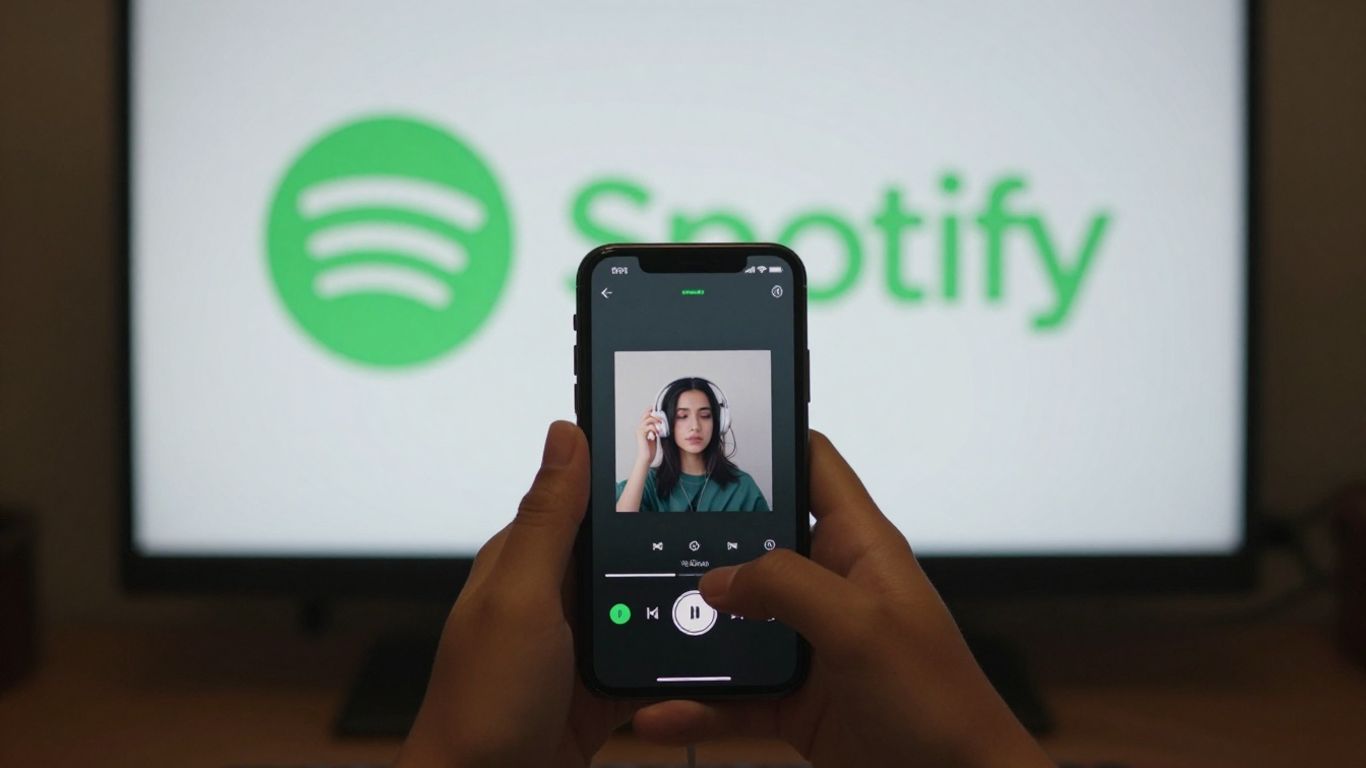
Spotify has really nailed the B2C game by focusing on what people actually want: music, tailored just for them. It’s not just about having a massive library; it’s about how they present it. Think about those personalised playlists like Discover Weekly. It feels like they actually know your taste, which is pretty clever, right? This deep level of personalisation is what keeps millions coming back.
They’ve also got this knack for making you feel part of something. Their yearly Spotify Wrapped campaign is a prime example. It’s a brilliant bit of marketing that gets everyone talking and sharing their own listening habits. It’s a win-win: users get a fun summary of their year in music, and Spotify gets a massive amount of free promotion.
Here’s a bit of a breakdown of what makes their approach work:
- Algorithmic Curation: Constantly analysing listening habits to suggest new tracks and artists you’ll probably love.
- User-Generated Content: Encouraging users to create and share their own playlists, building a community feel.
- Interactive Campaigns: Events like Spotify Wrapped turn data into shareable, engaging content.
- Cross-Platform Integration: Making it easy to listen on phones, computers, smart speakers, and more.
The real magic is in making the user feel understood. It’s about creating a personal soundtrack for everyone’s life, not just selling them access to songs.
It’s a strategy that’s all about building a relationship, not just a transaction. By consistently providing a tailored and engaging experience, Spotify has cemented its place as a leader in the streaming world. They’re a great example of how understanding your audience’s preferences can really pay off, and it’s worth looking at how they use social media virality to their advantage.
7. Zara
Zara is a bit of a phenomenon in the fashion world, isn’t it? They’ve really nailed this whole ‘fast fashion’ thing. The key to their success seems to be how quickly they can get new designs from the drawing board into stores. They’re constantly watching what people are buying and what’s trending, and then bam! It’s on the racks.
This speed means they’re always offering something fresh, which is pretty clever for keeping customers coming back. It’s like they’re always one step ahead, or at least right there with you, as soon as you decide you want something.
Here’s a look at how they manage it:
- Trend Spotting: They have teams that actively monitor fashion shows, street style, and social media to identify emerging trends.
- Rapid Design & Production: Designs are quickly translated into patterns and sent to factories, often located close to their main markets, for fast manufacturing.
- Limited Runs: Producing items in smaller batches creates a sense of scarcity and encourages immediate purchase, as popular items might not be restocked.
- Feedback Integration: Sales data and customer feedback are fed back into the design process almost in real-time, influencing what gets produced next.
Their ability to react so swiftly to what consumers want is a masterclass in B2C strategy. It’s not just about selling clothes; it’s about selling the idea of being on-trend, right now.
The whole model relies on a very tight supply chain and a deep understanding of consumer desire. It’s a delicate balancing act, but when it works, it really works.
8. Dollar Shave Club
Right then, let’s talk about Dollar Shave Club. These chaps really shook things up, didn’t they? They came onto the scene and basically said, ‘You know what? Buying razors is a bit of a rip-off.’ And they weren’t wrong. The big brands were charging a fortune for those fancy multi-blade cartridges, and most people just needed something decent that didn’t cost an arm and a leg.
What Dollar Shave Club did was pretty clever. They started with a cracking viral video – you know, the one with the bloke in the office talking about how much razors cost? It was funny, a bit cheeky, and it got millions of views. It cut through all the usual marketing noise and got straight to the point: they offered a simple, affordable solution.
Their whole model was built around a subscription. You sign up, pick your blades, and they just turn up at your door every month. No more last-minute dashes to the supermarket when you’ve run out, and crucially, no more paying over the odds. It made buying something as mundane as razor blades incredibly convenient.
Here’s a bit of a breakdown of their approach:
- Disruptive Pricing: They undercut the established brands significantly, making quality razors accessible.
- Subscription Convenience: A simple, recurring delivery model removed a common customer pain point.
- Viral Marketing: Their early use of humour and relatable content created massive brand awareness organically.
- Direct-to-Consumer Focus: Cutting out the middleman meant they could control costs and the customer experience.
They proved that sometimes, the best business strategy is just to be straightforward, a bit funny, and offer a genuinely good deal. People appreciate that, especially when it comes to everyday essentials.
It wasn’t just about the razors, though. It was about the attitude. They positioned themselves as the everyday bloke’s choice, the sensible alternative to the over-priced, over-hyped competition. This direct, no-nonsense approach really struck a chord and helped them build a loyal customer base pretty quickly.
9. Warby Parker
Warby Parker really shook things up in the eyewear world, didn’t they? They started out by basically saying, ‘Hey, why are glasses so expensive?’ and decided to do something about it. Instead of selling through loads of shops with all the markups that come with them, they went straight to us, the customers, online.
Their big idea was the home try-on programme. You pick a few frames online, they send them to your house, and you get a few days to see how they look. It’s a clever way to get around the whole ‘can’t try before you buy’ issue with glasses. This customer-focused approach, combined with a clear social mission – for every pair sold, they give a pair away to someone in need – really struck a chord.
It wasn’t just about selling glasses; it was about making a statement and feeling good about your purchase. They also made the whole process feel quite personal, which is a big deal when you’re buying something you’ll wear every day.
Here’s a bit of what made them stand out:
- Direct-to-Consumer Model: Cutting out the middleman meant they could offer stylish glasses at a much lower price.
- Home Try-On: A practical solution to a common shopping problem.
- Social Impact: The ‘buy a pair, give a pair’ initiative built a strong ethical brand image.
- Online Experience: A user-friendly website that made choosing and buying straightforward.
They showed that you don’t need a fancy shop on every corner to build a successful brand. By focusing on the customer’s needs and values, they created a loyal following and changed how people think about buying eyewear.
10. Casper
Casper really shook things up in the mattress industry, didn’t they? Before them, buying a mattress felt like this huge, complicated decision. You’d go to a store, lie on a few beds, and hope for the best, all while dealing with pushy salespeople and confusing jargon. Casper came along and basically said, ‘Let’s make this simple and stress-free.’
They focused on a few key things:
- Direct-to-consumer sales: Cutting out the middleman meant they could offer a better price.
- A single, well-designed product: Instead of dozens of confusing options, they launched with one universally appealing mattress.
- Risk-free trial: This was a game-changer. They let you try the mattress at home for 100 nights and return it if you weren’t happy. That took away so much of the buyer’s anxiety.
- Content marketing: They created blog posts and guides about sleep and comfort, positioning themselves as experts rather than just sellers.
Their approach made buying a mattress feel less like a chore and more like a smart, easy decision. It showed that by simplifying the process and building trust, you can completely change how people buy even the most traditional products. They proved that a good online experience, combined with a solid product and a customer-first policy, could really win over consumers.
Wrapping It Up
So, we’ve looked at some pretty cool businesses and how they connect with people. It’s clear that understanding who you’re selling to and what they actually want is a big deal. Whether it’s using tech to make things personal, telling stories that stick, or just being quick to offer what’s new, these examples show there are loads of ways to get it right. The main thing is to keep an eye on what customers are doing and feeling, and then adjust your own plans. Don’t just copy what others do, though. Think about how these ideas fit with your own business and what makes you unique. That’s how you’ll really make a mark in 2026.
Frequently Asked Questions
What makes these companies good examples of B2C businesses?
These companies are brilliant examples because they really understand what customers want. They use clever ways to connect with people, like making shopping easy and fun, offering personalised suggestions, and telling great stories that make you feel something. They also use technology to make things super convenient.
How can I use these examples to improve my own business strategy?
You can learn a lot by looking at how these businesses connect with their customers. Think about how you can make your customer’s experience more personal, use technology to make things easier, or tell stories that really grab people’s attention. It’s all about putting the customer first.
Why is personalization so important in B2C marketing?
People like to feel special. When a business remembers what you like or suggests things you might enjoy, it makes you feel understood. This makes you more likely to stick with that business and even tell your friends about it. It’s like having a friend who knows exactly what you’re looking for.
How do companies like Netflix and Spotify use content to keep customers engaged?
They are masters at suggesting things you’ll love! By looking at what you watch or listen to, they can guess what you might want next. This keeps you exploring their services and makes it feel like they’re always offering something new and exciting just for you.
What’s the role of technology in these successful B2C businesses?
Technology is a huge helper! Think about apps that let you order ahead at Starbucks, or websites that show you exactly what you might like to buy. Technology makes shopping quicker, easier, and more tailored to each person, which customers really appreciate.
Can small businesses use the same strategies as giants like Amazon?
Absolutely! While you might not have the same budget as Amazon, the core ideas are the same. Focus on understanding your customers really well, making their experience enjoyable, and using the tools you have to connect with them personally. Even small touches can make a big difference.