

Thinking about starting your own thing in 2026? It’s a good time to jump in, honestly. The way people do business has changed a lot, and there are more ways than ever to get your ideas off the ground. Whether you’re looking to sell cool stuff online, offer a unique service, or dive into the tech world, there are plenty of business ideas for men that could be a great fit. We’ve put together a list to get your wheels turning.
Key Takeaways
- Starting a niche e-commerce store lets you focus on a specific group of customers with tailored products.
- Subscription boxes offer recurring revenue by delivering curated items regularly.
- Print-on-demand services allow you to sell custom merchandise without holding inventory.
- Creating a digital marketplace connects local makers with a wider online audience.
- Selling second-hand or vintage items taps into the growing trend of sustainable shopping.
1. Niche Product E-Commerce Store
Think about it, instead of trying to sell everything to everyone, why not focus on a specific group of people with a very particular need or interest? That’s the core idea behind a niche e-commerce store. You’re not just selling a product; you’re becoming the go-to place for something specific. Maybe it’s high-quality, ethically sourced coffee beans for serious home brewers, or perhaps it’s specialized tools for miniature painters. The beauty here is that you can often face less competition than in a crowded general market. Plus, customers who find exactly what they’re looking for in your store are likely to become loyal fans. Building a brand around a passion or a problem can create a strong connection with your audience.
Getting started doesn’t have to be complicated. You can begin with a small inventory or even a dropshipping model to test the waters. Here’s a basic rundown:
- Identify Your Niche: What are you interested in? What problems can you solve? Look for underserved markets or areas where existing options are lacking.
- Source Your Products: Find reliable suppliers who can provide quality items that fit your niche. This might involve direct manufacturing, wholesale, or dropshipping.
- Build Your Online Store: Platforms like Shopify or WooCommerce make it relatively easy to set up a professional-looking website without needing to be a tech wizard.
- Market to Your Audience: Figure out where your target customers hang out online – maybe it’s specific forums, social media groups, or blogs – and tailor your marketing efforts there.
It might seem small at first, but a well-chosen niche can grow into a really solid business. People appreciate finding specialized items without having to search all over the internet.
2. Subscription Box Business
Subscription boxes are still a really popular way to get products to people. Think about it, who doesn’t like getting a surprise package in the mail every month? It’s all about convenience and the fun of discovering new things. You can really build a business around almost anything people are into, whether it’s fancy snacks, grooming stuff, books, or even supplies for a specific hobby.
The market for these boxes is pretty big and keeps growing. People are spending billions on them, and that number is expected to go up a lot in the next few years. The key to making this work is finding a niche that isn’t already flooded with options and then making sure your customers feel special. That means building good relationships with whoever supplies your products and creating an unboxing experience that’s actually exciting. It’s not just about the stuff inside; it’s the whole feeling of getting and opening the box.
Here’s a quick look at what goes into it:
- Finding Your Niche: What are people really into right now? Think about things like sustainable living, wellness trends, pet products, or even gear for people working from home.
- Sourcing Products: You’ll need to find reliable suppliers who can provide quality items consistently.
- Logistics: This includes managing your inventory, figuring out shipping, and making sure everything gets to your customers on time.
- Customer Experience: From the packaging to the product selection, make it a delightful experience that keeps people coming back.
While you do have to deal with inventory and shipping, the best part is the predictable income. Since people pay upfront for a set period, you get a steady stream of revenue, which is pretty sweet for planning and growth.
3. Print-On-Demand Merchandise
This is a pretty sweet deal for anyone who wants to sell custom stuff without a ton of upfront work. With print-on-demand (POD), you create designs for things like t-shirts, mugs, posters, or even phone cases, and then partner with a POD company. When someone buys your product, that company prints your design onto the item and ships it straight to the customer. You don’t have to worry about stocking inventory or handling shipping yourself.
It’s a low-risk way to get your creative ideas out there. You can test designs easily, and if something doesn’t sell, you haven’t lost money on a pile of unsold goods. Plus, you have total creative control over what you sell.
Here’s a quick look at how it generally works:
- Design Creation: You make your artwork or slogans.
- Platform Setup: You upload your designs to a POD service and list them on your own online store or a marketplace like Etsy.
- Customer Order: A customer buys your product.
- Production & Shipping: The POD company prints and ships the item.
- Profit: You get paid, minus the POD company’s base cost for the product and printing.
It’s a great way to explore your artistic side or tap into niche markets. Think about funny sayings for specific hobbies, cool graphics for local sports teams, or even personalized gifts. The possibilities are pretty wide open.
4. Digital Marketplace for Local Makers
Think about all the talented people in your town – the ones making cool pottery, unique jewelry, or awesome handmade soaps. They often struggle to get their work seen beyond local craft fairs or word-of-mouth. That’s where you come in. You can build an online platform, kind of like your own little Etsy, but focused specifically on creators in your area. This idea taps into the growing desire to support local businesses and buy unique, handcrafted items.
It’s a great way to connect these makers with a wider audience, both locally and maybe even beyond. You’re not just selling products; you’re helping to build a community around local artistry and entrepreneurship. Plus, it can be pretty profitable if you live in a diverse community with lots of creative folks.
Here’s a quick rundown of what you’d need to consider:
- Platform Development: You’ll need a website that’s easy for makers to upload their products to and for customers to browse and buy from. Think about features like seller profiles, product categories, and secure payment processing.
- Maker Recruitment: Actively reach out to local artists and craftspeople. Show them the benefits of joining your marketplace – increased visibility, access to a new customer base, and a supportive community.
- Marketing: Get the word out! Promote the marketplace to local shoppers who appreciate handmade goods. Social media, local events, and partnerships can all help.
- Logistics: Decide how shipping will work. Will makers handle it themselves, or will you offer a centralized shipping solution? This is a big part of the customer experience.
This kind of venture blends community spirit with the convenience of online shopping. It’s a chance to support small-scale creators and offer consumers something truly special that they can’t find just anywhere. You can find some great examples of online marketplaces for artisans to get inspiration.
5. Second-Hand and Vintage E-Stores
People are really into buying used stuff these days, and honestly, it makes sense. It’s better for the planet, and you can often find some really cool, unique items that nobody else has. This trend isn’t going anywhere, especially with folks being more mindful about their money and the environment.
Starting an online store for second-hand or vintage goods can be a solid business idea. You don’t need a ton of cash to get going. Think about what you’re good at finding – maybe it’s old clothes, retro furniture, or even old electronics that still work. You can start small, maybe with things you already own or can get for cheap.
Here’s a quick rundown of how you might get started:
- Source your inventory: Hit up thrift stores, flea markets, estate sales, or even ask friends and family if they have items they want to get rid of. Keep an eye out for quality and items that are in demand.
- Clean and repair: Give your items a good clean. If something needs a little fixing, like a button replaced or a scratch buffed out, do it. This makes them more appealing and worth more.
- Take good photos: This is super important for online sales. Good lighting and clear pictures from different angles will help customers see what they’re buying.
- Set up your online shop: You can start on platforms like eBay, Etsy, or Poshmark. As you grow, you might want to build your own website.
- Figure out shipping: Decide how you’ll package and ship items. Make sure you charge enough to cover costs but not so much that it scares customers away.
The key is to find a niche you’re passionate about and build a brand around it. Whether it’s 70s fashion or mid-century modern decor, people will come if you offer something special and reliable.
6. Freelance Software Development
The digital world keeps expanding, and businesses, big and small, constantly need new software, websites, and apps. This is where freelance software developers come in. Companies are increasingly looking to hire independent coders for specific projects instead of taking on full-time staff. This trend means there’s a solid demand for skilled developers who can build and maintain digital solutions.
If you have a knack for coding and problem-solving, going freelance can be a smart move. You get to pick the projects that interest you and set your own hours. Plus, the pay can be pretty good, especially if you specialize in in-demand areas like cloud computing, cybersecurity, or data science. It’s not just about writing code, though. You’ll also need to communicate well with clients, understand their needs, and manage your projects effectively.
Here’s a quick look at what you might be doing:
- Building custom web applications for businesses.
- Developing mobile apps for iOS and Android platforms.
- Creating and integrating APIs for different software systems.
- Troubleshooting and fixing bugs in existing software.
- Helping companies migrate their systems to the cloud.
To get started, you’ll want a strong portfolio showcasing your past work. Online platforms and networking can help you find clients. Remember, building good relationships with clients often leads to repeat business and referrals, which is key to a sustainable freelance career.
7. AI Training and Consulting Services
Artificial intelligence is no longer just a buzzword; it’s becoming a practical tool for businesses of all sizes. But let’s be real, figuring out how to actually use AI effectively can be a headache. That’s where you come in. Many small and medium-sized businesses are looking for someone to guide them through the maze of AI tools and strategies. Your job would be to help them understand what AI can do for them and how to implement it without breaking the bank or their brains.
Think about it: companies are drowning in data and trying to find ways to work smarter, not harder. They might need help setting up AI-powered customer service chatbots, automating repetitive tasks, or even just understanding how to use AI for better marketing insights. You could offer workshops, one-on-one consulting, or even help them choose the right AI software for their specific needs.
Here’s a breakdown of what this could look like:
- Training: Teach business owners and their staff how to use specific AI tools, like generative AI for content creation or AI analytics platforms.
- Strategy Development: Help companies figure out which AI applications make the most sense for their goals and how to integrate them into their existing operations.
- Implementation Support: Assist with the setup and configuration of AI tools, troubleshoot issues, and provide ongoing guidance.
- Custom Solutions: For larger clients, you might even develop tailored AI solutions or workflows.
It’s a field that’s growing fast, and the demand for people who can bridge the gap between complex technology and practical business application is only going to increase. If you’ve got a knack for explaining techy stuff in plain English and a solid grasp of current AI trends, this could be a really rewarding venture.
8. Mobile App Development
Think about how often you use your phone. Pretty much all the time, right? Well, lots of businesses are realizing that too, and they need custom apps to connect with people. This is where mobile app development comes in. It’s not just about making games anymore; it’s about creating tools that help businesses run smoother or give their customers a better experience.
The demand for well-made mobile applications continues to climb as more people rely on their smartphones for everything. Whether it’s a local restaurant needing an app for online orders and loyalty programs, a gym wanting to offer virtual classes and booking, or a service company needing a way for clients to schedule appointments, there’s a gap waiting to be filled. You could focus on a specific type of app, like productivity tools for remote workers, or perhaps something for the growing health and wellness sector.
Here’s a quick look at why this is a solid idea:
- Ubiquitous Smartphone Use: Millions of people in the US alone use smartphones daily. That’s a massive potential audience.
- Business Needs: Companies big and small are looking for ways to improve customer interaction, streamline operations, and stay competitive. Apps are a direct way to do that.
- Diverse Niches: You can specialize. Think about apps for event management, educational tools, or even specialized utility apps that solve a very specific problem for a particular group of users.
Getting started might seem daunting, but you don’t need to build the next big social media platform right away. Start with simpler projects, maybe for local businesses that don’t have a big budget. Building a portfolio and getting good reviews will help you land bigger clients down the line. Plus, with the rise of new technologies like augmented reality, there are always new frontiers to explore in app development.
9. Digital Product Development
Think about creating something once and selling it over and over. That’s the core idea behind digital product development. Instead of trading your time for money directly, you build a digital asset that can be distributed to many people. This could be anything from an eBook packed with useful information, a set of handy templates for graphic designers or small business owners, or even a full-blown online course teaching a skill you’ve mastered. The beauty here is the scalability – once the product is made, the cost to deliver it to another customer is practically zero.
It’s a smart move because people are always looking for ways to learn, improve, or simplify their lives, and digital products fit that need perfectly. Plus, you can run this kind of business from pretty much anywhere with an internet connection.
Here are a few popular types of digital products you could create:
- eBooks: Share your knowledge on a specific topic. Think guides, how-tos, or even fiction.
- Templates: Design pre-made layouts for things like social media posts, resumes, business plans, or spreadsheets.
- Online Courses: Break down a skill or subject into video lessons, written modules, and assignments.
- Software Plugins/Add-ons: If you have coding skills, create tools that enhance existing software.
- Stock Photos/Videos/Audio: For creatives, offering digital assets can be a good income stream.
The real win with digital products is the potential for passive income. You build it, market it, and then it can generate sales while you’re doing other things. It takes effort upfront, for sure, but the long-term payoff can be pretty significant.
10. UX/UI Design Services
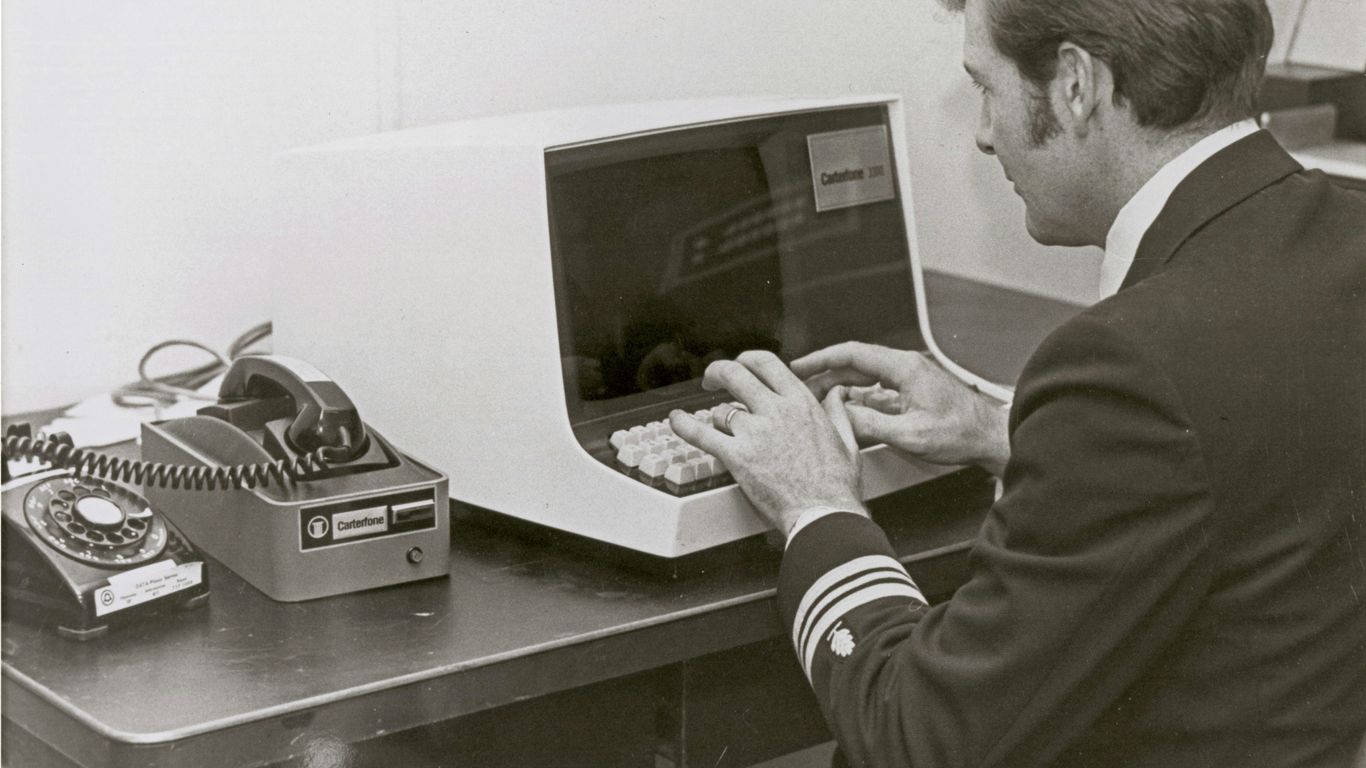
In today’s digital world, how a product looks and feels is just as important as what it does. That’s where UX/UI design comes in. UX stands for User Experience, and UI stands for User Interface. Basically, it’s all about making digital products, like websites and apps, easy and enjoyable to use. Companies are realizing that good design isn’t just a nice-to-have; it’s a must-have for keeping customers happy and getting them to buy things.
Think about it: if a website is confusing or an app crashes all the time, you’re probably not going to stick around, right? That’s why businesses are looking for people who can make their digital stuff user-friendly. You can help them by:
- Figuring out what users actually want and need.
- Sketching out how the product should work and look.
- Testing designs with real people to see what needs fixing.
- Making sure the final product is simple and pleasant to interact with.
This field is growing because more and more businesses are moving online. They need experts to make sure their customers have a good time using their services. It’s a great opportunity if you have a knack for understanding people and making things look good and work smoothly.
Ready to Launch Your Dream?
So, there you have it. We’ve looked at a bunch of different ways you could start your own thing in 2026. Whether you’re thinking about selling stuff online, offering a service, or getting creative with something totally new, the opportunities are definitely out there. It might seem like a lot, but remember, you don’t have to do everything at once. Pick something that sparks your interest, do a little homework, and just get started. The most important part is taking that first step. Good luck out there!