
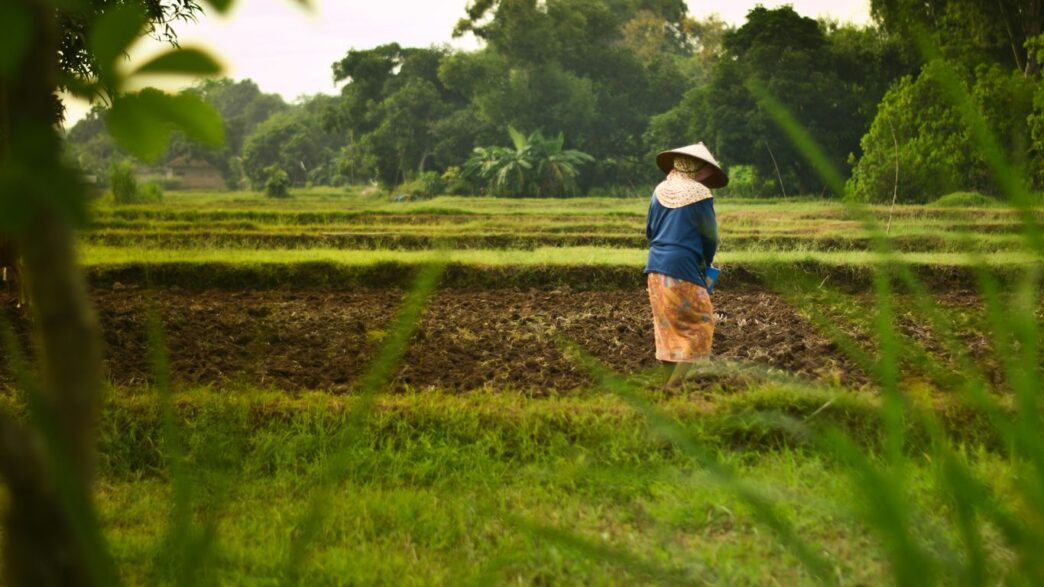
Thinking about where to put your money in the coming year? The farming world, or agribusiness as some call it, is always buzzing. It’s a sector that touches pretty much everything, from the food on our plates to the fuel in our cars. While it can be a bit of a rollercoaster with prices and weather, some companies in this space look pretty solid for 2026. These farmer stocks are involved in everything from making seeds and fertilizers to processing food and building the machines that do the heavy lifting on farms. Let’s take a look at some of the big names that might be worth watching.
Key Takeaways
- Archer-Daniels-Midland (ADM) is a big player in food processing and ingredient production, with a solid dividend yield.
- Bayer Aktiengesellschaft (BAYR.Y) is a giant in crop science, though it faces some legal challenges.
- Bunge Global (BG) is involved in everything from grain trading to oil production and is undergoing a significant merger.
- Scotts Miracle-Gro (SMG) leads the pack in lawn care products, appealing directly to consumers.
- Corteva (CTVA) focuses on seeds and crop protection, showing steady growth in its offerings.
1. Archer-Daniels-Midland
Archer-Daniels-Midland, or ADM as most folks call it, is a massive player in the world of agriculture. They’re involved in pretty much everything from growing crops to processing them into food ingredients, animal feed, and even biofuels. Think soybeans, corn, wheat – they handle a lot of it. They’ve been around for ages and have a pretty solid track record, even being called a "Dividend King" because they’ve boosted their dividend for over 50 years straight. That kind of consistency is rare.
ADM’s business model is built on scale and being involved in many steps of the process, from farm to table. This vertical integration gives them a leg up, especially when global demand for food and energy keeps climbing. While they’ve seen some ups and downs, like most companies, their sheer size and reach mean they’re usually well-positioned for the long haul.
Here’s a quick look at some of their key areas:
- Food Ingredients: They produce things like high-fructose corn syrup and textured vegetable protein, which are used in tons of everyday foods.
- Animal Nutrition: ADM is a big supplier of feed for livestock, a critical part of the food chain.
- Biofuels: They’re a major producer of ethanol, contributing to the renewable energy sector.
- Crop Origination and Processing: This is their bread and butter, where they buy crops from farmers and turn them into valuable products.
ADM’s ability to process and distribute agricultural commodities globally makes it a foundational company in the food and energy sectors. While market fluctuations can affect their short-term profits, their long-term outlook seems steady, driven by the basic need for food and fuel worldwide.
2. Bayer Aktiengesellschaft
Bayer is a big name, you know, the folks behind Aspirin and Aleve, but they’re also a major player in agriculture. They picked up Monsanto a few years back, which brought them the popular Roundup weed killer. This move made them one of the biggest companies out there for crop protection stuff and seeds.
Lately, things have been a bit rough for Bayer. They had to slash their dividend big time in early 2024, like by 95%, just to get more cash to deal with their debt. The whole year was tough, with sales and profits taking a hit, especially in their crop science and consumer health divisions. It seems like the agricultural climate hasn’t been too friendly.
The company is really trying to get back on track, but the legal battles, especially over Roundup, are still a cloud hanging over them. They’ve had to set aside billions to handle potential claims. It’s a tricky situation because while they’re a giant in the ag world, these lawsuits and the general market conditions have made their stock pretty volatile.
Here’s a quick look at some of their financial situation:
| Metric | Value |
|---|---|
| Market Cap | $43.9B |
| Dividend Yield | 0.28% |
| Gross Margin | 5.25% |
It’s a company with a lot of different products, from medicines to farming chemicals, and investors are watching closely to see how they manage their debt and those ongoing legal issues in the coming year.
3. Bunge Global

Bunge Global is a pretty big name in the agriculture world, dealing with everything from oil production to milling and trading grains. They also get into sugar and ethanol. Like a lot of other companies in this space, Bunge’s numbers have been a bit shaky lately. Commodity prices have dropped, and that really hit their revenue in 2024, even though they were moving more product.
It’s been a tough market, especially for their milling business and things like ethanol and specialty oils. But here’s the interesting part: they recently merged with Viterra, a big grain handler. This deal, which was worth about $34 billion including debt, has investors feeling a bit more optimistic about the future, even though 2024 was a struggle.
Here’s a quick look at some key figures:
- Market Cap: Around $18 billion
- Dividend Yield: Roughly 2.98%
- Gross Margin: About 4.32%
The merger with Viterra is really the big story here, potentially setting Bunge up for a stronger showing as things settle down. It’s a move that could help them navigate the ups and downs of commodity markets better in the coming years.
4. Scotts Miracle-Gro
Scotts Miracle-Gro is a bit of a different player on this list. Instead of selling to big farming operations, they’re all about the home gardener. Think lawn fertilizers, plant food, and all that stuff you use to make your yard look nice. They were a huge hit when everyone was stuck at home during the pandemic and decided to spruce up their gardens. But, like a lot of companies that boomed then, they’ve had a bit of a rougher time since.
Their Hawthorne division, which is into cannabis-related products, has really felt the pinch with the slowdown in that industry. It hasn’t been easy.
However, Scotts has been working on streamlining things. They’ve been cutting out the less profitable product lines and focusing on what works. This strategy seems to be paying off. In 2024, their U.S. consumer business saw sales go up, and profits have kept climbing into 2025, even if sales have been just okay. They’re still the go-to brand for at-home lawn care, and that’s a pretty solid spot to be in for the long haul.
Here’s a quick look at some of their recent performance:
| Metric | 2024 (Approx.) | 2025 (First Half) |
|---|---|---|
| U.S. Consumer Sales | Up | Flat |
| Profits | Growing | Growing |
It seems like they’re still figuring things out, but being the top dog in the backyard garden space gives them a good foundation for future growth.
5. Corteva
Corteva Agriscience is a pretty big name in the farming world, spun out from DowDuPont a few years back. They’re really focused on two main things: seeds and crop protection. Think corn, soybeans, and all that good stuff, plus the chemicals that keep pests and weeds away.
Lately, they’ve been doing okay. 2024 was a decent year, with sales picking up in their consumer business, especially for lawn care stuff. Profits have kept climbing into 2025, even if sales have been a bit flat. They’re still the go-to brand for a lot of people who want to take care of their yards themselves, and that’s a solid foundation for the future.
Here’s a quick look at how they’ve been doing:
- Strong performance in crop protection: They saw a good jump in how much crop protection stuff they sold, even though prices dipped a bit. This shows their products are in demand.
- Growth in seeds: Their corn and soybean seeds are doing well, which is a big part of their business.
- Digital tools: They’re also getting into digital farming, offering things like planting tech and soil mapping to help farmers be more efficient.
It’s not all smooth sailing, though. Like many in this industry, Corteva has faced some legal issues, particularly around certain pesticides. These kinds of things can pop up and cause headaches, so it’s something to keep an eye on. Still, with their strong position in key agricultural markets, Corteva looks like it’s on a good track for 2026.
6. Nutrien
Nutrien is a big name in the fertilizer world, formed back in 2018 when Potash Corporation of Saskatchewan and Agrium decided to join forces. They’re known for making the key crop nutrients: potash, nitrogen, and phosphate. You might remember fertilizer prices really shot up a couple of years ago, and Nutrien definitely rode that wave. However, things cooled off quite a bit in 2023 and 2024, with their revenue taking a hit.
It wasn’t the smoothest start to 2025 either, as lower fertilizer prices continued to put pressure on the business. But, the good news is things started looking up in the second half of the year. Even with the ups and downs, Nutrien is still making solid profits and holds its spot as a low-cost producer in the fertilizer industry. That’s a pretty good advantage to have in the long run.
Here’s a quick look at some key data:
- Market Cap: Around $30 billion
- Dividend Yield: Approximately 3.51%
- Industry: Chemicals
The company’s ability to manage costs while remaining a leader in fertilizer production positions it well for future stability.
7. FMC
FMC is a chemical company that works with agriculture, food, and even pharmaceuticals. In the farming world, they’re known for helping farmers grow more crops and better quality ones, all while trying to keep things good for the environment.
After a bit of a rough patch in 2023, things started looking up for FMC in 2024. Sales were down a little overall for the year, but that was mostly because customers were still working through their existing stock. By the second quarter of 2025, though, they were seeing solid growth in sales, up about 6%. It looks like those customer inventory levels have finally settled down.
FMC’s focus on helping farmers boost crop yields and quality, while also paying attention to environmental impact, positions them well for the future.
Here’s a quick look at some of their recent performance:
- 2024 Organic Revenue: Down 3% to $4.25 billion.
- Q2 2025 Volume Growth: Up 6%.
- Key Focus: Improving crop yield and quality with a nod to sustainability.
8. Tyson Foods
Tyson Foods is a pretty big name in the food world, handling everything from chicken and beef to pork. They also make animal feed and have a whole line of prepared foods under brands like Jimmy Dean and Hillshire Farm. After a bit of a rough patch in 2023, things started looking up for them in 2024. They managed to cut costs and got rid of a big accounting charge, which helped their numbers. Sales volume and prices were pretty steady, with revenue inching up by 1% to $53.3 billion in fiscal 2024.
What’s interesting is that Tyson brought in over $1 billion in savings from productivity improvements in 2024. That’s a good sign for their profits down the road. Even though the food business can be a bit unpredictable quarter to quarter, Tyson’s size and their focus on those higher-profit prepared foods should give them a solid advantage for a while.
Here’s a quick look at some key figures:
- Revenue (Fiscal 2024): $53.3 billion
- Key Improvement: Over $1 billion in productivity savings in 2024
- Product Focus: Poultry, pork, beef, animal feed, and prepared foods
- Brands: Ball Park, Aidells, Jimmy Dean, Hillshire Farm
9. Deere & Company
Deere & Company, a name pretty much synonymous with farming equipment, is looking pretty solid for 2026. You know, the big green tractors and combines? That’s them. They’re a giant in the farm equipment world, right up there with Kubota and CNH Industrial.
What’s got people talking is their push into technology. They’re not just making machines anymore; they’re making smart machines. Think automated farming, precision planting, and all sorts of digital tools to help farmers do their jobs better and easier. This focus on tech is a big deal because, let’s face it, feeding a growing world population means we need farming to be more efficient than ever.
Here’s a quick look at what makes them stand out:
- Leading the Pack: Deere is consistently one of the top three global manufacturers of agricultural equipment. That kind of market position isn’t easy to shake.
- Tech Investment: They’re pouring money into making farming more precise and automated. This includes everything from advanced GPS systems on tractors to software that helps manage crops.
- Meeting Demand: With the global population growing, the need for food keeps rising. Deere’s equipment is key to helping farmers meet that demand, especially as they adopt more advanced farming methods.
While the farm equipment industry can sometimes be a bit bumpy due to things like commodity prices, Deere’s long-term strategy seems to be about staying ahead of the curve with innovation. Their commitment to integrating technology into farming operations positions them well for continued growth as agriculture becomes more sophisticated.
10. AGCO Corp.
AGCO is a company that makes farm equipment, and they’ve been working on beefing up their product line. They’ve also been pretty good at controlling costs, which has helped their profit margins lately. A big move they made was teaming up with Trimble to create a joint venture called PTx, which is all about precision agriculture technology. This basically means they’re trying to make farming more automated and precise.
AGCO is really pushing to make farming easier and more efficient through technology. They’ve got this whole portfolio of tech solutions that give them an edge over competitors. Analysts seem to think they’re on a good track, with a decent long-term earnings growth rate projected. Plus, their earnings estimates for 2025 have actually gone up a bit recently, which is usually a good sign. They’ve also had some pretty impressive earnings surprises in the last few quarters.
Here’s a quick look at some of their recent performance:
- Revenue Growth: Reported 11% revenue growth in fiscal 2025.
- Record Earnings: Achieved record earnings per share of $6.78 in the same period.
- Strategic Acquisitions: Acquired a significant stake in Pessl Instruments GmbH to boost water management innovations and expand global reach.
They’re also seeing good opportunities in international markets, especially for irrigation, because of global food and water concerns. And their Road Zipper System is apparently getting popular for road construction projects. It looks like they’re keeping their finances in good shape while still investing in new ideas and growth.
Wrapping It Up
So, looking ahead to 2026, the farming sector seems to have some solid ground to stand on. While things can always change fast with weather or global events, the basic need for food keeps demand steady. Companies are working on making things more efficient and using new tech, which is a good sign. Remember, not all farm stocks are the same, so it’s smart to look at what fits your own investment style. Keep an eye on these companies, do your homework, and you might find some good opportunities in this essential industry.
Frequently Asked Questions
What makes these farmer stocks good for growth in 2026?
These companies are involved in essential parts of farming, like making seeds, fertilizers, and equipment. As the world’s population grows, so does the need for food, which means these companies are likely to see more business. Many are also using new technology to help farmers grow more food with fewer resources, making them more efficient and profitable.
Are agriculture stocks a safe investment?
Agriculture stocks can be a good part of an investment plan because people always need food. However, like any investment, they have risks. Things like weather, global events, and changes in crop prices can affect how well these companies do. It’s smart to research each company and understand its specific challenges and opportunities.
Why are companies like Bayer and Corteva on this list?
Bayer and Corteva are big players in making products that help crops grow and protect them from pests and diseases. They develop things like seeds that produce more, and chemicals that help crops survive. As farmers look for ways to get better yields and protect their harvests, these companies offer important solutions.
What role do fertilizer companies like Nutrien play?
Nutrien is a major producer of fertilizers, which are like food for plants. Fertilizers help crops grow strong and healthy, leading to bigger harvests. Even though fertilizer prices can change, Nutrien is known for being efficient, which helps it do well even when prices are tough. They are vital for ensuring enough food is produced.
How do companies like John Deere (Deere & Company) and AGCO fit into farming?
Deere & Company and AGCO make the machines that farmers use, like tractors and harvesters. As farms get bigger and labor costs rise, farmers need more advanced and efficient equipment. These companies are investing in technology to make farming easier and more productive, which is key for meeting future food demands.
What about food companies like Tyson Foods and Archer-Daniels-Midland?
Tyson Foods focuses on raising and processing meat like chicken, beef, and pork, while Archer-Daniels-Midland (ADM) processes crops into food ingredients and animal feed. They are important because they take the raw products from farms and turn them into the foods we eat or use to feed animals. Their size and efficiency help them manage costs and meet the constant demand for food products.