Foldable phones used to feel like a bit of a novelty, remember those early models? But wow, have they come a long way. Now, in 2025, they’re not just cool gadgets; they’re actually really good phones that can compete with the regular ones. We’ve got everything from tiny flip phones that fit in your pocket to big book-style ones that open up like a small tablet. Plus, some new tri-fold designs are popping up, which is pretty wild. So, if you’re thinking about getting one of the best foldable phones 2025 has to offer, it can be a little overwhelming with all the choices. Let’s break down some of the top contenders to help you figure out which one is the best fit for you.
Key Takeaways
- The Samsung Galaxy Z Flip 7 stands out with its improved larger outer screen, stronger build, and Samsung DeX support, making it a top pick for overall foldable phone experience.
- For those who want a big screen for work and play, the Samsung Galaxy Z Fold 7 offers a super thin design and impressive cameras, including a new 200MP main shooter.
- Google’s Pixel 10 Pro Fold brings enhanced AI features for photo editing and a durable new design, improving on its predecessor.
- The Motorola Razr Ultra (2025) is a strong contender, boasting a massive battery, a top-tier chipset, and useful AI tools, despite its higher price point.
- If budget is a concern, the Motorola Razr (2025) continues to be a great value, offering solid upgrades at an affordable price, making it the best cheap foldable option.
1. Samsung Galaxy Z Flip 7
Alright, let’s talk about the Samsung Galaxy Z Flip 7. This year, Samsung really seems to have hit its stride with the Flip line. It feels like they’ve finally figured out what makes a flip phone truly useful and, dare I say, fun.
The biggest game-changer is that much larger 4.1-inch outer screen. It’s not just bigger; it’s way more usable. You can actually get real information and interact with widgets without having to flip the phone open every single time. It makes checking notifications or replying to a quick message so much easier. When you do open it up, you’re greeted by a familiar 6.9-inch internal display that gives you the full smartphone experience.
Under the hood, it’s packing the Exynos 2500 processor with 12GB of RAM, which means it handles daily tasks and even some heavier apps without breaking a sweat. Plus, you get 256GB of storage standard, which is pretty generous. Samsung’s AI photo editing features are also here, and they’re quite handy for touching up shots.
Here’s a quick look at what makes it stand out:
- Pocket-Friendly Design: When folded, it’s incredibly compact, measuring just 85.5 x 75.2 x 13.7 mm. It genuinely disappears into a pocket.
- Creative Camera Tool: The folding screen acts like a built-in tripod, making selfies and video recording a breeze. The main 50MP camera also performs well, especially in low light.
- Samsung DeX Support: This is a big one for productivity. Being able to connect it to an external monitor for a desktop-like experience is a huge plus.
- Long-Term Software Support: Samsung promises seven years of OS updates, which is pretty amazing for a foldable.
Of course, it’s not perfect. While the outer screen is great, you still can’t run third-party apps on it like you can on some competitors. And the 25W charging, while not terrible, feels a bit slow in 2025. But overall, the Galaxy Z Flip 7 feels like the most complete and balanced flip phone Samsung has put out yet. It’s a solid choice if you want that compact form factor without sacrificing too much functionality. You can find out more about its latest features on Samsung’s site.
2. Samsung Galaxy Z Fold 7
Alright, let’s talk about the Samsung Galaxy Z Fold 7. This phone really feels like Samsung finally nailed the foldable concept. It’s surprisingly thin and light when closed, almost like a regular smartphone, which is a big deal for a device that opens up into a tablet-sized screen. Seriously, it’s thinner than some of the top slab phones out there right now.
The Z Fold 7 is easily the best folding phone you can buy, period. It just hits all the right notes. You get these two gorgeous displays – an 8-inch inner one and a 6.5-inch outer screen that feels really practical for everyday stuff. No more feeling like you have to unfold it just to check a notification.
Under the hood, it’s packing the latest Qualcomm Snapdragon 8 Elite chip with 12GB of RAM. That means it chews through tasks like a champ, and Samsung’s multitasking software, including that desktop-like DeX mode, makes it a productivity beast. You can actually get real work done on this thing.
Here’s a quick look at what you’re getting:
- Displays: A bright 8-inch main OLED and a wider 6.5-inch cover screen.
- Performance: Snapdragon 8 Elite for Galaxy with 12GB RAM.
- Camera: A massive 200MP main sensor that takes some seriously impressive shots.
- Software: Android 16 with Samsung’s One UI 8, plus a seven-year update promise.
- Design: Super thin and light, with a refined hinge that feels solid.
It’s not cheap, of course. You’re looking at around $2,119.99 for the 512GB unlocked model, but Samsung does offer financing options if that’s a bit steep. Considering what you get – a phone and a tablet in one, with top-tier specs and a commitment to long-term updates – it feels like a worthwhile investment for many. Plus, it’s readily available in the US, which can’t be said for all the competition. If you’re looking for a no-compromise foldable, this is it. You can find out more about the Samsung Galaxy Z Fold7 512GB Unlocked pricing and availability.
3. Google Pixel 10 Pro Fold
Alright, let’s talk about the Google Pixel 10 Pro Fold. This is Google’s third attempt at a foldable, and honestly, they’ve really stepped things up. What really sets this one apart is its durability – it’s the first foldable with full IP68 water and dust resistance. That’s a pretty big deal for a device with moving parts like a hinge. No more sweating over a little dust getting in, which is a common worry with these phones.
It’s got these two really nice screens. The outside one is 6.4 inches and feels pretty normal, making it easy to use for quick stuff. Then you unfold it to this big 8-inch display. It gets super bright, which is great for using it outside on a sunny day. Google’s also packed it with their Tensor G5 chip, so it’s got some smart AI features built-in. Think AI photo editing, offline translation, and even stuff like Gemini Live to help you out.
Here’s a quick look at some of the important bits:
- Display: 8-inch main OLED (120Hz, 2600+ nits peak) and a 6.4-inch outer OLED (120Hz).
- Processor: Google Tensor G5.
- Durability: IP68 water and dust resistance – a first for foldables.
- Software: Android 16 with Google’s take on the OS.
- Battery: 5,015 mAh with 30W wired charging.
Now, it’s not perfect. The crease in the middle of the big screen is still noticeable, especially in bright light. And while the Tensor G5 is good for everyday tasks, it’s not the fastest chip out there if you’re pushing it with really demanding apps. Battery life is also just okay, not amazing. But if you’re someone who really cares about having the best camera on a foldable, or you just prefer Google’s software and its AI smarts, this phone is definitely worth a look. Plus, it’s usually a bit cheaper than some of the other big foldable names out there.
4. Motorola Razr Ultra (2025)
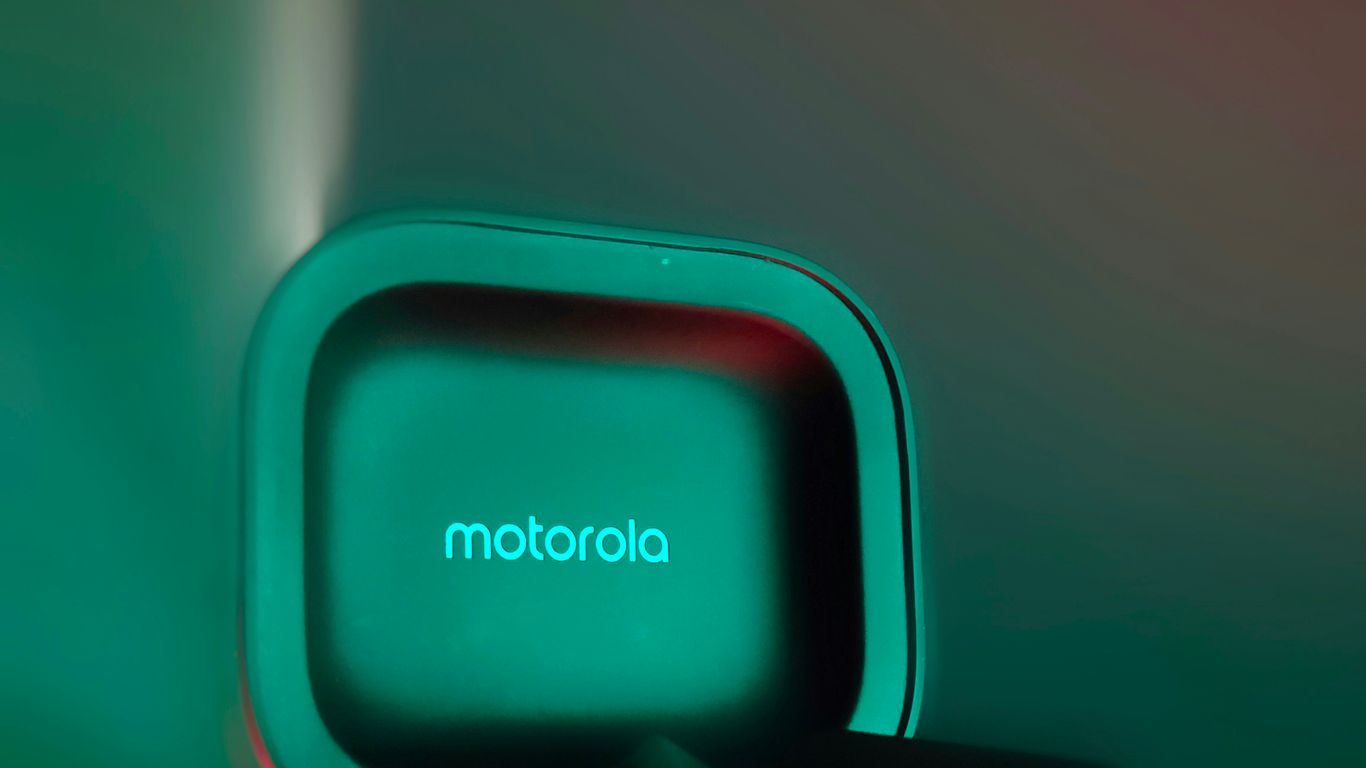
Alright, let’s talk about the Motorola Razr Ultra (2025). This phone really tries to stand out, and honestly, it does a pretty good job. It’s got this cool clamshell design that folds up, making it super pocketable, but then it opens up to this big, nice screen. It feels like you’re getting the best of both worlds, you know? A small phone that turns into a bigger one.
One of the things that really impressed me is the battery life. Most foldable phones struggle here, but the Razr Ultra seems to have figured something out. It packs a 4,700 mAh battery, and in testing, it lasted around 7 hours and 15 minutes. That’s pretty solid for a foldable. Plus, charging is quick – you can get to 80% in about 30 minutes with the 68W wired charger. It even has 30W wireless charging, which is faster than some competitors.
Performance-wise, it’s running on the Qualcomm Snapdragon 8 Elite chip, so it should handle most things you throw at it without breaking a sweat. Apps run smoothly, and multitasking feels good.
What else? Well, the displays are nice. You get a 7-inch inner OLED screen for all your main phone stuff, and a pretty big 4-inch external display. The cool part is that you can actually run most apps on that outer screen, which is handy if you just need to do something quick without unfolding the phone.
Motorola also teamed up with Pantone for some unique color options. We’re talking about shades like Cabaret (a pink), Mountain Trail (which has a wood-like look), Rio Red, and Scarab (a dark green). It’s definitely a phone that’ll get noticed, especially if you go for one of the bolder colors.
However, it’s not all perfect. The Razr Ultra is a bit pricier than some other options, coming in around $1,300. Also, the software support isn’t as long as some rivals; you’re looking at 3 years of major OS updates and 4 years of security updates. So, if long-term software support is a big deal for you, that’s something to consider.
Here’s a quick rundown of what you get:
- Performance: Snapdragon 8 Elite chip for smooth operation.
- Battery: 4,700 mAh battery with fast 68W wired and 30W wireless charging.
- Displays: A 7-inch main OLED and a functional 4-inch external display.
- Design: Compact clamshell that unfolds, available in stylish Pantone-chosen colors.
- Durability: It’s got an IP48 rating, meaning it can handle being submerged in water for a bit.
So, if you want a foldable that looks good, has great battery life, and lets you use that outer screen for more than just notifications, the Razr Ultra is definitely worth a look. Just keep the price and software update policy in mind.
5. Motorola Razr (2025)
Motorola’s Razr line has always been about bringing that classic flip phone feel into the modern age, and the 2025 model continues that trend. It’s a solid choice if you’re looking for a foldable that doesn’t break the bank. This phone really shines as an affordable way to get into the foldable market.
While it might not have the absolute top-tier processor found in some of its pricier competitors, the MediaTek Dimensity 7400X chip handles everyday tasks just fine. You get the same Moto AI features as the more expensive models, which is a nice touch. Plus, the design is still pretty slick, and it even has an IP48 rating for some water and dust resistance, which is pretty good for a foldable.
Here’s a quick look at what you get:
- Main Display: 6.9 inches (2640 x 1080 resolution)
- Outer Display: 3.6 inches (1066 x 1056 resolution)
- Processor: MediaTek Dimensity 7400X
- RAM/Storage: 8GB/256GB
- Software Support: 3 years (which is a bit short, honestly)
The camera has seen some improvements in image processing, making your photos look a bit better, and you can even use that outer screen for selfies. For the price, it’s hard to argue with the value here, especially if you want that nostalgic flip form factor with modern smarts. It’s a good option if you’re not trying to spend a fortune on a foldable device.
6. OnePlus Open
Even though it’s been out for a bit, the OnePlus Open still holds its own, especially when it comes to getting a lot done at once. Its multitasking feature, called Open Canvas, is seriously good. It’s like the phone just knows how to arrange apps so you can see and use up to three at the same time without feeling cramped. It’s pretty intuitive, honestly, and makes other phones feel a bit behind.
When I used it, the battery life was also a big plus. It lasted a good while, which is great for binge-watching or just getting through a busy day. Plus, OnePlus often has decent trade-in deals, which can make it a bit easier on the wallet.
Now, it’s not perfect. Some people might miss wireless charging, and if you’re big on taking photos in dim light, it’s not the best. But for what it offers, especially that smart multitasking, it’s a solid choice.
Here’s a quick look at what it offers:
- Main Screen: 7.8 inches (2440 x 2268)
- Secondary Screen: 6.3 inches (2484 x 1116)
- RAM/Storage: 16GB/512GB
- Battery: Long-lasting with fast charging
- Special Feature: Open Canvas multitasking
7. Samsung Galaxy Z TriFold
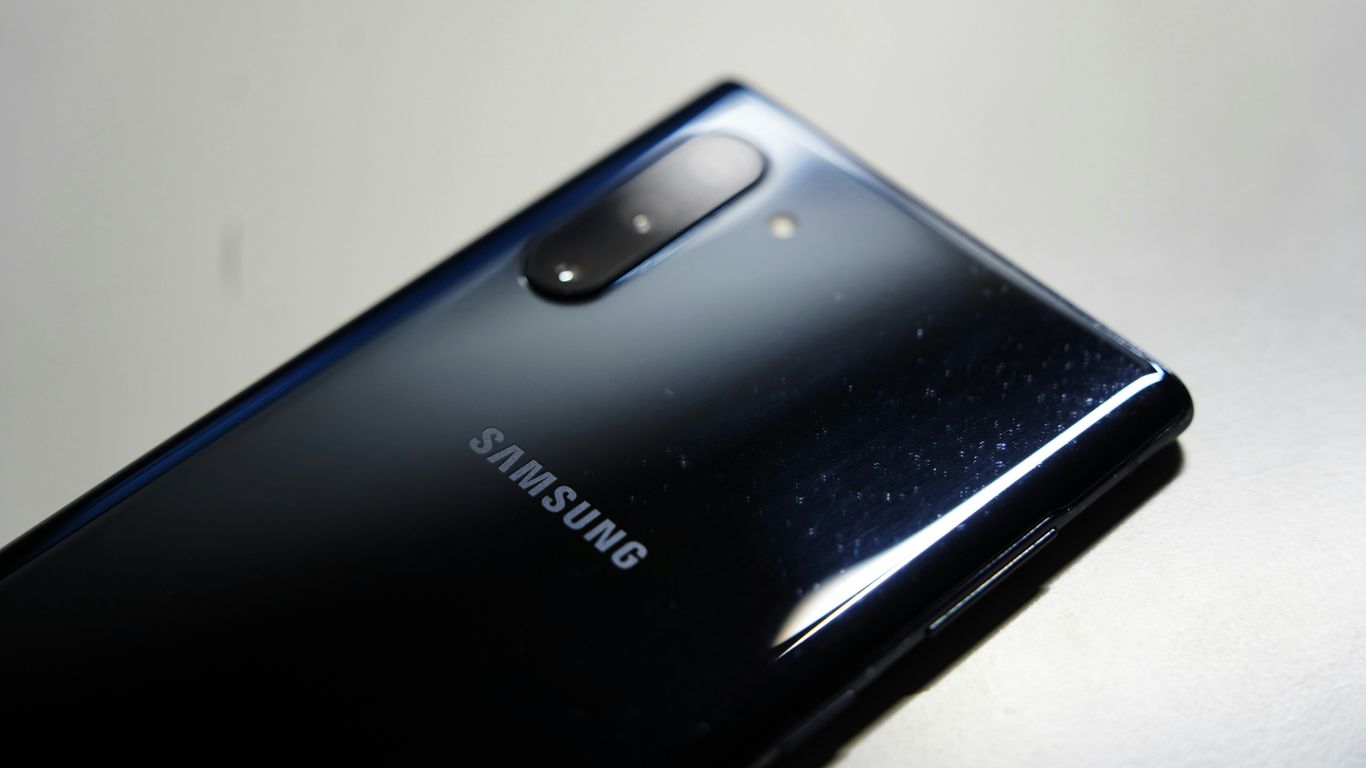
Okay, so Samsung isn’t stopping with just two foldable designs. If you thought the Z Fold 7 was a lot, get ready for the Galaxy Z TriFold. This one is aiming for something totally different, and honestly, it’s pretty wild. It’s basically a phone that unfolds into a small tablet.
When you unfold this thing, you’re looking at a screen that’s around 10 inches. Yeah, that’s tablet territory. It makes multitasking feel like a whole new ballgame compared to the usual foldables. It’s definitely thicker when it’s all folded up, but Samsung’s software, One UI, is pretty slick for juggling apps on that big screen. They’ve really put a lot of work into making it useful.
This isn’t really for everyone, though. It’s going to be pricey, and it’s only showing up in certain places. Think of it as a device for people who want the absolute latest tech and need a bigger screen on the go, but don’t mind carrying something a bit bulkier. Samsung is also promising seven years of updates and all the Google stuff, which is nice.
Here’s a quick rundown of what makes it stand out:
- Massive Inner Display: Around 10 inches when unfolded, great for serious multitasking or media.
- Unique Folding Design: A true tri-fold hinge that opens up a new form factor.
- Software Prowess: Samsung’s One UI is optimized for this larger screen.
- Long-Term Support: Seven years of software updates means it should stay current for a while.
If you’re an early adopter or someone who really needs a pocketable tablet, this might be your dream device. Just be ready for the cost and the extra thickness.
8. Huawei Mate XT
Huawei’s Mate XT is a bit of a different beast in the foldable world, especially if you’re used to phones with Google services baked in. For 2025, it’s sticking to its guns with EMUI 15, which means no native Google apps out of the box. You’ll need to get creative with workarounds if you rely heavily on those. But honestly, if you can get past that, there’s a lot to like here, particularly if battery life is your main concern.
The Mate XT boasts a massive 5,600 mAh battery that genuinely lasts. In our tests, it clocked in around 7 hours and 11 minutes, which is pretty darn good for a foldable and even competes with some regular phones. Plus, charging is super quick. You get 66W wired charging that juices it up to 79% in just 30 minutes, and a full charge takes about 43 minutes. Even the wireless charging is speedy at 50W, which is still rare in this category.
Durability is another strong point. Huawei has reinforced things with Kunlun glass and an IP58/IP59 rating, making it feel quite robust. It really seems like they’ve put effort into making this thing tough.
However, it’s not all perfect. The performance, powered by the Kirin 9030 chipset, isn’t quite as snappy as the top-tier Snapdragon chips you’ll find elsewhere. And, as mentioned, the lack of native Google services is a big hurdle for many.
Here’s a quick look at what it offers:
- Display: 8-inch 120Hz OLED inner screen
- Battery: 5,600 mAh with 66W wired and 50W wireless charging
- Durability: IP58 + IP59 rating with reinforced Kunlun glass
- Performance: Kirin 9030 chipset
- Software: EMUI 15 (no native Google services globally)
So, who is this phone for? If you absolutely need the best battery life in a foldable and don’t mind fiddling with software workarounds for Google apps, the Mate XT is definitely worth a look. It’s a solid choice for power users who prioritize endurance.
So, Which Foldable is Right for You?
Alright, so we’ve looked at a bunch of these folding phones, and it’s pretty clear they aren’t just a novelty anymore. They’ve gotten really good, offering some cool ways to use your phone that you just don’t get with a regular slab. Whether you want a big screen for work, a compact device that fits anywhere, or something that balances both, there’s definitely an option out there for you. Think about what you’ll actually be doing with your phone most – watching videos, juggling apps, or just quick checks on the go. That’ll help you narrow down the choices. The tech is only getting better, so whatever you pick today, expect even more neat stuff in the future. Happy folding!
Frequently Asked Questions
What kinds of foldable phones are there?
There are mainly two types of foldable phones: book-style ones that open up like a small tablet, and flip phones that fold in half to become smaller. Some new tri-fold phones can even unfold into a bigger screen.
Are foldable phones still easily broken?
Foldable phones are much tougher now than they used to be. Many can even handle getting wet! While they aren’t as tough as regular phones, with a little care, they hold up pretty well.
How big are foldable phones when they’re closed?
When folded, most book-style foldables are about the same size as a regular phone, making them easy to carry. Flip phones become even smaller, fitting easily into pockets.
What’s the most important thing to look for in a foldable?
Think about what you want to do with the phone. If you need to get lots of work done, a bigger screen might be better. If you want something small and easy to carry, a flip phone could be the way to go. Also, check out the battery life and camera quality.
Are foldable phones expensive?
Most foldable phones still cost a good amount of money, often over $1,000. However, there are some more affordable options, like the Motorola Razr, that offer a lot for their price.
Is a foldable phone worth buying?
It really depends on what you need. If you want a bigger screen for watching videos, reading, or getting work done, a foldable can be great. If you just need a phone for calls and texts, a regular phone might be just fine.