

Getting ready for a food service job interview can feel like a lot. You want to show you know your stuff, right? Especially if you’re aiming for a chef role, they’re going to ask more than just what your favorite dish is. They want to see how you handle the kitchen, manage your team, keep things clean, and make sure the food costs don’t go through the roof. This guide covers some common food service interview questions and answers, giving you a solid starting point to prepare your own responses. Think of this as your cheat sheet for landing that culinary gig.
Key Takeaways
- Showcase your passion and journey into the culinary world, highlighting early experiences.
- Describe your leadership style, focusing on clear communication and team support.
- Detail your methods for maintaining strict food safety and sanitation protocols.
- Explain your approach to menu creation, considering trends, costs, and guest preferences.
- Discuss how you manage budgets, control food costs, and adapt to supply chain challenges.
1. What Motivated You To Become A Chef?
So, what gets a person into the kitchen, really? For me, it started way back. I remember being a kid, always hanging around my grandma when she cooked. It wasn’t just about the food, though that was amazing. It was the whole atmosphere – the smells, the sounds, the way everyone gathered around the table afterward. That feeling stuck with me.
Later on, I got a job washing dishes in a local diner. It was a baptism by fire, honestly. Long hours, hot as heck, and you’re just trying to keep up. But I saw how everything worked, from the prep cooks getting everything ready to the line cooks plating dishes at lightning speed. I learned pretty quickly that being a chef isn’t just about making tasty food; it’s about running a whole operation. That blend of creativity and organized chaos really drew me in.
I moved up to prep cook, then learned different stations. Each step showed me more about the craft and the business side of things. It’s a demanding job, no doubt, but the chance to create something people enjoy, to lead a team, and to constantly learn new things? That’s what keeps me passionate about being a chef.
2. Describe Your Approach To Managing Kitchen Staff
Running a kitchen is a lot like conducting an orchestra – everyone has a part to play, and it needs to sound good together. My approach to managing kitchen staff is all about clear communication and leading by example. I believe in setting expectations upfront and making sure everyone knows exactly what’s needed from them, from the newest commis chef to the sous chef.
I try to foster an environment where people feel comfortable asking questions and offering suggestions. It’s not just about barking orders; it’s about building a team that works well under pressure. When things get hectic, and they do, staying calm and focused is key. I make it a point to be on the line, helping out where needed, rather than just observing from the office.
Here’s a quick look at how I structure my team management:
- Clear Roles and Responsibilities: Everyone understands their station and duties.
- Open Communication Channels: Regular check-ins and an open-door policy for feedback.
- Training and Development: Providing opportunities for staff to learn new skills and advance.
- Fairness and Consistency: Applying rules and recognition equally across the team.
- Problem-Solving: Addressing issues directly and constructively, focusing on solutions.
I also think it’s important to recognize good work. A simple ‘thank you’ or acknowledging someone’s effort in front of the team can go a long way. When mistakes happen, and they will, we look at them as learning opportunities, not just failures. The goal is to create a professional, efficient, and positive atmosphere where everyone can do their best work.
3. How Do You Ensure Food Safety And Sanitation Standards?
Keeping a kitchen clean and safe isn’t just about following rules; it’s about making it a habit for everyone on the team. My approach starts with making sure all staff know the ins and outs of proper food handling, from receiving ingredients to plating the final dish. We go over things like temperature control, preventing cross-contamination, and personal hygiene regularly.
Here’s a quick rundown of how we keep things up to par:
- Daily Cleaning Checklists: Every station has a detailed list of what needs to be cleaned and sanitized throughout the day and at closing. This isn’t just a quick wipe-down; it’s thorough.
- Temperature Monitoring: We use thermometers constantly. Cold foods need to stay cold, and hot foods need to stay hot. We log temperatures for refrigerators, freezers, and during cooking and holding.
- Regular Inspections: I do walk-throughs multiple times a shift, sometimes without warning, just to check that everything is being done correctly. It’s about catching small issues before they become big problems.
- Staff Training: New hires get a full rundown on our safety protocols, and we have refresher sessions for the whole team every few months. We also talk about any updates to health codes.
The goal is to create a culture where food safety is everyone’s top priority, every single day. It’s about protecting our guests and our reputation.
4. What Is Your Process For Menu Planning And Development?
When I’m thinking about a new menu, or even just tweaking an existing one, I start by looking at what’s in season. It just makes sense to use ingredients when they’re at their best, right? Plus, it usually means they’re more affordable. I also spend a good chunk of time checking out what other places are doing, not to copy, but to see what people are excited about. And, of course, I think about our restaurant’s whole vibe – what kind of food do we do best, and who are we trying to serve?
Then comes the fun part: testing. I’ll play around with recipes, trying different combinations, and really focusing on how it looks on the plate and, most importantly, how it tastes. I’m not afraid to try new things, but I also know that consistency is key. People come back for dishes they love, so they need to be repeatable.
Here’s a rough breakdown of how I approach it:
- Research: What’s trending? What are our customers asking for? What’s available seasonally and locally?
- Concept Alignment: Does this dish fit our restaurant’s identity and price point?
- Recipe Development: Testing, tasting, and refining for flavor, texture, and presentation.
- Costing: Figuring out the exact cost of each dish to make sure it’s profitable.
- Staff Input: Getting feedback from the kitchen team – they’re the ones making it, after all.
- Finalization: Putting it all together, making sure we have a balanced menu that offers variety but stays true to our core.
Ultimately, a successful menu is a blend of creativity, practicality, and a deep understanding of what your guests want. It’s a living thing, really, always evolving.
5. How Do You Manage Food Costs And Control Kitchen Budgets?
Keeping an eye on the numbers is just as important as making great food, right? Managing food costs and sticking to a budget isn’t just about saving money; it’s about running a smart, sustainable kitchen. It means being really organized and knowing exactly what’s coming in and going out.
Here’s how I tackle it:
- Inventory Control: This is the big one. I do regular, detailed inventory checks – weekly, usually. This isn’t just a quick glance; it’s counting everything, from the spices to the prime cuts. Knowing what we have prevents over-ordering and reduces waste. We use a strict FIFO (First-In, First-Out) system for all stock.
- Portion Control: Every dish needs to be consistent. We use standardized recipes with exact measurements and specific tools, like portion scales and scoops. This stops dishes from being too big or too small, which directly impacts cost per plate and customer satisfaction.
- Supplier Relationships: Building good relationships with suppliers is key. It’s not just about the lowest price, but also about reliability and quality. I regularly compare prices from different vendors and negotiate contracts to get the best value without sacrificing the ingredients we need. You can find some great tips on managing restaurant operations.
- Waste Reduction: We track what gets thrown away and why. Is it spoilage? Overproduction? Mistakes on the line? Identifying these patterns helps us make changes. Sometimes it means adjusting prep schedules, other times it might mean finding creative ways to use trim or leftovers in specials.
When budgets get tight, it’s not about cutting corners on quality. It’s about being clever. Maybe we swap out a more expensive protein for a seasonal, local alternative that’s just as good, or we get creative with vegetable dishes. It’s a constant balancing act, but a necessary one for the kitchen to thrive.
6. Describe A Time You Had To Adjust A Menu Due To Supply Chain Issues
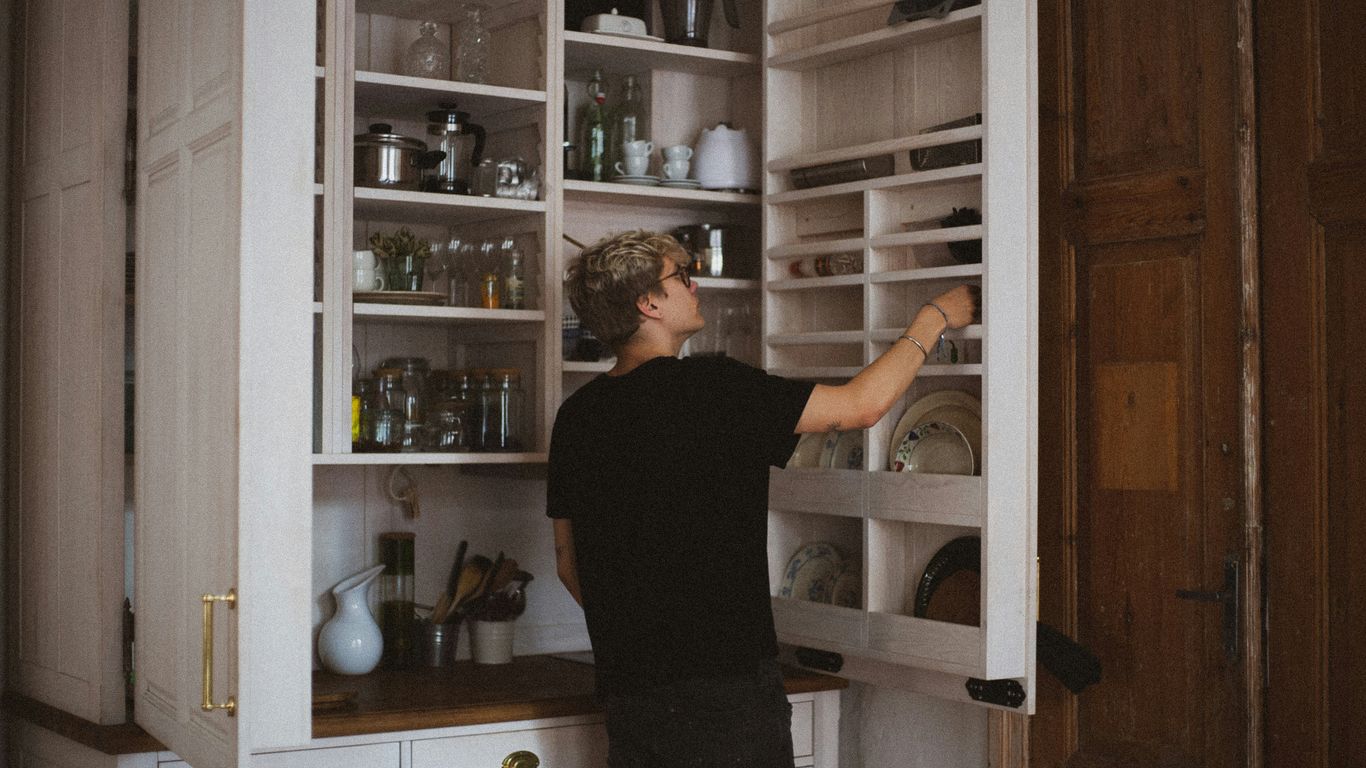
Supply chain hiccups happen, right? It’s not a matter of if, but when. I remember one particularly busy summer when our main supplier for a specific type of heirloom tomato, the star of our caprese salad special, suddenly couldn’t get them. We were looking at a week with no tomatoes, and that special was a big seller.
So, what did I do? First, I didn’t panic. I immediately reached out to a couple of other local farms we sometimes work with. One had a decent supply of a different, but still high-quality, heirloom variety. It wasn’t exactly the same, but it was close enough in texture and flavor profile.
Here’s how I handled it:
- Assessed Availability: I quickly checked what other local farms had in season and good quality.
- Tasted and Approved: I personally went to the farm, tasted the alternative tomatoes, and made sure they met our standards.
- Modified the Dish: We tweaked the caprese slightly, adding a bit more fresh basil and a drizzle of balsamic glaze to complement the new tomato’s flavor.
- Communicated with Staff: I briefed the front-of-house team on the change, explaining why and what to expect, so they could answer guest questions confidently.
- Updated Menus: We printed small inserts for the menus noting the change for that day’s special.
The key was acting fast and communicating clearly. We still offered a fantastic caprese, just with a slightly different star ingredient. It’s all about being flexible and resourceful to keep the kitchen running smoothly and guests happy, even when the unexpected pops up.
7. What Strategies Do You Use To Train And Develop Kitchen Staff?
Training and developing the kitchen team is something I take pretty seriously. It’s not just about getting people to do their jobs; it’s about helping them grow and become better at what they do. I start with a solid onboarding process for anyone new. This includes showing them the ropes, explaining our specific standards, and making sure they know where everything is.
I like to pair new hires with more experienced cooks. They can learn by watching and doing, and it helps build a good team dynamic right from the start. We also have regular check-ins, not just about performance, but about their career goals. What do they want to learn next? What areas do they feel they need more practice in?
Here’s a breakdown of how I approach staff development:
- Skill-Based Training: I identify specific skills that need improvement across the team, like knife skills, sauce making, or plating techniques. We’ll then schedule focused sessions, sometimes during slower periods, to work on these.
- Cross-Training: Getting cooks familiar with different stations is a big plus. It makes the team more flexible and helps everyone understand the whole kitchen operation better. It also prevents burnout from doing the same thing day in and day out.
- Feedback and Mentorship: Consistent, constructive feedback is key. I make it a point to talk to staff regularly, not just when something goes wrong. I also encourage senior staff to mentor junior members, sharing their knowledge and experience.
I also believe in giving people opportunities to step up. If someone shows potential, I might let them lead a special for a night or take charge of a specific prep list. It’s all about building confidence and capability. You can find more general tips on kitchen assistant roles here if you’re curious about other aspects of kitchen work.
8. How Do You Balance Creativity With Consistency?
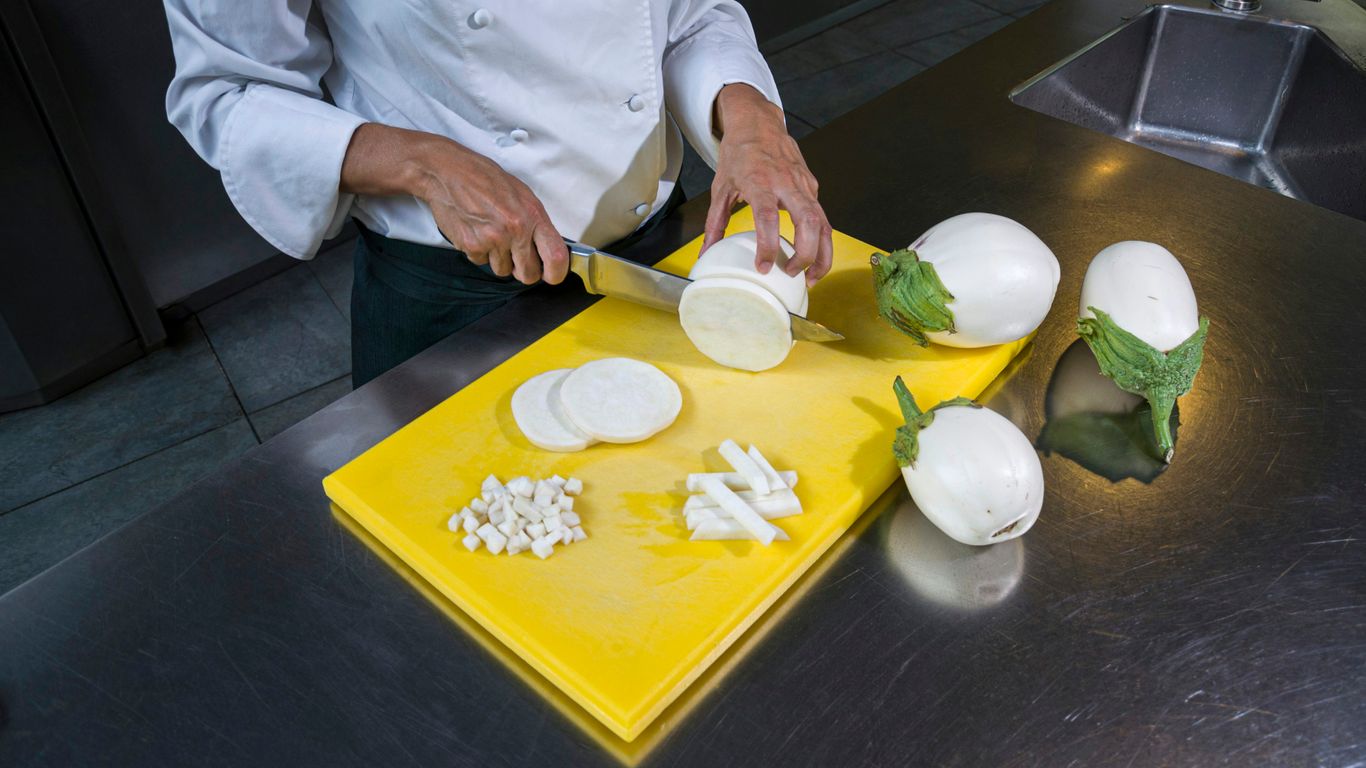
This is a big one in any kitchen, right? You want to keep things exciting, try new flavors, and maybe surprise your regulars with something special. But you also need to make sure that every single plate that goes out looks and tastes the same, no matter who made it or when. It’s all about having a solid foundation that lets your creativity shine without going off the rails.
My approach starts with really detailed recipes. I’m talking exact weights for ingredients, specific cooking times, and clear steps for plating. This isn’t about stifling creativity; it’s about creating a reliable blueprint. Think of it like a painter having their brushes and canvas ready before they start a masterpiece.
When we introduce a new dish, it goes through a few rounds of testing. We’ll have tasting sessions with the kitchen team and sometimes even a few trusted front-of-house staff. We tweak it, get feedback, and nail down the exact method and presentation before it hits the main menu. This way, everyone knows exactly how it should be made.
During service, consistency checks are just part of the routine. I’ll often do a quick walk-through, looking at plates as they’re being finished. It’s a quick visual check, a taste if needed. This helps catch any small deviations before they become a problem. It’s about maintaining standards, which ultimately leads to happy customers who know what to expect when they come to us. It also makes training new staff a lot easier because the process is already well-defined. You can find more general interview tips on restaurant positions.
Here’s a quick breakdown of how I manage it:
- Standardized Recipes: Detailed, precise instructions for every dish.
- Tasting & Feedback: Rigorous testing for new menu items.
- Regular Quality Checks: On-the-line inspections during service.
- Staff Training: Ensuring everyone understands and follows procedures.
- Ingredient Control: Using consistent, high-quality ingredients as the base.
9. Tell Me About Your Experience With Different Cuisines
My culinary journey has taken me through a variety of kitchens, giving me a broad base of knowledge. I started with a solid grounding in classic French techniques, which I think is important for understanding the fundamentals of cooking. From there, I spent a good chunk of time exploring the vibrant flavors of Southeast Asia, really getting into the balance of sweet, sour, salty, and spicy. I also have a soft spot for rustic Italian cooking, especially making fresh pasta from scratch.
I believe that understanding different cuisines isn’t just about knowing recipes; it’s about grasping the cultural context and the philosophy behind the food. It allows me to be more adaptable and creative when developing menus or specials. For instance, I can draw inspiration from a Thai curry to inform a new sauce for a European dish, or use a French technique to perfect a delicate Asian broth.
Here’s a quick look at some of the areas I’m most comfortable working with:
- European: Classic French, Italian (regional specialties), Spanish tapas.
- Asian: Thai, Vietnamese, basic Japanese (sushi and ramen).
- Mediterranean: Greek, Middle Eastern influences.
This breadth of experience helps me connect with a wider range of diners and contribute to a restaurant’s culinary diversity.
10. What Steps Do You Take To Ensure Ingredient Freshness And Quality?
Keeping ingredients top-notch is pretty much the whole game, right? It starts way before anything even hits the kitchen. I make it a point to build solid relationships with suppliers, the ones I know I can count on. It’s not just about price; it’s about trust and knowing they’re sending over good stuff. When deliveries arrive, I’m right there. I check everything – the temperature, the look, the smell. If something’s not up to par, it doesn’t get accepted. Simple as that.
Once it’s in the kitchen, rotation is key. We use the FIFO method – First-In, First-Out – religiously. Everything gets labeled with the date it arrived. Storage is also a big deal. We keep things organized, clean, and at the right temperatures, whether it’s dry storage, refrigeration, or freezer. It’s a lot of little things, but they add up to make sure what we’re cooking with is the best it can be. This attention to detail from sourcing to storage is what really makes a difference on the plate.
Here’s a quick rundown of my process:
- Supplier Vetting: I work with a select group of vendors known for quality and reliability. I visit them when possible to see their operations.
- Receiving Inspection: Every delivery is personally checked for quality, temperature, and any signs of spoilage or damage.
- Proper Storage: Ingredients are stored immediately in designated areas, following strict temperature guidelines and organized for easy access and rotation.
- Rotation System: Implementing FIFO is non-negotiable to prevent older stock from going bad.
- Regular Inventory Checks: I do frequent checks to monitor stock levels and identify any items that need to be used sooner rather than later.
Wrapping It Up
So, getting ready for a food service job interview can feel like a lot, right? We’ve gone over some common questions, from how you handle the kitchen chaos to making sure the food is safe and tasty. Remember, they’re not just looking for someone who can cook; they want to see how you lead, how you solve problems, and if you can keep things running smoothly. Practice these answers, think about your own experiences, and you’ll be in a much better spot. Good luck out there!
Frequently Asked Questions
Why do you want to be a chef?
My passion for cooking started when I was young, helping out in my family’s kitchen. Later, I worked as a dishwasher and then a prep cook, which showed me how a busy kitchen works. These jobs made me realize I wanted to lead a kitchen and create great food.
How do you lead your kitchen team?
I believe in showing by example and talking clearly with everyone. I make sure everyone knows what they need to do and encourage them to share ideas. I also help them learn new skills. This makes the team work well together and keeps everyone happy.
How do you keep the kitchen clean and safe?
I train my staff on how to handle food safely and follow rules like HACCP. We have daily cleaning tasks, and I check regularly to make sure everything is spotless. We also keep careful track of food temperatures to prevent any problems.
How do you create new menus?
I look at what’s popular and what our customers like. I also think about what foods are in season. I test new recipes to make sure they taste good and look nice. Then, I figure out the cost to make sure it makes sense for the restaurant.
How do you manage food costs and budgets?
I keep a close eye on all the food we have and buy. I also try to get the best prices from our suppliers. I make sure our cooks use the right amounts of ingredients and don’t waste food. If we need to save money, I find ways to use ingredients that are in season and less expensive.
What do you do if you can’t get certain ingredients?
If a key ingredient isn’t available, I quickly find a good substitute. For example, if we can’t get fresh fish, I might use a different type of local seafood that’s available and tastes great. I let the serving staff know right away so they can tell the customers.