Looking for a new phone that won’t break the bank but still does everything you need? You’re in luck. The mid-range smartphone market in 2025 is seriously good. We’ve sifted through tons of options to find the best mid range phone 2025 has to offer. Forget paying top dollar for fancy features you’ll never use; these phones give you a lot of bang for your buck. Whether you’re after a solid camera, long battery life, or just a smooth everyday experience, there’s something here for you. Let’s check out the top picks.
Key Takeaways
- The Google Pixel 9a is a top choice for its great camera and long software support, making it a solid all-around pick.
- For something a bit different with good battery life and a low price, the Nothing Phone (3a) is worth a look.
- Samsung’s Galaxy A56 offers a nice design and good software features, including AI, making it a strong contender in the mid-range.
- If you’re in the US, be aware that not all great mid-range phones from brands like Xiaomi or Poco are officially sold there, often requiring import.
- When choosing a mid-range phone, consider build quality, display, performance, cameras, battery, software, and overall value for money.
1. Google Pixel 9a

Alright, let’s talk about the Google Pixel 9a. If you’re looking for a phone that gives you a lot of the good stuff Google offers without making your wallet cry, this is probably it. It really feels like Google took the best bits from their pricier Pixel 9 phones and put them into this more affordable package.
The camera on this thing is seriously impressive for the price. You get a 48MP main sensor and a 13MP ultrawide, and the pictures come out sharp and consistent. Honestly, they look pretty close to what you’d get from the more expensive models. Plus, Google’s software magic really makes those photos pop, especially in tricky lighting. It even has a proper macro mode now, which is a nice touch for close-up shots.
Under the hood, it’s rocking the same Tensor G4 chip as the flagship Pixels. That means it’s snappy, especially with all the AI features Google is packing in. You get a nice 6.3-inch OLED display that’s bright enough to see even when you’re outside on a sunny day. It also supports a smooth 120Hz refresh rate, making scrolling feel really fluid.
What’s also a big deal is the software support. Google is promising seven years of updates for the Pixel 9a. That’s a really long time, meaning this phone should stay up-to-date with security fixes and new features for ages. It also means you’ll get the latest Android versions before a lot of other phones.
Here’s a quick look at some of the specs:
- Display: 6.3-inch OLED (2856×1280) with 120Hz refresh rate
- Processor: Google Tensor G4
- Main Camera: 48MP
- Ultrawide Camera: 13MP
- Software Support: 7 years of OS and security updates
Now, it’s not perfect. The wired charging is a bit slow at 23W, and the design is pretty plain, but if you want a solid phone that does the important things really well, especially the camera and software experience, the Pixel 9a is a fantastic choice in the mid-range market.
2. Nothing Phone (3a)
Alright, let’s talk about the Nothing Phone (3a). This phone really tries to do things differently, and honestly, it mostly succeeds. Its standout feature is definitely the design – that transparent back and the unique Glyph lights are just cool, plain and simple. It’s not just about looks, though. The software, Nothing OS, is clean and feels pretty snappy, which is a nice change from some of the more cluttered interfaces out there. Plus, they’re promising a solid six years of software updates, which is pretty amazing for a phone in this price range.
When it comes to performance, it’s powered by a Snapdragon 7s Gen 3 chip. For everyday stuff like browsing, social media, and watching videos, it handles things just fine. Don’t expect it to be a gaming powerhouse, though; it can get a bit choppy with really demanding games, even with its game mode on.
Here’s a quick look at some specs:
- Display: 6.77-inch 120Hz OLED
- Battery: 5,000 mAh
- Charging: 50W wired
- Storage: 256GB (standard)
- RAM: 12GB (standard)
The battery life is pretty solid, easily getting you through a full day. And the 50W charging is quick – you can get a decent chunk of power back in just 15 minutes. The biggest miss here? No wireless charging. It’s a trade-off, for sure, but given everything else you get, it might be one you can live with. The cameras are decent, especially the main and telephoto lenses, but the ultrawide isn’t the best, and low-light shots can be a bit hit or miss. Still, for the price, it’s a really interesting option if you want something that looks and feels a bit more special than the usual suspects.
3. Samsung Galaxy A56
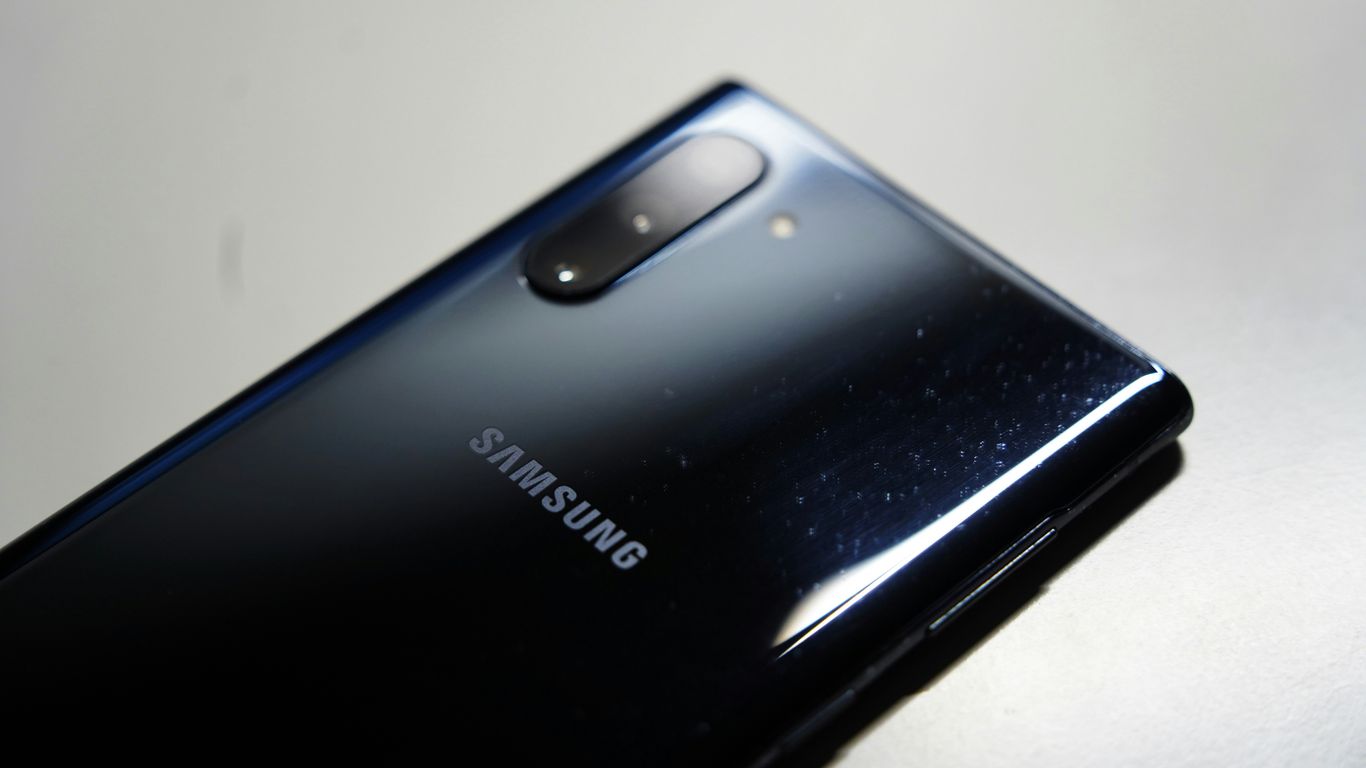
Alright, let’s talk about the Samsung Galaxy A56. This phone is kind of like getting a taste of the higher-end Galaxy S25+ without actually paying that much. It feels pretty good in the hand, has a nice screen, and generally does what you need it to do for daily tasks. Plus, Samsung’s One UI 7 is pretty slick, and it even throws in some useful AI tricks. And get this, Samsung promises six years of software and security updates, which is a really long time.
However, it’s not all sunshine and rainbows. If you’re trying to play some really demanding games or run heavy apps, you might notice it chugging a bit. The main camera is decent enough, but the other cameras on the back aren’t that great. Also, the speakers are just okay; you’ll probably want to use headphones for a better audio experience.
So, who is this phone for? If you’re someone who likes using those new AI features or really values having a phone that Samsung will keep updated for ages, this could be a good fit. But if you’re looking for a phone that excels at gaming or has a top-notch camera system all around, you might want to check out some of the other options on our list. It’s a solid phone, for sure, but maybe not the absolute best bang for your buck compared to some others.
Here’s a quick rundown:
- Premium feel and design
- Good main camera, but supporting cameras are weak
- Nifty AI features included
- Impressive six years of software support
- Speakers could be better
4. Xiaomi Poco X7
Alright, let’s talk about the Xiaomi Poco X7. This phone is kind of an interesting one in the mid-range space. It’s not a massive leap from its predecessor, the Poco X6, but it does bring some solid upgrades that make it a compelling choice, especially if you’re looking for good value. It’s actually pretty similar to the Redmi Note 14 Pro 5G, but usually comes in at a slightly better price point, which is always a win.
The Poco X7 offers a refreshed design and improved durability, including IP68 water resistance and better drop protection, which is a big deal for a phone in this price bracket. You also get a really nice AMOLED display that’s high-resolution and runs at 120Hz, with Dolby Vision support for better visuals. Day-to-day performance is generally smooth, and the cameras are pretty reliable, handling both daylight and low-light shots reasonably well.
Here’s a quick look at some of the key features:
- Display: High-resolution 120Hz AMOLED with Dolby Vision
- Durability: IP68 water and dust resistance, improved drop protection
- Camera: Reliable performance in various lighting conditions
- Battery: High-density battery with good performance, even in cold weather
- Connectivity: A good range of connection options
Now, it’s not perfect. The charging speed is actually slower than the previous model, which is a bit of a bummer. Also, the video stabilization when you’re walking around isn’t the best, and it uses a virtual proximity sensor, which some people aren’t a fan of. It also launches with Android 14, while some other phones are already on Android 15. Still, for the money, it’s a really solid device that gets a lot right. If you’re looking for a capable phone without breaking the bank, the Poco X7 is definitely worth considering, especially for its display quality and build.
5. iPhone 16e
Alright, let’s talk about the iPhone 16e. Apple’s really trying to hit that sweet spot with this one, aiming for folks who want that Apple experience without completely emptying their wallets. It’s priced a good chunk lower than the iPhone 17, which is definitely a plus. Plus, it actually gets to play with some of those new Apple Intelligence features, which is pretty neat.
But here’s the thing: to get to that lower price, Apple had to make some cuts. You’re looking at a single rear camera here, and you lose out on handy stuff like MagSafe and the Dynamic Island. If saving money is your absolute top priority, maybe these trade-offs are worth it. For most people, though, giving up those features might be a bit too much.
Here’s a quick look at what you get:
- Camera: A single rear camera setup. It’s decent, but don’t expect Pro-level shots.
- Features: Supports Apple Intelligence, but misses out on MagSafe and Dynamic Island.
- Price: Significantly cheaper than the iPhone 17, making it more accessible.
It’s a compromise, for sure. You get some of the new smarts and a lower price, but you’re definitely giving up some of the premium features that make iPhones stand out.
6. Samsung Galaxy S25
Samsung’s Galaxy S25 is a solid choice if you’re looking for a high-end phone that doesn’t break the bank. It packs a lot of the same power and features you’d find in its more expensive siblings, but in a more manageable size and at a better price point.
This phone really shines with its performance, thanks to the same Snapdragon 8 Elite chip found in the pricier models. You get a smooth experience whether you’re gaming, multitasking, or just browsing the web. Plus, the included Galaxy AI tools are genuinely useful for everyday tasks, making things a bit simpler.
Here’s a quick look at what you get:
- Performance: Top-tier Snapdragon 8 Elite for a fast, responsive feel.
- AI Features: Helpful tools that actually make a difference.
- Display: A bright and clear screen that’s great for watching videos or looking at photos.
- Battery: You can expect good battery life, so you won’t be hunting for a charger too often.
It’s a great option for people who want a powerful phone without the giant screen, or for those who appreciate a more compact design. If you’re interested in Samsung’s display tech, you might also want to check out what the Samsung Galaxy A56 offers in terms of screen quality for its class.
7. Samsung Galaxy S25 Edge
Okay, so the Samsung Galaxy S25 Edge. It’s kind of like the regular S25, but with a little extra flair, you know? Samsung really tried to pack a lot into this one without making it totally break the bank.
It feels like Samsung took everything good about the S25 and just gave it a slight curve on the screen and maybe a few other small tweaks. It’s got that same powerful processor, so apps run smooth and games are no problem. The screen is still really nice and bright, good for watching videos or just scrolling through stuff. And the battery life? Pretty solid, honestly. It should get you through most of the day without needing a charger.
Here’s a quick look at what you get:
- Performance: It uses the same fast chip as the bigger phones, so no lag here.
- Display: A bright, clear screen that’s easy on the eyes.
- Camera: Takes good pictures, especially in decent light. The AI features are pretty neat for editing photos too.
- Battery: You can expect a full day’s use from this phone.
- Software: Samsung’s One UI is easy to use, and they promise a good number of updates, which is always nice.
It’s a good option if you want a Samsung flagship experience but maybe don’t need all the bells and whistles of the absolute top-tier models. It hits a sweet spot for a lot of people.
8. Samsung Galaxy Z Flip 7
Samsung’s Galaxy Z Flip 7 continues to push the boundaries of what a foldable phone can be, and honestly, it’s pretty neat. This year, they’ve managed to make it even thinner and lighter, which makes a big difference when you’re just carrying it around all day. The design is really slick, and the main screen crease is less noticeable than before, which is always a plus.
The AI features on this thing are surprisingly useful. Samsung has really tailored its Galaxy AI tools to work well with the foldable format. Features like Now Brief and Now Bar on the outer display are handy for quick updates. Plus, the multimodal AI support, which lets the phone use its cameras to understand what you’re looking at, is a cool trick for getting information on the fly.
Here’s a quick look at what you get:
- Display: A bright 6.5-inch OLED screen that’s great for everything from browsing to watching videos.
- Performance: It uses Samsung’s own Exynos 2500 chip. While it might not top the charts against some competitors in benchmarks, it handles everyday tasks and gaming smoothly without any noticeable slowdowns.
- Cameras: The cameras haven’t seen a huge spec bump, but Samsung’s ProVisual Engine does a good job, especially in low light. You can also use the main camera for selfies by flipping the phone into Flex mode, which is pretty convenient.
- Battery: The battery life is better than previous Flips, but don’t expect miracles. It’s improved, but you’ll likely still need to charge it daily. It’s a trade-off for that super thin design.
While it’s not the cheapest phone out there, costing around $1,099, it feels like a solid choice if you’re drawn to the foldable concept. It’s a good blend of style, new tech, and Samsung’s reliable foldable experience.
9. iPhone 17
Alright, let’s talk about the iPhone 17. Apple’s latest non-Pro offering comes in at a familiar $799 price point, which feels pretty reasonable when you look at what you’re getting. It’s definitely a step up from last year’s model, especially with that smoother 120Hz display and a base storage of 256GB. Honestly, it feels like you’re getting a lot of the Pro features without the Pro price tag.
When it comes to photos, the 48MP main camera is quite capable, and it even offers a decent 2x lossless zoom. It’s not going to replace a dedicated telephoto lens, but for everyday shots, it does a solid job. The ultrawide camera also pulls in more light than before, which is nice for those dimmer situations. However, if you’re really pushing the zoom, say to 10x, the results start to look a bit behind what some competitors are doing.
Under the hood, the A19 chip is seriously fast. It handles everything you throw at it, including the new Apple Intelligence features, just as well as the Pro models. Battery life is also pretty good; it easily lasts through a full day of use. Plus, Apple’s finally bumped up the wired charging speed to 35W, so you can get a decent amount of juice back pretty quickly with the right charger. Overall, the iPhone 17 strikes a good balance for anyone who wants a solid iPhone experience without breaking the bank. It’s a good option if you’re looking for a reliable Apple smartphone that keeps up with the latest tech.
10. iPhone 17 Pro Max
Alright, let’s talk about the iPhone 17 Pro Max. Apple really went for it this year, giving their biggest phone a pretty significant makeover. It’s got this new two-toned look that’s actually kind of striking, a change from what we’ve seen for a while. Inside, it’s packing the A19 Pro chip, which is seriously fast. I mean, switching between apps feels super quick, and even heavy stuff like video transcoding gets done in half the time compared to some other top phones.
The camera system is where things get really interesting. They’ve swapped out the old 12MP 5x zoom for a new 48MP telephoto lens. It still does 4x optical zoom, but it can apparently get ‘optical-quality’ shots all the way up to 8x. Plus, there’s a new 18MP front camera that makes selfies and video calls much better, especially with that Center Stage feature.
Here’s a quick look at some of the specs:
- Display: 6.9-inch OLED, 1-120Hz refresh rate
- Processor: A19 Pro
- Rear Cameras: 48MP wide, 48MP ultra-wide, 48MP telephoto (4x optical)
- Front Camera: 18MP
- Battery Life: Around 18 hours of web surfing
Speaking of battery life, this thing is a marathon runner. We’re talking nearly 18 hours on our web surfing test, which is way longer than most phones can manage. It also charges a bit faster now, up to 35W wired. It’s definitely not a cheap phone, starting at $1,199, but you do get a lot of power and a really polished experience for that price. It might not have all the flashy AI features some competitors are pushing yet, but for raw performance and camera quality, it’s hard to beat.
Wrapping It Up
So, that’s our take on the best mid-range phones for 2025. It’s pretty wild how good these phones have gotten, right? You really don’t have to spend a fortune anymore to get a solid device that does most of what you need. Whether you’re all about snapping pics, playing games, or just need something reliable for daily stuff, there’s a phone on this list that should fit the bill. We looked at a bunch, and these 10 really stood out. Hopefully, this helps you figure out which one to grab next without too much head-scratching.
Frequently Asked Questions
What’s the best mid-range phone for most people?
The Google Pixel 9a usually takes the top spot for many users. It’s got great hardware, a really good camera, and a smooth software experience. Plus, it promises updates for a super long time, like seven years!
What’s a good, affordable mid-range phone?
If you’re looking for something that won’t break the bank but still offers a lot, the Nothing Phone (3a) is a solid choice. It looks cool, lets you change up the software a lot, and has a battery that lasts, all at a surprisingly low price.
What does ‘mid-range’ actually mean for phones?
Basically, it’s about the price. We consider phones mid-range if they cost between $300 and $700 when you buy them without a contract. Anything cheaper is a budget phone, and anything more expensive is a high-end or flagship phone.
Are there any good mid-range iPhones?
Apple’s only real mid-range option is the iPhone 16e, but it’s not the best. For a mid-range price, you might be better off looking at older iPhone models like the 14 or 15 series, or even a used or refurbished one. That’s often a smarter buy and better for the environment too.
Which Samsung phone is the best in the mid-range category?
The Samsung Galaxy A56 is currently the top pick. It’s slim, light, has a nice software experience with cool AI features, and Samsung promises to update it for a long time, making it a really strong option.
Why can’t I find some cool mid-range phones in the US?
Sometimes, big phone companies from China, like Xiaomi or Poco, don’t sell their phones directly in the US. These phones often give you a lot of bang for your buck with great features at a good price. If you want one, you’ll likely have to import it and make sure it works with your phone company.