
So, you’re looking to get your game on, but you don’t want to be tied to your couch? That’s totally understandable. Portable gaming consoles, or handhelds as we often call them, have really exploded in popularity. It feels like there’s a new device popping up every other week, promising to let you play everything from retro classics to the latest PC titles wherever you go. But with so many options out there, from tiny emulators to powerful handheld PCs, figuring out what’s actually worth your cash can be a bit of a headache. We’ve been playing around with a bunch of these gaming consoles portable, and this guide is here to help you sort through the noise and find the perfect one for you in 2025.
Key Takeaways
- The handheld gaming market is packed with options in 2025, ranging from budget-friendly emulators to high-end portable PCs.
- The Nintendo Switch 2 is a strong contender, especially for its graphics and improved design, though battery life and exclusive games are considerations.
- For PC gaming on the go, the Steam Deck OLED remains a top choice for its versatility and access to a large game library.
- Windows-based handhelds like the Asus ROG Ally and ROG Xbox Ally X offer powerful performance for playing games across various PC storefronts.
- When choosing a portable gaming console, consider your budget, the types of games you want to play, and where you’ll be using the device.
1. Steam Deck OLED
Alright, let’s talk about the Steam Deck OLED. Valve really hit a sweet spot with this one, taking their already solid Steam Deck and just making it better in all the right ways. If you’re into PC gaming and want to take that experience on the go, this is a serious contender.
The biggest upgrade, obviously, is that OLED screen. It’s a bit bigger than the original, and the colors just pop. Blacks are deeper, and everything looks more vibrant, especially with HDR support. Plus, it can run at 90Hz now, which makes games feel smoother. Honestly, just looking at games on this screen is a treat.
Valve also tweaked the internals a bit. It’s not a massive performance leap, but the OLED model is more power-efficient. Combined with a larger battery, this means you get more playtime between charges. They say you can get anywhere from three to twelve hours, depending on what you’re playing. That’s a pretty decent jump from the LCD version.
Here’s a quick rundown of what you get:
- Display: 7.4-inch HDR OLED, 1280 x 800 resolution, up to 90Hz refresh rate.
- Storage: Comes with 512GB or 1TB of internal storage, plus a microSD card slot for more.
- Controls: Still has those great trackpads, responsive buttons, and good haptics that make PC games feel right at home.
- Battery Life: Improved significantly thanks to the OLED screen and a bigger battery.
It’s not cheap, starting at $549, but for what it offers, it feels like a fair price. You’re getting a portable PC that can play a huge chunk of your Steam library. While it might struggle with the absolute newest, most demanding AAA titles on high settings, it handles most games well, especially if you’re okay with tweaking settings a bit. And for indie games or streaming, it’s fantastic. It’s a really well-rounded device that feels great to hold and use.
2. Nintendo Switch 2
Alright, let’s talk about the Nintendo Switch 2. This thing is pretty much Nintendo’s answer to the modern handheld gaming scene, and honestly, it’s a big step up from the original. It feels more like a dedicated gaming device, kind of like a slimmer Steam Deck, but with that unmistakable Nintendo polish.
One of the biggest draws, as always with Nintendo, is the games. You’re getting access to all those exclusive Nintendo titles that you just can’t play anywhere else. Think new Mario Kart adventures and Donkey Kong games. Plus, it’s backwards compatible with most of the original Switch games, so you’ve got a massive library right out of the gate. It’s also looking good on the third-party front, with big names already planning releases.
Here’s a quick rundown of what’s new:
- A bigger, better screen: We’re talking a 7.9-inch LCD display that’s sharper and brighter than before. It even supports HDR and can push up to 120Hz, which makes everything look super smooth.
- More power: Thanks to a new Nvidia chipset, it can handle 4K gaming when docked and still put out impressive 1080p visuals in handheld mode. Games just run better and look cleaner.
- Improved Joy-Cons: They snap on and off easier and Nintendo has even added some neat tricks, like letting them act as mice for certain games. Plus, they’re a bit bigger, which is nice for comfort.
- GameChat feature: This is a cool addition for playing with friends or family, letting you chat directly through the console.
It’s not all perfect, though. The battery life isn’t as long as some other handhelds, so you might find yourself looking for a charger after a few hours. And while it’s got a decent amount of storage built-in, expanding it requires those pricier microSD Express cards. Also, if you’re already deep into a PC game library, you might feel a bit boxed in by having to stick to Nintendo’s ecosystem. But if you’re all about those Nintendo exclusives and want a polished, powerful handheld experience, the Nintendo Switch 2 is definitely worth a look.
3. Asus ROG Ally
Alright, let’s talk about the Asus ROG Ally. This thing really made a splash when it first came out, and honestly, it still holds its own. It’s basically a Windows PC shrunk down into a handheld. That means you can play pretty much anything you can on your desktop, not just games from one specific store. Think Steam, Epic Games Store, Xbox Game Pass – all of it.
The screen is a real standout, a bright 7-inch 1080p display that can push up to 120Hz, making games look super smooth. It’s got this cool white design that feels pretty good in the hands, and it’s actually a bit lighter than some of its competitors. The speakers are surprisingly loud and clear too, which is a nice bonus.
Under the hood, it’s packing some serious power with an AMD Ryzen Z1 Extreme chip. This thing can handle modern games pretty well, often hitting higher frame rates than you might expect for a handheld. It’s not always perfect, especially in the most demanding titles at higher settings, but for the most part, it delivers a solid experience.
However, it’s not all sunshine and rainbows. Because it’s running Windows, you’ll have to deal with some of the quirks that come with that OS on a small screen. Battery life can also be a bit of a letdown, especially when you’re pushing the performance to its limits. And while the controls are decent, they don’t quite have that same premium feel as some other options out there.
Here’s a quick rundown:
- Display: 7-inch 1080p IPS, 120Hz refresh rate.
- Processor: AMD Ryzen Z1 Extreme.
- Operating System: Windows 11.
- Storage: Typically comes with 512GB SSD.
- Weight: Around 608g.
So, if you want a handheld that gives you access to a huge library of PC games and don’t mind a bit of Windows tinkering, the ROG Ally is definitely worth a look, especially if you can find it on sale.
4. ROG Xbox Ally X
Alright, let’s talk about the ROG Xbox Ally X. This thing is a bit of a powerhouse, no doubt about it. It’s packing the new AMD Ryzen Z2 Extreme processor, which really pushes the performance envelope for handheld gaming. You’re looking at some seriously smooth frame rates, even in demanding AAA titles, which is pretty wild for something you can just toss in a bag.
One of the biggest changes with this model is the design. They’ve added these chunky grips that feel a lot more like a traditional controller. It makes a big difference when you’re playing for a while; it’s just more comfortable. The layout is pretty familiar if you’ve seen other ROG Ally devices, but the subtle tweaks to the buttons and triggers make it feel more polished.
Here’s a quick look at what you get:
- Processor: AMD Ryzen Z2 Extreme
- Display: 7-inch 1080p 120Hz IPS
- RAM: 24GB
- Storage: 1TB
- Special Features: Hall effect joysticks, impulse triggers
Now, the elephant in the room is the price. This device isn’t cheap, coming in at around $1,000. That’s a hefty sum, and it doesn’t even have an OLED screen to show for it. But, if you’re after top-tier performance and don’t mind the cost, the ROG Xbox Ally X is definitely a contender. It runs Windows 11, so you get access to all your PC game libraries, which is a huge plus. It’s not exactly an Xbox in your pocket, but it’s a very capable Windows handheld that offers a premium gaming experience on the go. If you’re looking for a high-end portable PC gaming machine, this is one to seriously consider, especially if you want to play games outside of just Steam. You can check out more about its capabilities on the official product page.
5. Steam Deck LCD
Alright, let’s talk about the original Steam Deck, the LCD version. Even though its OLED sibling has arrived and is pretty sweet, this original model still holds its own, especially if you’re trying to keep costs down. For $399, you get a solid entry into the world of PC gaming on the go. It’s not the newest kid on the block anymore, but Valve really nailed a lot of things with this device.
What makes it a good buy, even now?
- It plays PC games: This sounds obvious, but it’s the main draw. You get access to your Steam library, and Valve even marks games that work well on the Deck, which is super helpful. No more guessing if a game will actually run.
- Controls are great: The trackpads and haptic feedback feel really good in your hands. It makes playing games that weren’t originally designed for controllers a lot more manageable.
- It’s a tinkerer’s dream: If you like to mess around with settings or even install other operating systems, the Steam Deck is pretty open to that. You can get it to do more than just play Steam games if you’re willing to put in a little effort.
Sure, the screen isn’t as vibrant as the OLED, and the battery life isn’t going to blow you away, especially with demanding games. You’re looking at maybe two to eight hours of playtime, depending on what you’re running. And yeah, some of the latest, super-heavy games might struggle to hit smooth frame rates. But for a lot of indie titles or older favorites, it’s fantastic. Plus, if something breaks, Valve makes it pretty easy to get replacement parts and fix it yourself. It’s a really good deal for what you get, especially if you already have a big Steam library waiting to be played.
6. PlayStation Portal
Sony’s PlayStation Portal is a bit of a unique device in the handheld space. It’s not a standalone console you can load games onto directly. Instead, it’s designed to stream games from your PlayStation 5 console over your home Wi-Fi. Think of it as a dedicated screen and controller setup for your PS5, but portable around the house.
It’s got a pretty nice 8-inch LCD screen that does a decent job of showing off your PS5 games. The controls are where it really shines, though. They feel very much like the DualSense controller, complete with those adaptive triggers and haptic feedback. It makes playing games feel more immersive, even if you’re just in another room.
Setting it up is generally straightforward, which is a plus. You just need your PS5 to be on or in rest mode, and then you connect the Portal to it. It’s a good option if you want to play your PS5 games but someone else is using the main TV. Plus, Sony has been adding cloud streaming capabilities for games through PlayStation Plus Premium, which opens up more options, though you’ll need that subscription.
However, it’s not perfect. The biggest drawback is that it relies entirely on your home network’s strength. If your Wi-Fi isn’t great, your game streaming experience will suffer. Also, it doesn’t support standard Bluetooth headphones, which is a bit of a miss. You’re either stuck with wired headphones or Sony’s own Pulse Explore earbuds. Honestly, for some, using the PS Remote Play app on a phone or tablet with a controller might offer similar functionality for less money. But if you’re a big PlayStation fan and want that dedicated, comfortable controller experience for your PS5 library, the Portal has its appeal.
7. Anbernic RG Cube
Alright, let’s talk about the Anbernic RG Cube. This thing is a bit of a curveball in the handheld world, mostly because of its screen. Instead of the usual widescreen or even a 4:3 aspect ratio, the RG Cube rocks a 1:1 square display. This 3.95-inch touchscreen is actually pretty neat for certain types of games.
Why a square screen, you ask? Well, a lot of older games, especially from the Game Boy era, were designed with this aspect ratio in mind. So, playing those on the RG Cube feels super authentic, maybe even more so than on a stretched-out widescreen. Plus, Anbernic threw in a touchscreen and a gyroscope, which makes emulating Nintendo DS games a surprisingly good experience. You can actually play titles like Zelda: A Link Between Worlds without too much fuss, which is pretty cool for a device this size.
Under the hood, it’s running Android 13, so you’ve got access to the Google Play Store. While it’s not going to replace your phone for demanding mobile games, you can definitely tinker with button mapping to get some bigger titles running. Performance-wise, it handles NES, SNES, and Sega Genesis games like a champ, and it’s pretty solid with PS1, PS2, and Dreamcast titles too. You might see a little stutter on the really tough ones, especially if you’re pushing the scaling, but for most retro stuff, it’s smooth sailing.
Here’s a quick rundown of what you get:
- Screen: 3.95-inch IPS touchscreen with a 720 x 720 resolution (1:1 aspect ratio).
- Performance: Powered by a decent chip with 8GB of RAM, good for most retro emulation up to PS2/Dreamcast.
- Controls: Hall-effect joysticks, clicky shoulder buttons, and a nice D-pad.
- Extras: Built-in cooling, gyroscope, and RGB lighting accents.
It’s a horizontal handheld, so it feels pretty comfortable to hold, even for longer play sessions. The build quality is solid, with nice, tactile buttons. If you’re a retro enthusiast looking for something a bit different, especially for Game Boy or DS emulation, the RG Cube is definitely worth a look. It’s not for everyone, though; if you primarily play widescreen games or prefer a vertical Game Boy-style layout, you might want to check out other Anbernic models.
8. Ayn Odin 2
Alright, let’s talk about the Ayn Odin 2. If you’re really into playing older games on a handheld, this thing is pretty darn impressive. It runs on Android, which means you can get all sorts of emulators and apps on it. Seriously, it handles most retro games you can throw at it, from the really old 8-bit stuff all the way up to more demanding 32-bit titles, and it does it smoothly.
Performance-wise, it’s got a Snapdragon 8 Gen 2 chip, which is the same kind of power you’d find in high-end phones from last year. This means it can run games from systems like the PlayStation 2 and GameCube at resolutions much higher than their original hardware. You won’t have to mess with settings too much for most games, which is a big plus.
Here’s a quick look at what it offers:
- Processor: Snapdragon 8 Gen 2
- Display: 6-inch 1080p IPS screen
- Battery: A hefty 8000mAh, giving you plenty of playtime.
- Storage: Options up to 512GB
It feels good in your hands too, with comfortable grips on the back. The joysticks are Hall effect, so they shouldn’t get that annoying drift over time. It’s not the cheapest option out there, especially when you compare it to something like the Steam Deck if you’re looking to play PC games. But if your main goal is top-tier emulation on Android, the Odin 2 is a really solid choice.
9. Super Pocket
Alright, let’s talk about the Super Pocket. This little guy is from HyperMegaTech, and it’s basically a super affordable way to get your retro gaming fix. It really nails that pocket-sized feel, living up to its name.
What’s cool is that it can play Evercade cartridges, which is a whole library of classic games. But even if you don’t have any carts, it comes with a built-in collection. You can get versions with either Capcom or Taito games, which is pretty neat. The design is pretty straightforward, kind of like a classic Game Boy, with a D-pad and buttons on the front, plus some shoulder buttons for games that need them. It’s small enough that you can seriously just toss it in your pocket and go.
It’s not trying to be some super powerful emulator that can play everything under the sun. It sticks to what it does best: playing those classic Evercade games and its built-in library smoothly. Don’t expect to be running PSP games or anything too demanding here. It’s all about simple, no-fuss fun.
Here’s a quick rundown:
- Who it’s for: Collectors, people who want something super portable, and anyone who just wants to jump into classic games without any hassle.
- Who it’s NOT for: Folks who want to tweak settings, load their own ROMs, or prefer a larger screen.
- Game Libraries: Comes with either 12 Capcom classics or 18 Taito arcade games built-in, plus it supports the full Evercade cartridge library.
10. Lenovo Legion Go
Alright, let’s talk about the Lenovo Legion Go. This thing is pretty interesting, especially the version that runs SteamOS. It feels like Lenovo took the Steam Deck concept and just cranked it up a notch with some beefier hardware. We’re talking about a Ryzen Z1 Extreme processor here, which is the same chip you’ll find in some other high-end handhelds. The big draw is that it runs SteamOS natively, meaning you get that smooth, gaming-focused experience that Steam Deck users love. It makes booting up games, managing your library, and just generally getting into your gaming session super easy.
One of the standout features is definitely the design. It’s got these really comfortable grips, and the whole thing just feels good in your hands, even for longer play sessions. Plus, that 8-inch screen is pretty sharp and has a nice 120Hz refresh rate, which makes everything look super smooth. It’s a big upgrade from the original Legion Go in terms of comfort, that’s for sure.
However, it’s not all perfect. Because it’s running SteamOS, which is based on Linux, you’re going to run into some compatibility issues. Not every single game out there will work perfectly, and some apps you might use on a Windows handheld will need workarounds or just won’t run at all. It’s something to keep in mind if you have a super specific game library you need to access. The battery life is also just okay – don’t expect marathon gaming sessions without a charger nearby. Still, if you’re looking for a powerful handheld that prioritizes a smooth SteamOS experience and comfortable ergonomics, the Lenovo Legion Go S is a solid contender.
11. Zotac Zone
The Zotac Zone is an interesting contender in the handheld PC space, aiming to blend a familiar Windows 11 experience with some premium features. It really shines with its AMOLED display, which offers vibrant colors and deep blacks, making games look fantastic. The Hall effect sticks are also a nice touch, promising better durability and precision over traditional ones.
However, the Zone isn’t without its drawbacks. The software experience can feel a bit clunky, and the internal storage isn’t the fastest, which can lead to longer load times. It’s a bit of a shame because the core hardware, including the CPU, is quite capable. If Zotac can iron out these software and storage kinks in future updates or revisions, the Zone could be a much stronger competitor. For now, it’s a device with a lot of potential, especially if you prioritize screen quality and are willing to overlook some of its rougher edges. It’s definitely worth keeping an eye on, especially if you’re looking for an alternative to the usual suspects in the handheld gaming PC market.
12. Razer Edge
Alright, let’s talk about the Razer Edge. This one’s an interesting choice, aiming for a slightly different crowd than some of the bigger players. It’s built around a 6.8-inch AMOLED display, which is pretty nice for vibrant colors and deep blacks, especially if you’re into games that really pop visually. It runs on Android, so you’re looking at mobile games primarily, but it also has some cloud gaming capabilities.
One of the cool things is its modular design. You can use it as a standalone tablet, or snap on the included controller grips to turn it into a more traditional handheld. This flexibility is a big plus if you like switching up how you play.
Here’s a quick rundown of what it offers:
- Display: 6.8-inch AMOLED, 144Hz refresh rate. This is definitely a highlight for smooth visuals.
- Processor: Snapdragon G3x Gen 1. It’s a chip designed for mobile gaming, so it handles most Android titles well.
- Connectivity: Wi-Fi 6E, Bluetooth 5.2. Pretty standard stuff for good online play and controller connections.
- Storage: 128GB internal, expandable via microSD. You’ll want to check how much space your favorite games take up.
Now, it’s not going to blow the doors off with raw power like some of the Windows handhelds out there. The Razer Edge really shines when you’re playing Android games or using cloud streaming services. It’s a solid option if you want a dedicated device for mobile gaming with a great screen and the ability to add physical controls when you want them. It feels pretty good in the hand with the controllers attached, though some might find the overall package a bit on the pricier side for what it is.
13. Logitech G Cloud
The Logitech G Cloud is an interesting device that really leans into the idea of cloud gaming. It’s built from the ground up for streaming your games, whether that’s from services like Xbox Cloud Gaming or GeForce Now, or even from your own PC at home.
When it launched, the price was a bit of a sticking point for many. At around $300, it felt a little steep for a device that doesn’t actually run games locally. However, if you’re all-in on cloud gaming and value a dedicated, comfortable device for it, the G Cloud has some serious appeal.
Here’s a quick look at what it offers:
- Display: A bright and vibrant 7-inch 1080p screen that’s great for visuals.
- Battery Life: You can expect a solid 10 to 12 hours of use on a single charge, which is pretty impressive.
- Ergonomics: It’s designed to be held for long gaming sessions without feeling uncomfortable.
It’s not going to replace your gaming PC or console, and its performance is entirely dependent on your internet connection. But for what it is – a dedicated cloud gaming handheld – it does a pretty good job. Just make sure your Wi-Fi is up to snuff before you pick one up.
14. Ayaneo 2S
The Ayaneo 2S is still a pretty solid choice if you’re after a premium Windows handheld, even with newer models popping up. It packs a serious punch when it comes to performance, letting you play a lot of demanding PC games on the go. It’s not the absolute newest kid on the block anymore, but it holds its own.
It’s a great option for maximum performance when you’re away from your desk.
Here’s a quick look at what it offers:
- Processor: Usually features a powerful AMD Ryzen APU, giving it the muscle for PC gaming.
- Display: Typically sports a good-sized, high-resolution screen for sharp visuals.
- Storage & RAM: Comes with ample storage and RAM to handle large game libraries and multitasking.
While newer devices might have slightly better specs or a fresh coat of paint, the Ayaneo 2S remains a strong contender for those who prioritize raw power in a portable package. Just keep an eye on the price, as it can fluctuate.
15. Anbernic RG28XX
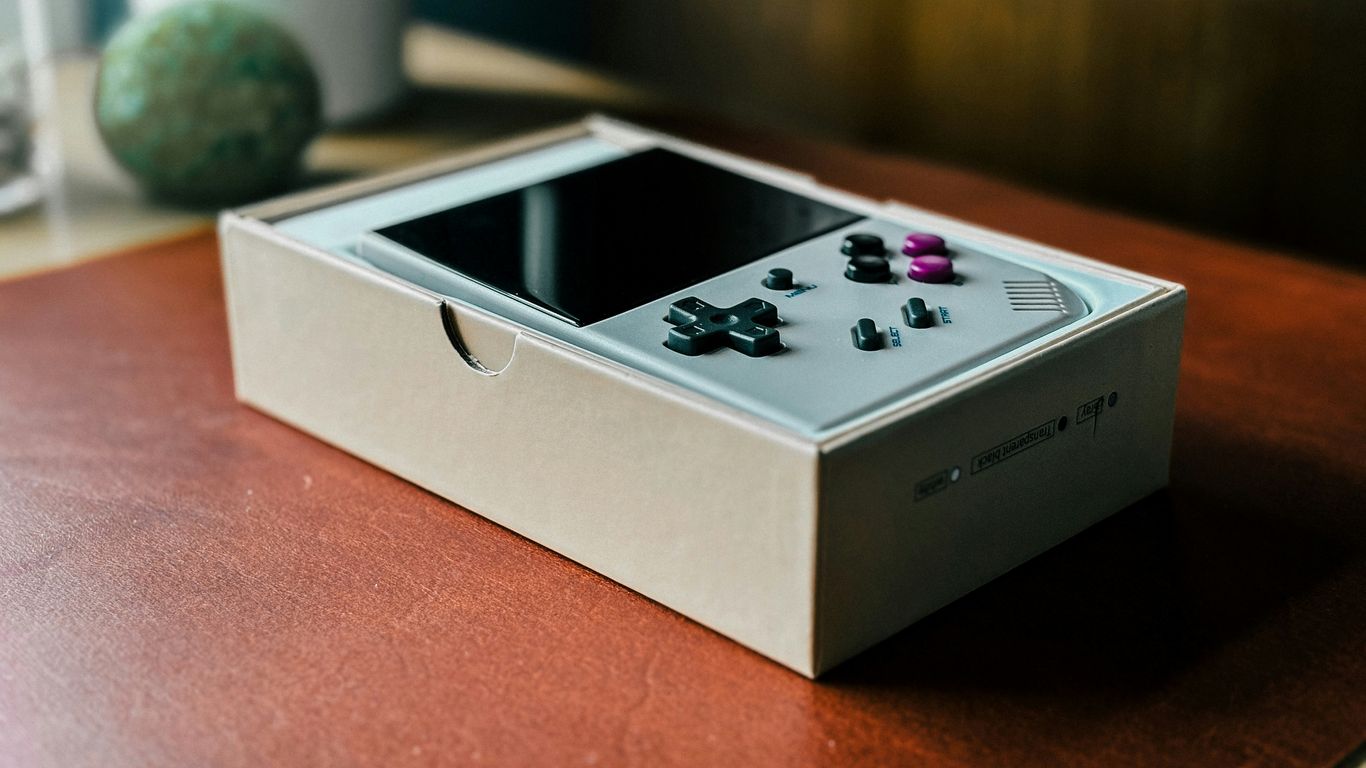
Alright, let’s talk about the Anbernic RG28XX. This little guy is pretty impressive for its size, seriously. If you’re into retro gaming and want something that can handle a good chunk of older consoles without breaking the bank, this is definitely worth a look. It punches way above its weight class when it comes to emulation.
You’ll easily be able to emulate everything up to the PlayStation 1 and Dreamcast on this tiny device, and it’s also a fantastic way to play Game Boy classics. It’s got that classic Anbernic feel, which means it’s built pretty solid for what it is. The screen is small, sure, but it’s sharp enough for those older games. It runs on a custom Linux system, which is pretty straightforward for getting your games loaded up. Don’t expect it to run the latest Android games or anything super demanding, though. This is strictly for your retro library.
Here’s a quick rundown of what you can expect:
- Emulation Power: Handles systems like NES, SNES, Genesis, PlayStation 1, and Dreamcast pretty well. Some tougher games might show a little stutter, but for the most part, it’s smooth sailing.
- Design: It’s compact and feels good in the hands for shorter play sessions. Think of it as a modern take on a classic handheld, but smaller.
- Value: This is where the RG28XX really shines. It offers a lot of emulation capability for a very low price, making it super accessible.
- Connectivity: It usually has a mini HDMI port, so you can even hook it up to a TV if you want a bigger screen experience, which is a nice bonus.
It’s not going to replace your Switch or Steam Deck, obviously, but for a pocketable device that brings back those old-school gaming memories, the RG28XX is a solid choice. Just keep your expectations realistic for its size and price point.
16. Anbernic RG35XXSP
Alright, let’s talk about the Anbernic RG35XXSP. This little guy is basically Anbernic taking their RG35XX Plus internals and slapping them into a clamshell design that looks a lot like the old Game Boy Advance SP. It’s a pretty neat idea, especially if you’ve got a soft spot for that GBA SP aesthetic. For its price, it really nails that retro feel.
When it comes to what it can play, it’s all about emulation. Think NES, SNES, Genesis, and even some Game Boy Advance titles. It’s not really built for modern Android games, so keep that in mind. The hardware inside is a step up from the original RG35XX, with a better processor and more RAM, which means smoother emulation for a wider range of older systems. You can even hook it up to a TV if you want a bigger screen experience.
Here’s a quick rundown of what you get:
- Design: Clamshell, reminiscent of the Game Boy Advance SP.
- Emulation: Handles systems up to and including some PSP titles.
- Display: Decent screen for its size, good for retro games.
- Connectivity: Mini HDMI out for TV connection.
Now, it’s not perfect. Some users have reported issues with the battery, which is a bit of a bummer. And while the custom Linux OS does the job, it’s not the most user-friendly thing out there, and updates can be a pain. But if you’re looking for a cheap way to play classic games and love that GBA SP look, the RG35XXSP is definitely worth a look. It’s a solid option for retro gaming enthusiasts on a budget.
17. Retroid Pocket 6
Alright, let’s talk about the Retroid Pocket 6. This thing is kind of the middle child in Retroid’s lineup, sitting between the super-powerful but maybe a bit much for some, and the smaller, more pocket-friendly options. It aims to hit that sweet spot for a lot of retro gaming fans.
What’s under the hood is pretty decent. It’s running on a chipset that’s capable of handling a good chunk of your emulation needs. Think PlayStation 2, GameCube, and all the systems before that – most of those should run pretty smoothly. It’s not going to be playing the latest PC games natively, but for emulating those classic consoles, it’s got the chops.
Here’s a quick rundown of what you can expect:
- Performance: Solid for PS2, GameCube, PSP, Dreamcast, and older systems. You’ll get good upscaling on most of these.
- Display: It’s got a nice screen, good for bringing those older games back to life. It’s not OLED, but it’s bright and clear enough for what it does.
- Controls: Retroid usually does a pretty good job with the buttons and sticks, and the Pocket 6 is no exception. They feel responsive and comfortable for longer play sessions.
- Build: It feels pretty solid in the hand, not too heavy, not too light. It’s designed to be portable, so it fits well in a bag or a larger pocket.
It’s a good option if you’re looking for a device that can play a wide range of retro games without breaking the bank or being too complicated to set up. It’s not the absolute top-tier for the newest emulation, but for the vast majority of what people want from a retro handheld, the Retroid Pocket 6 is a really solid choice.
18. Retroid Pocket G2
Okay, so let’s talk about the Retroid Pocket G2. This thing is pretty neat, honestly. It’s like they took the already good Retroid Pocket 5 and just cranked it up a notch. It really feels like Retroid has been listening to what people want in a handheld.
What’s cool is how much power they’ve packed into this relatively small device. It handles Android games like a champ, and for emulation, it’s seriously impressive. We’re talking perfect performance on systems like the PlayStation 2 and GameCube, which can be a real challenge for some handhelds. Even some Switch games run surprisingly well, which is wild to think about for a device this size.
Here’s a quick rundown of what makes it stand out:
- Screen: It’s got this really nice high-resolution AMOLED display. Colors just pop, and everything looks sharp.
- Controls: The buttons and joysticks feel great. They’ve got that symmetrical layout that just works, making it comfortable for longer play sessions. It’s a standout feature that offers an unbeatable user experience.
- Connectivity: You get all the modern stuff you’d expect – Wi-Fi, Bluetooth, even video output if you want to hook it up to a bigger screen.
- Performance: Powered by a Snapdragon 865 chip with 8GB of RAM, it’s got plenty of juice for most things you’ll throw at it.
It’s also pretty compact, especially when you compare it to some of the bigger players out there like the Steam Deck. And the price? Way more reasonable. Plus, it has this neat Retroid Launcher that helps you get set up quickly, and you can even dual-boot into Linux for a different vibe. If you’re looking for a solid all-around retro gaming device, the G2 is definitely worth a look. You can check out other Retroid releases from this year too, if you’re curious about different form factors.
19. AYN Odin 3
Alright, let’s talk about the AYN Odin 3. This is the successor to the Odin 2, and AYN has been pretty quiet about the specifics, but we’re expecting big things. Based on what we know about AYN’s track record, this device is likely to push the boundaries of what an Android handheld can do. Think even better emulation performance, smoother Android gaming, and maybe some new tricks up its sleeve.
While we don’t have all the details yet, here’s what we’re anticipating:
- Performance Boost: Expect a newer, more powerful chipset that will handle even more demanding retro games and modern Android titles with ease.
- Refined Design: AYN usually nails the ergonomics, so we’re hoping for a comfortable grip and a well-placed button layout, possibly with some tweaks based on user feedback from the Odin 2.
- Display Improvements: It’s possible we’ll see an even better screen, perhaps with higher refresh rates or improved color accuracy, making games look sharper and more vibrant.
It’s a bit of a gamble right now since it’s so new, but if you’re a fan of the Odin series or just want a top-tier Android emulation device, the Odin 3 is definitely one to keep an eye on. We’ll be sure to get our hands on it as soon as possible to give you the full rundown.
20. Ayaneo KONKR Pocket Fit
Okay, so the Ayaneo KONKR Pocket Fit. This one’s interesting because it’s trying to hit that sweet spot between a super-compact device and something that can actually play modern games. It’s definitely not as powerful as some of the bigger Windows handhelds out there, but that’s kind of the point, right? It’s designed to be something you can actually slip into your pocket without feeling like you’re carrying a brick.
Think of it as a more capable version of those tiny retro handhelds. It runs Windows, which means you’ve got access to a huge library of PC games, but it’s best suited for lighter indie titles or older games that don’t demand a beast of a machine. Don’t expect to be running Cyberpunk 2077 on this thing at high settings, but for some casual gaming on the go, it could be a decent option.
Here’s a quick rundown of what you might expect:
- Portability: This is its main selling point. It’s small, lightweight, and actually pocketable.
- Game Library: Runs Windows, so it can play a lot of PC games, but it’s really for less demanding titles.
- Controls: It’s got a pretty standard layout for a handheld, with joysticks, buttons, and triggers.
- Screen: Expect a smaller screen, which is a trade-off for the size.
It’s a bit of a niche device, for sure. If you’re someone who values portability above all else and just wants to play some PC games without being tied to a desk, the KONKR Pocket Fit might be worth a look. Just manage your expectations on the performance front.
21. AYN Thor
The AYN Thor is an interesting entry into the handheld gaming scene, especially for those who appreciate a dual-screen experience reminiscent of the Nintendo 3DS. It runs on Android 13, which means you’ve got access to a huge library of mobile games and emulators right out of the box. This clamshell design is a big draw for retro fans.
When it comes to performance, the Thor packs a punch, handling a wide range of Android games and emulators with relative ease. The dual OLED screens are a standout feature, offering vibrant colors and deep blacks that really make older games pop. However, the ergonomics of this device are something to consider. While the clamshell design is nostalgic, how comfortable it is for extended play sessions can vary from person to person. It’s definitely a device that aims for a specific niche, focusing on that classic dual-screen feel.
Here’s a quick look at what you might expect:
- Display: Dual OLED screens for that classic dual-screen feel.
- Operating System: Android 13, giving you access to a vast app ecosystem.
- Design: Clamshell form factor, reminiscent of older handhelds.
- Performance: Capable of running a good range of Android games and emulators.
If you’re looking for a modern take on a classic handheld experience, the AYN Thor is worth a look, though you’ll want to check out reviews focusing on its ergonomic design to see if it fits your hands.
22. Ayaneo Pocket DS
The Ayaneo Pocket DS is an interesting little device that tries to blend retro gaming with a bit of modern flair. It’s got that dual-screen setup, kind of like a Nintendo DS, which is pretty neat for certain games and even for navigating Windows. Honestly, it makes using the handheld feel a bit more intuitive than just tapping on a small screen all the time.
Under the hood, it’s packing a Ryzen 7 8840U APU, so it’s got enough power to handle most handheld games without breaking a sweat. It’s not going to blow you away with super high frame rates on the most demanding PC titles, but for emulation and indie games, it’s more than capable. Battery life is decent, too, though you might find yourself topping it up if you’re really pushing it.
What really sets the Pocket DS apart is its focus on usability. It has this little nubbin for mouse control that’s surprisingly easy to get used to, and you can even adjust cursor speed on the fly. It feels like Ayaneo put some real thought into making the day-to-day experience smoother, which is something you don’t always see in these handhelds. It’s a solid choice if you’re looking for something a bit different that prioritizes convenience alongside gaming performance.
23. Anbernic RG DS
Alright, let’s talk about the Anbernic RG DS. This little guy is pretty interesting if you’re a fan of the old Nintendo DS games. It’s one of the more affordable ways to get your hands on that dual-screen experience again.
Now, it’s not going to blow you away with super high-end specs, but that’s kind of the point. Anbernic made some choices to keep the price down, and for what you pay, it does a decent job of bringing back those classic DS titles. The dual screens are the main draw here, obviously, and they work well enough for playing games you might have missed or want to revisit. It’s a neat little device for dipping back into that specific library.
Here’s a quick rundown of what to expect:
- Dual Screens: The defining feature, allowing for that unique DS gameplay.
- Affordable Price: Significantly cheaper than other options for DS emulation.
- Portability: Compact design makes it easy to carry around.
If you’re looking for a dedicated way to play Nintendo DS games without breaking the bank, the Anbernic RG DS is definitely worth a look. It’s not perfect, but it hits a sweet spot for nostalgia and budget-conscious gamers. You can find more details about its capabilities on Anbernic’s website.
24. Game Boy
Ah, the Game Boy. It’s hard to talk about portable gaming without mentioning this absolute legend. Even though it’s ancient history now, its impact is still felt today. Think about it, this little grey brick basically invented the modern handheld gaming market. It wasn’t the first portable system, not by a long shot, but it was the one that got it right for the masses.
What made it so special? Well, a few things. First, the games. We got Tetris, Pokémon, Zelda – titles that are still huge today. Then there was the battery life. You could play for ages on just a few AA batteries, which was a big deal back then. And the screen, while not exactly high-definition by today’s standards, was good enough and surprisingly durable.
- Iconic Games: Tetris, Pokémon Red/Blue, The Legend of Zelda: Link’s Awakening, Super Mario Land 2: 6 Golden Coins.
- Durability: Famously tough, able to survive drops that would shatter modern devices.
- Battery Life: Incredible for its time, offering dozens of hours on a set of AA batteries.
- Accessibility: Simple controls and a wide range of games made it easy for anyone to pick up and play.
While you can’t exactly buy a new original Game Boy easily, there are modern devices that pay homage to it. Some FPGA-based systems, like the Analogue Pocket, can even play original Game Boy cartridges with near-perfect accuracy. It’s a testament to the original design that people are still finding ways to play these games today. It really set the stage for everything that came after it.
25. Sega Game Gear and more
When we talk about retro gaming, it’s easy to get lost in the big names like the Game Boy or the NES. But there’s a whole world of older consoles that still hold a special place in many gamers’ hearts. The Sega Game Gear, for instance, was a pretty neat device back in the day, offering a color screen when many competitors didn’t. It wasn’t perfect, mind you – battery life was notoriously short, and it was a bit chunky compared to its rivals.
But the spirit of these older handhelds lives on. Devices like the Analogue Pocket are a modern take on playing classic cartridges. It’s a really well-made piece of kit that can play original Game Boy, Game Boy Color, and Game Boy Advance games right out of the box. Plus, with some extra adapters, you can even get your Sega Game Gear, Atari Lynx, or Neo Geo Pocket games running on it. It’s a fantastic way to revisit those old favorites with a sharp, modern display. The build quality is top-notch, and it feels great in the hand.
Here’s a quick look at what makes devices like the Analogue Pocket stand out:
- Near-perfect emulation: Uses FPGA technology to mimic original hardware, offering a very authentic experience.
- Cartridge support: Plays original Game Boy, GBC, GBA, and even Game Gear cartridges with adapters.
- Modern display: Features a high-resolution screen that makes old games look crisp and vibrant.
- Expandability: Supports ROMs via microSD and can output to a TV with an optional dock.
While the Game Gear itself might be a relic, the desire to play those classic games hasn’t faded. It’s cool to see how modern hardware is keeping the legacy of these older systems alive, letting us enjoy them on updated devices. It really shows how much love there is for classic gaming hardware and the experiences they provided.
So, What’s Your Next Handheld Adventure?
Alright, so we’ve looked at a bunch of cool gadgets that let you game pretty much anywhere. It’s pretty wild how many options there are now, from beefy handheld PCs that can play your whole Steam library to simpler devices perfect for reliving old favorites. Whether you’re after the latest and greatest or just something to pass the time on your commute, there’s definitely a portable console out there for you. Think about what games you love, how much you want to spend, and where you’ll be playing most. That’ll help you pick the perfect device to take your gaming on the go. Happy gaming!
Frequently Asked Questions
What’s the best handheld for playing all kinds of games?
For a mix of PC games and other cool stuff, the Steam Deck OLED is a top pick. It’s like a mini computer for games. If you’re more into Nintendo games, the Nintendo Switch 2 is amazing with its better graphics and design.
Are there handhelds for playing older games?
Absolutely! Devices like the Anbernic RG Cube and Ayn Odin 2 are fantastic for playing games from older consoles, like Nintendo and Sega. They’re great for reliving classic gaming memories.
Can I play PlayStation games on a handheld?
Yes, the PlayStation Portal lets you stream games from your PS5 or play PlayStation Plus cloud games. It’s designed to bring your console experience on the go, but you need a good internet connection.
What if I want to play PC games from different stores?
Handheld PCs like the Asus ROG Ally and the upcoming ROG Xbox Ally X are built for this. They run Windows, so you can access games from various stores, not just one. They offer powerful gaming on the move.
Which handhelds are best for playing games on the go without needing a charger all the time?
For longer play sessions away from an outlet, devices like the Nintendo Switch or some Android handhelds might be better. They often use less power than powerful gaming PCs, giving you more playtime.
What’s the difference between a handheld PC and a regular handheld console?
Handheld PCs, like the Steam Deck or ROG Ally, are basically small computers that can play PC games. Regular handheld consoles, like the Nintendo Switch, are made specifically for their own games and systems. Handheld PCs offer more flexibility but can be more complex.