Toyota’s Commitment to Advanced LiDAR Technology
Integrating LiDAR for Enhanced Perception
Toyota isn’t just dabbling in new tech; they’re really putting their weight behind LiDAR. You know, that laser thingy that helps cars see? It’s a big deal for making cars smarter and safer. Toyota sees LiDAR as a key piece of the puzzle for truly advanced driver assistance and eventually, self-driving capabilities. It’s all about giving the car a much clearer picture of what’s going on around it, way beyond what our eyes can catch, especially when it’s dark or foggy out.
Think of it like this:
- Seeing in 3D: LiDAR shoots out laser beams and measures how long they take to bounce back. This creates a super detailed 3D map of everything – other cars, people, curbs, you name it.
- Spotting the Small Stuff: It’s incredibly good at picking out even small objects, like a child who might dart out into the street, or a piece of debris on the road.
- Constant Vigilance: Unlike us, LiDAR doesn’t get tired or distracted. It’s always scanning, always aware, 360 degrees around the vehicle.
Pioneering Safer Autonomous Systems
When you talk about cars driving themselves, safety is obviously the number one concern. Toyota is focusing on how LiDAR can help build systems that are not just functional, but genuinely trustworthy. They’re not rushing into things; it’s more about a careful, step-by-step approach to make sure these systems work reliably.
Here’s a look at how they’re approaching it:
- Building Trust Through Data: By using LiDAR, Toyota can gather incredibly precise data about the car’s surroundings. This data is what the car’s computer uses to make decisions, and the more accurate the data, the better those decisions will be.
- Working with Other Sensors: LiDAR isn’t usually a standalone thing. Toyota is looking at how to combine LiDAR’s strengths with cameras and radar to create a super-sensor system. Each sensor has its own good points, and putting them together makes the whole system more robust.
- Testing in Real-World Conditions: They’re not just testing in a lab. Toyota is putting these systems through their paces in all sorts of driving situations to see how they perform when things get tricky, like in heavy traffic or bad weather.
The Core Functionality of Toyota’s LiDAR Systems
So, how exactly does Toyota’s LiDAR tech work to make cars smarter and safer? It’s pretty neat, actually. Think of it like a super-powered set of eyes for the car, constantly scanning the world around it.
Precision Mapping with Laser Pulses
At its heart, LiDAR uses light. Specifically, it shoots out tiny pulses of laser light. These pulses bounce off everything they hit – other cars, people, curbs, you name it. The system then measures how long it takes for those pulses to come back. By doing this thousands of times a second, it builds a super detailed, 3D picture of the surroundings. This creates a point cloud, which is essentially a digital map of everything around the vehicle, accurate down to the centimeter. It’s not just about seeing things; it’s about knowing exactly where they are and how far away they are.
Real-Time Environmental Understanding
This 3D map isn’t static. The LiDAR system is always updating it, second by second. This means the car has a live, constantly refreshed view of its environment. It can track moving objects, like a pedestrian stepping off the curb or a car changing lanes. This continuous stream of data allows the car’s computer to understand what’s happening in real-time, which is pretty important when you’re talking about driving.
Obstacle and Pedestrian Detection
One of the most critical jobs for LiDAR is spotting things that could be a problem. Because it creates such a detailed 3D map, it’s really good at identifying different shapes and sizes. This makes it particularly effective at detecting:
- Pedestrians: Even in low light or when they’re partially hidden.
- Other Vehicles: Cars, trucks, and motorcycles, no matter the color.
- Cyclists and Smaller Objects: Things that might be harder for other sensors to pick up.
- Road Boundaries: Like curbs, barriers, and even changes in road surface.
This ability to accurately detect and classify objects is what helps the car make smart decisions, like slowing down or changing course to avoid a collision.
Benefits of Toyota’s LiDAR Integration
Toyota’s move to put advanced LiDAR systems into their vehicles isn’t just about keeping up with the latest tech trends. It’s about making cars fundamentally better and safer. Think of it like giving your car super-vision, but way more precise than what our eyes can do.
Unparalleled Accuracy in Object Recognition
One of the biggest wins with LiDAR is how incredibly accurate it is. Unlike cameras that can be fooled by lighting or glare, LiDAR uses laser pulses to measure distances. This means it can spot things like a small animal darting into the road or a pedestrian partially hidden behind a parked car with centimeter-level precision. This level of detail is a game-changer for preventing accidents. It’s not just about seeing objects; it’s about knowing exactly how far away they are and how big they are, all in real-time.
360-Degree Environmental Awareness
Imagine a car that can see everywhere at once. That’s essentially what LiDAR provides. The sensors create a complete, 360-degree view around the vehicle. This eliminates blind spots that traditional mirrors or cameras might miss. So, when you’re changing lanes or backing out of a tight spot, the car has a full picture of what’s happening around it. This constant awareness helps:
- Detect vehicles or cyclists approaching from the sides.
- Identify obstacles in parking lots.
- Understand the road’s boundaries, even without clear lane markings.
Reliable Performance in Varied Conditions
This is where LiDAR really shines, especially when compared to cameras alone. While cameras struggle in heavy rain, fog, or darkness, LiDAR’s laser-based system can cut through many of these conditions. It’s not completely immune to extreme weather, but it offers a much more consistent performance across a wider range of situations. This means the car’s safety systems can remain active and dependable, whether it’s a sunny afternoon or a foggy morning commute. This reliability is key to building trust in autonomous driving features.
Toyota’s LiDAR in Advanced Driver-Assistance
Supporting Adaptive Cruise Control
Toyota is really putting LiDAR to work in its driver-assistance features, and adaptive cruise control is a prime example. You know how regular cruise control just keeps you at a set speed? Well, adaptive cruise control is way smarter. It uses sensors, including LiDAR, to keep an eye on the car in front of you. If that car slows down, yours does too. If it speeds up, yours will too, up to your set speed.
LiDAR’s precision helps the system accurately judge the distance and relative speed of the vehicle ahead, even in tricky lighting. This means smoother braking and acceleration, making highway driving feel a lot less stressful. It’s not just about comfort, though; it’s about keeping a safe buffer zone, which is a big deal for preventing those fender-benders.
Enhancing Emergency Braking Systems
When it comes to safety, emergency braking is a lifesaver, and LiDAR plays a key role here too. Imagine you’re driving, and suddenly a pedestrian steps out, or another car slams on its brakes unexpectedly. Your reaction time might not be fast enough, but the car’s system, powered by LiDAR, can be.
LiDAR constantly scans the road, creating a 3D picture of everything around the vehicle. If it detects an object in the car’s path that’s too close and moving too fast for the driver to react, it can trigger the brakes automatically. This isn’t just a theoretical thing; it’s about giving the car the ability to react in milliseconds, potentially avoiding a collision altogether or at least reducing its severity. It’s like having an extra set of eyes that never get distracted.
Improving Lane-Keeping Assistance
Staying in your lane, especially on long drives or in confusing road layouts, can be tiring. Toyota’s lane-keeping assistance, boosted by LiDAR, helps with this. While cameras are often the primary sensor for lane detection, LiDAR adds another layer of certainty.
It can help confirm the vehicle’s position relative to lane markings and the road’s edge, even when markings are faded or obscured by rain. This helps the system make more reliable adjustments to keep the car centered. Think of it as a co-pilot that’s always double-checking where the car is on the road, making sure you don’t drift unintentionally. This is particularly useful in situations like construction zones or areas with unclear lane divisions.
Addressing Challenges in LiDAR Adoption
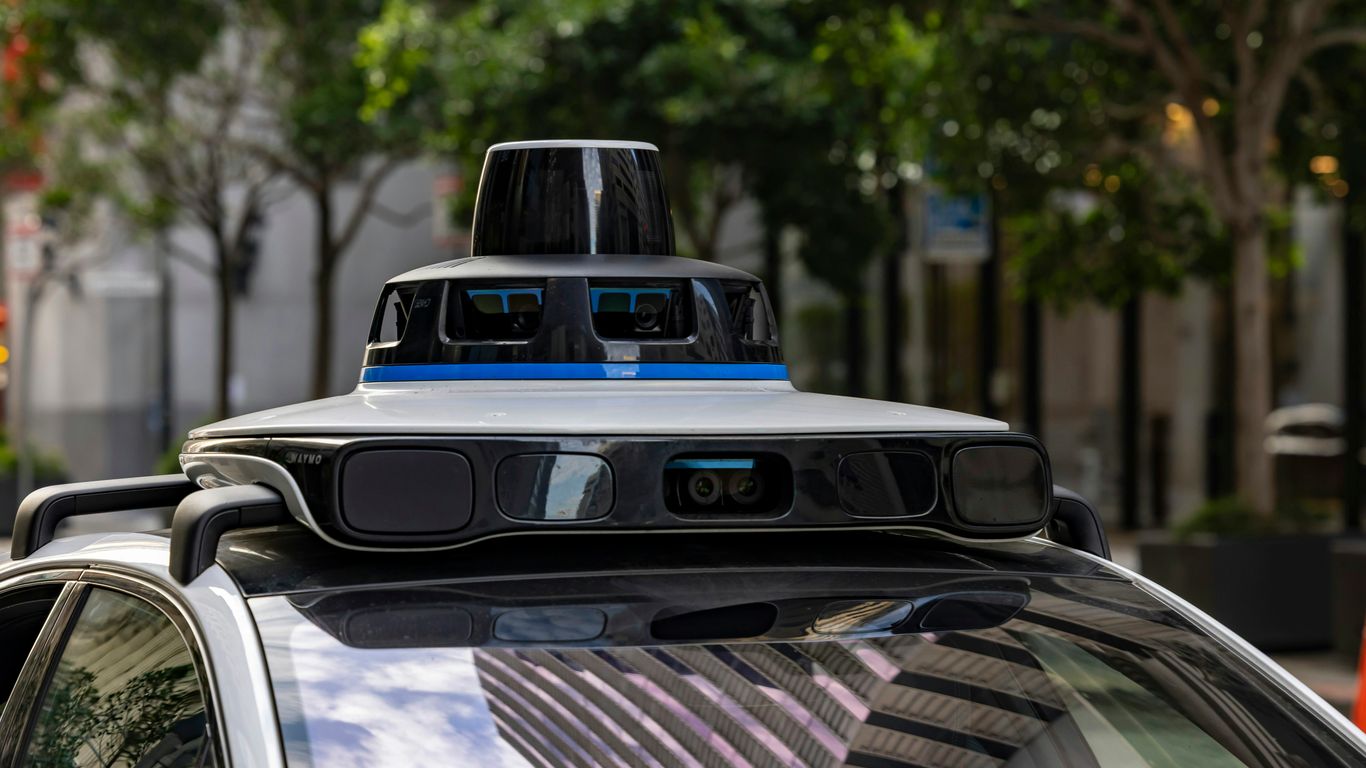
Even though LiDAR is pretty amazing for making cars see better, getting it into every vehicle isn’t exactly a walk in the park. There are a few hurdles Toyota and the whole industry are working to clear.
Driving Down Costs for Wider Accessibility
Let’s be real, LiDAR used to be super expensive. Think thousands of dollars for a single unit. That’s a tough pill to swallow when you’re trying to make cars affordable for everyone. Toyota’s been pushing for solid-state LiDAR, which is way cheaper to make than the older spinning kinds. Plus, as more companies make them, the price naturally drops. It’s like how TVs got cheaper over time.
Miniaturization for Seamless Integration
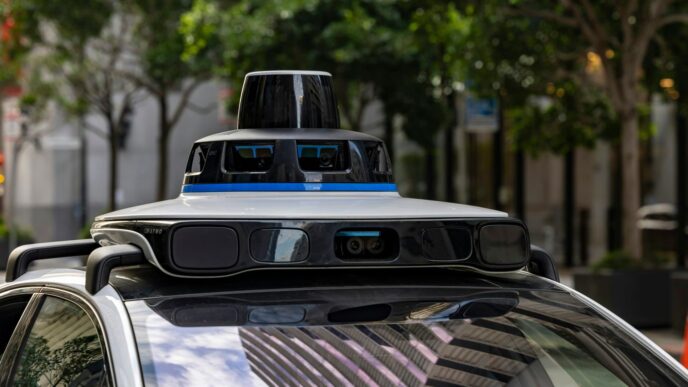
Nobody wants a big, clunky sensor sticking out of their car. Early LiDAR units were pretty bulky. The goal now is to make them smaller, so they can be tucked away neatly into the car’s design, maybe in the grille or behind the windshield. This makes the car look better and also protects the sensor.
Ensuring Robustness in All Weather
LiDAR works great most of the time, but really heavy rain, snow, or even thick fog can sometimes mess with its signals. It’s not that it stops working completely, but its accuracy might dip a bit. Toyota is working on ways to make LiDAR systems tougher, and also combining them with other sensors like radar and cameras. This way, if one sensor is having a bad day, the others can pick up the slack. It’s all about having multiple layers of safety.
The Future of Toyota Lidar and Autonomous Mobility
Collaborations for Cutting-Edge Solutions
Toyota knows that pushing the boundaries of what’s possible with LiDAR and self-driving tech isn’t a solo mission. They’re actively teaming up with other companies, the ones who are really good at making this stuff. Think of it like building a super-team. By working with specialists, Toyota can get their hands on the latest and greatest LiDAR hardware and software faster. This means they can test and integrate new ideas without having to invent everything from scratch. It’s a smart way to stay ahead of the curve and make sure their cars are equipped with the most advanced perception systems available. They’re not just looking at what’s out there now, but what’s coming next.
Paving the Way for Fully Autonomous Vehicles
So, what’s the big picture here? Toyota’s work with LiDAR is all about getting us to a point where cars can drive themselves completely, safely. It’s not just about making driving a little easier with features like adaptive cruise control. The real goal is to get to Level 5 autonomy, where the car handles everything, no matter the situation. LiDAR is a huge piece of that puzzle because it gives the car such a clear, detailed view of the world around it. This detailed mapping and object detection is what allows a car to make complex decisions, like navigating busy city streets or handling unexpected road closures. It’s the eyes and ears that will eventually allow us to truly hand over the driving.
Elevating Road Safety Standards
Ultimately, all this advanced technology boils down to one thing: making roads safer for everyone. By using LiDAR, Toyota is building cars that can see potential hazards long before a human driver might. This means fewer accidents, fewer injuries, and a generally more secure driving experience. It’s not just about the fancy tech; it’s about the real-world impact. Imagine a future where traffic jams are smoother, commutes are less stressful, and the risk of a collision is dramatically reduced. That’s the kind of future Toyota’s LiDAR development is helping to build, one precise laser pulse at a time.
The Road Ahead
So, where does all this leave us? Toyota’s push with advanced LiDAR isn’t just about adding another sensor; it’s about building a smarter, safer way for cars to see the world. We’ve seen how this tech can spot things cameras might miss, especially when the light’s bad or the weather’s tricky. While it’s not perfect yet – costs and integration are still hurdles – the progress is undeniable. Companies are making LiDAR smaller, cheaper, and better. It’s clear that this technology is moving beyond just high-end models and is set to become a standard part of how cars drive, bringing us all a step closer to truly autonomous and safer roads.