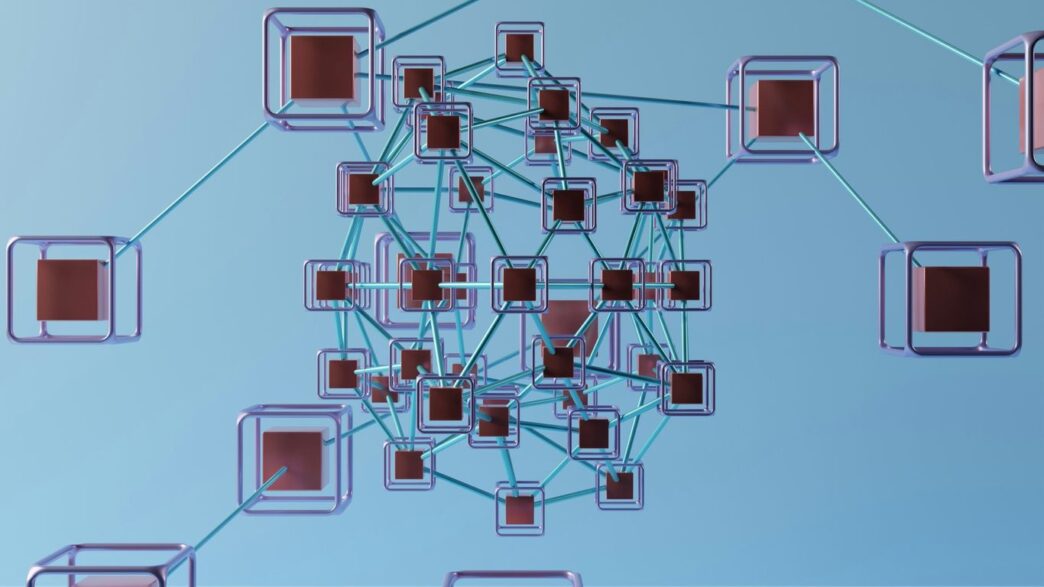
It’s pretty wild to think about how far we’ve come with connected stuff. Remember when the internet was just that slow dial-up thing? Now, our homes, cars, and even our watches are talking to each other. This whole journey, from simple ideas to what feels like science fiction, is what we call the evolution of IoT. It’s changed how we live and work, and it’s still changing.
Key Takeaways
- The evolution of IoT started with basic needs, like tracking items using RFID, long before smart homes were a thing.
- Faster internet, especially WiFi, really opened the door for consumer smart devices to become common.
- IoT platforms have grown from simple tools to complex systems that manage device communication and data.
- Things like cheaper sensors and new internet protocols (like IPv6) have made IoT more affordable and widespread.
- The combination of AI and IoT is making devices smarter, allowing them to learn and make decisions on their own.
The Genesis of Connected Devices
It’s easy to think of the Internet of Things (IoT) as something that just popped up recently, but the idea of connecting physical objects has been around for a while. We’re talking way before your smart fridge started ordering milk.
From Barcodes to a Networked Physical World
Think back to the barcode. It seems pretty basic now, right? But the barcode was a huge step in giving physical items a digital identity. It allowed us to track inventory and products in a way that was never possible before. This was a big deal for businesses, especially in retail. The real game-changer, though, was the development of RFID, or Radio Frequency Identification. RFID tags could store information and be read wirelessly, meaning you didn’t need a direct line of sight like with a barcode scanner. This ability to electronically tag and identify objects wirelessly laid the groundwork for a networked physical world. It was the first real push towards being able to know where things were and what they were without having to manually check them all. This technology is still a big part of how warehouses and stores manage their stock today. You can read more about the history of computing hardware here.
Early Innovations in Home Automation
Long before smart speakers were a thing, people were dreaming about automating their homes. Back in the 1970s, the X10 protocol came out. It used the existing electrical wiring in your house to send signals, letting you control lights and appliances remotely. It was pretty clunky and not always reliable, but it was an early attempt at making homes more convenient. Then came things like The Clapper in the 80s, which you could turn on and off with a clap. It sounds silly now, but it showed that people were interested in interacting with their homes in new ways. These early steps, while simple, were the first sparks of what would become the smart home revolution.
The Role of RFID in Object Identification
RFID really deserves its own mention because it was so important. Unlike barcodes, which are passive and need to be scanned directly, RFID tags have a small chip and an antenna. This allows them to communicate wirelessly with a reader. This meant you could track items without seeing them, which opened up a ton of possibilities. Imagine tagging every item in a factory or a shipping container and being able to know its status and location without physically touching it. This was a massive leap forward for logistics and inventory management. It was the technology that made the idea of a vast network of identifiable objects seem achievable. The core idea was to give every single item a unique digital identity that could be read and managed remotely.
The Internet’s Impact on Smart Technology
Okay, so we’ve talked about the early days, but things really started to get interesting when the internet, you know, the actual internet, began to show up in homes. Before that, controlling your lights with a clap was about as fancy as it got. But then, boom! Suddenly, we had ways for devices to talk to each other over longer distances, not just through your house’s wiring.
The Rise of Wireless Broadband and WiFi
This was a huge deal. Remember the days of dial-up? Yeah, me neither, thankfully. That slow, noisy connection just wasn’t cut out for sending lots of data back and forth. Once wireless broadband and WiFi became common, it was like opening the floodgates. Suddenly, connecting devices without a mess of cables was possible, and it didn’t take forever. This made it way easier and cheaper to get more gadgets online.
Birth of Consumer Smart Devices
With better internet, the first wave of consumer smart devices started popping up. Think about game consoles getting online, or cameras you could check from your phone. It wasn’t just about convenience, though. These connected devices started showing up in all sorts of places. We saw things like:
- Smart Thermostats: Devices that learn your schedule and adjust the temperature to save energy. Nest was a big name here, making it simple to control your home’s climate from anywhere.
- Connected Appliances: Refrigerators that could tell you when you’re low on milk, or ovens you could preheat on your way home.
- Home Security Systems: Cameras and sensors that could send alerts to your phone if something was amiss, offering a new level of peace of mind.
This shift marked the beginning of our homes becoming more interactive and responsive to our needs.
Expanding Applications Beyond the Home
It didn’t take long for the idea of connected devices to spread beyond just our living rooms. Industries started to see the potential too. Think about:
- Logistics and Shipping: Tracking packages in real-time became standard.
- Energy Management: Smart grids started to appear, helping to manage power distribution more efficiently.
- Healthcare: This is where things get really serious. Devices like pacemakers and insulin pumps became connected, able to send vital information to doctors instantly. If a patient’s readings went out of the normal range, help could be on the way much faster. It showed that IoT wasn’t just a gadget trend; it was becoming a life-saving technology.
The Evolution of IoT Platforms
Think about how we used to manage things – lots of manual checks, scribbled notes, and hoping for the best. That’s kind of where IoT platforms started too. Initially, they were pretty basic, mostly just showing us data on a screen. You could see what a device was doing, like its temperature or if it was on or off. It was a step up from nothing, sure, but it didn’t really do much beyond showing information. It was like having a dashboard for your car, but you couldn’t actually steer or accelerate with it.
From Basic Services to Powerful Entities
Over time, these platforms got smarter. They started to not just show data, but also collect and store it. This was a big deal because it meant we could look back at trends and patterns. But even then, they struggled with huge amounts of data or doing really complex analysis. The real shift happened when platforms began to integrate more deeply. They moved from just being information displays to becoming actual tools for managing and controlling things. This transition from passive information dashboards to active operational platforms is the core of their evolution. Now, they can handle massive data streams, run advanced analytics, and even use machine learning to predict issues before they happen. It’s like going from a simple calculator to a supercomputer that can also manage your entire factory.
Enabling Device Communication and Data Exchange
So, how do all these devices actually talk to each other and share what they know? That’s where the platform’s role in communication and data exchange comes in. Early on, this was pretty clunky. Devices might have had their own ways of sending data, and the platform just tried to make sense of it all. But as IoT grew, platforms developed better ways to standardize communication. They became the central hub where devices could connect, send their information, and receive instructions. This allows for things like your smart thermostat talking to your weather app to adjust the heating, or sensors in a warehouse telling a robot where to pick up a package. It’s all about making sure the right data gets to the right place at the right time, without a lot of fuss.
The Role of Cloud Infrastructure
One of the biggest game-changers for IoT platforms has been the rise of cloud computing. Before the cloud, setting up a system to handle data from thousands, or even millions, of devices would have been incredibly expensive and complicated. You’d need massive server rooms and a whole IT team just to keep things running. Cloud platforms changed all that. They provide the massive computing power and storage needed, but on a pay-as-you-go basis. This means even small companies can build sophisticated IoT systems without huge upfront costs. Plus, the cloud makes these platforms scalable – meaning they can grow as your needs grow. If you suddenly have ten times more devices, the cloud can usually handle it. It’s also made things more flexible, allowing developers to build and deploy applications much faster than before. This has really opened the door for all sorts of new IoT applications we see today.
Key Technological Advancements Driving IoT
So, what actually made all these smart gadgets and connected systems possible? It wasn’t just one big thing, but a few key developments that really got the ball rolling. Think of it like building a house – you need a solid foundation, the right materials, and a good way to connect everything.
The Significance of IPv6
Remember when the internet first started? We didn’t have that many devices online. But as more and more things started connecting – computers, then phones, then everything else – we started running out of unique internet addresses. It was like a city running out of street names. That’s where IPv6 comes in. It’s like a massive expansion of the internet’s address book, giving us an almost endless supply of unique addresses. This is super important for the Internet of Things because, well, we’re talking about billions, maybe trillions, of devices needing their own spot online. Without IPv6, we’d hit a wall pretty quickly.
Decreasing Sensor Costs and Component Availability
Another big piece of the puzzle is how much cheaper and easier it’s become to get the actual parts for these smart devices. Think about the tiny sensors that detect temperature, motion, or light. Not too long ago, these were pretty expensive and bulky. Now, they’re tiny, cheap, and you can find them everywhere. This drop in price and increase in availability means companies can put these smart capabilities into all sorts of everyday objects without breaking the bank. It’s why your thermostat can be smart, your fridge can tell you you’re out of milk, and your watch can track your steps – the basic building blocks just got a whole lot more accessible.
The 5G Advantage for IoT
Now, let’s talk about speed and capacity. Older internet connections were fine for browsing websites, but for the sheer volume of data that IoT devices generate, we needed something better. That’s where 5G comes in. It’s not just about faster phone downloads; 5G is designed to handle a massive number of connections simultaneously and with very little delay. Imagine a factory floor with hundreds of machines all talking to each other and to a central system in real-time. 5G makes that kind of dense, responsive network possible. It’s a game-changer for things like industrial automation, self-driving cars, and even remote surgery, where every millisecond counts.
The Expanding Reach of IoT Applications

Industrial IoT and Operational Efficiencies
Think about factories. Before, you had machines running, and you hoped they kept running. Now, with Industrial IoT (IIoT), sensors are everywhere. They monitor everything from temperature and vibration on a machine to the flow of materials on a conveyor belt. This isn’t just about knowing what’s happening; it’s about preventing problems before they even start. Imagine a critical piece of equipment showing signs of strain – an IIoT sensor can detect this subtle change and alert maintenance crews. This means fixing a small issue before it causes a massive shutdown, saving tons of money and lost production time. It’s like having a doctor for your entire factory, constantly checking its pulse.
Smart Cities and Utilities
Cities are getting smarter, too. Traffic lights that adjust based on real-time traffic flow, not just a fixed timer. Streetlights that dim when no one’s around and brighten when a car approaches. Water pipes that can detect leaks automatically, stopping waste before it becomes a major problem. Even waste management is getting an upgrade; smart bins can signal when they’re full, optimizing collection routes for garbage trucks. This interconnectedness helps cities run more smoothly and efficiently, making life better for everyone living there.
Healthcare and Life-Saving Technologies
This is where IoT really shows its potential to change lives. Wearable devices, like smartwatches, can track your heart rate, sleep patterns, and activity levels. But it goes much further. Think about remote patient monitoring. For people with chronic conditions, devices can continuously send vital signs to their doctors. If something looks off, like a sudden spike in blood pressure or an irregular heartbeat, an alert can be sent immediately. This allows for quicker intervention, potentially preventing serious health crises. We’re also seeing smart pill dispensers that remind patients to take their medication and even confirm they’ve taken it, which is a big help for elderly individuals or those managing complex treatment plans.
The Symbiotic Relationship Between AI and IoT
AI as the Brainpower for Smart Devices
Think of it this way: IoT devices are the eyes and ears, collecting all sorts of information about the world around them. But without Artificial Intelligence, they’re just collecting data without really understanding it. AI is what gives these devices the ability to actually process that information and make sense of it. It’s like giving them a brain. These AI algorithms sift through the massive amounts of data that sensors gather, looking for patterns and making decisions on the fly. This means your smart thermostat can learn your preferred temperature settings over time, or a factory machine can flag a potential issue before it causes a breakdown.
Translating Data into Actionable Insights
So, what happens to all that data? That’s where AI really shines. It takes the raw numbers and signals from IoT devices and turns them into something useful. Instead of just knowing a room is 72 degrees, AI can figure out that 72 degrees is the optimal temperature for energy savings based on outside weather and your usual schedule. This translation is key. It moves us from just having connected things to having smart connected things that can actually do something with the information they have.
Personalization and Predictive Capabilities
This partnership between AI and IoT also leads to some pretty cool personalized experiences. Your smart home can start to anticipate your needs, dimming lights as you settle in for the evening or suggesting music based on your past listening habits. On a larger scale, AI can use IoT data to predict future events. For example, in transportation, AI can analyze traffic sensor data to predict congestion and reroute vehicles before a jam even forms. This predictive power is a game-changer, allowing systems to be proactive rather than just reactive.
The Future Trajectory of the Internet of Things
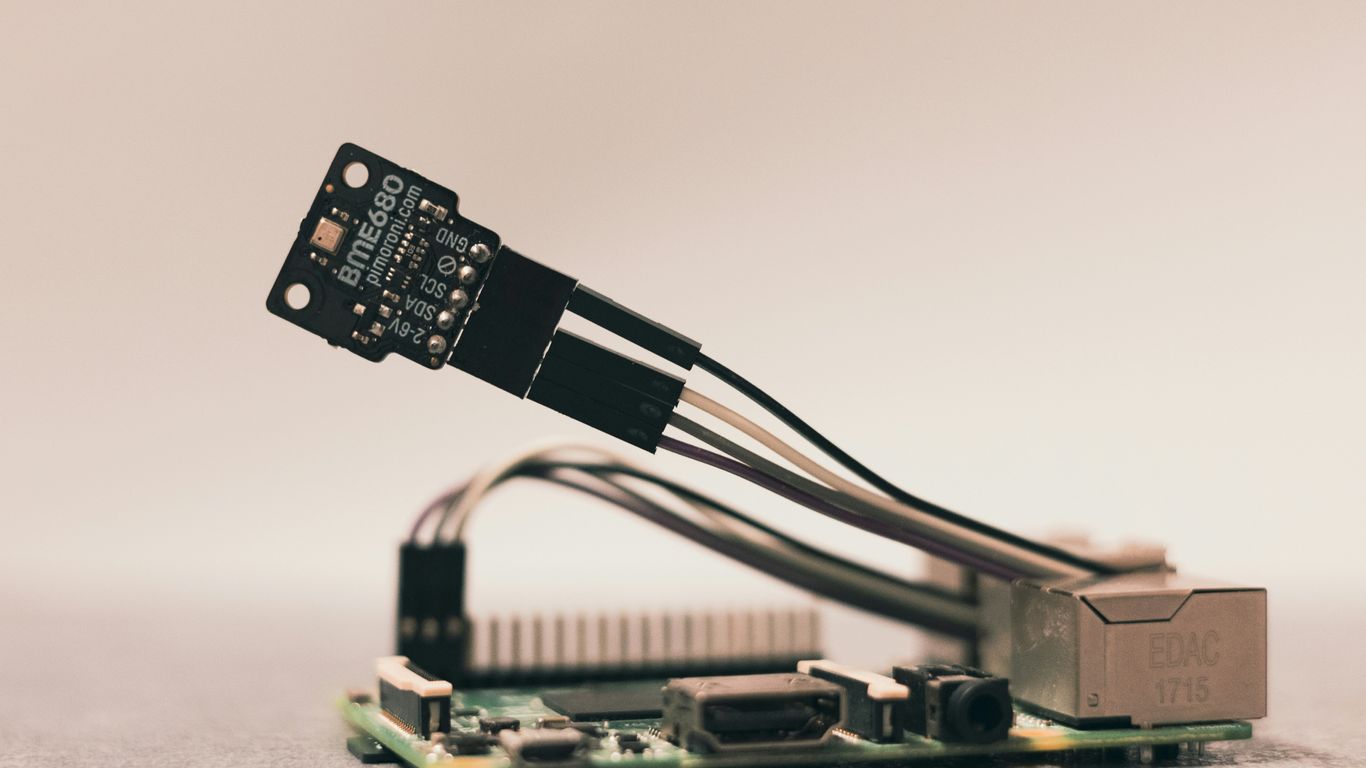
So, where is all this IoT stuff heading? It’s not just about having a fridge that tells you you’re out of milk anymore, though that’s pretty neat. We’re looking at a world that’s becoming way more connected, and honestly, it’s kind of mind-blowing.
Edge Computing for Real-Time Decisions
One of the big shifts we’re seeing is a move towards ‘edge computing.’ Think of it like this: instead of sending all the data from a sensor all the way to a central server in the cloud to be processed, a lot of that processing happens right there, on the device itself or nearby. This is a game-changer for things that need super-fast reactions. Imagine a self-driving car needing to brake instantly – it can’t wait for data to go to the cloud and back. Edge computing makes that possible.
- Faster response times: Critical for safety and efficiency.
- Reduced data traffic: Less strain on networks.
- Improved privacy: Sensitive data can stay local.
Boundless Potential and Limitless Possibilities
It’s hard to even list all the ways IoT is going to change things. We’re talking about smart cities where traffic lights adjust based on real-time flow, energy grids that manage power distribution more effectively, and even agriculture where sensors monitor soil conditions to optimize crop yields. The sheer amount of data being generated is enormous, and the ability to analyze it is growing just as fast. The integration of AI with IoT is what really unlocks this vast potential.
Here’s a quick look at some areas where IoT is set to make a huge impact:
- Healthcare: Remote patient monitoring, smart medical devices that alert doctors to issues, and personalized treatment plans based on real-time data.
- Manufacturing: Predictive maintenance for machinery, optimized supply chains, and automated quality control.
- Environment: Monitoring pollution levels, tracking wildlife, and managing natural resources more sustainably.
An Interconnected, Intelligent World
Ultimately, the future of IoT points towards a world that’s more aware, more responsive, and more efficient. It’s about creating systems that can not only collect information but also understand it and act upon it intelligently. This isn’t just about convenience; it’s about building a smarter, more sustainable future for everyone. It’s a bit like having a global nervous system, constantly gathering information and making adjustments to keep things running smoothly. It’s a big leap from those early barcode scanners, that’s for sure.
Looking Ahead
So, we’ve seen how the Internet of Things went from a neat idea about tagging things to the complex network it is today. It’s pretty wild how much it’s changed things, from how we run factories to just managing our homes. And honestly, it’s not slowing down. With new tech popping up all the time, like better ways to connect devices and smarter software, the IoT world is just going to keep growing and changing. It’s exciting to think about what’s next, but one thing’s for sure: our world is going to get even more connected, and probably a lot more interesting.
Frequently Asked Questions
What exactly is the Internet of Things (IoT)?
Think of IoT as a giant network where everyday objects, like your fridge or watch, can connect to the internet and talk to each other. It’s like giving these items a voice and a way to share information, making our lives easier and more automatic.
How did IoT start?
IoT didn’t just appear overnight! It began with ideas like using special tags on items to track them, kind of like advanced barcodes. The goal was to know where things were and manage them better, especially in factories and stores.
When did IoT become popular for regular people?
Things really took off when faster internet, like WiFi, became common. Before that, slow internet made it hard for devices to connect. Once we had better internet, smart gadgets for homes and other cool stuff could finally be made and used by everyone.
What are IoT platforms?
IoT platforms are like the control centers for all these connected devices. They help devices talk to each other, manage all the information they collect, and allow us to use that information to make smart decisions, whether it’s for a business or our own home.
How does AI help with IoT?
AI acts like the ‘brain’ for IoT devices. It helps sort through all the data that devices collect and figure out what it means. This allows devices to do smart things like learn your habits, predict what you might need, or fix problems before they happen.
What’s next for IoT?
The future of IoT is super exciting! We’ll see even more devices connected, working together seamlessly. Imagine cities that manage traffic automatically, homes that perfectly adjust to your needs, and industries running much more smoothly, all thanks to smarter and more connected technology.