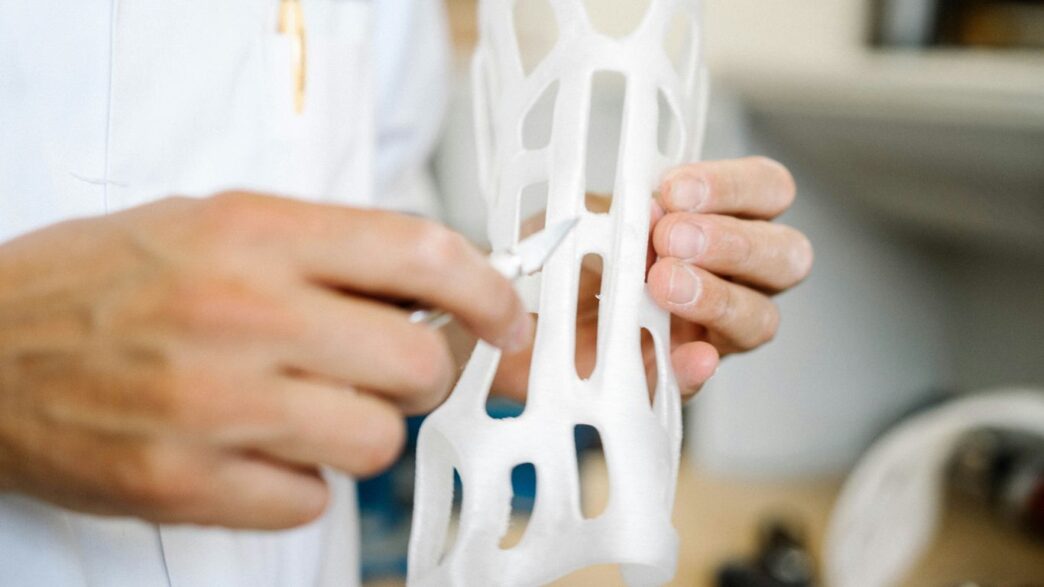
It’s pretty wild how much 3D printers are changing things in medicine these days. You know, the stuff that used to take ages or was just impossible to make custom is now becoming a reality. We’re talking about everything from custom body parts to better ways to plan surgeries. It’s not just about making things; it’s about making them work better for each person. Plus, the way medical stuff is made is shifting, with hospitals starting to print their own supplies. It’s a big deal for patient care and how the whole medical field operates.
Key Takeaways
- 3D printers are making it possible to create personalized implants, prosthetics, and even models of organs for surgeons to practice on.
- Hospitals are increasingly setting up their own 3D printing labs, allowing for faster production of needed items right where patients are.
- The technology helps speed up how new medical devices are designed and produced, and can make manufacturing more efficient.
- Future uses include printing tissues and organs, and creating custom medications, with AI playing a bigger role in improving results.
- Challenges like regulations, material costs, and the need for trained staff are still being worked out, but the benefits are clear.
Revolutionizing Patient Care with 3D Printing
Healthcare is really changing, and a big part of that is thanks to 3D printing. It’s not just about making things faster; it’s about making things better for each person.
Personalized Implants and Prosthetics
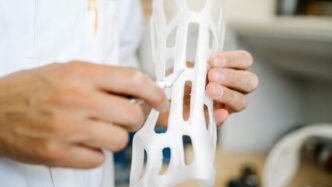
Think about it – everyone’s body is different. So why should implants and prosthetics be one-size-fits-all? 3D printing lets us create custom-fit devices. Doctors can take a scan of a patient’s bone or limb and then print an implant or prosthetic that perfectly matches their unique anatomy. This means a better fit, more comfort, and often, better function. For example, a patient needing a hip replacement can get an implant designed specifically for their bone structure, which can lead to quicker recovery and less chance of complications. It’s a huge step up from the generic options we used to have.
Anatomical Models for Surgical Planning
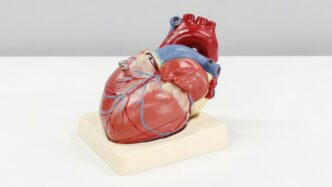
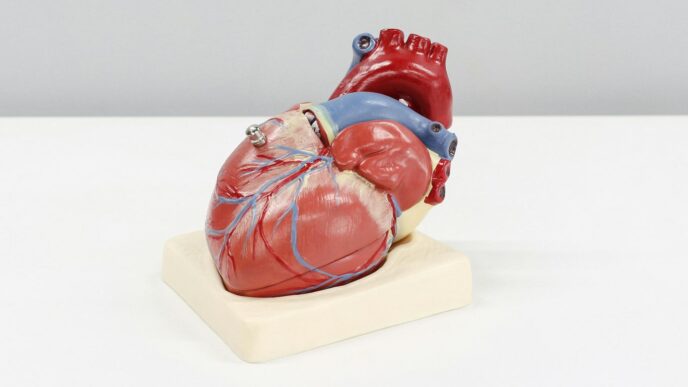
Surgeons can now practice complex procedures before they even step into the operating room. By printing a patient’s specific anatomy – like a heart with a defect or a tumor in a tricky spot – surgeons get a tangible, 3D representation. This isn’t just a picture; it’s a physical model they can hold, examine, and even cut into. This allows them to figure out the best approach, anticipate potential problems, and refine their technique. This hands-on preparation can significantly reduce surgery time and improve patient safety. It’s like having a dress rehearsal for a critical performance.
Customized Surgical Instruments
Sometimes, standard surgical tools just don’t cut it for a particular procedure or patient. 3D printing allows for the creation of specialized surgical instruments on demand. Need a tool with a specific curve, length, or grip for a delicate operation? It can be designed and printed. This means surgeons have the exact tools they need, right when they need them, which can make procedures smoother and more precise. It also opens doors for instruments that might have been too complex or expensive to make using traditional methods.
Advancements in Medical Device Manufacturing
The way we make medical devices is changing, and 3D printing is a big reason why. It’s not just about making things faster; it’s about making them smarter and more efficient.
Accelerated Prototyping and Production
Remember when creating a new medical device meant long waits for prototypes? Those days are fading. 3D printing lets engineers and designers create and test new device concepts much quicker. They can print a prototype, see how it works, make changes, and print another one – sometimes in just a few hours. This rapid iteration means that better devices can get to market faster. It’s like going from building a car from scratch to having a 3D printer that can churn out car parts on demand.
On-Demand Manufacturing Capabilities
This is a game-changer. Instead of mass-producing devices and hoping they’ll be needed, 3D printing allows for ‘on-demand’ production. This means a hospital or clinic can print a specific device or part exactly when and where it’s needed. Think about it: a surgeon needs a custom tool for a unique procedure, or a patient requires a specific implant. Instead of waiting weeks for it to be manufactured and shipped, it can be printed right there. This cuts down on waste and ensures that the right equipment is available without delay.
Cost Reduction and Supply Chain Efficiency
When you can make things on demand and closer to where they’re used, the costs often go down. You’re not paying for massive production runs, extensive shipping, or large inventories. This also makes the supply chain much more robust. If there’s a disruption somewhere in the world, a hospital can still print the parts or devices it needs locally. This was especially clear during recent global events, where the ability to quickly produce essential items locally proved invaluable. It’s a shift towards a more resilient and cost-effective way of getting medical tools into the hands of those who need them.
The Rise of In-House Medical 3D Printing

It feels like just yesterday that 3D printers were mostly for hobbyists tinkering in their garages. Now, they’re showing up in hospitals, and it’s a pretty big deal. We’re seeing more and more healthcare facilities setting up their own 3D printing labs, which is changing how things get done.
Growing Hospital Facilities
This isn’t just a small trend. Back in 2010, only a handful of hospitals had dedicated 3D printing setups. Fast forward to 2019, and that number jumped to over 100. That’s a huge leap! Having these facilities right there means they can make things on-site, which speeds up a lot of processes.
Point-of-Care Manufacturing Benefits
So, what’s the big advantage of having a 3D printer at the hospital? For starters, it’s about speed and customization. Imagine a surgeon needing a specific tool or a patient needing a custom implant. Instead of waiting weeks for an external supplier, the hospital can print it right there, sometimes in just a day. This is especially helpful for things like:
- Creating patient-specific surgical guides: These help surgeons plan and execute procedures with more accuracy.
- Producing custom implants: Think knee or hip replacements that perfectly match a patient’s anatomy.
- Making anatomical models: Doctors can use these to practice complex surgeries before the actual operation, reducing risks.
This ability to create what’s needed, when it’s needed, directly impacts patient care positively.
Impact of the COVID-19 Pandemic
The COVID-19 pandemic really put in-house 3D printing to the test, and it passed with flying colors. When supply chains for things like personal protective equipment (PPE) and certain medical devices got disrupted, hospitals with 3D printers were able to step up. They started printing face shields, mask components, and other essential items to keep their staff and patients safe. This crisis showed just how valuable having this manufacturing capability on-site can be, especially during emergencies.
Future Frontiers in Medical 3D Printing
We’re really just scratching the surface of what 3D printing can do in medicine. The next few years are going to be wild, with some truly sci-fi sounding stuff becoming reality.
Bioprinting Tissues and Organs
This is the big one, right? The idea of printing living tissues, and eventually whole organs, is no longer just a dream. Researchers are making real progress in printing functional vascular tissues, which is a huge step for things like organ transplants and repairing damaged blood vessels. Imagine a future where waiting lists for organ donations are a thing of the past. While we’re not quite there yet, the advancements in bioprinting are happening faster than many expected. It’s a complex process, involving special bio-inks and careful control over cell growth, but the potential to save lives is enormous.
Personalized Pharmaceuticals and Drug Delivery
Think about your medication. Right now, most pills are mass-produced. But what if your prescription could be printed just for you, with the exact dosage and release rate your body needs? That’s the promise of personalized pharmaceuticals. 3D printing allows for the creation of complex pill structures, like those seen with the FDA-approved Spritam, which dissolves much faster than traditional tablets. This means drugs could be tailored to individual patient needs, improving effectiveness and reducing side effects. It’s a game-changer for how we manage chronic conditions and deliver treatments. This area is seeing a lot of research into new materials for drug delivery systems.
AI Integration for Enhanced Outcomes
Artificial intelligence is already starting to play a big role, and it’s only going to get bigger. AI can analyze patient data to help design the most effective 3D-printed implants or surgical guides. It can also optimize the printing process itself, making it faster and more reliable. For instance, AI-driven systems are improving the success rates of 3D-printed vascular grafts. The synergy between AI and 3D printing is creating smarter, more precise medical solutions that were impossible just a few years ago. It’s all about using data to make better decisions and get better results for patients.
Addressing Challenges in Medical 3D Printing Adoption
So, we’ve talked a lot about the cool stuff 3D printing can do in medicine, right? Personalized implants, custom tools, even models for planning surgeries. It sounds like a dream. But, like anything new and exciting, it’s not all smooth sailing. There are definitely some bumps in the road that are slowing down how quickly hospitals and clinics can really jump on board.
Regulatory Hurdles and Reimbursement
First off, the rules. It’s kind of like trying to build a house without a clear building code. For 3D-printed medical devices, especially those made right there in the hospital (that’s called point-of-care manufacturing), the regulations are still a bit fuzzy. Who’s responsible if something goes wrong? What exactly needs to be approved? This uncertainty makes hospitals hesitant. Plus, figuring out how to get paid for these custom-made items is a whole other headache. Insurance companies and government programs aren’t always set up to handle unique, one-off devices, which can make it financially risky for providers.
Material Limitations and Cost Barriers
Then there are the materials. While we’re getting better, there’s still a limited selection of materials that are safe for use inside the body and can be 3D printed with the right strength and flexibility. For example, some metal implants are much stiffer than bone, which can cause problems down the line. And for things like bioprinting tissues, finding the right "ink" that acts like real biological material is super tricky and expensive. On top of that, the fancy industrial 3D printers themselves, plus the special medical-grade materials, have a pretty hefty upfront cost. It’s a big investment, and not every hospital can afford it right now.
Cybersecurity and Intellectual Property Concerns
Because these designs are digital (think computer files), there are worries about security. It’s easier for designs to be copied or stolen, which is a big deal when you’re talking about patented medical technology. Imagine someone getting their hands on the exact design for a custom heart valve – that’s a serious intellectual property issue. And as printers get more connected, they can become targets for cyberattacks. The thought of someone tampering with a printer to mess up a device or even alter a drug formula is pretty scary and could have life-threatening consequences. Keeping patient data safe is also a huge concern.
Bridging the Skill Gap Through Education
Finally, you need people who know how to use this technology. It’s not just about pushing a button. Healthcare professionals need training not only on how to operate the printers but also on the design software and understanding the materials. There’s a real shortage of people with this combined medical and technical know-how. So, we need more programs and training to get doctors, nurses, and technicians up to speed. It’s a learning curve, for sure, but one that’s necessary to really make the most of what 3D printing can offer.
Sustainability and the 3D Printing Healthcare Ecosystem

It’s pretty wild how much 3D printing is shaking things up in healthcare, not just for patients but for the planet too. Think about it: traditional manufacturing often means a lot of waste, shipping things all over the place, and using up resources. 3D printing, especially when we’re talking about making things right where they’re needed, flips that script.
Waste Reduction and Circular Economy Models
One of the biggest wins here is how additive manufacturing cuts down on waste. Instead of carving a shape out of a big block of material (which is how a lot of older methods work), 3D printing builds things up layer by layer. This means you only use the material you actually need. Plus, there’s a growing movement to actually recycle things like hospital plastics and turn them into filaments for 3D printers. It’s a neat way to create a closed loop, turning what would be trash into something useful again. This approach is key to building a more circular economy in healthcare.
- Less Material Waste: Uses only necessary material, unlike subtractive methods.
- Recycling Hospital Plastics: Turning waste into usable printing filament.
- Reduced Inventory: On-demand printing means less overstock and fewer discarded items.
Lowering Carbon Footprints
When you make medical devices or tools closer to where they’ll be used, you cut down on all the transportation involved. Fewer trucks, fewer planes, less fuel burned – it all adds up to a smaller carbon footprint. This localized production is a game-changer for environmental impact. It’s not just about being green; it often makes economic sense too, saving on shipping costs and reducing the need for large, centralized factories.
Sustainable Material Research
Of course, the materials themselves matter a lot. Researchers are constantly working on developing new biocompatible materials that are not only safe for patients but also kinder to the environment. This includes looking into biodegradable options and materials that can be more easily recycled at the end of their life. The goal is to have materials that perform well, are safe, and fit into that sustainable, circular model we’re aiming for.
The Road Ahead
So, where does all this leave us? It’s pretty clear that 3D printing isn’t just a passing trend in medicine; it’s really changing things. We’re seeing custom implants, better surgical planning, and even faster ways to make medical tools. While there are still some bumps in the road, like figuring out regulations and making sure everyone knows how to use this tech, the potential is huge. It feels like we’re just scratching the surface of what’s possible, and the future of healthcare is looking a lot more personalized and efficient because of it.
Frequently Asked Questions
What exactly is 3D printing in medicine?
Think of a 3D printer like a super-smart glue gun that builds things layer by layer. In medicine, it takes a digital design, like a model of a bone or an organ, and uses special materials to create a real, physical copy. This helps doctors plan surgeries better and create custom parts for patients.
How does 3D printing help patients get better care?
It’s all about making things just right for each person. Doctors can print exact copies of a patient’s body parts to practice surgeries beforehand, making them safer and quicker. They can also create custom-fit artificial limbs or implants, which are more comfortable and work better than one-size-fits-all options.
Can 3D printers make actual body parts like organs?
Not yet, but scientists are working hard on it! They’re experimenting with ‘bioprinting,’ which uses special ‘bio-inks’ made of living cells to create simple tissues. The dream is to one day print complex organs for transplants, but we’re still a ways off from that.
Are hospitals starting to use 3D printers themselves?
Yes, more and more hospitals are getting their own 3D printers. This means they can make needed medical tools or models right there in the hospital, which is faster and can be cheaper than ordering them from far away. This became especially important during the COVID-19 pandemic when quick access to supplies was critical.
What are the biggest challenges for using 3D printing in hospitals?
There are a few tricky parts. Getting approval from government agencies can be slow. It can also be expensive to buy the printers and special materials. Plus, doctors and technicians need to learn how to use this new technology, and keeping the digital designs safe from hackers is also a concern.
Is 3D printing good for the environment in healthcare?
It can be! Because printers make things only when needed and right where they’re needed, it cuts down on shipping and wasted materials. Plus, researchers are looking into ways to recycle old medical plastics into new printing materials, helping to create a more sustainable ‘circular economy’ in healthcare.