Empowering Operations With Integrated Industrial Software Solutions
It’s tough when different teams in a factory or plant aren’t on the same page. You’ve got folks on the floor doing the hands-on work, supervisors in the control room watching the numbers, and then management looking at the big picture. Without a way for all this information to connect, decisions can get messy, and things can slow down. That’s where integrated industrial software really starts to make a difference.
Think of it like this: everyone needs to see the same stuff, or at least the stuff that matters to their job, so they can actually do their jobs better. This kind of connected system helps everyone make smarter choices, faster. It pulls together data from all over the place – from the machines themselves, from the control systems, even from reports – and puts it where people can use it.
Here’s how it helps break down those silos:
- A Cohesive Framework for Collaboration: Instead of everyone working in their own little bubble, integrated software creates a shared space. This means the maintenance team can see if a machine is acting up before it breaks down, and the production team can adjust schedules based on real-time output. It’s about making sure everyone has the information they need, when they need it, to work together smoothly.
- Actionable Information for an Empowered Workforce: It’s not just about collecting data; it’s about making that data useful. Software solutions can turn raw numbers into clear charts, alerts, and reports that tell people what’s happening and what they might need to do. This gives the people on the ground, the ones actually running the operations, the power to fix problems and make improvements without always waiting for a manager’s say-so.
- Driving Growth Through Operational Efficiency: When your operations are running smoothly, with fewer interruptions and better resource use, that’s when you really start to see the benefits. Integrated software helps pinpoint where things are going well and where there’s room for improvement. This focus on efficiency, driven by good information, directly impacts the bottom line and helps the business grow.
Transforming Operations With Modern Industrial Software
Look, industrial operations have always been complex. You’ve got machines humming, data flowing, and people trying to keep it all running smoothly. But the old ways of doing things? They just don’t cut it anymore. Modern industrial software is changing the game, making things clearer and more connected.
Edge to Enterprise Visibility
Think about it: your operations don’t just happen in one place. There’s the shop floor, the control room, and then the executive suite. Each level needs to see what’s going on, but from their own perspective. Modern software bridges these gaps. It pulls information from the edge – the actual machines and processes – all the way up to the enterprise level. This means everyone, from the technician on the floor to the manager in the office, can see the same, up-to-date picture. This end-to-end visibility is key to making faster, smarter decisions. It helps spot problems before they become big issues and find opportunities for improvement.
Accelerating Operational Excellence
What does operational excellence even mean? It’s about doing things better, faster, and more reliably. Industrial software helps get you there by streamlining workflows and automating tasks. Instead of sifting through piles of paper or disconnected spreadsheets, you get real-time data that tells you exactly what’s happening. This allows teams to focus on what matters most: improving processes, reducing downtime, and boosting output. It’s like giving your whole operation a tune-up, making sure every part is working at its best.
Simplifying Complex Operations
Let’s be honest, industrial processes can get pretty hairy. There are a lot of moving parts, and keeping track of everything is a challenge. Modern software takes some of that complexity away. It provides clear interfaces, intuitive dashboards, and tools that make sense of all the data. This means less time spent figuring out how to use the system and more time actually operating and improving your business. It’s about making the complicated feel manageable, so you can get back to the core of what you do.
Key Components of Industrial Software Solutions
So, what actually makes up these modern industrial software systems? It’s not just one big thing, but a few core pieces that work together. Think of it like building a house; you need a solid foundation, walls, and a roof, all connected properly.
Real-Time Performance Monitoring
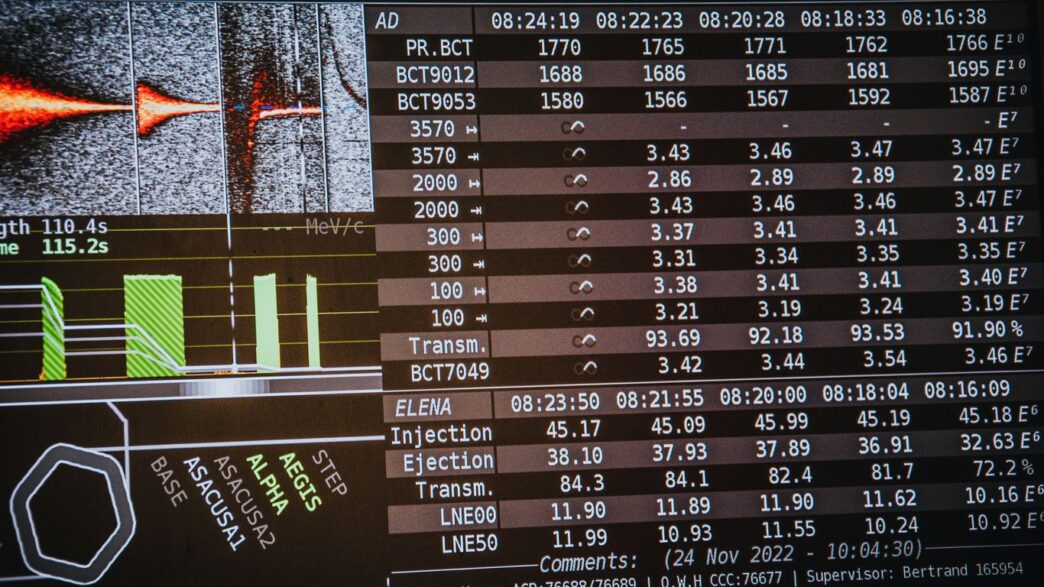
This is about seeing what’s happening on the factory floor, right now. Instead of waiting for end-of-day reports, you get live updates. This helps catch problems before they become big issues. It’s like having a dashboard for your entire operation, showing you everything from machine status to production output.
- Live data feeds: Information comes in as it happens.
- Alerts and notifications: You get told immediately if something is off.
- Visual dashboards: Easy-to-understand charts and graphs show performance.
This constant stream of information is what allows teams to react quickly and keep things running smoothly.
Risk Management and Assessment
Industrial settings can be risky, right? Software helps manage that. It can track safety procedures, identify potential hazards, and even predict when equipment might fail. This isn’t just about avoiding accidents; it’s also about preventing costly downtime.
Here’s a quick look at what this involves:
- Safety compliance tracking: Making sure all the rules are being followed.
- Predictive maintenance: Using data to guess when a machine needs fixing.
- Incident reporting and analysis: Learning from past events to stop them from happening again.
Data Analytics for Optimization
All the data collected needs to be useful. This is where analytics comes in. It’s about digging into the numbers to find patterns and figure out how to do things better. Maybe a certain machine uses too much power, or a particular process is slower than it should be. Analytics helps pinpoint these areas.
| Area of Analysis | What it Looks For | Potential Outcome |
|---|---|---|
| Production Throughput | Bottlenecks and delays | Increased output |
| Energy Consumption | Inefficient usage | Reduced utility costs |
| Quality Control | Deviations from standards | Fewer defects, better product consistency |
Leveraging Industrial Software for Enhanced Decision-Making
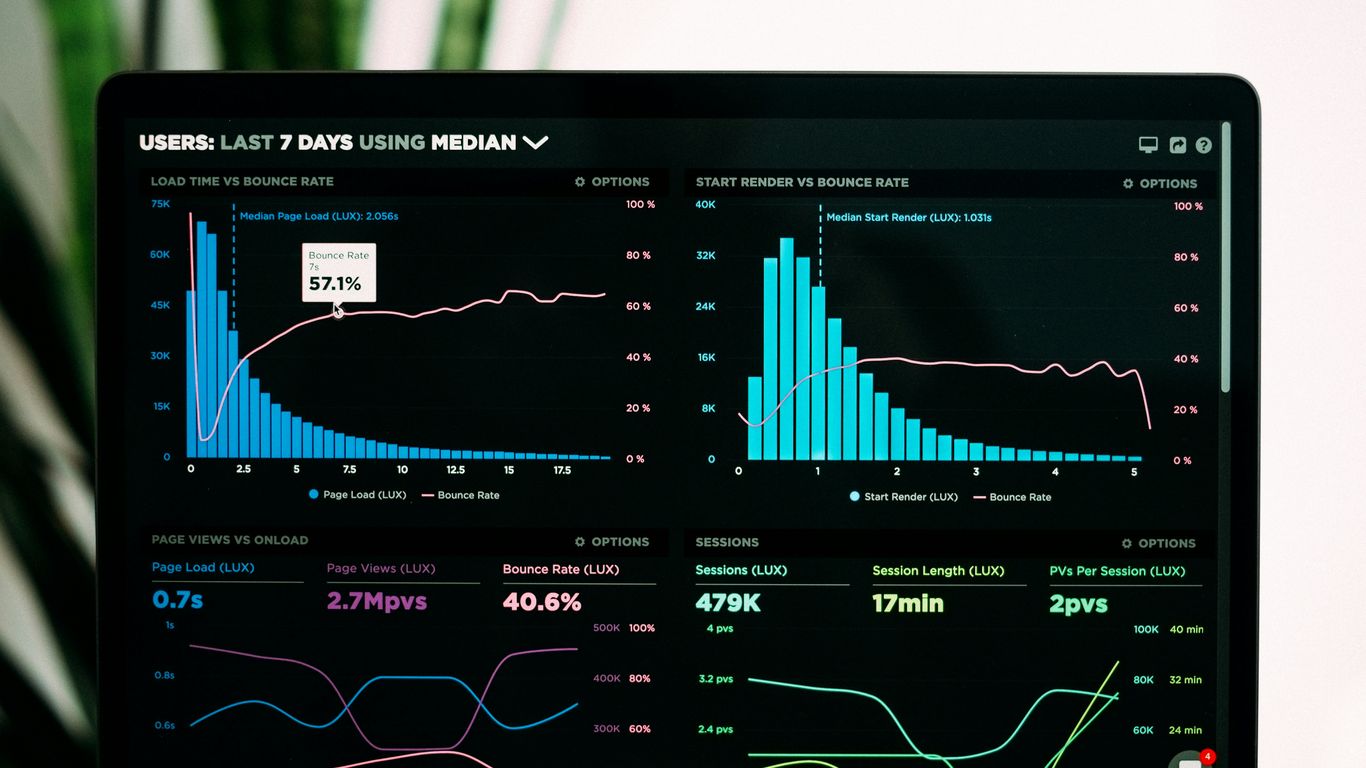
Making good choices in industrial settings used to be a lot harder. You’d have people looking at different pieces of information, maybe from different departments, and trying to put it all together. It was like trying to assemble a puzzle with half the pieces missing. Modern industrial software changes that. It brings everything into one place, so everyone’s looking at the same picture.
Centralized Views for Informed Decisions
Think about a factory floor. You’ve got machines running, materials moving, and people working. Without a central system, knowing exactly what’s happening everywhere at once is tough. Software that pulls data from all these areas gives managers and operators a clear, real-time overview. This unified view means you can spot problems before they get big, or see opportunities to improve things that you might have missed otherwise. It helps everyone, from the person on the floor to the executive in the office, understand the current state of operations.
SaaS Solutions for Data Visualization
Software as a Service (SaaS) has made it much easier to get access to powerful tools for looking at data. Instead of installing complicated programs on every computer, you can often just log in through a web browser. This is great for visualizing all that industrial data. You can see trends, track performance metrics, and get reports without needing a team of IT folks to set it all up. It turns raw numbers into easy-to-understand charts and graphs, making it simple to see what’s going on.
Bridging the Gap Between Engineering and Digital
Historically, the people designing the systems (engineers) and the people managing the day-to-day digital operations were often in separate worlds. Industrial software helps connect these groups. It provides a common platform where engineering designs can be directly linked to real-time operational data. This means that changes made in the design phase can be tested against actual performance, and operational feedback can inform future engineering decisions. It creates a loop where both sides learn from each other, leading to better overall system performance and reliability.
The Future of Industrial Software Solutions
Things are moving fast in the industrial world, and the software we use to manage it all has to keep up. We’re seeing some big shifts that are changing how factories and plants operate, making them smarter and more connected.
Cloud Computing and Artificial Intelligence
Cloud computing is a game-changer. It means we don’t have to keep all our data and software on-site anymore. We can access information from anywhere, which is great for teams spread out across different locations. Think about it: your plant manager can check on operations from their tablet while on the road, or a technician can pull up equipment manuals from a remote site. This flexibility is huge.
Then there’s Artificial Intelligence (AI). AI is starting to do some pretty amazing things. It can look at all the data coming in from machines and spot patterns that humans might miss. This helps predict when a piece of equipment might break down, so you can fix it before it causes a major problem. It’s like having a crystal ball for your factory floor. AI is moving from just analyzing data to actively helping make decisions and even automate tasks.
Big Data in Industrial Environments
We’re collecting more data than ever before. Every sensor, every machine, every process generates information. This ‘big data’ can seem overwhelming, but when you have the right software to sort through it, it’s incredibly useful. We can use this data to figure out:
- Where are we wasting energy?
- Which production lines are the most efficient?
- How can we improve product quality?
- What are the safest operating procedures?
It’s about turning all that raw information into practical steps that make the business run better.
Interdisciplinary Knowledge for Innovation
What’s also interesting is how different fields are starting to work together more. People who understand the physical machines and processes (engineers) are working hand-in-hand with those who understand the digital side (IT folks, data scientists). This mix of knowledge is where the real innovation happens. For example, a petroleum engineer might work with a data scientist to use AI to better predict oil flow, or a manufacturing expert might team up with a software developer to create a more intuitive interface for the factory floor. This collaboration is key to developing the next generation of industrial software that can truly transform operations.
Flexible Industrial Software Solutions for Every Need
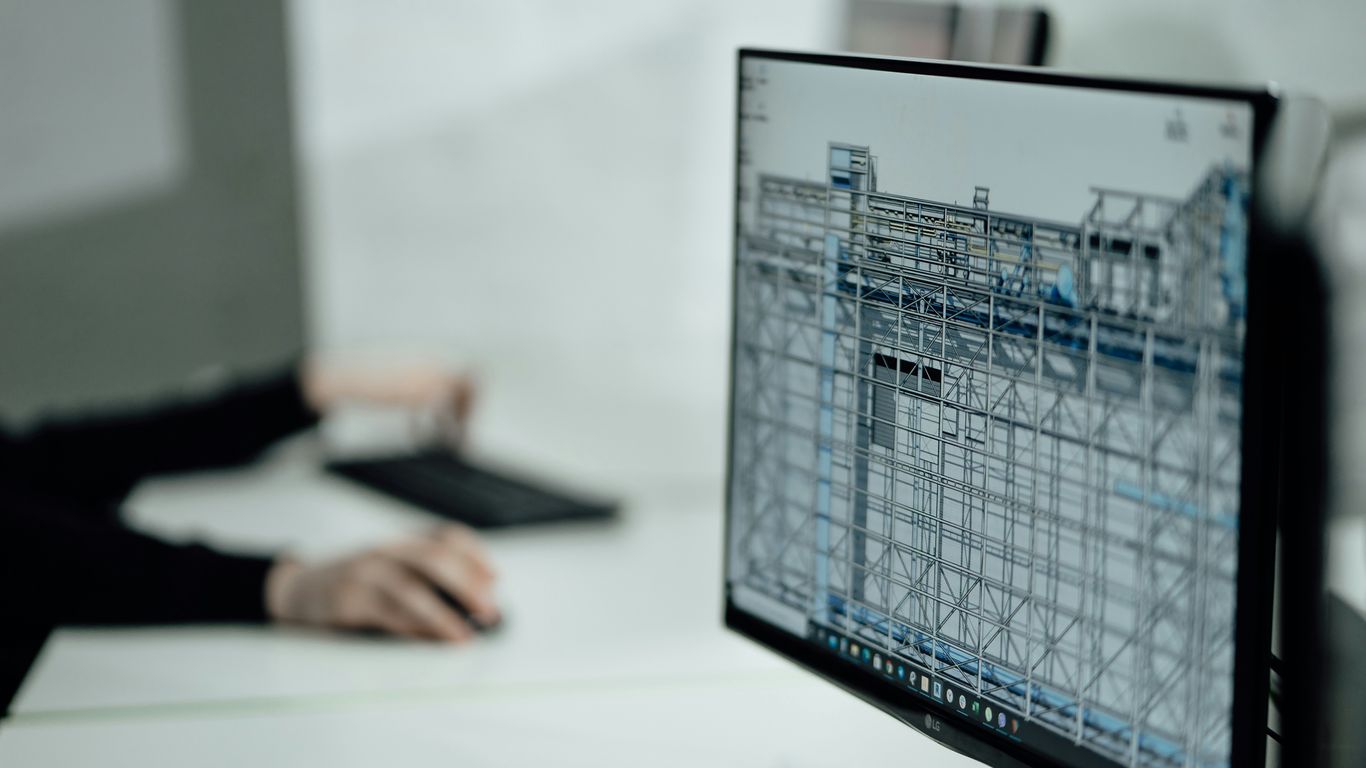
Not every operation is the same, and that’s totally fine. Industrial software shouldn’t be a one-size-fits-all deal. The best solutions are built to adapt, offering different levels of capability depending on who needs them and where they are. Think of it like having the right tool for the job, whether you’re on the factory floor or in the main office.
Edge Solutions for Frontline Teams
For the folks actually out there working with the machines, having immediate access to information is key. Edge solutions put powerful tools right at their fingertips. These systems are great for monitoring specific equipment or production lines in real-time. They’re designed to be simple to use, even in busy environments, and help make quick decisions on the spot.
- Local process monitoring and control
- IIoT connectivity for smart devices
- Customizable interfaces for ease of use
Supervisory Solutions for Centralized Management
When you need a broader view, supervisory solutions come into play. These are perfect for control rooms or for managers who need to keep an eye on multiple operations. They help bring together data from different areas, creating a unified picture. This makes it easier to spot trends, standardize processes across departments, and manage operations more effectively from a central point.
Enterprise Solutions for Global Operations
For companies with operations spread out across different regions or even the globe, enterprise solutions are the way to go. These platforms are built for IT and OT (Operational Technology) to work together. They aim to connect everyone, from the plant floor to the executive suite, promoting collaboration and giving a clear view of what’s happening everywhere. This kind of connectivity is what helps drive consistent performance and strategic decision-making across the entire business.
Wrapping It Up
So, we’ve talked a lot about how new industrial software can really change how things work. It’s not just about fancy tech; it’s about making it easier for everyone on the team, from the folks on the floor to the people in the office, to get the information they need. When everyone’s on the same page and can make smart choices quickly, operations just run better. This kind of connected system helps businesses be more efficient, react faster when things change, and generally be more reliable. It’s a big step forward for any operation looking to stay competitive.