It’s pretty wild how much 3D printing is changing things in hospitals and doctor’s offices these days. What used to be science fiction is now becoming a regular part of how doctors treat people. We’re talking about making things specifically for one person, like a new leg or a model of someone’s heart before surgery. This technology, known as 3D printing for healthcare, is really opening up new doors for better patient care and more efficient medical work. It’s not just about making cool gadgets; it’s about making a real difference in people’s lives.
Key Takeaways
- 3D printing allows for custom medical solutions, like prosthetics and implants, designed specifically for individual patients.
- Doctors can use 3D-printed models of organs and bones to plan complex surgeries, leading to better preparation and outcomes.
- The technology is being used in dentistry for same-day crowns and aligners, and in creating custom medical devices.
- While promising, challenges like regulations, material limits, and precise manufacturing need to be addressed for wider use.
- The future holds exciting possibilities like printing living tissues and organs, and creating personalized medications.
Revolutionizing Patient Care Through 3D Printing
It feels like just yesterday that 3D printing was mostly for hobbyists making little plastic trinkets. Now, though? It’s completely changing how doctors and nurses take care of people. We’re talking about making things that are made just for you, not just off a factory line. This technology lets us create medical tools, implants, and even models of body parts that are perfectly shaped for an individual patient. This level of customization is a game-changer for treatment.
Personalized Medical Solutions
Think about it: everyone’s body is a little different, right? So why should medical devices be one-size-fits-all? 3D printing lets us make things like prosthetic limbs that fit an individual’s exact shape, which makes them way more comfortable and useful. It’s not just about prosthetics, either. This tech can create custom braces, hearing aids, and other devices that are tailored to a person’s specific needs. This means better comfort, better function, and ultimately, a better quality of life for patients.
Surgical Planning With Anatomical Models
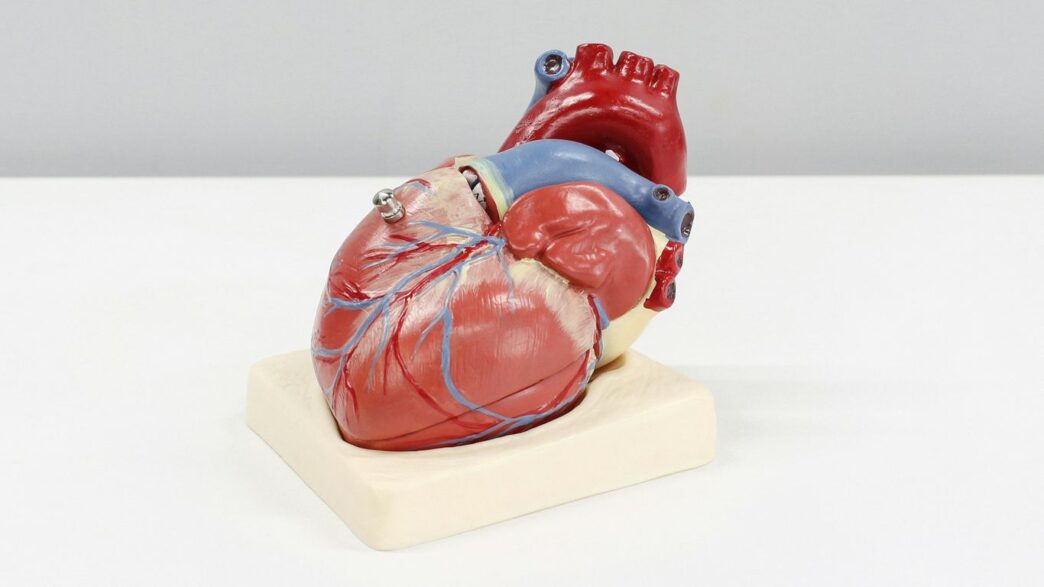
Doctors can now print incredibly accurate 3D models of a patient’s organs or bones right before a big surgery. They get these models from CT or MRI scans. Imagine a surgeon being able to hold a replica of a patient’s heart, complete with all its unique quirks, in their hands. They can then practice the surgery on this model, figuring out the best approach and spotting potential problems before they even step into the operating room. This kind of preparation can really cut down on surgery time and reduce risks.
Custom 3D Printed Prosthetics and Implants
For people who need prosthetics, 3D printing is a huge step forward. Instead of a generic limb, a prosthetic can be designed and printed to perfectly match the user’s body. This means a better fit, more natural movement, and a much more comfortable experience. It’s not just about limbs, either. We’re also seeing custom-printed implants, like hip or knee replacements, that are designed to integrate perfectly with a patient’s own bone structure. This can lead to faster healing and better long-term results.
Advancements in 3D Printing for Healthcare Applications
It’s pretty wild how much 3D printing is shaking things up in medicine. We’re not just talking about making plastic trinkets anymore; this tech is getting seriously sophisticated, leading to some pretty amazing stuff.
Dental Applications and Medical Devices
Dentistry has really jumped on the 3D printing train. Think about getting a crown or a custom aligner. Instead of waiting weeks for a lab, dentists can now print these things right there in the office. It’s all about making things faster and more precise for patients. They can whip up detailed models of your mouth, custom-fit crowns, and even those clear aligners that straighten your teeth. This means less time in the chair and a better fit, which is a win-win.
Beyond teeth, 3D printing is also being used for all sorts of other medical devices. It’s like having a mini-factory in a hospital or clinic, ready to make what’s needed, when it’s needed. This is a big deal for things like surgical guides or even specialized tools that might be hard to get otherwise.
Bioprinting Tissues and Organs
This is where things get really sci-fi, but it’s happening. Scientists are working on printing actual biological tissues. Imagine needing a skin graft; instead of taking it from another part of your body, they could potentially print a custom one. It’s still early days, but the idea is to create scaffolds that cells can grow on, eventually forming functional tissue.
And the big one? Printing organs. While we’re not quite at the stage of printing a whole heart for transplant tomorrow, researchers have made huge strides. They’ve managed to print things like ovaries that have actually worked in animal studies, allowing them to have offspring. This kind of work could one day mean an end to organ transplant waiting lists. It’s a complex process, involving layering living cells and biomaterials, but the progress is undeniable.
Custom Pharmaceuticals
Even the pills we take could be getting a 3D printed makeover. The idea here is to create personalized medication. Instead of a standard dose, imagine a pill printed specifically for your body’s needs, maybe even combining multiple medications into a single, perfectly dosed tablet. This could mean better treatment for individuals, especially those with complex conditions or unique responses to drugs. It’s about tailoring medicine down to the individual level, which is a massive shift from the one-size-fits-all approach we’ve had for so long.
Real-World Impact of 3D Printing in Medicine
It’s pretty amazing to see how 3D printing is actually being used in hospitals and clinics right now, not just in some far-off future. We’re talking about real people getting better care because of this technology. It’s not just theoretical anymore; it’s making a tangible difference.
Mayo Clinic’s Surgical Planning Successes
The folks at the Mayo Clinic have been using 3D printing to get a better handle on tricky surgeries. They print out exact copies of a patient’s anatomy, like a heart or a bone, from scans. This lets surgeons really get a feel for the problem before they even step into the operating room. They’ve used these models to plan complex procedures, which can lead to shorter surgery times and fewer complications. It’s like having a practice run for the most critical moments. This approach helps provide enhanced visual maps for surgeons.
Northwestern University’s Regenerative Medicine Breakthroughs
Over at Northwestern University, researchers are doing some seriously cool work with 3D printing and tissue engineering. They’re creating special scaffolds that can help new tissues grow. One of the most mind-blowing examples is their work on 3D-printed ovaries. In studies with mice, these printed organs actually worked, allowing the animals to have babies. This is a huge step forward for regenerative medicine and could eventually have big implications for human health.
Veterans Health Administration’s Prosthetic Innovations
The Veterans Health Administration (VHA) has also jumped on board with 3D printing, especially for prosthetics. Imagine needing a prosthetic limb; getting one that fits perfectly and works well is so important. The VHA is using 3D printing to create custom-fit prosthetics for veterans. This means better comfort, better function, and often, a much quicker turnaround time compared to older methods. It’s not just about the physical device; it’s about helping veterans regain their confidence and improve their quality of life.
Benefits of 3D Printing in the Medical Field
It’s pretty amazing how 3D printing is changing things in hospitals and clinics. You know, it’s not just about making cool gadgets; it’s about making patient care way better, faster, and sometimes, a lot cheaper.
Speed and Efficiency in Device Production
One of the biggest wins with 3D printing is how quickly you can get things made. Think about it: traditional methods for creating custom medical parts can take weeks, even months. But with a 3D printer, you can often have a patient-specific implant or a detailed anatomical model ready in a matter of hours or days. This speed is a game-changer, especially when a patient needs something urgently. It means less waiting around and getting the right treatment sooner. For example, creating custom surgical instruments or prosthetics becomes much more streamlined. This rapid prototyping capability is a huge step forward.
Significant Cost Reduction Strategies
While setting up with 3D printing might seem like a big upfront cost, the savings down the line can be pretty substantial. You can print devices as needed, which cuts down on storing lots of inventory and reduces waste. Plus, when hospitals can make many of these items right there on-site, they save a ton on shipping and logistics. It’s a smarter way to manage resources and can make specialized treatments more accessible. This on-demand manufacturing approach is really changing the economics of medical device production.
Enhanced Patient Outcomes and Quality of Life
Ultimately, all these advancements boil down to making life better for patients. When you can create something perfectly tailored to an individual’s anatomy, like a prosthetic limb or a dental crown, it fits better, works better, and feels better. Surgeons can practice on exact replicas of a patient’s anatomy before an operation, which can lead to smoother surgeries and quicker recovery times. This level of personalization means patients get devices that truly meet their needs, helping them get back to their lives with more comfort and confidence. It’s about providing personalized medical solutions that make a real difference.
Navigating Challenges in Healthcare 3D Printing
While 3D printing is shaking things up in healthcare, it’s not all smooth sailing. There are definitely some bumps in the road we need to smooth out before it becomes a standard part of every hospital.
Addressing Regulatory Hurdles and Safety Standards
Getting new medical tech approved is always a big deal, and 3D printing is no different. Regulatory bodies, like the FDA, are working hard to keep up with how fast this technology is changing. They need to make sure that everything printed, whether it’s a simple surgical guide or a complex implant, is safe and works the way it’s supposed to. This means figuring out rules for all sorts of things:
- Material Biocompatibility: Does the material play nicely with the human body? Will it cause a reaction?
- Device Durability: How long will the printed part last? Will it hold up under stress?
- Quality Control: How do we make sure every single print is exactly right, every time?
It’s a constant balancing act between encouraging innovation and protecting patients. The rules need to be clear, but also flexible enough to adapt as printers get better and new materials become available.
Overcoming Material Limitations
Speaking of materials, that’s another big hurdle. We’ve got a growing list of options, sure, but we’re still looking for that perfect mix. We need materials that are safe to put inside the body, can handle the tough conditions they’ll face, and meet all those strict regulations. Researchers are doing some amazing work, creating special "bio-inks" for printing tissues and advanced plastics for implants that need to last for years. But proving that these materials will perform reliably inside a person over the long haul? That’s still a work in progress.
Solving Technological Barriers to Scalability and Precision
Then there’s the tech itself. Sometimes, even with the best printers, getting things exactly right is tough. For tiny things, like devices that deliver medication in super small doses, achieving the needed precision is a real challenge. And what about making a lot of these custom parts quickly? Scaling up production while keeping the quality consistent across every single item is an area that needs more development. Even making custom surgical tools, like specialized handles for scalpels, requires a level of accuracy that can be tricky to achieve reliably with current 3D printing methods.
The Future Landscape of 3D Printing for Healthcare
Looking ahead, the world of 3D printing in medicine is set to get even more interesting. We’re talking about technologies that sound like science fiction but are rapidly becoming reality. The biggest buzz is around bioprinting – the idea of printing actual living tissues and even organs. Imagine a future where waiting lists for organ transplants are a thing of the past because we can print a replacement organ using a patient’s own cells. This could completely change how we handle organ failure and reduce the chances of the body rejecting a transplant. It’s a huge step towards truly personalized medicine.
Emerging Bioprinting Technologies
Bioprinting is moving beyond just simple tissues. Researchers are working on printing more complex structures, like functional blood vessels and even miniature versions of organs, sometimes called ‘organoids’. These aren’t ready for transplant yet, but they’re incredibly useful for testing new drugs and understanding diseases better. Think of it as having a highly accurate, personalized model of a patient’s condition to experiment on without risk. The goal is to eventually print full-sized, functional organs for transplantation.
The Rise of Personalized Pharmaceuticals
Another area that’s really taking off is custom 3D-printed medications. Instead of getting a standard pill with a fixed dose, doctors could soon prescribe drugs printed specifically for you. This means getting the exact dosage you need, perhaps even with different parts of the pill releasing medication at different times. This level of customization could make treatments much more effective and reduce side effects. It’s like having a pharmacy that can create a unique prescription just for your body’s needs.
Integrating Advanced 3D Printing into Clinical Practice
So, how do we get from these amazing possibilities to everyday patient care? It’s a process. We need to make sure these new technologies are safe and reliable, which means working closely with regulatory bodies. We also need to train healthcare professionals on how to use these tools effectively. The aim is to make 3D printing a standard part of the medical toolkit, not just a special project. This integration will likely happen step-by-step, starting with more complex surgical planning models and custom implants, and gradually moving towards more advanced applications like bioprinted tissues and personalized drugs. The ultimate vision is a healthcare system where treatments are tailored precisely to each individual patient, leading to better health outcomes for everyone.
The Road Ahead
So, where does all this leave us? It’s pretty clear that 3D printing isn’t just a passing trend in healthcare; it’s really changing things. From making custom parts for patients to helping surgeons plan tricky operations, the impact is already huge. And it’s only going to get bigger. We’re talking about printing actual tissues and organs down the line, which sounds like science fiction but is becoming more real every day. While there are still some bumps in the road, like figuring out all the rules and finding the best materials, the potential for better patient care and new medical breakthroughs is undeniable. It’s an exciting time to see how this technology continues to shape the future of medicine.
Frequently Asked Questions
What exactly is 3D printing in medicine?
Think of 3D printing in healthcare like using a high-tech printer to build real medical things, layer by layer, from a digital design. It’s used to make custom body parts, models of organs for surgeons to practice on, and even new kinds of medicines. It’s all about making things that fit each person perfectly.
How does 3D printing help doctors plan surgeries?
Doctors can use scans like CT or MRI to create a perfect 3D copy of a patient’s body part, like a heart or a bone. This lets them see exactly what they’re dealing with and practice the surgery beforehand. It’s like having a practice run before the real thing, which can make operations safer and quicker.
Can 3D printing make fake limbs (prosthetics) better?
Yes, definitely! Instead of using standard sizes, 3D printing can create prosthetic limbs that are made just for one person. This means they fit better, feel more comfortable, and work more naturally. This helps people who need them to move around and live their lives more easily.
What is ‘bioprinting’?
Bioprinting is a super advanced type of 3D printing where special printers use living cells to create tissues or even organs. The idea is that one day, we might be able to print replacement organs for people who need transplants. It’s still early days, but it’s a very exciting area of research.
Is 3D printing cheaper than making regular medical tools?
While setting up 3D printing can cost money at first, it can save a lot in the long run. Making things only when you need them means less waste and lower costs for storage. Plus, making custom items on-site can cut down on shipping fees. It’s often faster and more efficient, especially for unique items.
Are there any problems with using 3D printing in hospitals?
There are a few challenges. First, there are rules and safety checks that need to be followed to make sure the printed items are safe for patients. Also, finding the right materials that work well in the body and are approved can be tricky. Lastly, making sure the printers are super accurate and can make things quickly on a large scale is still being worked on.