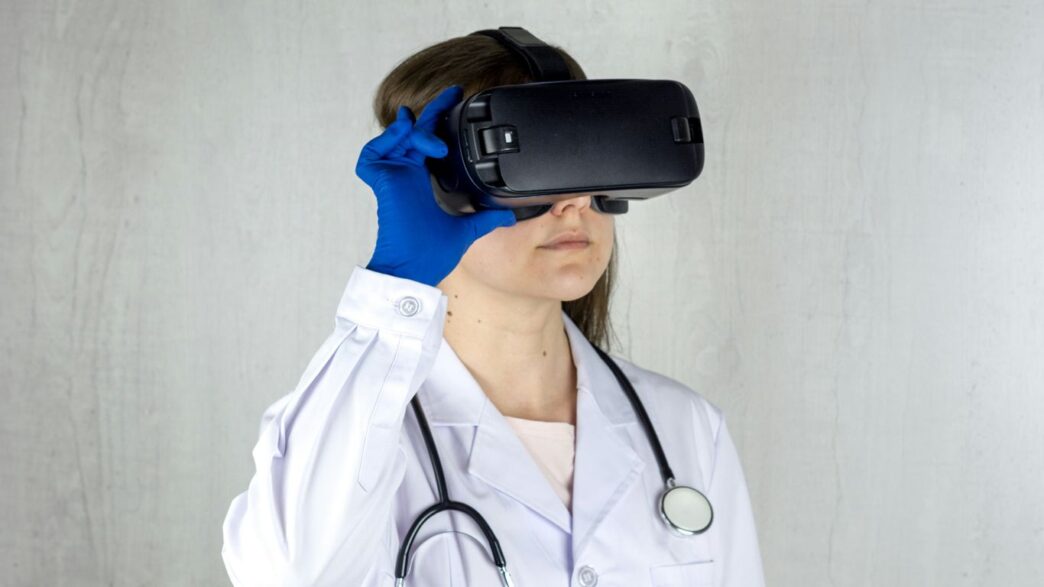
Virtual reality, or VR, is changing the game in healthcare. It’s not just for video games anymore. This tech is helping doctors train better, patients understand their health more, and even making treatments work better. We’re seeing VR pop up in all sorts of places, and it’s making a real difference. This article will look at how VR is shaking things up, from training new doctors to helping people feel better.
Key Takeaways
- VR is making medical training better with realistic simulations for learning skills and practicing procedures safely.
- Patients are benefiting from VR by feeling less stressed and anxious, especially before surgery, and understanding their health better.
- VR offers new ways to manage pain and helps with mental health issues like phobias and PTSD.
- VR helps healthcare workers understand what it’s like to be a patient, improving how they communicate and care for people.
- The future of VR in healthcare looks bright, with more realistic tech and easier ways for everyone to use it, though challenges in making it a standard part of care still need work.
Revolutionizing Medical Training With Virtual Reality
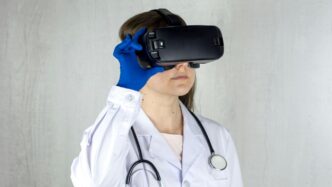
It’s pretty wild how much virtual reality is changing the game for how doctors and nurses learn their stuff. Forget dusty textbooks and lectures that put you to sleep; VR throws you right into the action. This technology creates incredibly realistic, risk-free environments where future healthcare pros can really hone their skills.
Immersive Surgical Skill Enhancement
Think about surgeons practicing a complex operation. Instead of just looking at diagrams, they can now step into a virtual operating room. They can manipulate virtual instruments, feel the resistance of tissues (virtually, of course), and work through every step of a procedure. This isn’t just about memorizing steps; it’s about building muscle memory and developing a feel for the surgery. For example, orthopedic surgery residents can get tons of practice on knee or hip replacements using VR tools, which saves time and resources while making them more confident. It’s like having an infinite number of practice runs before the real thing.
Risk-Free Simulation Environments
This is a big one. Medical training has always had a bit of a learning curve that involves real patients. VR flips that script. You can simulate rare complications, practice emergency responses, or even learn how to handle difficult patient interactions without any actual risk to anyone. Imagine a medical student learning to manage a patient having a seizure or dealing with a sudden cardiac arrest. They can repeat these scenarios until they get it right, building confidence and competence without the high stakes. This approach is becoming so recognized that some medical boards are now recommending simulation training before residents work with patients directly. It’s a safer way to learn.
Improving Diagnostic Accuracy
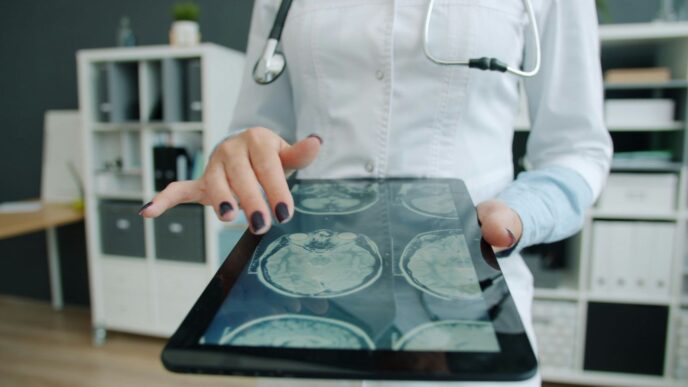
VR isn’t just for procedures; it’s also helping doctors get better at figuring out what’s wrong with patients. By using detailed 3D anatomical models, students can explore the human body in ways never before possible. They can zoom in on organs, see how systems interact, and even visualize things like blood flow or nerve pathways. This kind of deep dive helps them understand complex conditions better. For instance, learning sonography becomes more intuitive when you can manipulate 3D sonographic images in VR, seeing structures from different angles. This hands-on virtual exploration can lead to quicker and more accurate diagnoses down the line, improving patient care from the very start of their medical journey. You can find more about how Arkansas nursing programs are integrating similar high-tech training.
Transforming Patient Care Through VR Technology
Virtual reality is really changing how patients experience their healthcare journey. It’s not just about fancy tech; it’s about making things better for people dealing with health issues.
Alleviating Stress and Anxiety in Patients
Going into surgery or a medical procedure can be super stressful. VR offers a way to help with that. By letting patients explore a virtual version of what’s going to happen, they can get a clearer picture and feel more prepared. This can really cut down on worry before a procedure.
- Virtual tours of operating rooms reduce fear of the unknown.
- Patients can practice relaxation techniques in calming virtual environments.
- Visualizing the procedure helps demystify the process, leading to greater confidence.
Multifaceted Pain Management Solutions
Pain is something a lot of people struggle with, and VR is showing promise as a tool to help manage it. It can distract the brain from pain signals, especially during uncomfortable procedures or for those with chronic pain conditions. Think of it like a really engaging game that pulls your attention away from discomfort.
| Condition | VR Approach |
|---|---|
| Chronic Back Pain | Immersive nature scenes for relaxation |
| Burn Treatment | Interactive games to distract from wound care |
| Post-operative | Guided meditation in virtual environments |
Enhancing Patient Education and Engagement
Sometimes, medical information can be really hard to grasp. VR can make it much simpler. Imagine seeing a 3D model of your own heart to understand a condition, or walking through how a new medication works in your body. This kind of visual learning sticks better than just reading pamphlets.
- Interactive 3D models make complex conditions easier to understand.
- Patients can virtually try out different treatment options to see their effects.
- This improved understanding leads to patients being more involved in their own care decisions.
VR Applications in Mental Health and Therapy
Virtual reality is really changing the game when it comes to mental health and therapy. It’s not just about playing games anymore; it’s about creating safe, controlled spaces where people can work through tough issues. This technology lets therapists guide patients through experiences that would be too difficult or even impossible to replicate in real life.
Treating Phobias and PTSD
For folks dealing with phobias or PTSD, VR offers a way to face fears head-on. Therapists can create virtual scenarios that mimic what triggers anxiety or trauma, like public speaking, heights, or specific memories. The patient is gradually exposed to these situations in a controlled setting, allowing them to build coping skills and reduce their fear response over time. It’s like exposure therapy, but with a much more realistic and adaptable environment. The therapist can adjust the intensity, pause the session, or repeat parts as needed, making the process safer and more effective.
Supporting Chronic Disease Management
Living with a chronic illness can be a real struggle, both physically and mentally. VR can help patients better understand their condition and the lifestyle changes needed to manage it. Imagine a virtual walkthrough of how diabetes affects the body or interactive exercises that show the benefits of physical therapy after a stroke. This kind of immersive education can really boost motivation and help people stick to their treatment plans. It makes managing health feel less like a chore and more like an active process.
Promoting Mindfulness and Well-being
Beyond specific conditions, VR is also being used to promote general well-being and mindfulness. Think about virtual nature scenes that help reduce stress or guided meditation sessions in calming digital environments. These experiences can offer a much-needed escape from daily pressures and help individuals develop better emotional regulation skills. It’s a way to practice relaxation and self-awareness in a deeply engaging way, which can have lasting positive effects on mental health.
Enhancing Empathy and Communication Skills
When we talk about bedside manner, it often sounds a bit fluffy—like something you just pick up over time. But with virtual reality (VR), it’s a whole different ball game. Now, healthcare workers can actually experience what it’s like to be the patient, which really flips their perspective. VR makes it easier for doctors and nurses to understand things from the patient’s side, leading to better care and stronger connections.
Simulating Patient Perspectives
VR doesn’t just tell you what patients go through—it practically puts you in their shoes. Think about these possibilities:
- Experience the disorientation of dementia or Parkinson’s firsthand
- See the world from the view of someone with vision loss or hearing impairments
- Understand mobility challenges by simulating limited movement or chronic discomfort
By taking part in these scenarios, medical professionals don’t just learn; they actually feel what patients feel. It’s an eye-opener for many.
Improving Patient-Provider Interactions
Everyone knows communication is important, but VR turns abstract lessons into practice. Here’s how hospitals and clinics use VR to make sure staff get better at talking with patients:
- Role-play tough conversations, like delivering bad news, in a safe, repeatable setting
- Practice active listening and de-escalation techniques with virtual patients who respond realistically
- Train in recognizing non-verbal cues and adjusting communication styles on the fly
Research even shows that after VR-based communication training, patient satisfaction scores go up and so does provider confidence.
Fostering Compassionate Care Delivery
True compassion isn’t just about feeling sorry for someone; it’s about wanting to help because you can relate. VR can boost this by:
- Teaching providers to spot subtle signs of discomfort or fear in virtual patient simulations
- Offering feedback on their bedside manner, highlighting moments that were supportive or could be improved
- Helping teams understand cultural or language barriers by running through those situations
The result: staff don’t just deliver instructions—they build real trust and rapport with patients. VR might be techy, but its biggest power is making healthcare feel a little more human.
The Future of VR in Healthcare Settings
The next few years for VR in healthcare look busy. You can already see it moving past flashy demos and settling into more meaningful roles in clinics and hospitals. VR is about to become part of the everyday toolkit rather than just a tech trend—but there’s still a lot to sort out. Let’s break down where things are going.
Advancements in Realism and Interactivity
One major focus is making VR experiences feel much more real. This isn’t just about sharp graphics—developers are adding:
- Haptic feedback, so you actually feel what you’re doing in simulations (think: the resistance of a suture needle or the pulse of an artery).
- Motion tracking that captures even subtle hand movements.
- Voice recognition and AI-driven patient responses for more honest practice sessions.
It’s not just for surgeons, either. Nurses, physical therapists, and even patients are seeing more interactive modules designed for their needs as well.
Brief Table: Expected VR Feature Improvements
| Feature | Where It Is Now | What’s Coming |
|---|---|---|
| Haptic Feedback | Basic vibrations | Realistic textures |
| Graphics | 3D but cartoonish | Lifelike visuals |
| AI-Driven Content | Simple scripts | Adaptive scenarios |
Increased Accessibility and User-Friendliness
VR isn’t just for big hospitals anymore. Over time, costs are dropping, and devices are getting:
- Lighter and more comfortable—no more sweating under a heavy headset.
- Easier to clean and disinfect (especially important in healthcare).
- Smarter software—getting started won’t take an IT degree.
Lots of clinics are ditching specialized rooms and replacing them with portable VR carts. More vendors are making their products plug-and-play, with built-in tutorials.
Adaptive Learning Systems for Personalized Care
Here’s where things get really interesting. Adaptive AI can track what you do in a simulation and adjust the next module to address your weaknesses. Imagine a medical student who keeps missing key symptoms—VR can spot that and feed in more practice until the student nails it.
Some possible benefits launching soon:
- Step-by-step coaching tailored to each learner’s mistakes or hesitations
- Adjusting scenario difficulty in real time
- Data tracking for educators and clinicians who want to spot training gaps or strengths
It’s clear nobody knows exactly what healthcare and VR will look like in five years. But the direction is clear: more realism, easier use, and smarter personalized learning for everyone in the healthcare system.
Addressing Challenges in VR Healthcare Integration
So, VR in healthcare sounds pretty amazing, right? But getting it into hospitals and clinics isn’t exactly a walk in the park. There are definitely some hurdles we need to jump over before it becomes a regular part of patient care. One of the biggest issues is making sure these systems are actually easy for doctors and nurses to use. Right now, a lot of the tools to create VR stuff are really for tech wizards, not for someone who’s just finished a 12-hour shift. We need simpler ways to build and use VR applications that fit into the busy healthcare world.
Here are some of the main things we’re grappling with:
- Making it User-Friendly: Healthcare pros need VR tools that are intuitive. Think about it – they’re already juggling a million things. Learning a complicated new system just isn’t practical. We need quick ways to get started and use VR without a huge learning curve. This is key for wider adoption of these technologies.
- Proving It Works: While we see a lot of promise, we need solid proof that VR actually makes a difference in patient outcomes. This means more studies that really dig into whether VR treatments are effective and how they compare to what we’re doing now. It’s not enough for it to be cool; it has to be clinically sound.
- Cost and Access: Let’s be real, new technology can be expensive. We need to figure out how to make VR accessible to more people and places, not just fancy hospitals. If only a few can afford it, it won’t truly transform care for everyone. Plus, the ongoing costs of maintaining these systems can add up.
Beyond usability, there are also big questions about patient privacy and data security. Since VR systems collect sensitive information, they need the same strong protections as other digital health tools. We need clear rules and secure networks to keep patient data safe and build trust. It’s a complex puzzle, but figuring out these integration challenges is how we’ll make VR a real game-changer in healthcare.
Conclusion
Virtual reality in healthcare is moving fast, and it’s honestly pretty wild to see how much things have changed in just a few years. What started as something mostly for gamers is now helping doctors practice surgeries, letting patients understand their treatments better, and even making tough hospital stays a bit less stressful. Sure, there are still some bumps to work out—like making the tech easier for everyone to use and making sure it really works in every situation—but the progress so far is hard to ignore. As VR keeps getting better, it’s likely to become a regular part of how we care for people. It’s not just about fancy gadgets; it’s about making healthcare a little more human and a lot more helpful. The future looks interesting, and honestly, I can’t wait to see what’s next.
Frequently Asked Questions
What is virtual reality (VR) and how is it used in medicine?
Virtual reality, or VR, is like a super-advanced video game where you wear a special headset. Instead of just looking at a screen, you feel like you’re actually inside a different world. In medicine, doctors and nurses use VR to practice tricky surgeries without any risk, learn how to treat patients better, and even help people feel less scared or in pain.
Can VR help patients feel less worried before surgery?
Yes, absolutely! Imagine being nervous about an operation. VR can show you exactly what will happen in a calm, virtual way, like a guided tour. This helps you understand the process better and makes you feel much less anxious because you know what to expect.
How does VR help manage pain?
VR can be a fantastic distraction from pain. When you’re in a virtual world, maybe playing a game or exploring a beautiful place, your brain pays less attention to hurting. It’s like giving your mind something more interesting to focus on, which can make pain feel less intense.
Is VR used for mental health problems?
It sure is! VR is used to help people who are afraid of things, like heights or public speaking. It can also help those who have been through scary experiences, like soldiers or accident survivors, by letting them face their fears in a safe, controlled virtual setting.
Will VR become common in hospitals soon?
It’s already starting to be used more and more! As the technology gets better, cheaper, and easier to use, we’ll likely see it in more hospitals. It’s becoming a really important tool for training doctors and helping patients feel better.
What are the biggest challenges for using VR in healthcare?
One big challenge is making sure VR really works and helps patients get better, not just that it’s fun. Another is getting doctors and patients to feel comfortable using it. We also need to figure out the best ways to set it up in hospitals so it’s easy to use and doesn’t cause problems.