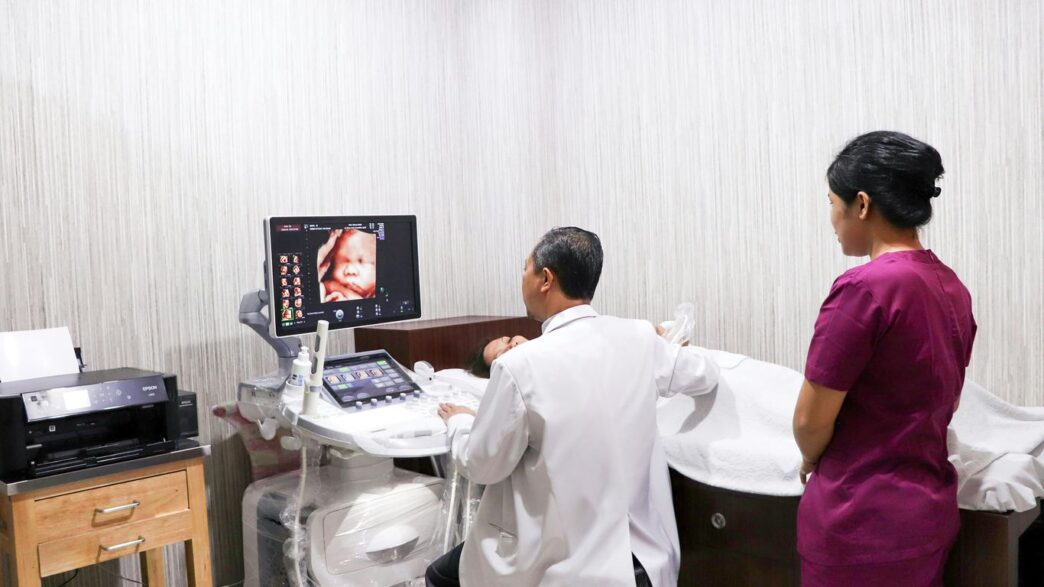
You know, healthcare is changing so fast, and a lot of that has to do with computers getting smarter. We’re talking about computer vision in healthcare, which is basically teaching machines to see and understand images and videos like we do, but way faster and sometimes even better. It’s not just science fiction anymore; it’s starting to show up in hospitals and clinics, helping doctors and nurses do their jobs more effectively and, most importantly, helping patients get better care. This technology is really opening doors to new ways of diagnosing illnesses, planning surgeries, and keeping an eye on patients, even from afar.
Key Takeaways
- Computer vision helps doctors analyze medical images, spot diseases earlier, and get diagnoses more right.
- It makes surgeries more precise by guiding robots and helping surgeons plan operations better.
- This tech can keep track of patients, especially those with long-term illnesses, and even detect falls.
- Computer vision can automate tasks like managing patient records and make hospital operations run smoother.
- While there are hurdles like data privacy and integration, computer vision is set to greatly improve patient care and healthcare efficiency.
Revolutionizing Diagnostics With Computer Vision
It’s pretty wild how computers are starting to ‘see’ and understand medical images, right? Computer vision is basically giving machines the ability to interpret things like X-rays, CT scans, and MRIs, kind of like how a doctor does, but often much faster. This isn’t just about making things quicker, though; it’s about finding things that might be missed by the human eye, especially in those really early stages of a disease. This technology is changing how we catch problems before they become serious.
Enhancing Medical Imaging Analysis
Think about all the medical images generated every single day. Radiologists and other specialists have to look at all of them. Computer vision algorithms can be trained on massive datasets of these images. They learn to spot subtle patterns, anomalies, or changes that might indicate a problem. For instance, they can help identify tiny tumors on a mammogram or spot early signs of lung disease on a CT scan. This doesn’t replace the expert, but it acts like a super-powered assistant, flagging areas that need closer attention. It’s about making sure no detail slips through the cracks.
Accelerating Disease Detection
One of the biggest wins here is catching diseases earlier. We’re talking about conditions like diabetic retinopathy, where early detection from retinal scans can prevent blindness. Or even certain types of cancer, where spotting a small nodule on a scan could mean a much better chance of successful treatment. The speed at which these systems can analyze images means that potentially life-threatening conditions can be identified much sooner, allowing for quicker intervention. This is especially helpful in areas where access to specialists might be limited, as these tools can help democratize access to expert diagnostic skills.
Improving Diagnostic Accuracy
Accuracy is obviously a huge deal in healthcare. Computer vision can help reduce the chances of misdiagnosis. By providing a consistent, data-driven analysis, it can act as a second opinion, or even a primary screening tool. For example, AI systems are being developed to detect wrist fractures from X-rays with accuracy comparable to human radiologists. This consistency is key. It means that whether a scan is read by Dr. Smith or Dr. Jones, or even by an AI, the initial assessment of potential issues can be more reliable. Here’s a look at some of the ways this is happening:
- Pattern Recognition: Identifying complex patterns in scans that are too subtle for humans to consistently detect.
- Quantitative Analysis: Measuring specific features in images, like the size of a lesion or the density of bone, with high precision.
- Consistency: Providing a standardized analysis that isn’t affected by fatigue or workload, which can sometimes impact human interpretation.
This technology is really starting to make a difference in how we approach diagnosing illnesses, making it faster, more precise, and more accessible for everyone.
Transforming Surgical Precision and Planning
Surgery is getting a serious upgrade thanks to computer vision. It’s not just about making things look cooler; it’s about making procedures safer and more effective. Think about robotic surgery, for instance. Computer vision acts like the eyes for these robots, processing video feeds in real-time to guide their movements with incredible accuracy. This means surgeons can perform complex maneuvers with less invasiveness, potentially leading to quicker recovery times for patients.
Guiding Robotic Surgical Systems
Robotic surgical systems, like the well-known Da Vinci robot, rely heavily on computer vision. The system analyzes endoscopic videos, identifying critical structures and providing real-time feedback to the surgeon controlling the robot. This visual guidance helps optimize the surgery’s accuracy, precision, and overall safety. It’s like having an incredibly skilled assistant who never gets tired and can see things the human eye might miss.
Customizing Treatments with Precision Medicine
Computer vision is also a game-changer for precision medicine. By analyzing detailed medical images, like CT scans or MRIs, it can map out a patient’s unique anatomy. This information allows for the customization of surgical plans, implants, and even medications. Imagine getting a prosthetic limb or a heart valve designed specifically for your body – that’s the kind of personalization computer vision makes possible. This approach aims for better outcomes by tailoring treatments to the individual, moving away from one-size-fits-all solutions. The field of advanced imaging technologies is crucial here, offering detailed, real-time visualization essential for planning and executing these intricate surgical procedures. Cone-beam imaging, for example, provides a detailed 3D view that can be invaluable [795f].
Augmenting Procedures with Augmented Reality
Augmented reality (AR) is another area where computer vision shines in surgery. During an operation, AR can overlay critical patient data, such as tumor locations or blood vessel pathways, directly onto the surgeon’s view of the patient. This visual overlay helps surgeons make more informed decisions on the spot. It’s like having a digital blueprint guiding their hands. This technology can also be used to train surgeons, providing a simulated environment that closely mimics real-world scenarios. The potential benefits include:
- Reduced operative times
- Fewer errors during complex steps
- Improved visualization of hidden structures
- Better patient outcomes through more precise interventions
Advancing Patient Monitoring and Care
Supporting Chronic Condition Management
Keeping an eye on folks with ongoing health issues can be a real challenge. That’s where computer vision steps in, making things a bit easier. Think about it: systems can watch patients at home, noticing if they’re taking their meds correctly or if their activity levels are dropping way off. This isn’t about spying; it’s about catching problems early before they get serious. For example, someone with diabetes might need to check their blood sugar regularly. A vision system could remind them and even confirm they’ve done it, sending an alert if they miss a reading. It’s like having a helpful assistant who never forgets.
Enabling Fall Detection and Safety
Falls are a big worry, especially for older adults. Computer vision can act as a silent guardian. Cameras placed in living spaces can spot a fall the moment it happens. Instead of waiting for someone to find them, an alert can be sent out immediately to family or emergency services. This quick response can make a huge difference in recovery. Some systems can even predict a potential fall by noticing changes in how someone is walking, like a shuffle that’s gotten worse, and flag it for a doctor to check.
Facilitating Remote Patient Observation
Being able to check in on patients without them having to come into the clinic is a game-changer. Computer vision, combined with other sensors, allows for continuous monitoring from afar. This is super useful for people recovering from surgery or those with heart conditions. Systems can track vital signs like breathing patterns or even subtle changes in skin color that might indicate a problem. This constant stream of data helps doctors catch issues early, often before the patient even feels sick. It means fewer hospital visits and a better quality of life for many.
Streamlining Healthcare Operations
Beyond the direct patient care aspects, computer vision is also quietly making waves behind the scenes, tidying up the messy bits of running a hospital or clinic. Think about all the paperwork and the constant juggling of resources. It’s a lot, and frankly, it takes time away from what really matters – the patients.
Automating Medical Record Management
Keeping patient records accurate and up-to-date is a huge job. Computer vision can help here by automatically pulling information from scanned documents or even from spoken notes during a patient visit. This means less manual typing for staff, which cuts down on mistakes. Imagine a system that can read a doctor’s handwritten notes and instantly put that information into the digital patient chart. It’s not just about speed; it’s about making sure the right data is in the right place, every time. This frees up doctors and nurses to spend more time actually talking to patients and less time wrestling with their computers.
Optimizing Workflow Efficiency
Hospitals are complex places with many moving parts. Computer vision can help make things run smoother. For example, it can track the movement of staff and equipment to see where bottlenecks are occurring. Are certain departments always backed up? Is a particular piece of equipment always in high demand and hard to find? By analyzing visual data, administrators can get a clearer picture of how things are flowing (or not flowing) and make changes. This could involve rearranging layouts, adjusting staffing schedules, or ensuring equipment is available where and when it’s needed most.
Improving Asset Tracking and Management
Ever wonder where that vital piece of medical equipment went? It happens more often than you’d think. Computer vision systems can be set up to monitor the location of expensive or critical assets like infusion pumps, wheelchairs, or specialized diagnostic tools. Cameras can track these items as they move through the facility, creating a real-time inventory. This means:
- Less time spent searching for misplaced equipment.
- Better utilization of expensive machinery.
- Reduced risk of theft or loss.
- Quicker access to necessary tools during emergencies.
It’s about making sure the right tools are available at the right time, without the frantic search that can sometimes accompany a busy healthcare setting.
Real-World Impact of Computer Vision
It’s one thing to talk about how computer vision could change healthcare, but it’s another to see it actually happening. And let me tell you, the changes are pretty significant. We’re not just talking about theoretical possibilities anymore; these are real tools making a difference for patients and doctors right now.
Case Studies in Early Disease Detection
One of the most exciting areas is catching diseases super early. Think about conditions like diabetic retinopathy, which can lead to blindness if not caught. There are systems now that can look at eye scans and spot the signs of this disease with accuracy that rivals human experts. This means people can get treatment before their vision is seriously affected, which is a huge win. It’s not just eyes, either. Algorithms are getting really good at spotting tiny anomalies in X-rays, CT scans, and MRIs that might indicate cancer or other serious issues. This ability to find subtle patterns humans might miss is a game-changer for proactive care.
Success Stories in Surgical Assistance
Surgery is another area where computer vision is making waves. Robotic surgical systems, guided by AI that ‘sees’ what’s happening, are becoming more precise. This can mean less invasive procedures, quicker recovery times, and fewer complications. Imagine a surgeon having an augmented reality overlay during an operation, showing them exactly where to make an incision or highlighting critical blood vessels. It’s like having a super-powered assistant right there. We’re seeing these technologies help with everything from delicate brain surgery to complex abdominal procedures, improving outcomes and making difficult operations more manageable.
Examples of Enhanced Patient Monitoring
Beyond diagnostics and surgery, computer vision is also improving how we keep an eye on patients, especially those who need continuous care. Think about elderly individuals living at home. Systems can now monitor for falls, which is a major concern. If a fall is detected, an alert can be sent out immediately. It’s also being used to track patient movement and behavior in hospitals, helping nurses identify if someone is trying to get out of bed unsafely or showing signs of distress. For people managing chronic conditions, cameras can even help monitor if they’re doing their physical therapy exercises correctly, providing feedback and helping them stay on track with their recovery.
The Future Landscape of Computer Vision in Healthcare
So, where is all this computer vision tech headed in the medical world? It’s not just about making current tools better; it’s about entirely new ways of doing things. We’re looking at a future where AI doesn’t just assist, but actively participates in patient care and hospital operations. The integration of computer vision with other AI fields is set to redefine healthcare delivery.
Emerging Innovations and Technologies
Think beyond just analyzing scans. We’re seeing developments like:
- Wearable sensors that use computer vision to keep an eye on chronic conditions like sleep apnea or epilepsy right from your wrist or chest. It’s like having a constant, silent observer looking out for you.
- Digital twins are becoming a reality. These are virtual replicas of patients, built using visual data, that allow doctors to simulate treatments and see how they might work before ever touching the actual patient. Pretty wild, right?
- Robotics are getting smarter. Computer vision is enabling surgical robots to perform more complex tasks with greater autonomy, potentially leading to fully automated procedures in the future.
- Edge AI is another big one. This means processing data right on the device, like at the patient’s bedside, instead of sending it all to the cloud. This makes real-time analysis much faster and more private.
Addressing Adoption Challenges
Of course, it’s not all smooth sailing. There are hurdles to clear before this future is fully realized:
- Data Privacy: Keeping sensitive patient images and videos secure is a massive concern. We need robust systems to prevent breaches.
- System Integration: Getting new AI tools to play nicely with the old hospital IT systems can be a real headache. It’s like trying to plug a new gadget into a system that’s decades old.
- AI Bias: If the data used to train these AI models isn’t diverse enough, the AI might not work as well for everyone, leading to unfair or incorrect diagnoses. We need to make sure the training data represents all kinds of people.
- Rules and Regulations: Medical devices, especially AI-powered ones, have to meet strict standards. Getting approval from bodies like the FDA takes time and a lot of paperwork.
The Evolving Role of AI in Medical Practice
As computer vision becomes more common, the roles of healthcare professionals will shift. AI will take over some of the more repetitive tasks, freeing up doctors and nurses to focus on complex decision-making and direct patient interaction. It’s not about replacing humans, but about giving them better tools and more time. The goal is a more efficient, accurate, and personalized approach to medicine, where technology works hand-in-hand with human expertise to improve patient lives.
Looking Ahead
So, what does all this mean for the future of healthcare? It’s pretty clear that computer vision isn’t just some fancy tech idea anymore; it’s actively changing how doctors and nurses do their jobs, right now. From spotting diseases way earlier than we used to, to making surgeries safer and helping keep an eye on patients at home, this technology is making a real difference. Sure, there are still hurdles to jump, like making sure patient data stays private and getting all the right approvals. But the upsides – better accuracy, faster care, and helping more people get good treatment – are huge. The hospitals and clinics that start using these tools now are going to be the ones leading the way in giving everyone the best possible care.
Frequently Asked Questions
What exactly is computer vision in healthcare?
Think of computer vision as giving computers ‘eyes’ to see and understand pictures and videos. In healthcare, this means computers can look at medical images like X-rays or scans, or even watch patients, to help doctors find problems, plan treatments, and keep an eye on people’s health.
How does computer vision help doctors diagnose illnesses?
Computer vision can spot tiny details or patterns in medical images that might be hard for a human eye to see. This helps doctors find diseases like cancer or eye problems much earlier and more accurately, leading to quicker treatment and better chances of recovery.
Can computer vision make surgeries safer or better?
Yes! Computer vision can guide robotic surgery tools with amazing precision, making operations smoother and less risky. It can also help surgeons by showing them extra information, like 3D models of a patient’s body, right in front of them during the operation.
How does computer vision help with patient care outside of the hospital?
It’s great for keeping an eye on people with ongoing health issues or older adults. Cameras can help monitor if someone falls, check if they’re doing their physical therapy exercises correctly, or even track vital signs without needing to attach lots of wires.
Are there any downsides or challenges to using computer vision in medicine?
There are a few hurdles. We need to make sure patient information stays private and safe. Also, the computer programs need to be trained on lots of different types of data so they work well for everyone and don’t make mistakes. Getting these new tools to work with old hospital systems can also be tricky.
What’s next for computer vision in the world of healthcare?
The future is exciting! We’ll likely see even smarter tools that can do more complex tasks, maybe even helping create new medicines. It will probably become a standard tool that doctors and nurses use every day to give patients the best possible care.