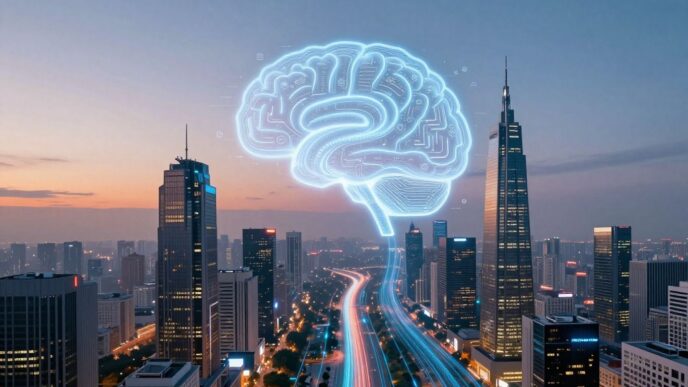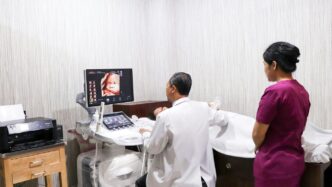
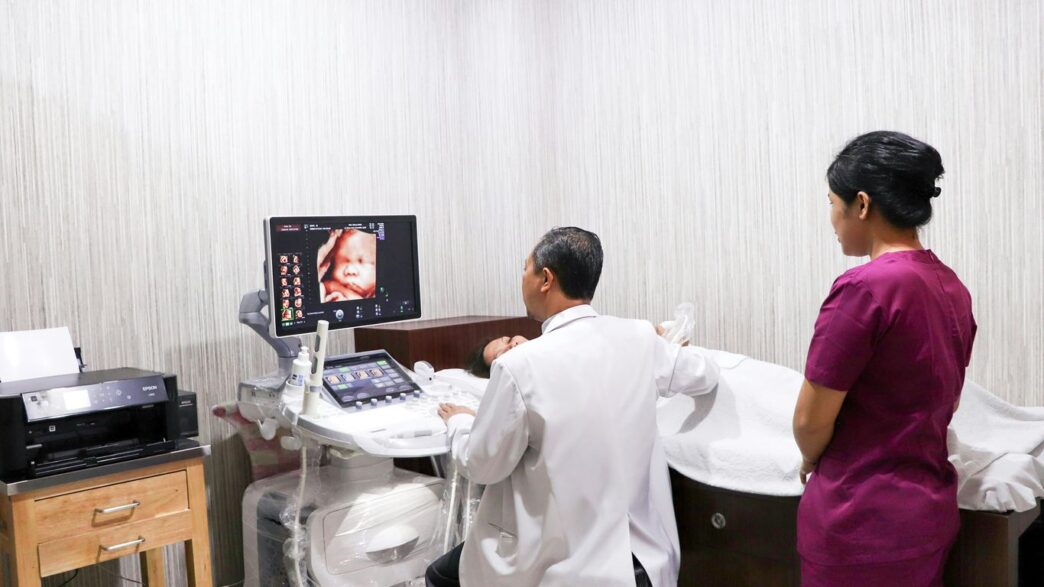
Lately, I’ve been reading a lot about how computers are getting smarter, especially when it comes to looking at things. It’s wild to think about, but this technology, called computer vision, is starting to make a big difference in hospitals and doctor’s offices. It’s like giving doctors super-powered eyes to see things they might miss, helping them figure out what’s wrong faster and treat people better. We’re talking about everything from spotting diseases early to making sure surgeries go smoothly. It’s pretty amazing stuff.
Key Takeaways
- Computer vision in healthcare uses AI and cameras to help doctors identify diseases and diagnose problems more accurately.
- This tech can track patient health, like vital signs and recovery progress, even from home.
- It helps hospitals run smoother by managing patient flow and keeping things clean.
- Surgeons can use computer vision for better guidance during operations and for training.
- The technology is also key to creating personalized treatment plans and managing medications more precisely.
Revolutionizing Diagnostics With Computer Vision
It’s pretty wild how much computer vision is changing how doctors figure out what’s wrong with people. Think about it – instead of just looking at scans themselves, computers can now help spot things that might be easy to miss. This isn’t science fiction anymore; it’s happening now and making a real difference.
AI-Powered Disease Identification
This is where computers get really good at looking at medical images, like X-rays or CT scans, and pointing out potential problems. They’re trained on tons of data, so they can learn to see tiny changes that might signal a disease. It’s like having a super-powered assistant for doctors, helping them catch things earlier. For example, specific AI models can analyze lung CT scans to classify different types of lung conditions with impressive accuracy. This speeds up the process and can help doctors make quicker decisions.
Enhancing Medical Imaging Analysis
Medical images are complex, and sometimes it takes a lot of time and a sharp eye to get all the information out of them. Computer vision tools can process these images much faster than a human alone. They can highlight areas of interest, measure things precisely, and even help compare current scans with older ones to see if anything has changed. This isn’t about replacing doctors, but giving them better tools to do their jobs. It can help reduce the chance of errors and make sure patients get the right diagnosis without unnecessary delays.
Early Detection of Critical Conditions
When it comes to serious illnesses, especially things like cancer, catching them early is a huge deal. The sooner a problem is found, the better the chances are for treatment to work. Computer vision is a game-changer here. By analyzing images, these systems can spot the very first signs of disease, sometimes even before they’re obvious to the human eye. This early warning system means patients can start treatment sooner, which can really improve their outlook. It’s all about using technology to give people the best possible chance at recovery.
Improving Patient Care Through Advanced Monitoring
It’s pretty amazing how technology is changing the way we look after people who are sick or need extra help. Computer vision is a big part of this, especially when it comes to keeping a close eye on patients without being right there all the time. This means doctors and nurses can get a clearer picture of what’s going on, even from afar.
Automated Vital Signs Tracking
Think about it: instead of someone constantly checking a pulse or blood pressure, systems can do it automatically. Computer vision can watch a patient’s chest movements to gauge breathing rate, or even detect subtle changes in skin color that might indicate a drop in oxygen levels. This continuous, non-intrusive monitoring allows for the very early detection of problems. It’s like having an extra set of eyes that never get tired. This is especially helpful in intensive care units where every second counts. It can also help spot things like irregular heartbeats before they become serious issues. The data collected can be fed into systems that alert staff if something looks off, giving them a heads-up to intervene.
Remote Rehabilitation and Elderly Care
For people recovering from injuries or older adults who need support at home, computer vision opens up new possibilities. Imagine a physical therapy session where the system tracks your movements, making sure you’re doing the exercises correctly. It can provide feedback in real-time, much like a therapist would, but available anytime. For elderly individuals living alone, these systems can monitor for falls or unusual inactivity, sending alerts to family members or caregivers. This technology provides a sense of security and independence, allowing people to stay in their homes longer while still receiving a good level of oversight. It’s a way to extend the reach of care beyond the hospital walls.
Monitoring Chronic Condition Progression
Managing long-term illnesses like diabetes or heart disease often requires consistent tracking. Computer vision can play a role here too. For instance, it can help monitor a patient’s adherence to medication schedules or track changes in their physical condition over time. By analyzing patterns in daily activities or specific physical markers, these systems can help predict potential flare-ups or the worsening of a condition. This proactive approach means treatments can be adjusted before a patient’s health takes a significant downturn. It’s about shifting from reacting to problems to anticipating them, making patient care much more effective in the long run.
Streamlining Hospital Operations and Efficiency
Hospitals are complex places, and keeping everything running smoothly can feel like a juggling act. Computer vision is stepping in to help manage the chaos, making things more efficient and less prone to errors. Think about how much time staff spend on tasks that don’t directly involve patient care. Computer vision can automate many of these, freeing up valuable human resources.
Optimizing Patient Flow and Resource Allocation
Getting patients where they need to be, when they need to be there, is a big challenge. Computer vision can track patient movement and wait times in different areas, like emergency rooms or imaging departments. This data helps administrators see bottlenecks and figure out how to move people through the system faster. It can also help with allocating staff and equipment more effectively. For example, if a particular ward is consistently busy, the system can flag it for additional support.
Here’s a look at how it helps:
- Real-time Tracking: Monitoring patient locations and movement patterns.
- Bottleneck Identification: Pinpointing areas where delays commonly occur.
- Resource Management: Suggesting optimal staffing and equipment deployment.
This kind of insight can lead to shorter wait times and a better experience for everyone involved. It’s all about making the hospital work smarter, not harder. This technology is becoming a core system for modern healthcare, driving efficiency and workflow automation across the board, as seen in AI transforming hospitals.
Ensuring Hospital Hygiene Compliance
Keeping a hospital clean is non-negotiable, but it’s hard to monitor constantly. Computer vision systems can be set up to watch high-traffic areas and check if cleaning protocols are being followed. Cameras can detect if surfaces are being wiped down or if hand sanitizer dispensers are being used. If a spot is missed, the system can alert the cleaning staff. This isn’t about spying on people; it’s about making sure everyone stays safe and healthy by maintaining a clean environment.
Lean Management in Healthcare Settings
Lean management is all about cutting out waste and making processes as efficient as possible. Computer vision can play a role here too. It can help identify wasted time, unnecessary steps, or inefficient use of supplies. For instance, by analyzing video feeds in supply rooms, it might spot expired items or areas where inventory is poorly organized. This helps hospitals operate more like a well-oiled machine, reducing costs and improving the quality of care. It’s about finding those small improvements that add up to big changes over time.
Advancing Surgical Precision and Training
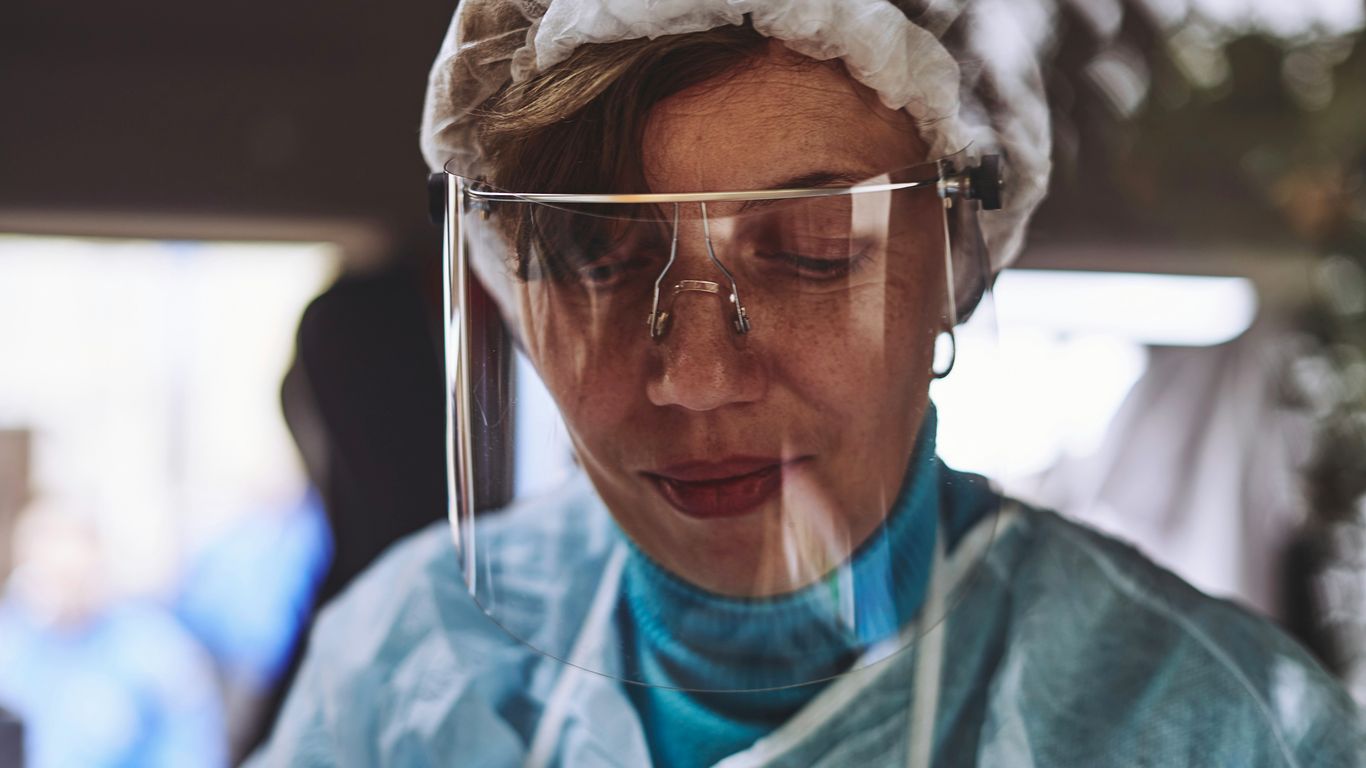
When it comes to surgery, precision is everything. Computer vision is stepping in to help surgeons do their jobs even better, making procedures safer and more accurate. Think about it: the surgeon is looking at a screen, trying to perform delicate work. Computer vision can add an extra layer of information, highlighting important structures or warning about potential issues in real-time. This isn’t science fiction anymore; it’s becoming a practical tool in the operating room.
Computer Vision for Surgical Guidance Systems
These systems act like a super-powered GPS for surgeons. They use cameras and sensors to track instruments and the patient’s anatomy. The computer vision software then analyzes this data to provide guidance. For example, it can show the surgeon the optimal path for an incision or help them avoid hitting a nerve. This technology can significantly reduce the chances of errors during complex operations. It’s like having an experienced co-pilot who sees things you might miss.
Simulation-Based Surgical Skill Development
Learning to be a surgeon takes years of practice. Computer vision is changing how that practice happens. Instead of just relying on traditional methods, trainees can use simulators that mimic real surgical scenarios. These simulators use computer vision to track the trainee’s movements and provide feedback. This allows them to practice difficult procedures in a safe environment, getting a feel for the instruments and the steps involved. It’s a great way to build confidence and refine techniques before operating on actual patients. This approach is proving to be a game-changer for surgical education, offering a more objective way to assess skills [7285].
Measuring Surgical Performance and Safety
Beyond training, computer vision can also monitor surgeons during actual procedures. It can analyze video feeds to assess things like instrument handling, efficiency of movement, and adherence to protocols. This data can then be used to identify areas where a surgeon might need more support or training. It’s all about improving patient safety by understanding what works best and where improvements can be made. This objective measurement helps create a more standardized and safer surgical environment for everyone involved.
Personalizing Treatments and Medication Management
It’s pretty amazing how computer vision is starting to make healthcare feel more like it’s just for you, not just a one-size-fits-all approach. Think about it: instead of getting the same treatment plan as everyone else with a similar condition, AI can look at all your specific details – like your medical history, genetic makeup, and even how you respond to certain drugs – to suggest what might work best for you. This means treatments can be fine-tuned to your unique needs, potentially leading to better results and fewer side effects.
This personalized approach isn’t just for complex conditions. It’s also changing how we manage medications. Imagine a system that uses cameras and smart algorithms to scan your pills, track when they’re given, and even check the dosage. This helps make sure you’re getting the right medicine at the right time, cutting down on mistakes. It’s like having an extra layer of safety built into the process.
Here’s a look at how this is playing out:
- Tailored Treatment Plans: AI analyzes your medical images (like MRIs or CT scans) and other data to spot patterns specific to your illness. This helps doctors create a treatment strategy that’s really built around you.
- Accurate Medication Administration: Computer vision systems can help verify medications before they’re given. They can read labels, check dosages against what’s prescribed, and even confirm it’s the right patient. This is a big step for safety, especially in busy hospital settings.
- Support for Patients with Impairments: For people with visual impairments, computer vision can be a game-changer. It can help them navigate their surroundings, read text, or even identify their medications. It’s about using technology to give people more independence and better access to their own care.
The Foundation of Computer Vision in Healthcare
Deep Learning’s Impact on Image Understanding
So, how does computer vision actually work its magic in healthcare? A lot of it comes down to something called deep learning. Think of it like teaching a computer to learn from examples, much like we do, but on a massive scale. Before deep learning, getting computers to understand images meant a lot of manual work, where experts had to tell the computer exactly what to look for. Deep learning changes that. It uses layers of artificial ‘neurons’ that process information step-by-step, allowing the computer to figure out the important features on its own. This means it can get really good at spotting patterns in complex medical images, like X-rays or scans, often with surprising accuracy.
Privacy and Security in Healthcare AI
Now, when we talk about using AI and computer vision with patient data, privacy and security are huge concerns. Nobody wants their sensitive health information floating around unprotected. That’s why there’s a big push to keep data safe. This often involves processing information right on the device, like a hospital’s own computer, instead of sending it off to the cloud. It’s about making sure the systems are secure, data is handled carefully, and everything is transparent. We need to trust that our information is being protected every step of the way.
Edge AI for Real-Time Processing
This is where ‘Edge AI’ comes into play. Instead of relying on powerful, distant servers, Edge AI processes data locally, right where it’s collected. Imagine a camera in an operating room or a monitoring device in a patient’s home. Edge AI allows these devices to analyze images and video instantly, without needing to send everything over the internet. This is super important for things that need quick reactions, like guiding a surgeon’s hand or detecting a fall. It also helps with privacy because sensitive data doesn’t have to leave the local environment. It’s all about making AI faster, more responsive, and more secure for healthcare applications.
The Road Ahead
So, we’ve seen how computer vision is really changing things in healthcare. It’s not just about fancy tech; it’s about making patient care better, faster, and more accurate. From spotting diseases early to helping surgeons with tricky operations and even making sure hospitals are clean, this technology is proving its worth. While there are still things to figure out, like making sure patient data stays private, it’s clear that computer vision is going to be a big part of how we do healthcare in the future. It’s exciting to think about what else it can do to help people get and stay healthy.
Frequently Asked Questions
What exactly is computer vision in healthcare?
Think of computer vision as giving computers ‘eyes’ to see and understand images and videos. In healthcare, this means using cameras and smart software to help doctors and nurses do their jobs better, like spotting diseases on scans or keeping track of patients.
How does computer vision help doctors find sicknesses?
Computer vision can look at medical pictures, like X-rays or scans, much faster and sometimes more accurately than a person. It’s trained to notice tiny details that might signal a problem, helping doctors catch diseases like cancer earlier when they are easier to treat.
Can computer vision help patients who are sick at home?
Yes! It can help monitor people recovering at home by watching them do physical therapy exercises to make sure they’re doing them right. It can also keep an eye on elderly folks to detect if they fall, which is super important for their safety.
Does computer vision make hospitals run smoother?
Absolutely. It can help figure out how many people are in a room or waiting in line, which helps hospitals manage their staff and resources better. It can even help check if cleaning rules are being followed to keep everyone healthy.
How does computer vision help during surgery?
During surgery, computer vision can act like a guide. It can use scans to show surgeons exactly where to operate, making procedures more precise and safer. It’s also used in training programs to help new surgeons practice and get better.
Is my health information safe when computer vision is used?
Keeping your health information private is a top priority. Many computer vision systems are designed to process information right on the device, without sending sensitive data to the cloud. This helps protect your privacy and security.