The way we shop is changing, and a lot of that has to do with new technology. Think about how many things are connected now, from your phone to maybe even your fridge. In the world of retail, this interconnectedness is a big deal. It’s all about using these smart devices and the information they give us to make shopping better for everyone. We’re talking about making stores run smoother and making your trip to the store more personal. This article is going to look at how these “iot retail solutions” are shaking things up.
Key Takeaways
- IoT retail solutions are changing how stores work by connecting devices to share information.
- Customers get more personalized experiences, like custom offers and easier ways to find things.
- Stores can manage their stock better and keep track of products all the way from the factory to the shelf.
- All this data helps stores make smarter choices about what to sell and how to sell it.
- While there are some tricky parts to setting this up, like cost and keeping data safe, the benefits are huge for the future of shopping.
Revolutionizing The Retail Landscape With IoT
The way we shop is changing, and a big reason for that is the Internet of Things, or IoT. Think of it as a bunch of smart devices talking to each other, making stores work better and giving us shoppers a more interesting time. It’s not just a fancy idea anymore; it’s actually happening and changing how retailers do business.
Understanding The Core Of IoT In Retail
At its heart, IoT in retail is about connecting everyday objects in a store to the internet. This means things like shelves, cameras, and even shopping carts can collect and share information. This data helps stores understand what’s going on in real-time. For example, sensors can tell a store exactly how many of an item are on a shelf, or if a particular display is getting a lot of attention. This constant flow of information is what makes everything smarter. It’s like giving the store a digital nervous system that can react quickly to what’s happening.
The Growing Market Value Of IoT Retail Solutions
This isn’t a small trend. The market for IoT in retail is growing fast. Experts predict it will be worth a significant amount, showing a strong yearly increase. This tells us that retailers see real value in these technologies.
| Metric | Value |
|---|---|
| Projected Market Value (2031) | $177.90 billion |
| Compound Annual Growth Rate (2022-2031) | 20.3% |
Transforming Consumer Interactions Through Connectivity
IoT is changing how we interact with stores. It’s moving beyond just picking up an item off a shelf. We’re seeing:
- Personalized offers: Beacons can send deals to your phone as you walk by certain products.
- Easier navigation: Digital maps can guide you straight to what you’re looking for.
- Instant product details: Smart shelves can show you prices and information without needing to find an employee.
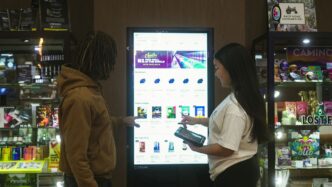
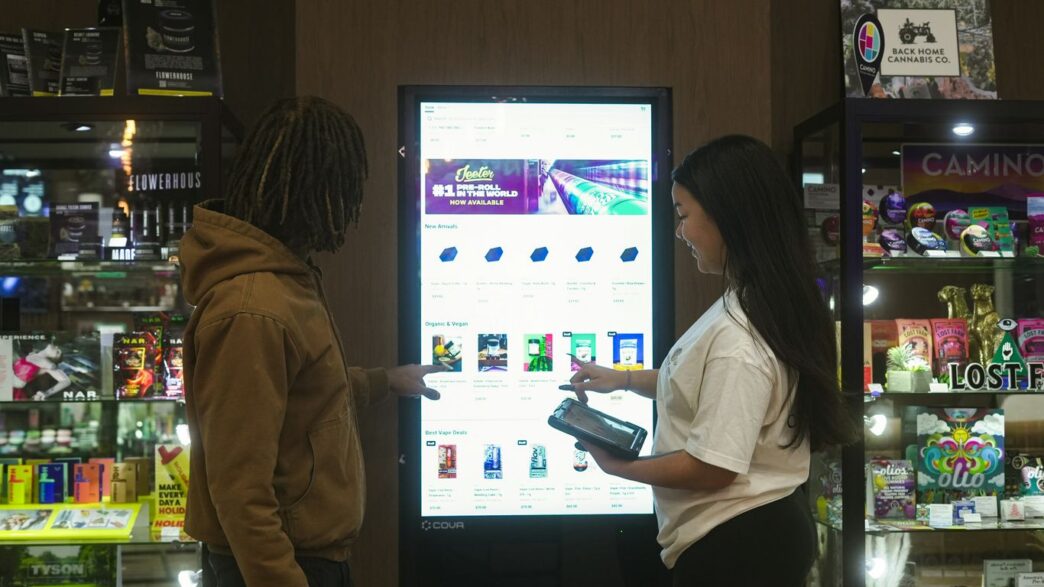
- Engaging displays: Interactive screens can offer demos or let you virtually try on clothes.
These connected experiences make shopping more convenient and interesting for us, and they give retailers a better way to connect with their customers.
Enhancing The Customer Journey With IoT
Think about the last time you walked into a store. Did you find what you were looking for easily? Did anyone greet you with a special offer based on what you usually buy? For many of us, the answer is probably ‘no’. But that’s changing, thanks to the Internet of Things, or IoT.
Personalized Shopping Experiences Through Data
IoT devices, like smart tags on products or sensors around the store, can help retailers understand what you’re interested in. This information allows them to offer you deals and suggestions that actually make sense for you, right when you’re shopping. Instead of generic ads, you might get a notification on your phone about a discount on your favorite coffee brand as you walk past the aisle. It’s about making shopping feel more like a personal assistant is helping you out, rather than just a transaction.
Seamless In-Store Navigation And Information
Ever felt lost in a big store, trying to find that one specific item? IoT can fix that. Imagine using your phone to get directions to a product, almost like a GPS for the store. Smart shelves can also show you real-time stock information, so you know if something is available before you even ask an employee. This cuts down on frustration and saves you time.
Here’s a quick look at how it works:
- Beacons: Small devices that send signals to your phone, letting the store know you’re nearby and can trigger personalized messages.
- Smart Shelves: Equipped with sensors to monitor inventory and display product details.
- Mobile Apps: Connect with in-store tech to provide navigation, offers, and product info.
Interactive Displays And Immersive Engagement
Stores are also becoming more engaging. Instead of static posters, think about digital screens that can change their content based on who’s looking at them or what’s happening in the store. You might see a product demo play as you approach, or even get to virtually try on clothes using augmented reality. It turns a simple shopping trip into a more memorable and interactive event, making you want to come back.
Boosting Operational Efficiency With IoT Retail Solutions
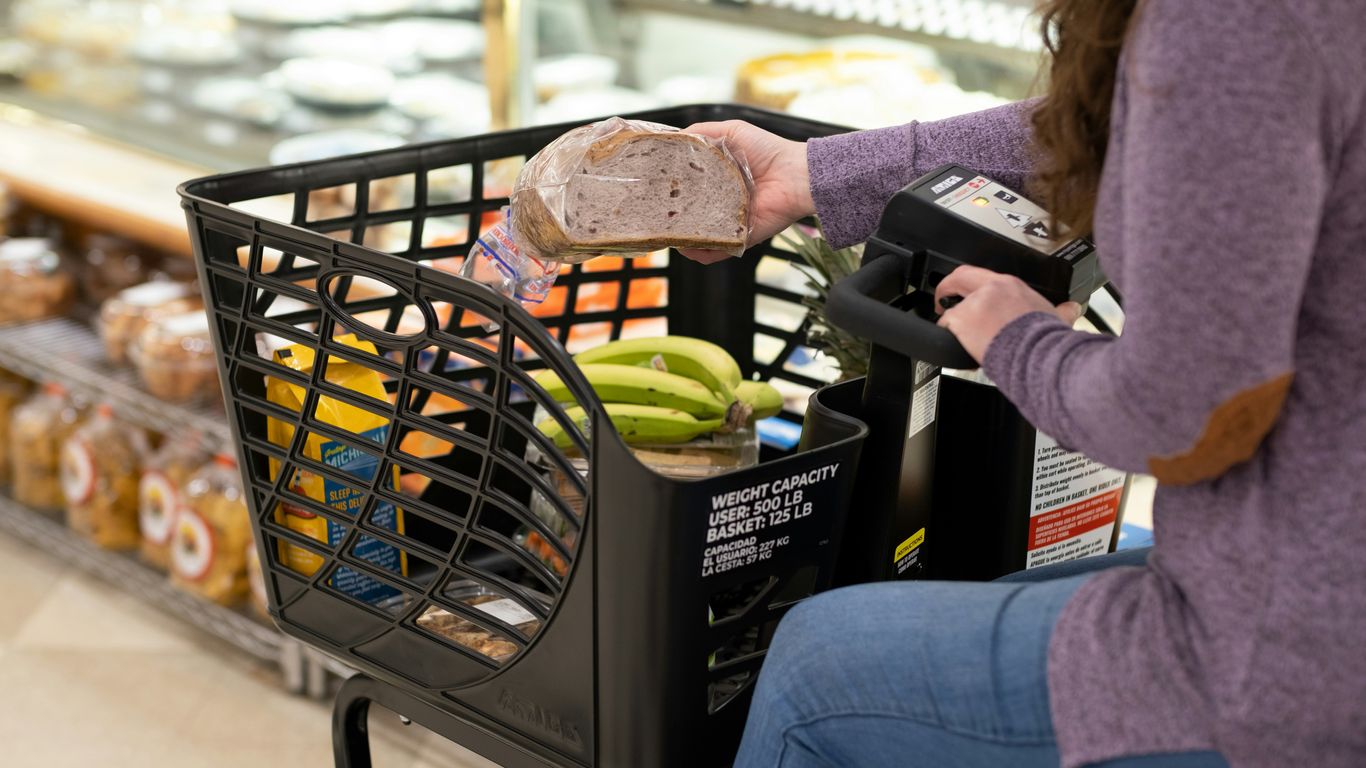
When you think about running a store, it’s easy to get bogged down in the day-to-day. Keeping track of what’s on the shelves, making sure the lights are on, and just generally keeping things running smoothly can feel like a full-time job on its own. That’s where the Internet of Things, or IoT, really steps in to help. It’s like giving your store a brain that can manage a lot of the busywork automatically.
Real-Time Inventory Management and Optimization
Remember the days of doing manual stock counts, hoping you didn’t miss anything or count it twice? IoT changes that. With smart shelves and sensors, you get an instant picture of what you have and where it is. This means fewer empty shelves when customers want something and less money tied up in products that are just sitting around. This constant, accurate view of your stock is a game-changer for preventing lost sales and reducing waste.
Here’s a quick look at how it works:
- Smart Shelves: These have sensors that detect when items are removed or added. They can even tell you if a product is misplaced.
- RFID Tags: Attaching these to items allows for quick scanning of entire shipments or sections of the store, giving you a rapid inventory update.
- Automated Reordering: When stock hits a certain low point, the system can automatically flag it for reorder or even place the order itself, depending on how you set it up.
Streamlining Supply Chain Visibility
It’s not just about what’s inside the store. IoT can track products all the way from the manufacturer to your back room. Think about knowing exactly where a shipment is, its condition (like temperature for perishables), and when it’s expected to arrive. This kind of information helps you plan better, avoid surprises, and keep customers happy because you know what you’ll have available.
- Location Tracking: GPS and other sensors on trucks and containers show you the real-time location of goods.
- Condition Monitoring: Sensors can track temperature, humidity, and even shock, alerting you to potential spoilage or damage during transit.
- Predictive Arrival Times: By analyzing current conditions and historical data, systems can provide more accurate delivery estimates.
Automating Store Operations For Efficiency
Beyond inventory and supply chains, IoT can automate many other store functions. Smart lighting and thermostats can adjust based on whether people are in the store or not, saving energy. Equipment like refrigerators or HVAC systems can be monitored for performance, and potential issues can be flagged before they cause a breakdown. This proactive approach means fewer unexpected disruptions and lower maintenance costs. It frees up your staff to focus on customers rather than worrying about whether the lights are off in an empty aisle or if the freezer is about to give out.
Leveraging Data For Smarter Retail Strategies
So, you’ve got all these connected devices humming away in your store, right? That’s great, but the real magic happens when you actually use the information they’re gathering. Think of it like having a super-detailed map of your customers’ journeys and how your store is actually working. This data is your golden ticket to making much better choices about how you run your business. It’s not just about knowing what’s selling; it’s about understanding why and how people are shopping.
Gaining Insights Into Customer Behavior
IoT devices, like smart cameras or sensors on shelves, can tell you a lot about what shoppers do. They can track how long someone spends in a certain aisle, which products they pick up (even if they don’t buy them), and how they move through the store. This isn’t about spying; it’s about seeing patterns.
- Foot Traffic Analysis: See which areas of the store get the most attention and when.
- Product Interaction: Understand which items are being examined closely versus those that are just passed by.
- Dwell Time: Figure out how long customers are spending in specific zones, which can indicate interest or confusion.
This kind of information helps you figure out if your store layout makes sense or if a particular product display is actually catching eyes. It’s like getting direct feedback without having to ask anyone.
Optimizing Sales And Marketing Efforts
Once you know what customers are doing, you can tailor your sales and marketing. If you see that a certain product is often looked at but not bought, maybe it needs a better spot or a clearer description. Or, if a particular time of day is super busy, you can make sure you have enough staff on hand.
Here’s a quick look at how data can help:
| Strategy | Data Source | Impact |
|---|---|---|
| Product Placement | Shelf sensors, foot traffic sensors | Move popular items to high-traffic areas, test new product visibility. |
| Promotional Timing | Sales data, customer traffic patterns | Run deals when more people are likely to buy, not when it’s dead. |
| Personalized Offers | Purchase history, in-store behavior data | Send targeted discounts or recommendations via app or email. |
It’s about being smart with your resources, not just throwing money at ads and hoping for the best. You can make your marketing more effective by showing the right message to the right people at the right time.
Driving Data-Driven Business Decisions
Ultimately, all this data collection and analysis should lead to better decisions across the board. Instead of guessing what might work, you’re making choices based on actual evidence. This means less waste, more efficiency, and a better experience for everyone involved.
- Inventory Control: Use real-time stock data to avoid running out of popular items or having too much of slow-moving ones. This cuts down on storage costs and lost sales.
- Staffing Levels: Predict busy periods based on historical traffic data to schedule staff appropriately, improving customer service and reducing labor costs during slow times.
- Store Layout Adjustments: Reconfigure store layouts based on how customers actually move through the space, making it easier for them to find what they need and discover new items.
Making these kinds of informed choices helps your business stay competitive and adapt to what customers really want, not just what you think they want.
Innovations Driven By IoT In Retail
IoT isn’t just about making things connect; it’s about creating entirely new ways to shop and run a store. Think beyond just tracking inventory. We’re talking about technology that actively changes the shopping environment.
Smart Shelves For Dynamic Merchandising
Forget static displays. Smart shelves are equipped with sensors that can tell you exactly how much product is left, when it’s running low, or even if an item has been misplaced. This means stores can keep shelves stocked perfectly, reducing those frustrating empty spots customers hate. Plus, these shelves can dynamically change pricing or display product information right on the shelf itself. Imagine a sale price appearing instantly when a promotion starts – no manual ticket swapping needed.
Intelligent Vending Machines For Convenience
These aren’t your grandma’s vending machines. Connected vending machines can monitor their own stock, predict when certain items will run out, and even alert staff for restocking. Some can offer personalized recommendations based on past purchases or time of day. They can also process payments through apps, making grab-and-go purchases even quicker. This level of automation makes convenience a core part of the retail offering.
Augmented And Virtual Reality Experiences
While not solely IoT, IoT often plays a role in powering these immersive experiences. Think about interactive mirrors in fitting rooms that can show you how an outfit looks in different colors or settings without you having to change again. Or imagine using a VR headset in-store to explore a product in a virtual environment, like seeing how a piece of furniture would look in your own home. These technologies use sensors and connectivity to bridge the gap between the digital and physical shopping worlds, making shopping more engaging and informative.
Addressing Challenges In IoT Retail Adoption
So, we’ve talked a lot about how cool IoT can be for stores, right? From knowing exactly what’s on the shelves to making shopping feel like a personalized party. But, like anything new and fancy, it’s not all smooth sailing. There are definitely some bumps in the road when stores try to bring this tech in.
Ensuring Data Security And Customer Privacy
This is a big one. Think about all the information these smart devices collect – what you look at, what you buy, maybe even how long you stand in front of a display. Keeping all that data safe from hackers and making sure customers’ private lives stay private is super important. It’s not just about being nice; there are laws about this stuff, and getting it wrong can lead to huge fines and a really bad reputation. Retailers need solid plans to protect data, like strong passwords, regular security checks, and being really clear with customers about what data is being collected and why.
Navigating Implementation Costs And Complexity
Let’s be real, setting up all this IoT gear isn’t cheap. You’ve got the sensors, the software, the network upgrades, and then you need people who know how to make it all work together. For smaller shops, the upfront cost can be a real showstopper. It’s not just about buying the tech; it’s about figuring out how it fits with what you already have. Sometimes, old systems just don’t play nice with new gadgets, and that can turn a simple upgrade into a complicated project.
Overcoming Interoperability And Scalability Hurdles
Imagine buying a bunch of smart devices, but they all speak different languages. That’s kind of what interoperability is about. You want your smart shelves to talk to your inventory system, and your cameras to talk to your security alerts. If they can’t, you’ve got a bunch of expensive gadgets that don’t do much together. Then there’s scalability. What happens when your store gets busier, or you want to add more tech? The system needs to grow with you without slowing down or breaking. It’s like trying to add more lanes to a highway while cars are still driving on it – tricky business.
The Future is Connected: Embracing IoT for Retail Success
So, what does all this mean for the future of shopping? Basically, the Internet of Things is changing how we buy stuff, and it’s happening fast. Retailers who jump on board with these connected technologies are going to be the ones who really stand out. It’s not just about fancy gadgets; it’s about making shopping smoother, more personal, and just plain better for everyone. Think about it: less time searching for things, more personalized deals popping up just when you need them, and stores that just seem to run themselves more efficiently. It’s a big shift, for sure, but one that’s setting up a much more interesting and convenient shopping world for all of us.
Frequently Asked Questions
What exactly is the ‘Internet of Things’ (IoT) in shopping?
Think of IoT as giving everyday store items, like shelves or even shopping carts, a way to ‘talk’ to each other and to computers. This connection helps stores keep track of what they have, understand what shoppers like, and make the whole shopping trip smoother and more fun.
How does IoT make shopping better for me?
IoT can make shopping way more personal! Imagine getting special deals on your phone as you walk by items you like, or easily finding what you’re looking for with helpful store maps. It’s all about making your visit easier and more tailored to you.
Can IoT help stores manage their stuff better?
Absolutely! Stores can use IoT to know exactly what’s on the shelves and in the back room, all in real-time. This means fewer times when something you want is sold out, and it helps stores save money by not having too much extra stuff.
Does using IoT in stores mean my personal information is at risk?
That’s a really important question. Stores using IoT need to be super careful with your information. They have to protect your data like it’s gold and follow rules to keep your shopping habits private. It’s a big focus for companies using this tech.
What are some cool new things stores are doing with IoT?
Stores are getting creative! You might see ‘smart shelves’ that know when they’re running low on a product, or even special machines that can offer you deals based on what you usually buy. Some stores are even using technology to let you ‘try on’ clothes virtually!
Is it expensive for stores to start using IoT?
Setting up IoT can cost a good amount of money at first. Stores need to buy special equipment and make sure it all works together. But, many believe the savings and better customer experiences in the long run make it worth the investment.