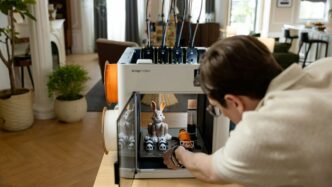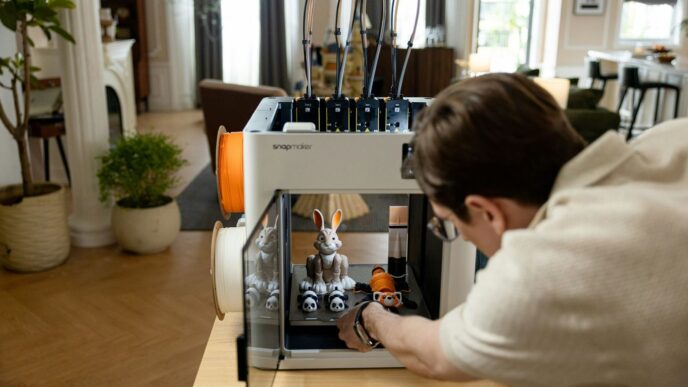

It’s pretty wild how much plastic waste we generate, right? It feels like it’s everywhere. But what if we could actually use that trash to make cool new stuff? That’s where 3D printing comes in. It’s a pretty neat way to take old plastic and turn it into things we can use, like furniture or even parts for buildings. This whole idea is about making things more sustainable and less wasteful, which is something we could all probably use more of.
Key Takeaways
- 3D printing recycled plastic helps turn waste into useful items, supporting a circular economy.
- Using recycled plastic reduces the amount of waste going to landfills and lessens the need for new plastic production.
- The process usually involves collecting, cleaning, shredding, and extruding plastic waste into printable material.
- While many 3D printing plastics aren’t biodegradable, options like PLA offer a more eco-friendly choice, and recycling failed prints is also possible.
- Specialized pellet-compatible 3D printers are available, making it easier to work with recycled plastic feedstock for various projects.
Transforming Plastic Waste Into Valuable Resources
Plastic waste is a big problem, right? It piles up in landfills and messes up our natural spaces. But guess what? 3D printing is starting to offer a cool way to give that old plastic a new life. Instead of just tossing it, we can turn it into useful stuff. This whole idea is about making things work in a loop, where old materials become new products. It’s a smart way to cut down on needing brand new plastic and also helps clear out some of the junk that’s already out there.
The Circular Economy Through 3D Printing Recycled Plastic
Think about it: we use plastic for so many things, and then it just gets thrown away. 3D printing with recycled plastic flips that script. It means that plastic bottle you finished or that old container can become part of something new, like a cool lamp or a custom part for something. This process fits right into what we call a circular economy. Instead of a straight line from making to using to trashing, it’s a circle. The waste from one thing becomes the material for another. It’s a pretty neat way to keep materials in use for longer and reduce the constant need to dig up or create more raw stuff.
Environmental and Economic Advantages of Repurposing Plastic
So, why is this such a good idea? Well, for starters, it’s good for the planet. Less plastic in landfills means less pollution. Plus, making new plastic from scratch takes a lot of energy and resources. Using recycled plastic cuts down on that. Economically, it can also make sense. Sometimes, recycled plastic can be cheaper than buying virgin material. And for businesses, being able to use waste materials can be a cost saver. It also opens up new markets for recycled goods. This approach helps reduce our reliance on fossil fuels, which are often used to make new plastics.
Reducing Landfill Burden with Additive Manufacturing
Landfills are getting full, and plastic is a big part of that. Additive manufacturing, which is just another name for 3D printing, gives us a way to tackle this head-on. By taking plastic that would otherwise be buried, and turning it into functional items, we’re literally pulling waste out of the ground. This isn’t just about making trinkets; people are using this tech to create furniture, architectural elements, and useful household items. Every object printed from recycled plastic is one less item contributing to the growing landfill problem. It’s a practical, layer-by-layer solution to a massive waste issue.
Innovative Applications of 3D Printing Recycled Plastic
It’s pretty amazing what we can do now with old plastic bottles and bits. Instead of just tossing them, 3D printing lets us turn that trash into some really cool and useful stuff. This isn’t just about making things; it’s about rethinking how we use materials and cutting down on waste.
Architectural Designs from Recycled Materials
Think about buildings and structures. We’re seeing architects get creative with recycled plastics. For example, some labs have used old PET bottles to print entire terrain models or even big, fancy chandeliers. It means we can build things that look good and are also better for the planet. It’s a way to make spaces that are both interesting to look at and responsible.
Furniture Creation with Sustainable Plastics
Who knew your old appliance parts could become a stylish new chair or table? Companies are taking large amounts of plastic waste and turning it into unique furniture. We’re talking about things like vases, shelves, or even seating. This shows that recycled plastic isn’t just for small trinkets; it’s strong and flexible enough for everyday items we use around the house. It’s a smart way to reduce the amount of plastic ending up in landfills.
Functional Prototypes and Household Items
Beyond big projects, recycled plastic is great for making smaller, everyday things. Need a custom bracket for something? Or maybe some organizers for your workshop? 3D printing with recycled materials makes it possible. You can even print replacement parts for household items that might otherwise be thrown away. This ability to create custom, functional objects on demand is a game-changer for reducing waste and making things last longer.
Here are some examples of what can be made:
- Custom tool holders
- Planters and decorative pots
- Replacement knobs or covers for appliances
- Small organizers for drawers or desks
- Artistic sculptures and decor pieces
The Process of Creating 3D Printing Material from Waste
So, you’ve got a pile of old plastic bottles and maybe some failed 3D prints sitting around. What do you do with it all? Well, turning that "trash" into treasure for your 3D printer is actually a pretty straightforward process, and it’s a big part of making additive manufacturing more eco-friendly. It’s all about closing the loop, you know? Instead of tossing things out, we’re giving them a new life.
Collecting and Preparing Plastic Waste
First things first, you need to gather your plastic. This could be anything from water bottles and food containers to those oops-prints from your own printer. The key here is sorting. You don’t want to mix different types of plastic, because they have different melting points and properties, which can mess up your final filament. Think of it like trying to cook different vegetables at the same time – some need more heat, some less. After sorting, a good wash is important to get rid of any gunk or residue. Nobody wants to print with sticky plastic, right?
Shredding and Extruding Recycled Plastics
Once your plastic is clean and sorted, it’s time to break it down. This usually involves a shredder, which turns those larger plastic items into small flakes or granules. It’s kind of like making confetti, but for plastic. After shredding, the real magic happens with extrusion. The plastic flakes are heated up and pushed through a die, forming long strands. These strands are then cooled and cut into small pellets. These pellets are the "feedstock" that many specialized 3D printers use. It’s a bit like turning raw ingredients into pasta shapes, ready to be cooked (or in this case, printed).
Utilizing Pellet-Based 3D Printing Technologies
Now, you can’t just shove these pellets into any old 3D printer. You need a printer designed to handle them. These are often called pellet extruders or Fused Granulate Fabrication (FGF) printers. They work a bit differently than standard filament printers. Instead of a thin string of plastic, they take these small pellets and melt them right before they’re deposited onto the print bed. This method is super efficient for using recycled materials because it bypasses the need to create perfect, consistent filament. Plus, it can often handle larger print volumes more economically. It’s a game-changer for making larger items or for production runs where cost and waste reduction are big concerns.
Addressing 3D Printing’s Material Challenges
So, we’ve talked a lot about the cool stuff you can make with recycled plastic in 3D printing. But let’s be real, it’s not always a walk in the park. There are definitely some hurdles we need to jump over to make this whole process smoother and more effective.
Recycling Failed Prints and Support Structures
It happens to everyone, right? You start a print, and something goes wrong. Maybe the bed adhesion wasn’t quite right, or the temperature was off. Suddenly, you’ve got a blob of plastic that’s completely useless for its intended purpose. And don’t even get me started on those fiddly support structures that you have to break off. All of this leftover material can really pile up. The good news is, this isn’t just trash waiting to happen. We can actually turn these failed prints and supports back into usable material. The process usually involves shredding them down into small pieces, then melting and extruding them into new filament or pellets. It takes a bit of effort and the right equipment, but it’s a fantastic way to close the loop and reduce waste right at the source. It means less material ends up in the bin and more gets used for future projects.
Exploring Biodegradable Alternatives Like PLA
While we’re talking about making things more sustainable, we can’t ignore PLA. You’ve probably heard of it; it’s that corn-based plastic that’s supposed to be better for the environment. And it is, to a point. PLA can break down, but only under specific industrial composting conditions. It’s not like you can just toss it in your backyard compost bin and expect it to disappear. It also doesn’t break down easily in the ocean or regular soil. So, while PLA is a step in the right direction, especially for items that don’t need to last forever, it’s not a magic bullet. We still need to be mindful of how and where it’s disposed of. Combining PLA with other recycled materials can be a smart strategy, though.
Innovations in Bio-Composites for Printing
This is where things get really interesting. Scientists are coming up with some pretty wild ideas to create new printing materials from things you wouldn’t expect. For instance, researchers have figured out how to use proteins from spoiled milk to create a printable bio-composite. Seriously! They take the proteins, mix them with other stuff, and voilà – a new material that can be 3D printed. This kind of innovation is huge because it takes waste products that would otherwise be a problem and turns them into something useful. It means we can move away from relying solely on petroleum-based plastics. These bio-composites could offer different properties, maybe even some that are better than traditional plastics for certain applications. It’s all about finding smarter, more sustainable ways to make the materials we need for 3D printing.
Equipment for Sustainable 3D Printing Recycled Plastic
So, you’re ready to jump into printing with recycled plastics, huh? That’s awesome! But before you start hoarding every plastic bottle you see, let’s talk about the gear you’ll need. It’s not just about the plastic; the right machine makes all the difference. Choosing a printer that can handle recycled materials is key to making this whole process work smoothly.
Pellet-Compatible 3D Printers for Recycled Feedstock
Forget those tiny filament spools for a minute. When you’re working with recycled plastic, you’re often dealing with pellets or flakes, not neat little strands of filament. This is where Pellet-Compatible 3D Printers come in. These machines use a screw-based extrusion system that can directly feed these larger plastic pieces. It’s a more direct way to use recycled materials, cutting out some of the steps needed to turn waste into filament.
Some printers are specifically designed for this. For example, you’ve got desktop models that are great for smaller workshops or for trying things out. They can handle recycled pellets and flakes, turning your collected waste into new objects. Then there are the bigger industrial-style machines, which are perfect if you’re looking to produce larger items like furniture or architectural models. These beasts can handle a lot more material and print much faster.
Choosing the Right Printer for Scale and Material Type
Okay, so you’ve got your recycled plastic ready. Now, what kind of printer do you actually need? It really depends on what you want to make and how much of it.
- For Hobbyists and Small Projects: A smaller, desktop pellet printer might be just the ticket. These are usually more affordable and take up less space. They’re great for experimenting with different types of recycled plastics and making smaller items like planters or decorative pieces.
- For Medium-Scale Production: If you’re thinking about making furniture components, larger prototypes, or even small batches of products, you’ll want a printer with a larger build volume and a more robust extrusion system. These can handle higher volumes of recycled plastic and print faster.
- For Industrial Applications: For serious production runs, you’ll need industrial-grade pellet printers. These are built for speed, reliability, and handling large quantities of recycled feedstock. They often come with advanced features for process control and material management.
It’s also worth thinking about the specific types of recycled plastic you plan to use. Some printers are more versatile than others when it comes to handling different plastic compositions and forms (pellets, flakes, or even shredded waste). Checking the manufacturer’s specifications for material compatibility is a good idea. You might even find machines that can process failed prints and support structures directly, like the Extrudex.
Key Features for Efficient Recycled Plastic Printing
When you’re looking at printers for recycled plastic, keep an eye out for a few specific features. These can make a big difference in how well your prints turn out and how easy the whole process is.
- High Nozzle Temperature: Recycled plastics can sometimes require higher temperatures to melt and flow properly compared to virgin filament. Look for printers that can reach temperatures of 400°C or even higher.
- Robust Extrusion System: A powerful screw extruder is essential for pushing pellets or flakes through the nozzle consistently. This helps prevent clogs and ensures a steady flow of material.
- Heated Build Plate: Just like with regular 3D printing, a heated build plate helps with adhesion and prevents warping, especially for larger prints made from recycled materials.
- Material Feed System: Some printers have hoppers that can take bulk pellets, while others might require pre-processed flakes. Consider how easy it is to load the material and how well the system handles variations in pellet size or shape.
By focusing on these aspects, you can find a printer that not only lets you use recycled plastic but does so efficiently and effectively, helping you create some really cool stuff while being kinder to the planet.
The Future of Sustainable Manufacturing
Empowering Eco-Conscious Design and Production
We’re seeing a real shift in how things are made, and it’s pretty exciting. Think about it: instead of always grabbing brand new materials, we’re getting smarter about using what we already have. 3D printing with recycled plastic is a big part of this. It means we can design and build things without constantly digging up new resources. This isn’t just about being nice to the planet; it’s about making manufacturing more sensible and less wasteful. Companies are starting to realize that using recycled materials can actually be a smart business move, cutting down on costs and making their products more appealing to people who care about the environment.
Paving the Way for a Greener Manufacturing Future
So, what does this future look like? Well, imagine factories that run on waste. That’s not too far off. Technologies like pellet-based 3D printing are making it easier to turn all sorts of plastic junk into useful stuff. We’re talking about everything from everyday household items to parts for bigger machines. It’s a whole new way of thinking about production, where waste isn’t the end of the line, but just the beginning of something new. This approach helps cut down on pollution and keeps valuable materials out of landfills. It’s about creating a loop where resources are used again and again.
Integrating Sustainability into Industrial Processes
Making this happen means changing how we do things on a large scale. It’s not just about hobbyists printing at home anymore. Big companies are starting to adopt these methods, using advanced machines that can handle recycled plastic pellets. They’re setting up systems to collect and process waste, turning it into high-quality materials for their production lines. This requires careful planning and good technology, but the payoff is huge: less environmental impact, more resilient supply chains, and products that people can feel good about buying. It’s a step-by-step process, but it’s definitely moving us toward a manufacturing world that’s kinder to the Earth.
Looking Ahead: A Greener Future with Recycled Plastic 3D Printing
So, it’s pretty clear that using old plastic for 3D printing isn’t just a cool idea anymore; it’s becoming a real thing. We’ve seen how it can turn trash into treasure, making everything from furniture to building parts. Plus, it’s a smart way to save money and help the planet by using less new plastic. As more people and companies get on board, this method is going to be a big part of making manufacturing more sustainable. It’s a win-win: we get to make neat stuff, and we help reduce waste, one printed object at a time. It really feels like we’re moving towards a future where we’re smarter about what we throw away.