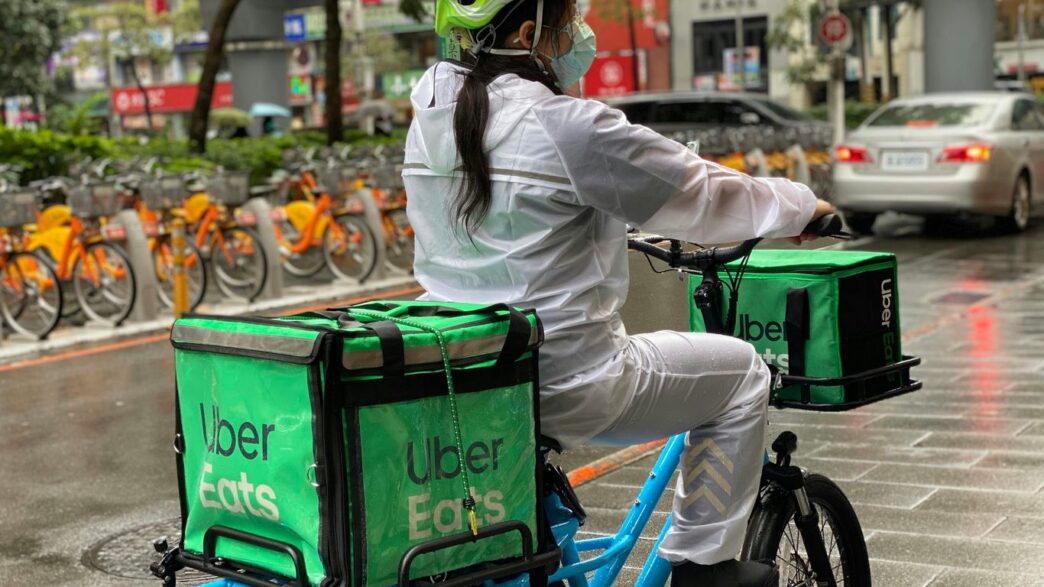
How Uber Eats Delivery Robot Service Works
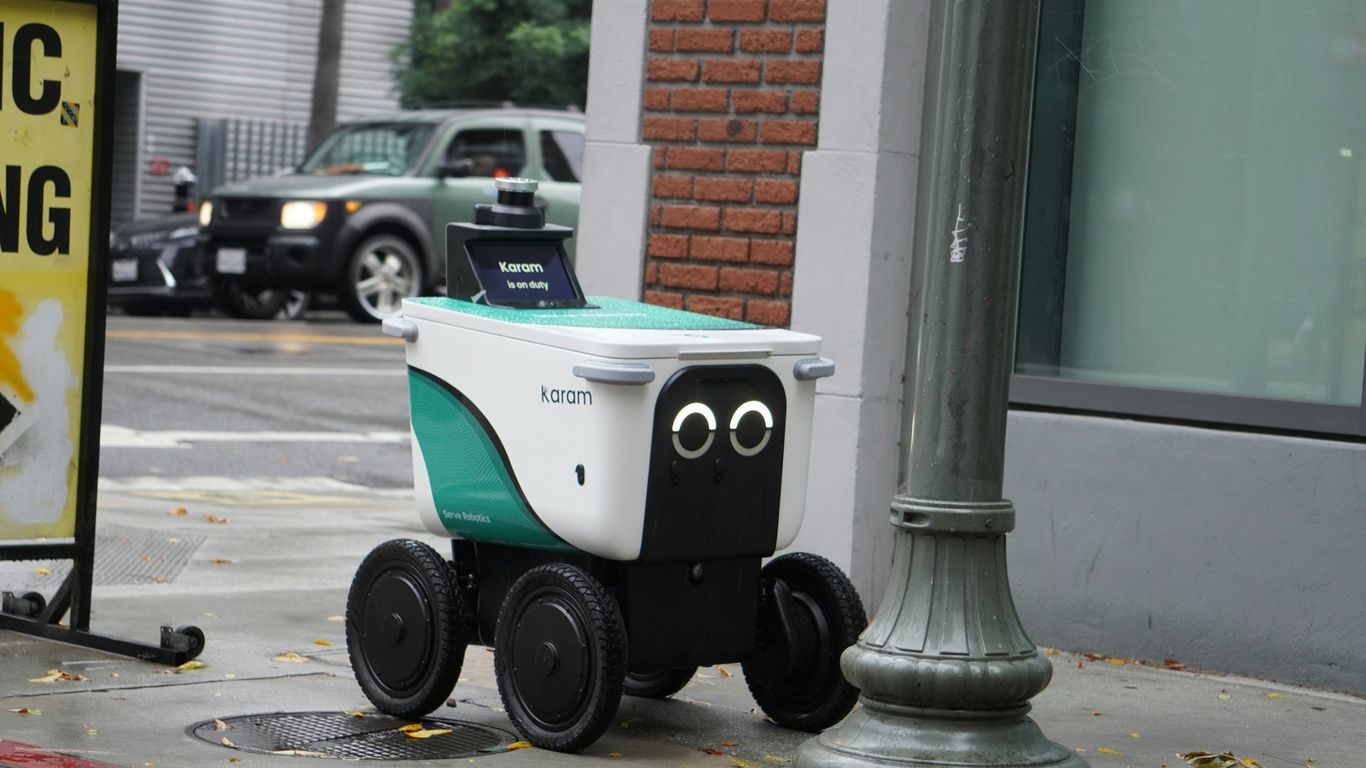
Uber Eats delivery robots are changing how your food gets from the restaurant to your doorstep, without a human driver. Here’s how the process goes from the moment you hit “order” to the second you get your meal.
Order Placement and Handoff Process
Ordering with a robot courier isn’t much different from the standard routine. Here’s what happens:
- You place an order in the Uber Eats app and select autonomous delivery (if it’s available at your location).
- The restaurant prepares your food just like any other order—no extra steps for the kitchen.
- As your order is being finished, the Uber Eats system matches your request with a delivery robot if one is nearby.
- Restaurant staff get an alert on their Uber Eats tablet that a robot will be arriving for pickup.
It’s all very straightforward—no special knowledge or extra tech skills are needed by the restaurant or the customer.
Robot Pickup and Restaurant Staff Interaction
When the robot arrives outside, staff are notified to bring the order out. This part is more hands-off (literally) than when dealing with human courier pickups.
- The robot parks at a designated spot outside the restaurant and waits, usually for up to 10 minutes.
- Staff either unlock the robot with a PIN from their Uber Eats tablet or the robot unlocks itself. Everything is managed through Uber tech—no strange keys or codes to remember.
- The order, sometimes including drinks, goes into the insulated compartment.
- When the lid closes, it locks automatically. That means the restaurant knows the food is secure from that point on.
Here’s a quick table showing what changes for staff compared to traditional delivery:
| Step | Human Courier | Robot Courier |
|---|---|---|
| Waits inside? | Often, yes | Never, waits outside |
| Handoff location | Counter or pickup area | Outside the door |
| Secure lock? | No, unless courier locks | Yes, locks automatically |
| Special skills? | None | None |
Delivery Journey and Customer Notification
Once the food is loaded and locked inside, the robot sets off. Unlike couriers, these bots take direct, optimized routes along sidewalks and avoid getting stuck in traffic jams or searching for parking.
- The robot travels at a walking pace—about 3 to 5 mph—so your food doesn’t get jostled.
- Customers can watch the robot’s progress in real-time in the Uber Eats app, following it as it makes its way to them.
- When the robot is approaching, the customer gets a prompt on their phone.
- The app notifies you the second the robot is at your door. You just use your phone to unlock the insulated compartment and grab your food.
Robot delivery makes the process simple: the goal is always to get your meal out of the kitchen, down the street, and into your hands—fast, fresh, and with zero human handoffs along the way.
All in all, it’s a system designed to be as easy as possible, with only minor adjustments on both the restaurant and customer side.
Technology Behind Uber Eats Delivery Robots
Food delivery has changed a lot, but these little Uber Eats robots make it feel like the future just parked itself on your sidewalk. Here’s how they actually work when you see one scooting around your block.
Autonomous Navigation and Sensor Systems
The robots use a mash-up of high-tech tools to "see" where they’re going. They’re guided by a mix of GPS, LIDAR (basically laser sensors), radar, and cameras. If that sounds like a lot, it is—each sensor helps the robot avoid trash cans, crosswalks, pets wandering into their path, and of course, people. The navigation system picks the best, least crowded sidewalk routes. A central computer inside the robot decides how to handle street corners, construction, or the occasional distracted jogger.
- GPS keeps the bot on the map, with accuracy down to a couple of feet.
- LIDAR scans everything nearby, building a digital picture of sidewalks, trees, and anything that could get in the way.
- Cameras and radar double-check what the robot "sees," adding another safeguard against surprises.
- All these sensors mean the robot usually moves at a steady walking pace—around 3–5 mph.
Safety Features for Sidewalk Travel
Safety is a big deal for these bots. Since they travel alongside people, they’re made to be as cautious as a crossing guard with a whistle in hand. Here’s what helps them avoid problems:
- Bright exterior lights and signals let others know when the robot’s about to turn or stop.
- Built-in speakers can warn people or say “excuse me” if someone’s blocking the path.
- The robot immediately stops if it detects something unexpected, then waits for help from a remote operator if it’s still stuck.
- Emergency buttons on the robot let people stop it, just in case.
- Speed is capped—never faster than a brisk stroll, so there’s time to react if a dog lunges at the wheels.
| Feature | Description |
|---|---|
| Max Speed | 3–5 mph |
| Battery Life | Up to 12 hours per charge |
| Sensing Range | Can detect people/objects within several feet in all directions |
| Exterior Signals | Lights and audio to indicate movement/intention |
Insulated Compartments for Food Freshness
Nobody wants cold pizza or a lukewarm salad. That’s why each robot comes with a built-in insulated compartment. The food is loaded in right at the restaurant, and until you retrieve it, it stays tucked away and temperature-controlled.
- The compartment is large enough for several big-foot-long sandwiches or a stack of pizzas.
- Drinks have holders so they don’t spill even if the robot hits a bump.
- The hatch stays locked tight during the trip—only the customer can open it with a phone, so your fries are safe.
Bottom line: Uber Eats robots pack more technology into their small frames than you’d expect. They mix sensors, safe speeds, and smart food storage, just so your meal arrives in one piece and at the right temperature.
Customer Experience With Uber Eats Delivery Robot
The Uber Eats delivery robot isn’t just a cool-looking gadget rolling up to your door—it actually changes the whole way you get food from start to finish. Here’s what using one is really like.
Opting In and Tracking Your Delivery
When you’re placing your order in the Uber Eats app, you might notice a new option for robot delivery if you’re in a supported area. There’s no extra fee and nothing extra you have to do, but you can choose to try it out.
- Place your food order as usual.
- If a robot is available, you’ll be matched automatically and notified.
- You can track the robot’s journey on a live map in the app—watch it head to the restaurant, then head your way.
You see the robot’s every move, from pickup to the sidewalk outside your place.
Here’s a quick table of customer app alerts you’ll get during the process:
| Event | What You See on the App |
|---|---|
| Order matched w/ robot | "Robot assigned!" notification |
| Robot at restaurant | "Robot picking up your food" |
| Robot en route | Live location tracking |
| Robot arrived at delivery | "Robot is here – unlock to retrieve!" |
Contactless Unlock and Pickup
When the robot wheels up to your location, your phone pings you. No rushing to answer the door, no hunting for cash or wondering if the driver followed instructions.
- You’ll get a unique unlock code or a button on the Uber Eats app.
- Walk outside whenever you’re ready and unlock the robot by scanning or tapping.
- The hatch pops open. Grab your food right out of its insulated compartment, shut the lid, and you’re done—total hands-off experience.
There’s no small talk, no need to tip, and you’re the only person who can open the robot’s compartment.
Feedback and Rating Options
Uber Eats still wants to know how it went, so rating your robot drop-off is straightforward. After you grab your food:
- The app prompts you for feedback about the delivery experience.
- You can pick rating stars and leave a short comment.
- Spots for both the meal quality and the robot service make it clear you’re rating the tech, not just the food.
You can even report any issues (like a late arrival or trouble unlocking the robot) straight from the app, with no need to call or email anyone.Your review matters even when there’s no human face to greet you.
All in all, robot delivery is different, but not much harder—if anything, it tries to take away some of the awkward steps, making sure your meal shows up hot, secure, and maybe a little fun too.
Benefits for Restaurants Using Uber Eats Delivery Robot
Uber Eats’ delivery robots aren’t just a gimmick—they can really change things up for restaurants, especially during the lunch and dinner rush. We’re talking more than just a novelty; they actually take some pressure off the staff and the space inside.
Reduced Counter Crowding and Traffic Relief
The robot waits outside for its pickup. This means the typical crowd of drivers at your counter thins out—no more jostling for space or confusion about whose order just came up. It’s a small change, but you notice it when the line doesn’t snake out the door. Here’s what you get:
- Less foot traffic from third-party couriers
- Quieter seating areas for dine-in customers
- Smoother handoff since robots are always on time and don’t double-park
Streamlined Workflow for Kitchen Staff
Robots don’t forget or run late, and they certainly won’t call asking about parking. When an order is ready, staff just load it into the robot and move on. The restaurant’s tablet flashes and gives a sound alert, so there’s no confusion about when to load up. This helps the team:
- Focus on making food instead of managing busy handoffs
- Avoid bottlenecks at the dispatch point
- Get through peak rushes with fewer interruptions
Let’s look at a quick comparison:
| Factor | Traditional Courier | Robot Delivery |
|---|---|---|
| Waiting at counter | Common | Rare |
| Missed handoffs | Occasionally | Almost never |
| Space needed for pickup | High | Very low |
Consistent Food Quality During Delivery
One thing you hear a lot: complaints about soggy fries or cold pizza. Robotic delivery helps with that. The robots have insulated compartments that lock tight right at the handoff—no one opening and closing the bag on the way to the customer. With fewer stops or detours, food arrives in better shape.
- Insulated compartments mean orders stay hot or cold
- No detours, so food spends less time in transit
- Contactless design reduces handling, so you get fewer mix-ups
In short, if you own or run a restaurant, having robots pick up some of your Uber Eats deliveries doesn’t just look futuristic—it makes your day run a bit smoother, lowers crowding, and can actually help your food arrive fresher than ever.
Current Availability and Expansion Plans
So, where can you actually get your food delivered by one of these little autonomous helpers right now? It’s still pretty early days, but Uber Eats is rolling out this service in a few key spots.
Cities and Neighborhoods With Robot Deliveries
Right now, you’ll find these robots zipping around in a handful of cities. They’ve been spotted in places like Austin, Texas, and Jersey City, New Jersey. Recently, Dallas, Texas, also got added to the list. In Philadelphia, the service is focused on Center City, specifically within boundaries roughly from Race Street down to Spruce Street, and from 18th Street east to the Delaware River waterfront. The company is actively working to bring this technology to more neighborhoods and cities.
Operating Hours and Areas of Service
These robots aren’t out 24/7, but they do keep busy. In areas like Philadelphia’s Center City, they typically operate between 10 a.m. and 10 p.m. The robots usually cover a radius of about 1-2 miles from participating restaurants. They can travel at speeds up to 5 miles per hour, which is pretty zippy for a sidewalk cruiser. They’re also built to handle various weather conditions, so a little rain or cold shouldn’t stop your meal from arriving.
Plans for Future Growth and Coverage
Uber Eats definitely has bigger plans. They’re looking to add more restaurants to the robot delivery network and deploy more robots in the coming months. The goal is to expand the service area and make it available to more customers. They’re also collaborating with communities to figure out the best way to integrate these robots into daily life. It sounds like they want to slowly but surely increase the number of places you can get your next meal delivered without a human driver.
Frequently Asked Safety and Security Questions
Protection Against Theft or Tampering
We get it, you might be wondering if your food will be safe from folks who shouldn’t be getting it. Good news: these robots are pretty secure. Each compartment is locked up tight from the moment the restaurant staff loads your order until it gets to you. The only way to open it is with your phone through the Uber Eats app. So, unless someone has your phone and your order details, your meal should be safe and sound.
Pedestrian and Traffic Safety Considerations
Safety for everyone on the sidewalk and street is a big deal. These robots are designed to move at a walking pace, usually between 3 to 5 miles per hour. They’ve got a bunch of sensors – like cameras and radar – that help them see what’s around them. This means they can spot people, pets, bikes, and other obstacles and slow down or stop to avoid any collisions. They stick to sidewalks, so they’re not mixing it up with car traffic.
Handling Unexpected Situations
What happens if the robot runs into a problem? Well, they’re built to be pretty independent, but they do have ways to get help if they need it. If a robot gets stuck or runs into an issue it can’t solve on its own, it can signal for remote assistance. There’s also a support line you can call if you have any trouble with a delivery. For restaurants, the robots will wait for a bit if staff are busy, usually up to 10 minutes, so there’s no need to rush.
The Future is Rolling In
So, there you have it. Robot delivery through Uber Eats is here, and it’s pretty neat. It’s not just some far-off sci-fi idea anymore; it’s happening right now in select cities, bringing your food right to your door without a human courier. While it’s still early days and not everywhere yet, the tech seems solid, keeping food warm and getting it there without extra stops. It’s a cool change, and honestly, it’s kind of exciting to think about what’s next. Maybe soon, your next pizza or pad thai will be dropped off by a little robot rolling down the sidewalk. Pretty wild, right?