These days, paying for stuff online or even in a store often doesn’t involve cash. It’s all about digital payment systems now. They’ve changed how we shop and how businesses operate. Whether you’re buying a coffee with your phone or running an online store, understanding these systems is pretty important. This guide breaks down what digital payments are, how they work, and why they matter for everyone involved.
Key Takeaways
- Digital payment systems let you pay for things electronically, without using physical money, making transactions faster and easier.
- These systems involve several players, like customers, merchants, and banks, all working together to move money securely.
- Technology like payment gateways, encryption, and fraud detection keeps your digital payments safe from bad actors.
- Businesses need good digital payment strategies to keep up with customers and run more smoothly.
- From online shops to physical stores, adapting to digital payments is key for businesses to succeed today.
Understanding Digital Payment Systems
These days, paying for stuff without actually handing over cash or coins feels pretty normal, right? That’s what digital payments are all about. Basically, they’re any money transaction that happens electronically, using devices like your phone, computer, or even a smartwatch. No more digging for change or waiting for checks to clear. It’s all about making things quicker and simpler for everyone involved.
What Are Digital Payments?
Digital payments, sometimes called e-payments, are simply financial exchanges that don’t involve physical money. Think about buying something online with a credit card, tapping your phone to pay at a grocery store, or sending money to a friend through an app. All of these are examples of digital payments. They’ve become a huge part of how we shop and manage our money because they’re convenient and fast. The core idea is to move money from one place to another using electronic signals instead of paper bills or metal coins.
How Digital Payments Function
So, how does it all actually work behind the scenes? It’s a bit of a chain reaction. When you decide to pay for something digitally, you initiate the transaction. This could be by entering your card details on a website, using a mobile app, or scanning a QR code. Your payment information then travels through a payment gateway, which is like a digital cashier. This gateway checks with your bank or card issuer to make sure you have the funds and that the transaction is legitimate. If everything checks out, the payment is approved, and the money eventually makes its way from your account to the seller’s account. It sounds complicated, but it usually happens in just a few seconds.
Here’s a simplified look at the process:
- Customer Initiates Payment: You choose what you want to buy and select your preferred digital payment method.
- Information is Sent: Your payment details are securely sent to the merchant’s payment processor.
- Authorization: The processor contacts your bank to verify funds and approve the transaction.
- Confirmation: Once approved, you get a confirmation, and the funds are transferred.
Key Participants in the Digital Payment Ecosystem
Making these digital payments happen involves a few different players working together. You’ve got the customer (that’s you!), who starts the payment. Then there’s the merchant, the business selling the product or service. They need a way to accept these digital payments, usually through a payment gateway or a point-of-sale system. Behind the scenes, financial institutions like banks and card networks (Visa, Mastercard, etc.) are super important for moving the money and verifying everything. Sometimes, there are also payment processors and acquirers involved, who help manage the technical side of getting the payment approved and settled. It’s a whole team effort to get your money where it needs to go, safely and quickly.
The Evolution and Importance of Digital Payments
It feels like just yesterday we were fumbling for cash or digging out our credit cards for every little purchase. Now, things are different, aren’t they? The way we pay for stuff has really changed, and it’s not just about convenience, though that’s a big part of it. This shift towards digital payments is a pretty big deal for everyone, from folks just buying groceries to huge companies selling things online.
The Transformation of Consumer Payment Habits
Think about it: a decade ago, paying with your phone or even a smartwatch would have sounded like science fiction. But here we are. Consumers are getting more comfortable with all sorts of electronic transactions. We’ve moved way past just cash and checks. Now, mobile wallets, contactless cards, and even things like QR code payments are becoming everyday things. It’s not just a trend; it’s how a lot of people prefer to handle their money these days. This move towards digital is reshaping what shoppers expect when they buy something.
Here’s a quick look at how habits have changed:
- Cash Usage Declining: Fewer people carry large amounts of cash, preferring the ease of digital methods.
- Mobile Wallets Rising: Apps like Apple Pay and Google Pay are becoming go-to options for quick checkouts.
- Contactless Payments Commonplace: Tapping a card or phone is now a standard way to pay, especially in busy retail environments.
- Buy Now, Pay Later (BNPL) Growing: More shoppers are using BNPL services for larger purchases, spreading out payments.
Why Digital Payment Strategies Are Essential for Businesses
For businesses, keeping up with these changing consumer habits isn’t just a good idea; it’s pretty much required to stay competitive. If you’re not offering the payment methods your customers want, they’ll just go somewhere else. It’s that simple. Plus, getting your payment systems sorted out can actually make your business run smoother. It means less hassle with counting cash, fewer mistakes, and often, lower fees compared to older methods. It’s about making things easier for everyone involved.
- Meeting Customer Needs: Offering popular digital payment options means you won’t lose sales because a customer can’t pay the way they want. Studies show a clunky checkout process can make nearly 80% of shoppers abandon their carts.
- Improving Operations: Digital payments can cut down on manual work, reduce the chances of fraud, and generally make transactions faster and cheaper.
- Boosting Sales: A smooth checkout with various payment choices can lead to more completed sales and even bigger orders. For example, BNPL options have been linked to a significant increase in the average amount people spend.
Adapting to the Evolving Payment Landscape
So, what does all this mean? It means businesses need to pay attention. The world of payments is always changing, with new technologies popping up regularly. It’s not just about having a website anymore; it’s about how you handle the money part of the transaction. Whether you’re a small shop or a big online store, having a solid plan for digital payments is key. It helps you connect better with your customers and keep your business running efficiently. The journey of money itself has been a long one, from simple bartering to the complex systems we use today, and digital payments are just the latest chapter in that story. Explore the fascinating journey of money to see how far we’ve come.
Core Technologies Powering Digital Transactions
So, how does all this digital money actually move around? It’s not magic, though sometimes it feels like it. A bunch of technologies work together behind the scenes to make sure your online purchases and tap-to-pay coffees go through smoothly and, hopefully, without a hitch. Let’s break down some of the main players.
Payment Gateways and Orchestration Layers
Think of a payment gateway as the digital equivalent of a cashier. When you buy something online, the gateway takes your payment details and securely sends them to the bank or card network for approval. It’s the first line of defense in getting your transaction processed. But what if one gateway isn’t working, or a certain card type is declined? That’s where payment orchestration layers come in. These systems are pretty smart; they can manage multiple payment providers and even route transactions to the best option at that moment. This helps businesses get more payments approved and can sometimes save them money on fees. It’s like having a traffic controller for your payments, making sure everything flows efficiently. Financial institutions rely on these systems to manage their operations, and they are the backbone of modern banking core banking systems.
Alternative Payment Methods (APMs)
We’re not just talking about credit cards anymore. The world of payments has gotten a lot bigger. You’ve got digital wallets like Apple Pay or Google Pay, which are super convenient for quick purchases. Then there are ‘Buy Now, Pay Later’ services, letting people spread out their payments. Some folks are even using cryptocurrencies, though that’s still a bit of a wild west. And don’t forget direct bank transfers, which can sometimes be cheaper for businesses. Offering these different ways to pay can really make a difference for customers.
Here are some common APMs:
- Digital Wallets: Apple Pay, Google Pay, PayPal
- Buy Now, Pay Later (BNPL): Klarna, Afterpay
- Direct Bank Transfers: Often facilitated through open banking initiatives
Fraud Prevention and Security Measures
This is a big one. Nobody wants their money or data stolen. That’s why there are so many security features built into digital payments. Technologies like encryption scramble your data so it’s unreadable if someone intercepts it. Tokenization is another clever trick; it replaces your actual card number with a unique code, so even if that code is compromised, your real card details are safe. Then there’s two-factor authentication (like getting a code sent to your phone), which adds an extra step to verify it’s really you making the purchase. AI and machine learning are also getting really good at spotting unusual activity that might be fraud before it causes problems.
Omnichannel Payment Integration
What does omnichannel mean? It just means making the payment experience consistent no matter how a customer interacts with a business. Whether they’re buying online, in a physical store, through an app, or even over the phone, the payment process should feel familiar and easy. This means connecting all those different points of sale so that inventory and customer data are in sync. It’s about creating a unified experience for the customer, wherever they choose to shop.
Securing Your Digital Payment Transactions

When we talk about digital payments, keeping things safe is a big deal. It’s not just about making a sale; it’s about making sure that sensitive information stays private and protected. Think of it like locking your front door – you want to know your home is secure. The same applies to online transactions. The goal is to build trust with your customers by showing them their financial details are in good hands.
Encryption and Tokenization for Data Protection
So, how do we actually keep this data safe? Two big players here are encryption and tokenization. Encryption is like a secret code. When payment information is sent, it gets scrambled into a code that only the intended recipient can unscramble. This means if someone intercepts the data, it just looks like gibberish to them. It’s a standard practice, and many regulations, like the PCI DSS, require it for handling cardholder data.
Then there’s tokenization. Instead of storing actual credit card numbers, businesses can use a unique placeholder, a ‘token’. This token represents the card number but is useless on its own if stolen. It’s like having a locker key instead of the actual valuables. This significantly reduces the risk if a database were ever breached. It also helps with privacy rules, making sure personal payment info is handled with care.
Two-Factor Authentication and Fraud Detection
Beyond protecting the data itself, we need to make sure the person making the payment is who they say they are. This is where two-factor authentication (2FA) comes in. It’s like needing two keys to open a safe. Usually, it involves something you know (like a password) and something you have (like a code sent to your phone). This makes it much harder for unauthorized people to get in.
On top of that, there are smart systems that watch for suspicious activity. These fraud detection tools look at transaction patterns in real-time. If something looks out of the ordinary – maybe a purchase from a new location or a much larger amount than usual – the system can flag it or even block it. This helps prevent fraud before it even happens.
Ensuring Security in Digital Payment Applications
When you’re building or using digital payment apps, security needs to be baked in from the start. It’s not an add-on. This means thinking about:
- Regular Security Audits: Periodically checking the app for any weak spots or vulnerabilities.
- Secure Coding Practices: Developers need to follow guidelines that prevent common security mistakes.
- Keeping Software Updated: Just like your phone needs updates, payment systems need them too, to patch up any newly discovered security holes.
- User Education: Sometimes, the weakest link is human error. Educating users about phishing scams and safe online habits is also part of the security picture.
Implementing Effective Digital Payment Strategies
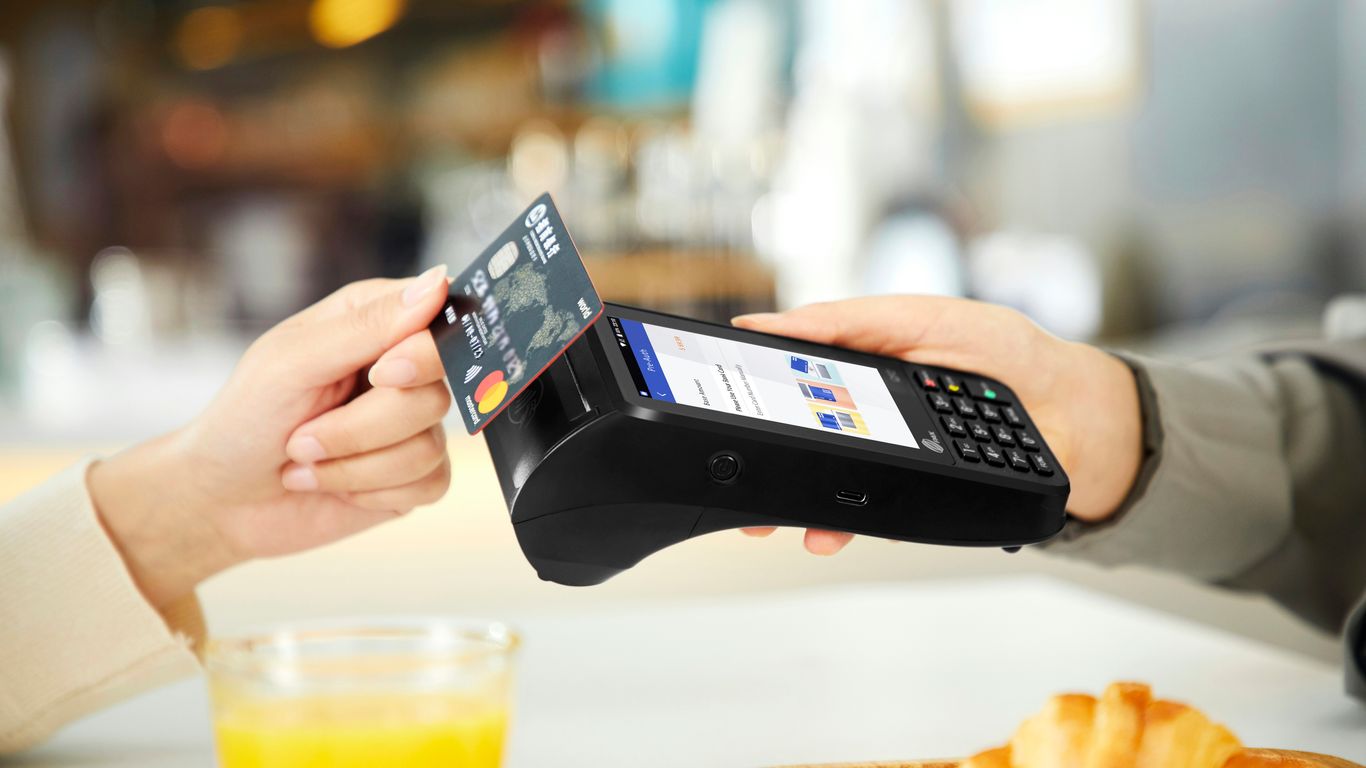
So, you’ve got your digital payment systems in place, but how do you make sure they’re actually working for you? It’s not just about having the tech; it’s about using it smart. Choosing the right payment provider and optimizing how customers pay is a big deal for any business today. Let’s break down how to get this right.
Choosing the Right Payment Provider
Picking a payment provider can feel like a maze. You want someone who gets your business, offers fair pricing, and doesn’t cause headaches. Think about what you need:
- Transaction Fees: How much do they charge per sale? Are there monthly fees? Look for transparency here.
- Supported Payment Methods: Do they handle credit cards, digital wallets, and maybe even things like Buy Now, Pay Later (BNPL) options that your customers use?
- Integration Ease: How simple is it to connect their system to your website or point-of-sale (POS) system? You don’t want to spend weeks on setup.
- Customer Support: What happens when something goes wrong? Good support can save you a lot of stress.
- Security Features: Do they offer robust fraud protection? This is non-negotiable.
It’s worth comparing a few options. For example, Stripe is known for its developer-friendly tools, while Adyen often works well for larger, global businesses. PayPal is a familiar name for many consumers. Each has its strengths, so match them to your specific needs.
Optimizing the Checkout Experience
This is where a lot of sales get lost. If checking out is a pain, people just leave. We’ve all been there, right?
- Guest Checkout: Don’t force everyone to create an account. Let people buy without signing up.
- One-Click Payments: For returning customers, make it super fast. Save their details securely so they can buy with a single click.
- Mobile-Friendly Design: Most people shop on their phones now. Your checkout needs to look and work great on a small screen.
- Clear Pricing: No hidden fees popping up at the last second. Show the total cost upfront.
- Variety of Payment Options: Offer what your customers prefer. This could mean credit cards, Apple Pay, Google Pay, or BNPL services like Klarna.
Studies show that a complicated checkout process can lead to a huge number of abandoned carts. Making it simple and fast is key to getting more sales.
Integrating Payment Solutions Seamlessly
Your payment system shouldn’t be a separate island. It needs to connect with the rest of your business.
- Point-of-Sale (POS) Systems: If you have a physical store, your in-store payment terminals should talk to your inventory and sales tracking software.
- E-commerce Platforms: Your online store needs to connect smoothly with your payment gateway. This means orders are recorded, inventory is updated, and customer data is managed.
- Accounting Software: Automating the flow of payment data into your accounting system saves a ton of time on manual entry and reduces errors.
- Customer Relationship Management (CRM): Linking payment history to customer profiles can give you insights into buying habits.
When everything works together, you get a clearer picture of your business and can operate much more efficiently. It also means a better experience for your customers, no matter how they choose to pay.
Regulatory Compliance for Digital Payments
This part can seem a bit dry, but it’s super important. You have to play by the rules to avoid fines and keep your customers’ trust.
- PCI DSS Compliance: This is a set of security standards for anyone handling credit card information. You need to make sure your systems meet these requirements.
- Data Privacy Laws: Depending on where your customers are, you’ll need to comply with laws like GDPR (in Europe) or CCPA (in California) regarding how you collect and use customer data.
- Anti-Money Laundering (AML) and Know Your Customer (KYC): For certain types of transactions or providers, you might need to verify customer identities to prevent illegal activities.
- Local Regulations: Payment rules can vary a lot from country to country. If you operate internationally, you need to understand these differences.
Staying on top of these regulations protects your business and builds confidence with your customers. It shows you’re serious about security and responsible business practices.
Digital Payment Strategies for Diverse Business Models
It doesn’t matter if you’re running a little online shop from your living room or a big chain of stores, how you handle payments really matters. People expect things to be easy and fast these days, and if you don’t keep up, they’ll just go somewhere else. So, figuring out the right payment setup for your specific kind of business is a big deal.
Online-Only E-commerce Solutions
For businesses that live entirely online, the checkout page is where the magic (or the disaster) happens. You’ve got to make it super simple. Think about letting people pay with just one click if they’ve shopped with you before, or letting them check out without making an account at all. Offering a bunch of different ways to pay is also smart – some folks love their digital wallets, others prefer a specific buy-now-pay-later service. And don’t forget about making sure your site works perfectly on a phone. A clunky mobile checkout is a surefire way to lose sales.
- Guest Checkout: Lets customers buy without creating an account, cutting down on friction.
- One-Click Payments: For returning customers, this speeds things up dramatically.
- Multiple Payment Options: Include popular digital wallets, BNPL, and standard card options.
- Mobile Optimization: A responsive design is non-negotiable for smartphone shoppers.
Adapting Brick-and-Mortar Stores
Physical stores have had to catch up, but many are doing a great job. The big thing here is contactless. People want to tap their card or phone and be done. QR codes are popping up everywhere too, letting you pay right from your phone. Self-checkout machines are also helping to cut down those annoying lines. It’s all about making the in-store experience as smooth as online shopping.
| Payment Type | Description |
|---|---|
| Contactless Cards | Tap-to-pay functionality using NFC technology. |
| Mobile Wallets | Apple Pay, Google Pay, Samsung Pay, etc., linked to customer cards. |
| QR Code Payments | Customers scan a code with their phone to initiate payment. |
| Self-Checkout Kiosks | Allows customers to scan and pay for items themselves, reducing staff load. |
Unifying Online and Offline Experiences
The real winners are the businesses that make their online and physical stores feel like one connected experience. This means customers can buy something online and return it in the store without a fuss. It also means they can use the same digital wallet or loyalty program no matter where they shop. This kind of consistency builds trust and keeps customers coming back.
Industry Case Studies in Digital Payment Adoption
Let’s look at a couple of examples:
- Fashion Retailer: One big clothing brand added services like Klarna and Afterpay. They saw their average order value jump by 30% and fewer people abandoned their carts. That’s a pretty clear win.
- Fast Food Chain: A national burger joint started using QR codes for payments. They found that checkout times dropped by 40%, and customers seemed happier. Plus, they noticed a 25% increase in people actually using QR codes to pay.
- Online Marketplace: A large online store switched from regular card payments to using open banking. They cut their payment processing fees by a huge 60% and still had most payments go through without a hitch.
Wrapping Up: The Future is Digital
So, we’ve gone over how digital payments work, why they’re a big deal for everyone, and what you need to think about when setting them up. It’s pretty clear that these systems aren’t just a passing trend; they’re how we do business now, and it’s only going to become more common. Whether you’re running a shop or just buying stuff online, getting a handle on digital payments makes things easier and often safer. Keep an eye on how things change, because this space moves fast, but for now, embracing digital payments is a smart move for pretty much anyone.
Frequently Asked Questions
What exactly is a digital payment?
Think of digital payments as sending money using the internet or your phone, instead of using cash or checks. It’s like paying for things online or with an app, making it super quick and easy.
How does paying online actually work?
When you pay online, your phone or computer securely sends your payment info to a special service. This service checks if you have the money and then sends it to the seller’s bank. It all happens really fast!
Is it safe to pay with my phone or online?
Yes, paying digitally is generally very safe. Companies use special codes (like encryption) and extra steps (like checking your fingerprint or a code sent to your phone) to keep your money and information protected from bad guys.
What are those ‘digital wallets’ people talk about?
Digital wallets are like virtual purses on your phone or computer. You can store your credit card or bank info in them, so you don’t have to type it in every time you want to pay. Examples are Apple Pay and Google Pay.
Why are digital payments so important for businesses?
Businesses use digital payments because customers like them! They make buying things faster and easier. Plus, businesses can track sales better and sometimes save money on fees compared to older ways of getting paid.
Can I pay digitally even if I don’t have a credit card?
Absolutely! Besides credit cards, you can often use digital wallets, bank transfers, or even things like ‘Buy Now, Pay Later’ services. There are lots of ways to pay digitally that don’t involve a traditional credit card.