So, you’ve probably heard about flip chip packaging, right? It’s this fancy way of putting computer chips together that’s become super common. Basically, instead of using tiny wires to connect things, they flip the chip over and use little bumps. This might sound simple, but it makes a big difference in how fast and small our gadgets can be. We’re going to break down what flip chip packaging is all about, why it’s so popular, and where you’ll find it.
Key Takeaways
- Flip chip packaging connects chips directly to boards using solder bumps, skipping the old wire bonding method for a more efficient link.
- The process involves making bumps on the chip, lining it up just right, melting the bumps to attach it, and then protecting everything.
- There are a few ways to make these bumps, like using solder, plating, little metal studs, or even sticky stuff, depending on what the job needs.
- This method is a big deal for making electronics faster, better at handling heat, and much smaller, which is why it’s in so many of our devices.
- When designing with flip chip, you’ve got to think about how it’s made and assembled, pick the right materials, and watch out for common problems to make sure it all works reliably.
Understanding Flip Chip Packaging
What is Flip Chip Technology?
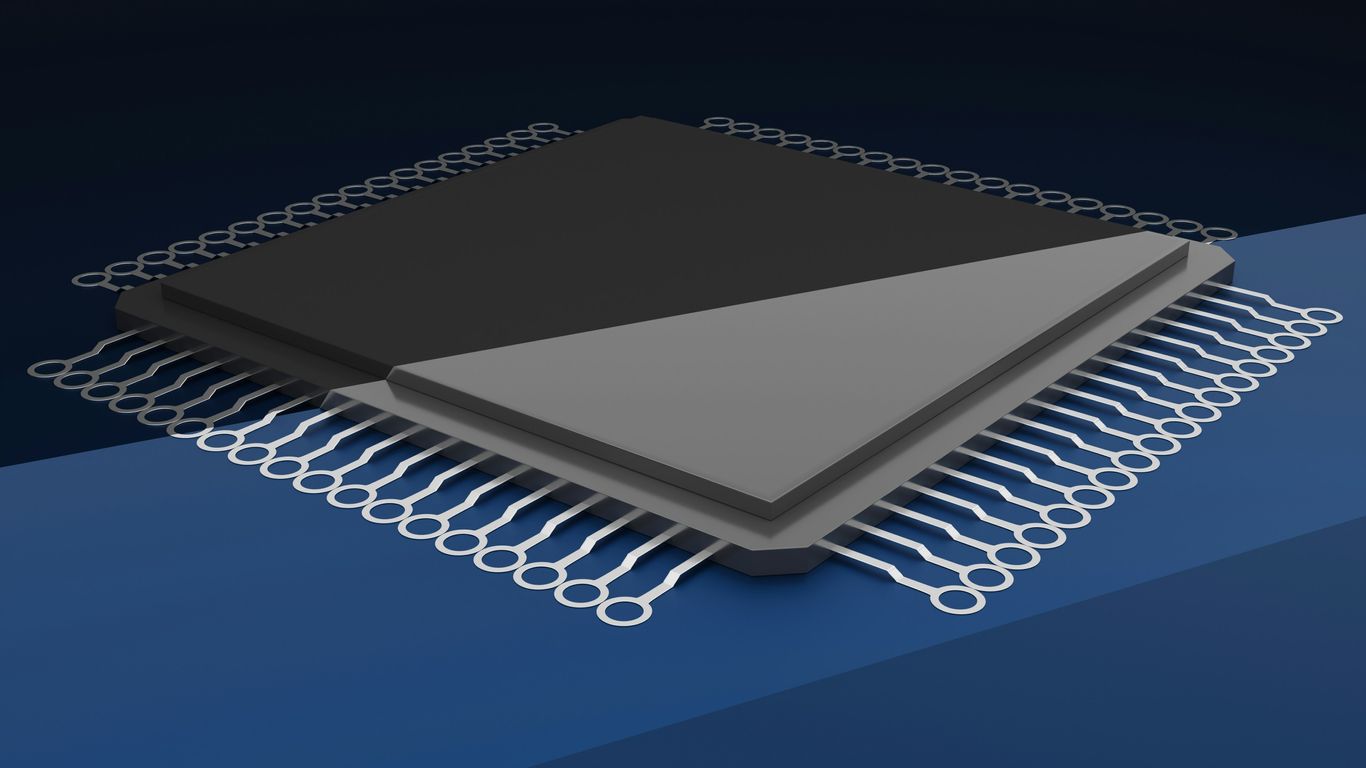
So, what exactly is flip chip technology? Basically, it’s a way to connect an electronic chip, or die, to a circuit board or substrate. Instead of the usual method where wires connect the chip to the board, the chip is flipped upside down and attached directly. Think of it like turning a picture frame face down to attach it to a wall. This direct connection is made using tiny solder bumps, which are like little metal balls. This method is pretty different from older ways of doing things, like wire bonding, where thin wires are used to link the chip’s contact points to the board. This direct connection is the core idea behind flip chip. It’s a big deal because it changes how signals travel and how heat moves around.
Key Advantages Over Traditional Methods
Why bother with flip chip when traditional methods have been around forever? Well, there are some pretty good reasons. For starters, the electrical performance is way better. Because the connections are so short and direct, you get less signal delay and interference. This is super important for fast processors and high-frequency stuff. It also means less wasted space. Since you’re not dealing with those little wires looping around, you can pack more connections into a smaller area. This is a huge win for making devices smaller and more powerful. Plus, heat can escape more easily through the direct connection to the substrate, which helps keep the chip from getting too hot. It’s a win-win-win for speed, size, and temperature.
Here’s a quick look at how it stacks up:
- Electrical Path: Flip chip connections are typically 50-100 micrometers, while wire bonds can be 1-3 millimeters. That’s a massive difference!
- Inductance: Flip chip has very low inductance, often less than 0.1 nanohenries, compared to higher values for wire bonds.
- I/O Density: Flip chip can use the entire surface of the die for connections, whereas wire bonding is usually limited to the edges.
Evolution and Significance in Modern Electronics
Flip chip technology isn’t exactly brand new, but its importance has really grown over the years. Initially, it was used for high-end applications where performance was everything. But as electronics got more complex and people wanted smaller gadgets, flip chip became more common. Think about your smartphone or a powerful computer chip – many of them use this technology. The demand for faster speeds and smaller sizes in things like AI accelerators and 5G infrastructure has pushed flip chip into the mainstream. It’s become a go-to method for semiconductor packaging when you need top-notch performance and a compact design. The market for flip chip is huge and keeps getting bigger, showing just how vital it is today.
The Flip Chip Assembly Process
So, you’ve got your fancy flip chip die, ready to go. But how does it actually get attached and ready for action? It’s not just a simple stick-on job. There’s a whole sequence of steps involved, and getting them right is pretty important for the final product’s performance. Think of it like building something intricate – each stage matters.
Wafer Bumping Techniques
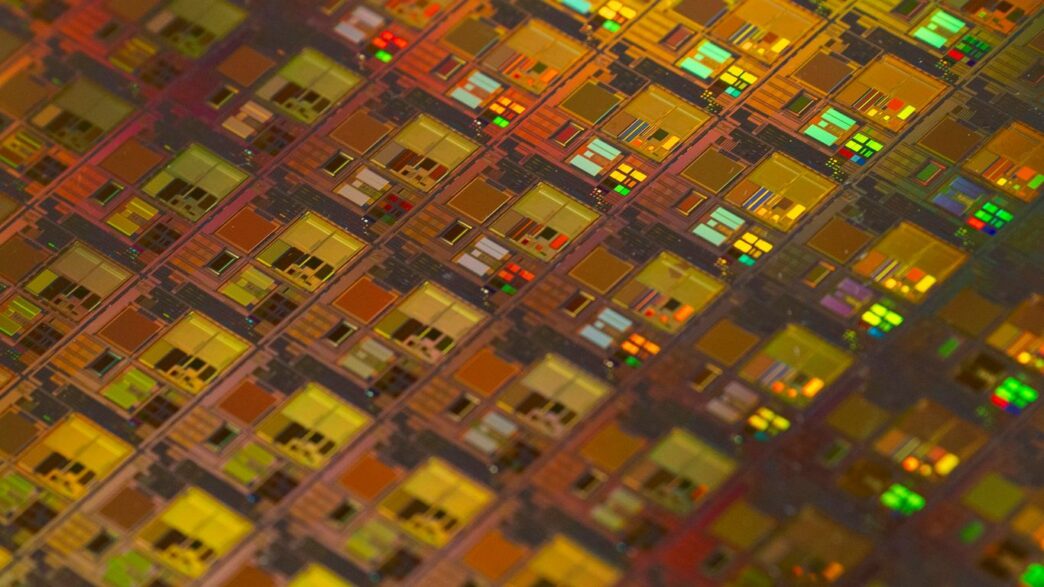
Before the chip can even think about flipping, it needs little bumps on its contact pads. These aren’t just random blobs; they’re precisely formed connections. There are a few ways to do this:
- Solder Bumping: This is a common method where a solder paste or a solder ball is placed on the pads. It’s a tried-and-true approach for creating reliable connections.
- Plated Bumping: Here, metal layers are electroplated onto the pads, often followed by a solder cap. This gives you a lot of control over the bump’s size and shape.
- Stud Bumping: This involves placing small metal balls (studs) onto the pads. It’s a bit different but works well for certain applications.
- Adhesive Bumping: Sometimes, an electrically conductive adhesive is used instead of solder. This can be useful for specific thermal or mechanical requirements.
Each of these methods has its own pros and cons, and the choice often depends on the specific chip and the intended application. The goal is to create a bump that’s the right size, shape, and material to make a solid connection later on. This initial step is key to the whole flip chip technology working correctly.
Die Alignment and Attachment
Once the wafer is bumped, it’s time to actually flip the die and place it onto the substrate or board. This is where precision really comes into play. The die is literally flipped over, so the bumps face down.
- Alignment: Sophisticated machines use cameras and optical markers to align the bumps on the die perfectly with the corresponding pads on the substrate. We’re talking about tolerances in the micron range here – it’s pretty wild.
- Attachment: After alignment, the die is placed onto the substrate. The connection is then made, usually through a reflow process.
Reflow and Encapsulation Steps
This is where the magic happens, turning those aligned bumps into solid electrical connections.
- Reflow Soldering: The assembly is heated in a controlled oven. This melts the solder bumps, allowing them to flow and form a strong metallurgical bond with the substrate pads. Getting the temperature profile just right is super important to avoid damaging the chip or creating bad joints.
- Underfill Application: After the solder has cooled and solidified, a special epoxy-like material called an underfill is often dispensed into the gap between the die and the substrate. This underfill flows via capillary action and then cures. It’s vital for providing mechanical support and protecting the solder joints from stress caused by different expansion rates between the chip and the substrate.
- Final Packaging: Depending on the product, the assembly might then go through further steps like attaching a heat spreader or adding solder balls (if it’s a BGA package) before it’s ready to be mounted onto a main circuit board.
Each of these steps, from the initial bumping to the final encapsulation, plays a role in creating a reliable and high-performing electronic component. It’s a complex dance of materials and precise movements.
Performance Benefits of Flip Chip
So, why are we even bothering with flip chip technology? Well, it really comes down to how much better it performs compared to older methods, especially when you need things to be fast and small.
Enhanced Electrical Performance
Think about how signals travel. In traditional packaging, wires are used to connect the chip to the board. These wires, even though they’re tiny, add up. They create extra length for the electrical signals to travel, and this extra length can cause delays and signal degradation, especially at high speeds. Flip chip technology gets rid of most of those long wires. Instead, it uses small solder bumps that are directly attached to the chip and the board. This makes the electrical path incredibly short, which means signals can move much faster with less interference. This is a big deal for things like high-speed processors and advanced communication systems where every nanosecond counts. The reduced inductance, which is basically a measure of how much a circuit opposes a change in current, is significantly lower with flip chip. We’re talking about values that are often less than 0.1 nanohenries, compared to 1 to 3 nanohenries for wire-bonded chips. That might not sound like much, but in the world of high-frequency electronics, it’s a massive difference.
Improved Thermal Management
Chips generate heat, and managing that heat is super important for keeping them running reliably. With wire bonding, heat has to travel through the chip and then out through the wires and the package. It’s not the most direct route. Flip chip packaging offers a much better way. Because the chip is flipped and attached directly to the substrate via the bumps, heat can be conducted away more efficiently. The bumps themselves act as thermal pathways, and the entire backside of the chip is often exposed, allowing for better heat dissipation. This direct connection means heat doesn’t have to fight its way through as many layers. For high-power devices, this improved thermal path can mean the difference between a chip that runs smoothly and one that overheats and fails.
Space Efficiency and Miniaturization
Let’s face it, we all want our gadgets to be smaller and lighter. Flip chip technology is a huge enabler of this trend. By eliminating the need for wire bonds and their associated loops, the overall height of the package is significantly reduced. It’s basically just the thickness of the chip plus the height of the bumps. This allows for much thinner and more compact electronic devices. Furthermore, flip chip allows for a much higher density of connections across the entire surface of the chip, not just around the edges. This means you can pack more functionality into a smaller area, which is exactly what’s needed for everything from smartphones to complex medical devices.
Applications and Use Cases
Flip chip technology isn’t just a fancy term; it’s what makes a lot of the tech we use every day possible. Because these chips can be packed so densely and perform so well, they’ve found their way into all sorts of demanding applications.
High-Performance Computing
When you need serious processing power, like in supercomputers or the servers that run cloud services, flip chip is often the go-to. These chips can handle massive amounts of data and complex calculations at lightning speed. Think about AI accelerators and high-bandwidth memory (HBM) – they rely heavily on flip chip to get the job done. The ability to stack multiple chips or integrate different types of processors and memory within a single package, known as heterogeneous integration, is a big win here. This approach helps reduce signal delays and boost overall performance, which is exactly what you need when crunching huge datasets.
Radio Frequency Components
For anything involving radio frequencies (RF), like in advanced communication systems or radar, the electrical performance of the chip is super important. Flip chip’s short electrical paths and low inductance mean signals don’t get messed up as much, allowing for much higher operating frequencies. This is a big deal for things like 5G infrastructure and sophisticated wireless devices. The direct connection from the chip to the substrate minimizes signal loss and interference, which is pretty critical when you’re dealing with sensitive RF signals.
Consumer Electronics and Mobile Devices
Even though they’re used in high-end stuff, flip chip tech also plays a role in the gadgets we use daily. The drive for smaller, thinner, and more powerful smartphones, tablets, and wearables means manufacturers need packaging that takes up minimal space. Chip-scale packages (CSPs) and wafer-level packaging (WLP) are great examples of this, where the package is almost as small as the chip itself. This allows for more features to be packed into devices without making them bulky. The space efficiency and improved thermal management offered by flip chip are key to making our portable electronics both powerful and pocket-friendly.
Design and Manufacturing Considerations
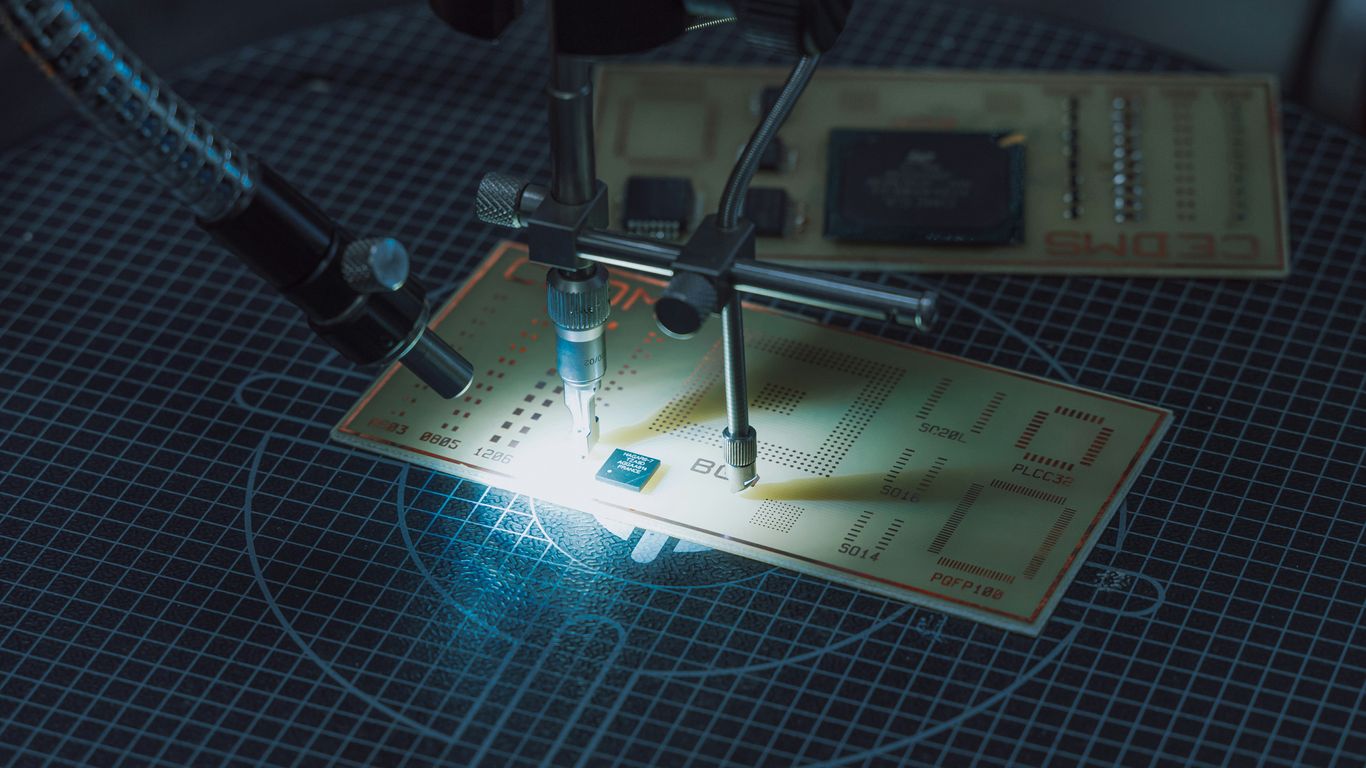
So, you’ve got this fancy flip chip idea, and it’s going to make your product super small and fast. That’s awesome, but getting it made isn’t just a simple plug-and-play situation. There are a bunch of things you really need to think about before you even send it off to the factory. It’s all about making sure the design actually works when it’s being put together and that it’ll keep working for a long time.
Design for Manufacturability (DFM)
This is all about making sure your design can actually be built without a ton of headaches. You can’t just draw whatever you want; you have to work with the reality of how things are made. For flip chips, this means paying close attention to the little details.
- Trace Width and Spacing: The factory has limits on how thin and close together they can make the electrical traces on the board. You need to check with your board maker to find out their minimums and make sure your design stays within those limits. Messing this up can lead to shorts or opens.
- Pad Sizes: The pads on the board where the chip connects need to match up with the solder bumps on the chip and the stencil used for applying solder paste. If these don’t line up right, you’ll get bad connections.
- Material Properties: Different materials expand and contract at different rates when the temperature changes. This is a big deal for flip chips because the chip and the board are directly connected. You need to pick materials that play nice together, or you’ll end up with stress on the solder bumps, which can cause failures over time. Think about substrates with low thermal expansion.
Design for Assembly (DFA)
Once the board is made, you have to get the chip attached. DFA is about making that process as smooth as possible. It’s not just about the chip itself, but how it fits into the whole picture.
- Alignment Markers: To get the chip placed perfectly, the assembly machines need clear targets. These are called fiducials, and they’re like little guideposts on the board that the machines use to know exactly where to put the chip. You need to make sure these are placed correctly and are visible.
- Underfill: After the chip is attached, a special epoxy called underfill is often used to fill the gap between the chip and the board. This adds a lot of strength and helps with reliability, especially when temperatures change. You need to specify the type of underfill and how it should be applied, because if it’s not done right, you can get voids (air bubbles) or other problems.
- Process Documentation: You’ll need to provide clear instructions for the assembly house. This includes things like the pick-and-place file (telling the machine where each component goes), the reflow profile (the specific temperature curve the board goes through to melt the solder), and any special handling instructions.
Material Selection and Compatibility
This is kind of a big one that touches on both DFM and DFA. The materials you choose have a huge impact on how well your flip chip assembly will work and how long it will last. It’s not just about picking the cheapest option.
- Substrate Materials: As mentioned, the coefficient of thermal expansion (CTE) is super important. Materials like BT (Bismaleimide Triazine) or ABF (Ajinomoto Build-up Film) are often used because they have CTEs that are closer to silicon, reducing stress.
- Solder Bumps: The material of the solder bumps themselves matters. They need to be compatible with the pads on the substrate and the flux used during assembly. Different bump metallurgies have different properties.
- Underfill and Flux: These two need to work together. If the flux used during soldering isn’t compatible with the underfill, you can get issues like voids or poor adhesion. It’s a whole chemistry problem you need to get right. Getting the material combinations right from the start is key to avoiding a lot of headaches down the line.
Challenges and Reliability in Flip Chip
So, flip chip tech is pretty neat, right? It packs a punch in a small space. But, like anything that’s super advanced, it comes with its own set of headaches. Getting it all to work perfectly in the real world isn’t always a walk in the park.
Common Assembly Issues
When you’re putting these tiny chips down, things can go wrong. You might end up with bumps that don’t connect properly, either too much connection (shorts) or no connection at all (opens). Then there’s the underfill, that goopy stuff that protects the bumps. If it’s not applied right, you can get air bubbles, or voids, trapped inside. These voids are bad news because they can mess with how heat moves around and weaken the whole connection over time. Sometimes, the chip or the board it’s going on can even warp, especially with thin materials, which throws off the alignment. And don’t forget cleaning – if there’s leftover gunk under the chip, it’s a recipe for problems down the road.
Inspection and Testing Methods
Because you can’t actually see the solder joints once the chip is flipped, checking the quality is tricky. You can’t just eyeball it. That’s where tools like X-rays come in. Regular 2D X-rays can spot some issues, like solder bridges or big voids, but sometimes the chip’s own circuitry gets in the way. 3D X-rays, or CT scans, are better because they can peel back the layers to show you just the solder joints. Another useful tool is acoustic microscopy, which uses sound waves to find those pesky underfill voids or areas where the underfill isn’t sticking properly. It’s pretty important to catch these things early. You also need to do tests that really push the limits, like putting the assemblies through extreme temperature changes or shaking them around to see how they hold up. This helps figure out if the design can handle tough conditions, and it’s a big part of making sure your product doesn’t fail unexpectedly. Understanding how these systems react to stress is key, especially with shrinking process nodes making systems more susceptible to errors like bit flipping.
Ensuring Long-Term Reliability
Making sure a flip chip assembly lasts a long time involves a few key things. First off, the materials you pick have to play nice together. The metal on the bumps, the flux used during soldering, the surface of the board, and the underfill all need to be compatible. If they aren’t, you’ll see problems pop up later. Getting the underfill process just right is also a big deal. Too little, and you’ve got gaps; too much, and it can spill over where it shouldn’t. You need the right amount to fill all the nooks and crannies without causing other issues. Then there’s the whole rework situation. If something goes wrong, fixing it can be really difficult, especially with certain types of underfill. Some are basically impossible to rework, meaning if you mess up, the whole board might be toast. So, planning for potential fixes, or designing it so you don’t need them, is a smart move. Ultimately, it’s about careful planning, good materials, precise processes, and thorough testing to make sure these advanced packages keep working reliably for years to come.
Wrapping It Up
So, that’s the lowdown on flip chip packaging. It’s pretty wild how much goes into making these tiny chips work. We’ve seen how it’s a big step up from older methods, letting us pack more power into smaller gadgets. It’s not exactly simple, and there are definitely some tricky bits to watch out for during manufacturing, but the payoff in performance is huge. As electronics keep getting smaller and faster, flip chip tech is going to stick around, probably getting even more advanced. It’s a key piece of the puzzle for all the cool tech we use every day.
Frequently Asked Questions
What is a flip chip, and how is it different from older methods?
A flip chip is a way to connect a computer chip to a circuit board. Instead of using tiny wires to connect the chip, like in older methods, the chip is flipped upside down and attached directly to the board using little bumps of solder. This makes the connection much shorter and more efficient.
Why is flip chip technology better than wire bonding?
Flip chip technology is better because the connections are much shorter, which means signals travel faster and with less interference. It also helps chips run cooler because heat can escape more easily. Plus, it allows for more connections to be made in a smaller space.
What are the main steps involved in making a flip chip connection?
The process starts with ‘bumping,’ where tiny solder balls are created on the chip’s connection points. Then, the chip is carefully flipped and placed onto the circuit board. After that, it’s heated up to melt the solder and create a strong bond. Finally, a protective material is often added around the bumps.
Where is flip chip technology used?
Flip chip is used in many advanced electronics where speed and size matter. This includes powerful computers (like those in gaming or scientific research), fast communication devices (like 5G phones), and other gadgets that need top performance in a small package.
Are there any downsides to using flip chips?
Yes, flip chips can be more challenging to manufacture and test compared to traditional methods. They also sometimes require special materials for the circuit board to ensure the chip and board expand and contract at similar rates when temperatures change, to prevent damage.
Can I use regular circuit board materials with flip chips?
Not always. Standard circuit board materials might not work well because they expand and shrink differently than the chip when heated or cooled. Often, special materials are needed that better match the chip’s expansion rate for a reliable connection.