Germany’s energy scene is really changing. They’re trying to move away from old ways of getting power and embrace cleaner options. It’s a big undertaking, and a lot is happening with energy consumption germany. This article looks at what’s going on, from the challenges of high prices to the big push for renewables and what it all means for the country’s future.
Key Takeaways
- Germany is the biggest energy user in the EU, and high prices have hit industries hard, leading to less production.
- The ‘Energiewende’ is Germany’s plan to switch to renewable energy, aiming for 80% of electricity from these sources by 2030, while phasing out nuclear and fossil fuels.
- Wind and solar power are growing fast, becoming the main renewable sources, with plans to expand them even further.
- Reducing energy use through efficiency measures is a key part of the transition, but progress has been slower than expected.
- Germany is diversifying its energy imports, especially natural gas, with a growing reliance on Liquefied Natural Gas (LNG) from sources like the US.
Germany’s Evolving Energy Consumption Landscape
Germany, being the biggest energy user in the European Union, faces a complex energy picture. For a while now, high energy prices have really put a strain on industries and regular folks alike. You can see it in the numbers: production in factories that use a lot of energy has been dropping pretty steadily since early 2022. By 2025, output in these sectors was about 17 percent less than it was before 2022. It’s a big shift.
Overview of European Union Energy Consumption
As the largest energy consumer within the EU, Germany’s trends often ripple across the bloc. While France and Italy also use significant amounts of energy, Germany’s scale means its choices and challenges have a broader impact. The overall energy consumption across the EU is influenced by many factors, including economic activity, population, and climate. However, recent years have seen a common thread of rising energy prices affecting all member states, though the specific impacts vary based on each country’s industrial makeup and energy sources.
Impact of High Energy Prices on Industry
Those high energy costs we’ve been seeing? They’ve hit German industry hard. Think about factories that need tons of power to operate – many have had to cut back production. Since the start of 2022, output in these energy-hungry sectors has been on a downward trend. By 2025, industrial production for these goods was roughly 17 percent lower than pre-2022 levels. This isn’t just a small dip; it’s a significant economic adjustment driven by the cost of keeping the lights on and the machines running.
Historical Emissions Trends
Looking back, Germany’s greenhouse gas emissions have a story tied to its history. Major events like World War I and II, along with the economic ups and downs in between, clearly show up in the emission data. Emissions generally climbed until they peaked in 1979. Since then, there’s been a noticeable downward trend, especially in recent years. This decline is partly due to more renewable energy coming online and a drop in energy use by heavy industries. In 2024, Germany’s carbon dioxide emissions hit their lowest point since the 1950s. However, it’s worth noting that Germany’s electricity generation is still more carbon-intensive than some neighbors, like France, which relies heavily on nuclear power.
The Energiewende: Germany’s Ambitious Energy Transition
Germany’s big plan to change how it gets and uses energy is called the "Energiewende." It’s a pretty massive undertaking, aiming to move away from old ways of generating power, like nuclear and fossil fuels, towards a future powered by clean, renewable sources. This transition is seen as key to meeting climate goals and boosting energy independence.
Renewable Energy Targets and Progress
The Energiewende has some pretty specific goals for renewable energy. The idea is to get a much larger chunk of the country’s electricity from sources like wind and solar. Back in 2000, a law called the Renewable Energy Act (EEG) really kicked things off, offering payments to people and companies that generated renewable electricity. This helped renewables go from being a small player to a major part of the energy mix.
Here’s a look at where things stand:
- 2030 Target: Germany aims for 80% of its electricity to come from renewables by 2030.
- 2024 Status: By 2024, renewables already covered about 59% of electricity consumption, a big jump from previous years.
- Future Goal: The plan is to have an electricity supply that’s almost entirely free of greenhouse gases by 2035, though the exact path to get there is still being worked out.
Phasing Out Nuclear and Fossil Fuels
Part of the Energiewende involves saying goodbye to certain energy sources. Germany has already stopped producing electricity from nuclear power plants as of April 2023. The plan is also to phase out coal and lignite, with a target date of 2038 at the latest. This is a complex process, especially with the need to ensure there’s enough power available when the sun isn’t shining or the wind isn’t blowing. Sometimes, the original timelines for these phase-outs have faced pushback, and adjustments have been made.
Key Drivers of the Energy Transition
So, what’s pushing Germany to make these big changes? A few things, really.
- Climate Change: There’s a strong commitment to reducing greenhouse gas emissions. Germany has a target to cut emissions by 65% compared to 1990 levels by 2030, with the ultimate goal of being carbon neutral by 2045.
- Energy Security: Recent global events, like the war in Ukraine, highlighted the risks of relying too heavily on imported fossil fuels. Shifting to domestic renewable sources makes the energy supply more stable and less dependent on international politics.
- Economic Opportunity: The transition also presents a chance for German industries to become leaders in the growing clean energy sector. By investing in these technologies now, Germany hopes to gain a competitive edge in the future global market.
Renewable Energy Sources Powering Germany’s Future
Germany’s push towards a greener energy future is really picking up steam, and renewable sources are leading the charge. It’s not just a small part of the picture anymore; renewables are becoming the backbone of the country’s electricity supply.
Growth of Wind and Solar Power
Wind and solar power are definitely the big players here. We’re seeing massive growth in both onshore and offshore wind farms, as well as solar photovoltaic (PV) installations. By 2030, Germany aims to have a staggering 80 percent of its electricity consumption covered by renewables. This ambitious target means a huge ramp-up in capacity. For instance, onshore wind capacity is slated to roughly double by 2030, and offshore wind is set to see a significant increase too. Solar power is also on a major expansion path, with plans to more than double its current capacity by the end of the decade. It’s pretty impressive when you think about it – turning sunshine and wind into power for millions.
Here’s a look at some of the expansion goals:
- Onshore Wind: Target of 115 GW by 2030.
- Offshore Wind: Minimum of 30 GW by 2030.
- Solar PV: Target of 215 GW by 2030.
Role of Hydropower and Biomass
While wind and solar get a lot of attention, other renewables like hydropower and biomass are still important pieces of the puzzle. Hydropower’s contribution in Germany is relatively modest compared to wind and solar, but it’s a steady source. Biomass, on the other hand, plays a more significant role, not just in electricity generation but also in providing heat and in the transport sector. It’s used in various forms – solid, liquid, and gas – to produce energy and biofuels. These sources help fill gaps and provide a more consistent energy supply, especially when the wind isn’t blowing or the sun isn’t shining.
Future Expansion Plans for Renewables
The plans for expanding renewable energy capacity are quite extensive. Beyond the targets for wind and solar, Germany is also looking at how to integrate these sources more effectively. The goal is to move towards an almost entirely greenhouse gas-neutral electricity supply. This involves not only building more renewable capacity but also modernizing the grid and investing in storage solutions to handle the intermittent nature of wind and solar power. The energy transition is a complex undertaking, but the commitment to renewables is clear, aiming to reduce reliance on fossil fuels and nuclear power, which has now been completely phased out.
Energy Efficiency: A Crucial Pillar of Consumption Reduction
Saving energy is a big part of Germany’s plan to shift its energy use, often called the ‘Energiewende’. It’s seen as super important for hitting climate goals, aiming for a carbon-neutral economy by 2045. The idea is simple: use less energy overall, and it becomes easier to power everything with renewables. But getting people and industries to actually cut back on energy use? That’s been a tougher nut to crack than building more solar panels or wind turbines.
Progress on Energy Demand Reduction Targets
Germany has set some specific goals for cutting how much energy it uses. The latest law, passed in 2023, aims to reduce final energy consumption by 26.5% by 2030, compared to 2008 levels. By 2045, the target jumps to a 45% reduction. For primary energy use, the goal is a 39.3% cut by 2030. These targets are meant to line up with European Union rules. However, reports suggest Germany isn’t quite on track. As of 2022, final energy use had only dropped by about 7%, and while primary energy use saw a bigger drop by 2023 (around 25%), it’s still a long way from the 2030 goal. Some analyses indicate the country might only reach a little over half of its final energy consumption target by the end of this decade.
Challenges in Implementing Efficiency Measures
So, why is it so hard to save energy? Well, it’s not just about flipping a switch. Making buildings more energy-efficient, like better insulation, takes a lot of work and money. Changing how we all behave, from how we heat our homes to how we travel, is a slow process. Plus, many new technologies that could save energy are expensive, and getting everyone on board with these changes is a real challenge. It requires a lot of participation from individuals, businesses, and the government.
Legal Frameworks for Energy Efficiency
To push these changes forward, Germany has put laws in place. The Energy Efficiency Act of 2023 is a key piece of legislation. It sets out those targets we talked about and aligns with EU directives. The government also monitors progress annually through an independent commission of energy experts. This commission checks how things are going in areas like renewable energy, grid upgrades, and the development of new energy markets, like hydrogen. While there’s progress in some spots, the experts point out that more effort is needed in others, especially when it comes to reducing overall energy demand.
| Target Area | 2030 Goal (vs. 2008) | 2045 Goal (vs. 2008) | Status (2022/2023) |
|---|---|---|---|
| Final Energy Use | -26.5% | -45% | -7% (2022) |
| Primary Energy Use | -39.3% | N/A | -25% (2023) |
Germany’s Shifting Energy Import Dependencies
Germany, being the biggest energy consumer in the European Union, has always relied on imports for a significant chunk of its energy needs, especially for fossil fuels. This reliance has been a major point of discussion, particularly with global energy markets becoming more unpredictable. The country’s commitment to phasing out nuclear power by 2023 and its plans to stop using coal by 2038 mean that managing these import dependencies is more important than ever.
Natural Gas Supply Diversification
For a long time, natural gas was a go-to energy source for Germany, but recent global events have really highlighted the risks of depending too much on a single supplier. Germany has been actively working to spread out where it gets its natural gas from. This means looking beyond traditional pipelines and exploring new partnerships.
- Norway has become a key supplier, providing a substantial portion of Germany’s natural gas needs.
- The Netherlands also remains an important source, though its role has shifted.
- Efforts are ongoing to secure more stable, long-term contracts to avoid being caught off guard by sudden price spikes or supply disruptions.
Increased Reliance on Liquefied Natural Gas (LNG)
As a direct response to changing geopolitical landscapes, Germany has made a significant push into Liquefied Natural Gas (LNG). This has involved building new import terminals quite rapidly. The United States has emerged as a dominant player in this market for Germany.
- US LNG now makes up the largest share of Germany’s LNG imports, a big change from just a few years ago.
- This shift was necessary to quickly replace Russian gas supplies.
- Germany is looking to expand its LNG terminal capacity to handle more imports and reduce reliance on the spot market.
Crude Oil Import Trends
While the focus often shifts to natural gas, Germany’s need for crude oil also continues. Domestic production is minimal, so imports are the main way to meet demand. Recent trends show a slight increase in the volume of crude oil Germany is importing.
| Year | Crude Oil Imports (Million Tons) | Year-over-Year Change |
|---|---|---|
| 2023 | 73.0 | – |
| 2024 | 78.4 | +7% |
This steady demand for oil means that Germany’s import strategy needs to account for global oil market fluctuations as well, even as the country pushes towards cleaner energy sources.
Infrastructure and Grid Modernization for Energy Security
So, Germany’s energy transition, the whole ‘Energiewende’ thing, it’s a massive undertaking. And a big part of making it work, keeping the lights on reliably, is all about the nuts and bolts – literally, the infrastructure and grid. Think of it like upgrading an old highway system to handle way more traffic, but instead of cars, it’s electricity from wind turbines and solar panels.
Investments in Grid Expansion
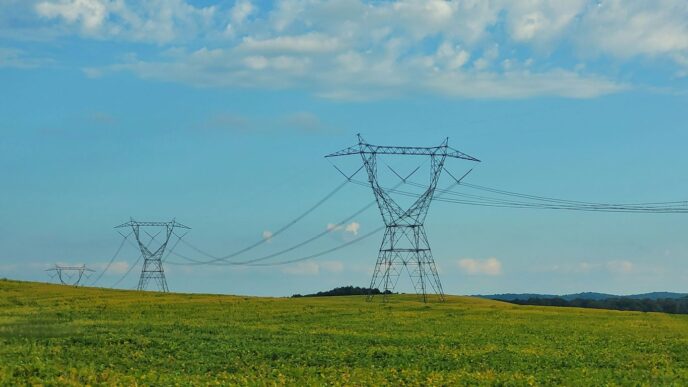
This is a huge one. We’re talking about needing a lot more power lines, especially to move all that renewable energy from where it’s generated, often up north, to where people and industries use it, usually in the south and west. It’s not just about adding more lines, though. The plan is to use newer, more efficient tech, like high-voltage direct current (HVDC) lines for some of the big new routes. It’s a massive project, with billions of dollars planned for grid upgrades by 2045. They’re trying to get more lines approved and built, but it’s a slow process, and getting everything connected is a challenge.
Role of Energy Storage Solutions
Because wind and solar aren’t always producing power, we need ways to store that energy for when it’s needed. Batteries are becoming a big deal here. Germany’s actually a leader in this area. They’re looking at all sorts of storage, from home batteries linked to solar panels to big industrial-scale setups. The government’s trying to make it easier for these storage systems to connect and participate in the energy market, which helps keep the grid stable. It’s all about having that backup power ready to go.
The Importance of Smart Grids
This is where the ‘smart’ comes in. Instead of just pushing power out and hoping people use it, smart grids use technology to manage everything much more efficiently. Think of it like a two-way street for electricity. Devices like smart meters will let us see when electricity is cheaper or more expensive, and maybe even shift when we use it. This helps balance out the variable nature of renewables. Smart grids, powered by advanced information and communication technology, are key to managing fluctuating renewable energy generation and consumption in real-time. It’s about making the whole system more flexible and responsive, so we don’t waste energy and can handle the changes that come with more renewables.
Economic Implications of Energy Consumption Trends
So, what does all this energy stuff mean for Germany’s wallet? It’s a bit of a mixed bag, honestly. On one hand, the push for renewables and efficiency is a massive undertaking, and that means big spending. Think new power lines, wind turbines, solar farms – it all adds up. Plus, there’s the whole deal with supporting industries that are trying to go green or are just really energy-hungry.
Subsidies for Energy-Intensive Industries
Germany has a lot of big factories that use tons of power, like chemical plants and metal producers. To keep them from packing up and moving somewhere else because of high energy costs, the government offers them subsidies. It’s a way to help them stay competitive while the country figures out its energy future. But, it’s a delicate balancing act. You don’t want to prop up old ways of doing things forever, right?
Stabilization of Energy Costs
High energy prices have been a real headache for everyone, from households to businesses, especially since 2022. The goal is to make energy costs more predictable. Relying more on homegrown renewables helps with this, as the "fuel" is free once the infrastructure is built. However, the transition itself can be expensive, and global market shifts still play a big role. The aim is to create a more stable energy market in the long run, but the path there has some bumps.
Competitiveness in the Global Market
This is where things get tricky. If Germany’s energy costs are way higher than other countries, its industries might struggle to sell their products abroad. The Energiewende is designed to make Germany a leader in green tech, which could be a huge economic plus down the road. But in the short to medium term, managing energy costs while transitioning is key to keeping German businesses in the game. It’s a bit like trying to upgrade your car while still needing to drive it to work every day – you have to be smart about it.
Wrapping It Up
So, looking at Germany’s energy picture, it’s clear they’re really pushing for renewables, aiming for a big chunk of their power to come from clean sources by 2030. They’ve made good strides, especially with wind and solar, and emissions are actually down, which is great news. But it’s not all smooth sailing. High energy prices are still a headache for businesses and folks at home, and getting everyone on board with saving energy has been tougher than expected. Plus, Germany still needs a lot of imported fossil fuels, which can be a bit of a gamble. Building out the grid, investing in storage, and figuring out how to handle the ups and downs of renewable power are big jobs ahead. It’s a complex balancing act, for sure, but the direction seems set towards a greener future, even with the challenges.