Understanding What Is Mobileye
Pioneering Computer Vision for Road Safety
Mobileye started back in 1999 with a pretty neat idea: what if a car could ‘see’ the road like a person does? They figured out how to use a simple camera, mounted on the car, to understand what’s happening around it. This was a big deal because, before Mobileye, safety systems often needed a bunch of expensive sensors. By using just a camera and some clever software, they made advanced safety features much more affordable. This approach really opened the door for more cars to have these life-saving technologies. They’ve been pushing the boundaries of what cameras can do for cars ever since.
A Foundation Built on Safety-First Principles
From day one, Mobileye’s main goal has been making roads safer. It’s not just about adding features; it’s about making sure those features actually work and meet strict safety rules. They test their systems rigorously, and their technology often goes beyond what’s required by safety regulations, like those in the European Union. This commitment means that when car companies use Mobileye’s tech, they know it’s built on a solid foundation of safety. It’s like building a house – you need a really strong base.
Democratizing Road Safety Worldwide
Think about it: making advanced safety features available to more people. That’s what Mobileye has been doing. By creating cost-effective solutions, they’ve helped put safety tech into millions of vehicles across the globe. It’s not just for luxury cars anymore. Their technology is now found in a huge number of car models from almost every major automaker. This widespread adoption means more drivers, passengers, and even people walking or cycling are benefiting from improved road safety. It’s about making sure everyone has a better chance of staying safe on the road, no matter what car they’re in.
The Core Technology Behind Mobileye
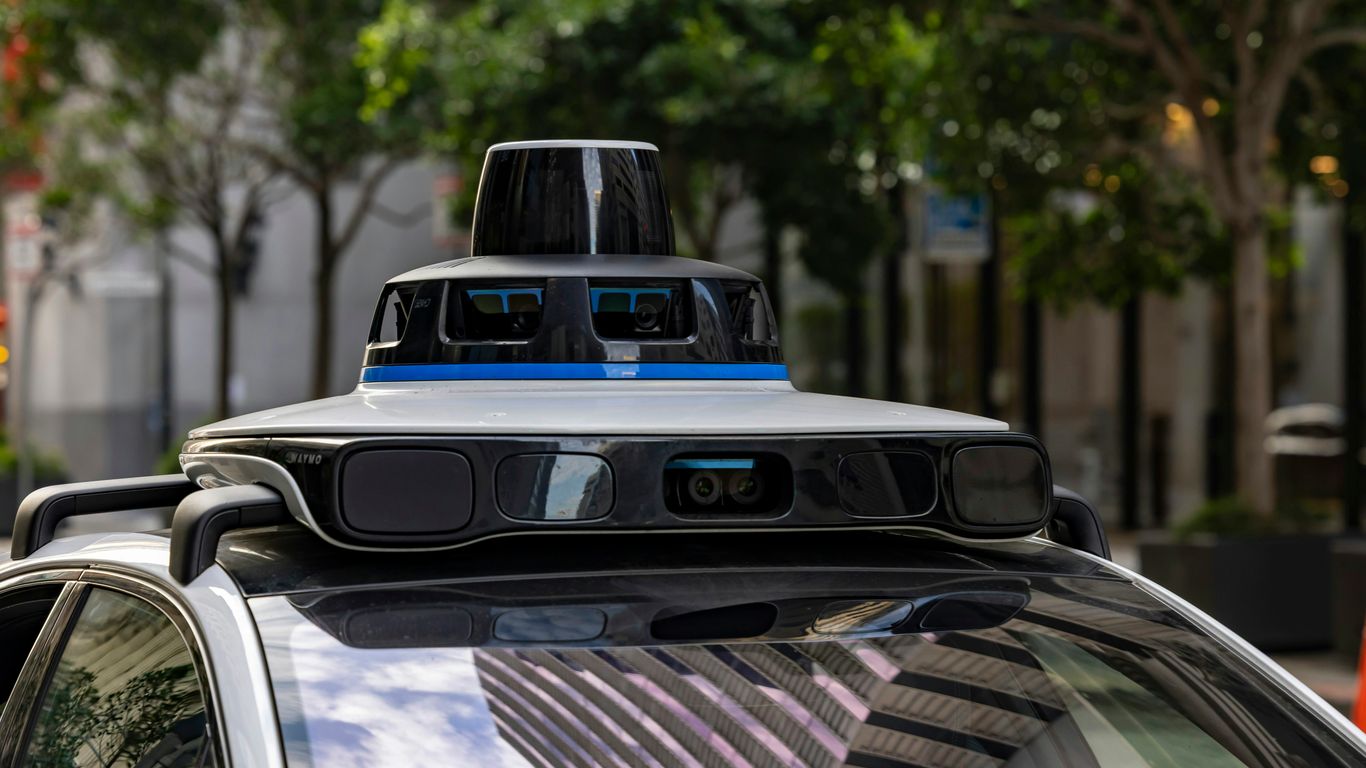
So, how does Mobileye actually do all this stuff? It’s not magic, though sometimes it feels like it. The real brains behind Mobileye’s advanced driver-assistance systems (ADAS) are its specialized chips and the clever software that runs on them.
The Power of EyeQ System-on-Chips
At the heart of every Mobileye-powered system is the EyeQ chip. Think of it as a tiny, super-smart computer designed specifically for seeing and understanding the road. These chips are built to process a massive amount of visual information really, really fast. They’re not just general-purpose processors; they’re optimized for the complex tasks of computer vision and machine learning that ADAS needs. Mobileye has been refining these chips for years, with the latest generations packing even more power to handle higher-resolution cameras and more sophisticated algorithms. It’s like upgrading from a flip phone to the latest smartphone – the capabilities just skyrocket.
Interpreting the Driving Environment
What does the EyeQ chip actually do with all that visual data? It takes the feed from the car’s cameras and breaks it down, much like our own eyes and brains do. It can spot:
- Other vehicles: Cars, trucks, motorcycles – you name it.
- Road users: Pedestrians, cyclists, and even animals that might wander into the road.
- Road infrastructure: Lane lines, road edges, barriers, traffic signs, and traffic lights.
- Potential hazards: Debris on the road, potholes, and other unexpected obstacles.
The system’s algorithms are designed to not just see these things, but to understand what they are and how they’re behaving. For example, it can tell if a pedestrian is just standing by the curb or if they look like they’re about to step into the street. This level of interpretation is what allows the car to react appropriately, whether it’s just giving you a warning or actively braking.
From Basic ADAS to Autonomous Driving
Mobileye’s technology started with the basics – things like forward collision warnings and lane departure alerts. But as the EyeQ chips got more powerful and the software smarter, the capabilities grew. We’re talking about systems that can now help with adaptive cruise control, automatic emergency braking, and even lane centering. The progression is pretty clear: take the core vision technology, add more processing power and smarter software, and you move from simple warnings to more active assistance, and eventually, towards full self-driving capabilities. It’s a step-by-step evolution, building on that strong foundation of understanding the road through cameras.
Mobileye’s Evolving ADAS Solutions
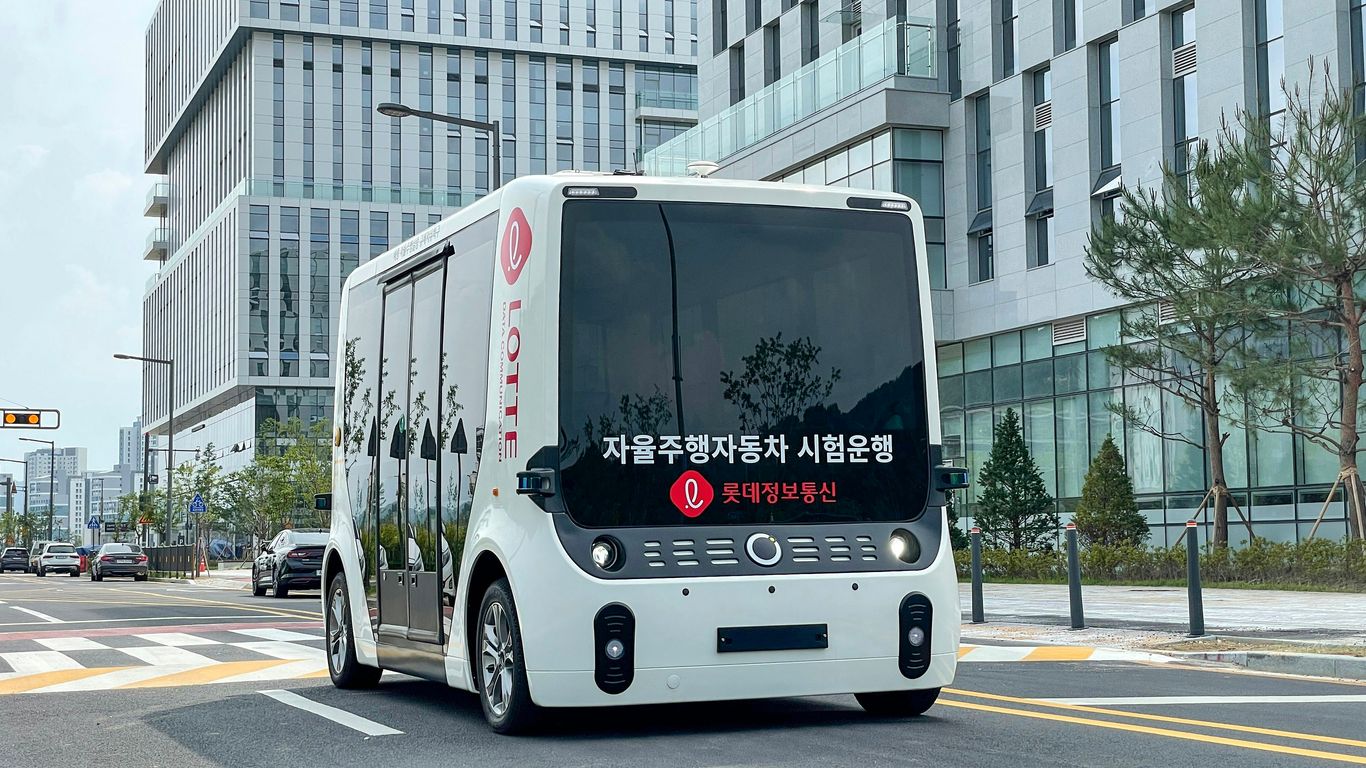
Mobileye isn’t just standing still; they’re constantly pushing what Advanced Driver-Assistance Systems (ADAS) can do. Think of it as a ladder, and they’re building new rungs all the time, making driving safer and easier with each step.
Next-Generation ADAS Capabilities
What’s new? Well, they’re making their systems see even better. The latest EyeQ chips, like the EyeQ5, can handle super high-resolution video and a much wider field of view – up to 120 degrees. This means the car can spot more things, farther away, and with more detail. It’s like giving the car better eyes. This improved vision helps detect all sorts of road users and obstacles, even at higher speeds. This focus on better perception is key to making ADAS more reliable in tricky situations.
The Role of REM-Generated Maps
Beyond just seeing, Mobileye is adding a layer of intelligence with maps. They use something called Road Experience Management (REM) to create detailed maps of drivable paths. These aren’t your average navigation maps; they’re specifically for the car’s systems. This technology allows for features that work even when road lines are faded or missing. Imagine your car staying perfectly centered in its lane, or knowing exactly when a traffic light is relevant to you, even if you can’t see it clearly. It’s about giving the car context beyond its immediate surroundings.
Advancing Towards Autonomous Driving
Mobileye’s ADAS isn’t just about helping you now; it’s built with the future in mind. They’re taking technologies developed for fully self-driving cars and putting them into systems available today. This means that the ADAS features in cars are becoming more capable, moving from basic warnings to more active assistance. They’re even introducing systems that allow for ‘eyes-on/hands-off’ driving, and are working towards ‘eyes-off/hands-off’ capabilities. It’s a step-by-step approach, building on existing ADAS to gradually introduce more automation, making the journey towards full autonomy a more accessible and safer progression.
Mobileye’s Impact on the Automotive Industry
A Valued Partner for Automakers
Mobileye has become a go-to for car manufacturers looking to add advanced safety features to their vehicles. It’s not just about slapping on some sensors; Mobileye’s tech is deeply integrated, working with the car’s systems to make driving safer. Think about it – they’re working with pretty much all the big names in the car world. This partnership means that the safety tech you find in a high-end luxury car might also be available in more affordable models down the line, thanks to Mobileye’s approach.
Powering Millions of Vehicles Globally
It’s pretty wild when you think about how many cars are already on the road with Mobileye technology inside. We’re talking tens of millions of vehicles. This widespread adoption isn’t just a number; it represents a massive real-world testbed for their systems. Every mile driven helps refine the technology, making it better at spotting potential problems.
Here’s a look at some of the automakers that have integrated Mobileye’s solutions:
- Audi
- BMW
- Ford
- General Motors
- Honda
- Hyundai
- Nissan
- Volkswagen
Setting Standards for Vehicle Safety
Beyond just supplying parts, Mobileye is actively shaping what safety means in modern cars. Their systems often meet, and sometimes even beat, strict government regulations for vehicle safety, like those in the European Union. This pushes the whole industry forward. By focusing on a safety-first design, Mobileye helps ensure that the advanced features automakers add are not just flashy gadgets but genuinely contribute to preventing accidents and saving lives. Their commitment to rigorous testing and development means that when a car has Mobileye tech, you can generally trust it’s built with safety as the top priority.
The Future of Mobility with Mobileye
So, what’s next for Mobileye and how does it fit into the bigger picture of how we’ll get around? It’s all about building on what they’ve already done, but taking it a few steps further. They’re not just thinking about today’s cars; they’re looking way down the road, literally.
The Driver Experience Platform (DXP)
Think of the DXP as Mobileye’s way of making sure that as cars get smarter, the experience for the person inside stays good, and importantly, safe. It’s like a central hub that connects all the different smart features. This platform is designed to be flexible, meaning car makers can tweak it for their specific needs. The goal is to create a consistent and reliable experience, whether you’re using a basic driver assist feature or something much more advanced. It’s built with safety as the top priority, which makes sense given Mobileye’s history. They want to make sure that as technology progresses, we don’t lose sight of keeping people safe on the road.
A Scalable Path to Autonomy
Mobileye isn’t trying to jump straight to fully self-driving cars overnight. They’re taking a more step-by-step approach, which seems pretty smart. They call it a ‘scalable path to autonomy.’ This means they offer different levels of assistance, starting from what we have now and gradually moving towards cars that can drive themselves. This staged development is good for car companies too. They can adopt new technologies without betting the farm on something that’s not quite ready yet. It’s about building confidence and capability over time.
Here’s a look at how they see it progressing:
- Advanced Driver Assistance Systems (ADAS): This is where most cars are today, with features like automatic emergency braking and lane keeping. Mobileye is constantly improving these.
- SuperVision™: This is a step up, allowing for ‘eyes-on/hands-off’ driving in certain situations. Think of it as a very capable cruise control that also handles steering.
- Chauffeur™: This is for ‘eyes-off/hands-off’ driving, where the car can handle more complex driving tasks without the driver needing to pay constant attention.
- Drive™: This is the ultimate goal – fully autonomous driving, where the car can handle all driving tasks without any human intervention, perfect for mobility services.
Innovating for Sustainable Growth
Mobileye’s whole strategy seems geared towards long-term success. They’re not just chasing the latest trend. Their focus on safety, the adaptable DXP, and that clear, step-by-step plan for autonomy all point to a company that’s thinking about the future. They’re working with car manufacturers to integrate these technologies, aiming to make advanced safety and eventually self-driving capabilities available in more vehicles. It’s about making sure that as transportation changes, it does so in a way that’s safe, reliable, and can keep improving over time. They want to be a big part of how we all get around in the years to come.
The Road Ahead with Mobileye
So, what’s the takeaway from all this? Mobileye has really built its business on making cars safer, starting with those driver-assist features we see more and more these days. They’ve been at it for 25 years, constantly tweaking their camera tech and computer chips, like the EyeQ, to help cars see and react better. It’s not just about stopping fender benders anymore; they’re pushing towards cars that can handle more of the driving themselves. With their Driver Experience Platform, they’re also giving car companies a way to add their own unique touches to these systems. It seems like Mobileye is playing a big part in where driving is headed, step by step, from helping us out now to maybe even driving us completely in the future.