So, you’re looking into 3D printing with metal? That’s pretty cool. But before you can print anything awesome, you need the right metal powder. It’s not as simple as just grabbing any old dust; there’s a whole system behind getting those powders to you. This article is basically an introduction to the additive manufacturing powder metallurgy supply chain, breaking down where the powders come from, how they’re made, and how you actually get your hands on them. Think of it as a beginner’s guide to the metal powder world.
Key Takeaways
- The metal powder supply chain for 3D printing is growing fast, with more suppliers and methods popping up.
- Different ways to make metal powders exist, like atomization, and each has its own impact on quality.
- You can get powders from the 3D printer makers, other companies, or directly from the powder producers.
- Choosing the right powder depends on what you’re making and if you need it for testing or actual production.
- Keep an eye on new powder types and how companies are trying to make the process more eco-friendly.
Understanding The Metal Powder Supply Chain
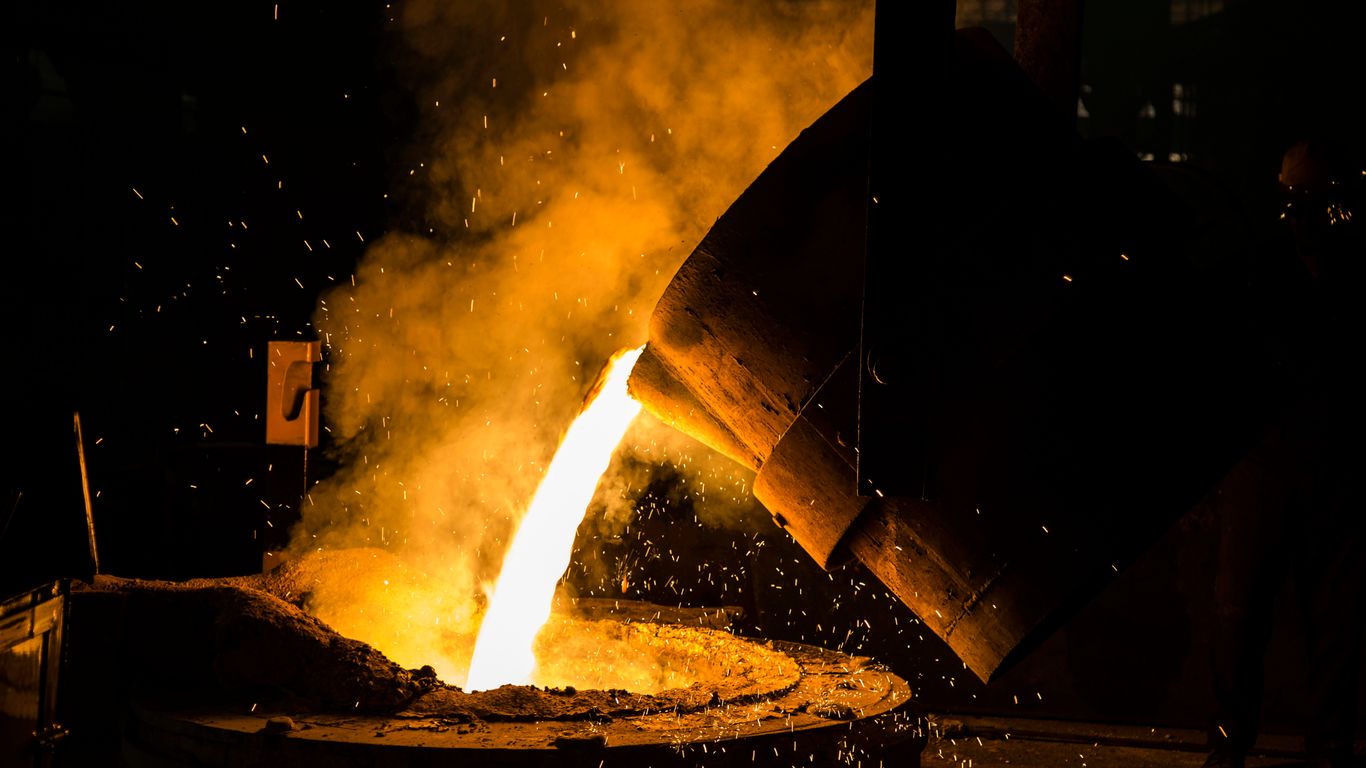
The world of additive manufacturing (AM) is really taking off, and a big part of that is the metal powder it uses. Think of it like the fuel for these 3D printers, but way more complex. The demand for these powders is growing super fast, which means more companies are jumping into making them and selling them. This is great because it means more choices for us, but it also makes things a bit tricky when you’re trying to figure out where to get your powder from.
The Growing Demand for Metal Powders
It feels like every day there’s a new company using metal AM for something cool, whether it’s making airplane parts, medical implants, or even custom car components. This surge in adoption means a huge jump in the need for the raw materials – the metal powders. We’re not just talking about a little increase; it’s a significant expansion. This means the companies that make these powders are busier than ever, and new ones are popping up to try and meet the demand. It’s a dynamic market, for sure.
Key Characteristics of AM Powders
Not all metal powders are created equal, especially when you’re using them for AM. The powders need to have specific traits to work well in these machines. Things like:
- Particle Size and Shape: The size of the powder grains and how round or irregular they are really matters. Too big or too clumpy, and your printer might jam or your parts won’t come out right.
- Flowability: How easily the powder spreads out in a thin, even layer is super important for building parts layer by layer. If it doesn’t flow well, you’ll get defects.
- Chemical Composition: The exact mix of metals and any other elements needs to be just right for the specific alloy you’re trying to print and for the part’s final properties.
- Purity: You don’t want any unwanted stuff mixed in, as it can mess with the printing process and the strength of the final part.
Getting these characteristics right is a big deal for powder producers.
Challenges in Powder Procurement
So, with all this growth and complexity, buying the right powder can be a headache. You’ve got a bunch of suppliers, each with their own strengths and weaknesses. Sometimes, the powder you need might be hard to find, or it could take a really long time to get. Plus, making sure the powder you buy today is exactly the same as the powder you bought last month is another thing to worry about. Consistency is king when you’re making critical parts. It’s a balancing act between finding a reliable source, getting the quality you need, and not spending a fortune. It’s not as simple as just ordering off a shelf, that’s for sure.
Powder Production Methods And Their Impact
So, how do we actually get these tiny metal particles that make 3D printing possible? It’s not like you can just mine them. The way metal powder is made has a big effect on its properties, and ultimately, on the parts you print. The most common way to make these powders is through atomization. This process basically involves breaking down a molten metal stream into tiny droplets, which then cool and solidify into powder particles.
Atomization Techniques Explained
There are a few ways to do this atomization thing. The big one is gas atomization. Think of it like spraying molten metal with high-pressure gas jets. This makes really fine, spherical powders, which are great for most additive manufacturing processes because they flow well and pack nicely. Then there’s water atomization. This uses water jets instead, and it tends to produce powders with a more irregular shape and a wider range of particle sizes. It’s often cheaper, though.
Here’s a quick look at the main types:
- Gas Atomization: Uses inert gases (like argon or nitrogen) to break up molten metal. Produces spherical powders, ideal for AM.
- Water Atomization: Uses high-pressure water jets. Generally less expensive, but results in irregular particle shapes.
- Centrifugal Atomization: Spins a molten metal rod or bath at high speed. Can create unique particle morphologies.
Alternative Powder Manufacturing Processes
While atomization is king, there are other methods too. Some processes don’t even melt the metal fully. For instance, there’s a ‘green’ manufacturing approach that involves sintering powdered feedstock to create a part before any secondary processing. This avoids fully melting the raw material, which can be better for the environment in some cases. Other methods might involve mechanical grinding or chemical processes, but these are less common for the high-performance powders needed in additive manufacturing today.
Quality Control in Powder Production
Making good powder isn’t just about the method; it’s about making sure it’s consistent. You’ve got to check a bunch of things:
- Particle Size Distribution: How big or small are the particles, and how many of each size are there? This affects how the powder flows and how dense the printed part can get.
- Particle Shape: Are they round and smooth, or jagged and clumpy? Rounder powders usually work better.
- Chemical Composition: Is the metal pure enough? Are there any unwanted elements that could mess up the final part?
- Flowability: How easily does the powder move? This is super important for the printing machines.
Getting these right is key to making sure your printed parts turn out the way you expect them to. It’s a whole science in itself, really, and a big part of why some powders cost more than others. If you’re looking into different manufacturing approaches, understanding these powder production details is a good place to start exploring the production and supply of metal powders for AM processes.
Navigating Powder Procurement Options
So, you’ve got your additive manufacturing machine humming, and you’re ready to start printing. But wait, what about the powder? It’s not as simple as just grabbing any old bag. There are a few main ways to get your hands on the metal powders you need, and each has its own quirks.
Sourcing from AM Equipment Manufacturers
This is often the most straightforward route, especially when you’re just starting out. The company that sold you your 3D printer usually has its own recommended powder suppliers, or even sells powders directly. It’s convenient because they’ve likely tested these powders with their machines, so compatibility issues are less common. Plus, you get a single point of contact for both your hardware and your materials.
- Pros: High compatibility, often good technical support, simplified purchasing.
- Cons: Can be more expensive, limited choice of powder types or manufacturers.
This is a good option if you prioritize ease of use and guaranteed compatibility over cost.
Engaging with Third-Party Suppliers
These are companies that specialize in supplying powders for additive manufacturing but don’t necessarily make the printers themselves. They often carry a wider range of materials from various producers. This can be a great way to find specific alloys or powder characteristics that the equipment manufacturer doesn’t offer. You might also find more competitive pricing here. It’s worth checking out suppliers in the additive manufacturing industry to see who’s out there.
- Pros: Wider selection of materials, potentially better pricing, access to specialized powders.
- Cons: Requires more research to ensure compatibility, may need to coordinate with your equipment manufacturer.
Direct Procurement from Atomizers
This is where you go straight to the source – the companies that actually make the metal powder through processes like atomization. This route usually involves larger quantities and is often more suited for established production environments rather than small-scale prototyping. Buying directly can sometimes offer the best price per kilogram, but it demands a deeper understanding of powder specifications and quality control.
- Pros: Potentially lowest cost for large volumes, direct relationship with the producer.
- Cons: Requires significant technical knowledge, minimum order quantities can be high, longer lead times are common.
Choosing the right procurement path really depends on your specific needs, budget, and how much effort you’re willing to put into managing your supply chain. It’s a balancing act, for sure.
Factors Influencing Powder Selection
Picking the right metal powder for your additive manufacturing project isn’t just a minor detail; it really matters. It’s like choosing the right ingredients for a recipe – the wrong ones can mess up the whole dish. Several things come into play when you’re deciding which powder to go with.
Application Requirements: Prototyping vs. Production
Think about what you’re actually trying to make. If you’re just whipping up a quick prototype to see if an idea works, you might not need the absolute highest-grade, most expensive powder. A more standard grade might be perfectly fine and save you some cash. But if you’re making parts that need to withstand serious stress, heat, or wear in a production environment, then you’ll want to look at powders specifically designed for those demanding applications. These often have tighter specifications for things like particle size distribution and purity. The intended use of the final part is a major driver in powder choice. For example, a part for a medical implant will have vastly different powder requirements than a bracket for a drone.
Cost-Benefit Analysis of Powder Choices
Let’s be real, cost is always a factor. Some powders are just more expensive than others, often due to the complexity of their manufacturing process or the rarity of the base materials. You’ve got to weigh that cost against the benefits. Will a slightly more expensive powder lead to a stronger, more reliable part? Will it reduce print failures, saving you time and material in the long run? Sometimes, spending a bit more upfront on a better powder can save you a lot down the line. It’s about finding that sweet spot where the performance you get justifies the price you pay. You can look at different powder grades and their typical costs:
| Powder Grade | Typical Cost per kg (USD) | Primary Use Case |
|---|---|---|
| Standard | $50 – $150 | Prototyping, general engineering |
| High Performance | $150 – $400 | Production, demanding applications |
| Specialty Alloys | $400+ | Niche, extreme environments |
Supplier Reliability and Lead Times
Even if you find the perfect powder at a great price, it’s no good if you can’t get it when you need it. Supplier reliability is huge. You want to work with companies that have a solid track record of delivering quality powder consistently. What happens if your supplier suddenly can’t meet demand, or the quality of their powder starts slipping? That can halt your entire production line. It’s also important to consider lead times – how long does it take from when you place an order to when you actually receive the powder? Long lead times can make it hard to manage your inventory and respond quickly to customer needs. Building good relationships with dependable suppliers is key to keeping your AM operations running smoothly. You might want to check out resources that discuss the production and supply of metal powders for AM processes exploring the production and supply.
Here are some things to think about when evaluating suppliers:
- Quality Control: Do they have robust testing procedures in place? What certifications do they hold?
- Consistency: Can they provide powder with a consistent particle size distribution and chemical composition batch after batch?
- Communication: Are they responsive to inquiries and transparent about their processes and potential delays?
- Scalability: Can they handle your needs as your production volume increases?
The Future Landscape Of Metal Powder Supply
The metal powder market for additive manufacturing (AM) is really heating up. We’re seeing a lot of new players jumping in, new ways to make powders, and more companies competing for business. This means more choices for folks buying powder, which can be a good thing, but also makes picking the right supplier a bit trickier. The global powder metallurgy market is expected to keep growing, showing just how important this area is becoming.
Emerging Powder Technologies
It’s not just about making more of the same powders. Companies are working on some pretty cool new stuff. Think about powders with special properties, like improved flow or better performance in specific applications. We’re also seeing a push towards powders made using less energy or from recycled materials.
- Tailored Particle Morphology: Powders designed with specific shapes and sizes to optimize printing processes and part properties.
- Advanced Alloy Development: New metal alloys created specifically for AM, offering unique mechanical or chemical characteristics.
- Sustainable Production Methods: Innovations in atomization and processing that reduce environmental impact and energy consumption.
Market Trends and Increased Competition
As more industries adopt AM, the demand for metal powders is going to keep climbing. This growth is attracting new companies, from established chemical giants to specialized startups. This increased competition should, in theory, lead to better prices and more innovation. It’s a dynamic situation, and keeping an eye on who’s doing what is key. The market is projected to reach over US$ 10.2 billion by 2033, which is a pretty big number.
Sustainability in Powder Manufacturing
There’s a growing focus on making powder production greener. This involves looking at the entire lifecycle, from sourcing raw materials to the energy used in manufacturing.
- Reducing Energy Consumption: Developing more efficient atomization and processing techniques.
- Utilizing Recycled Materials: Finding ways to effectively use recycled metals in powder production without sacrificing quality.
- Minimizing Waste: Improving processes to reduce scrap and byproducts during powder manufacturing.
The drive towards more sustainable practices is becoming a significant factor in powder selection and supplier choice. This shift reflects a broader industry trend towards environmental responsibility. It’s not just about the powder itself anymore; it’s about how it’s made and its overall impact. Exploring the production of metal powders is a good place to start understanding these changes.
Wrapping It Up
So, we’ve taken a look at the whole process of getting metal powders for 3D printing. It’s a pretty complex area, with lots of different ways to get your hands on the materials you need. Whether you’re buying from the machine maker, a separate supplier, or even going straight to the folks who make the powder, each option has its own good and bad points. What works best really depends on what you’re trying to do with your 3D printer – is it for testing ideas, making quick prototypes, or getting ready for full-on production? The world of metal powder for additive manufacturing is growing fast, and understanding these supply chain options is key to making smart choices as things keep changing.