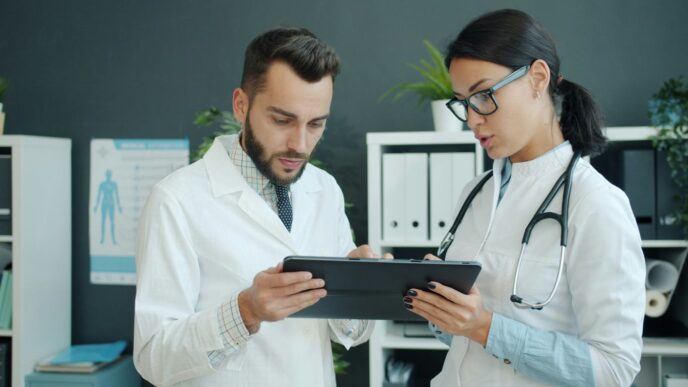
It feels like healthcare is changing super fast these days, doesn’t it? New gadgets and ways of doing things are popping up all the time. We’re talking about everything from smart watches that keep an eye on your heart to doctors using computers to figure out what’s wrong faster. But at the end of the day, what really matters is how all this tech and new thinking helps people get better and feel more in control of their own health. It’s all about making sure that the patient is truly at the heart of health care.
Key Takeaways
- New tech like AI is helping doctors catch problems earlier and find better ways to treat them.
- Being able to see your doctor or get checked on from home using telemedicine makes healthcare easier to get, especially if you live far away.
- Wearable devices let you keep tabs on your own health, making you a more active part of staying well.
- Having your health information easily available and being able to manage appointments online puts more power in your hands.
- Healthcare is moving towards looking at the whole person, including mental and social well-being, not just physical symptoms.
Innovations Revolutionizing The Heart Of Health Care
It feels like every day there’s some new gadget or software promising to make healthcare better, and honestly, a lot of it actually is. We’re seeing some pretty big shifts that are changing how doctors work and how we experience getting care. It’s not just about new medicines anymore; it’s about smart technology making things more accurate and easier to get to.
Artificial Intelligence for Enhanced Diagnostics and Treatment
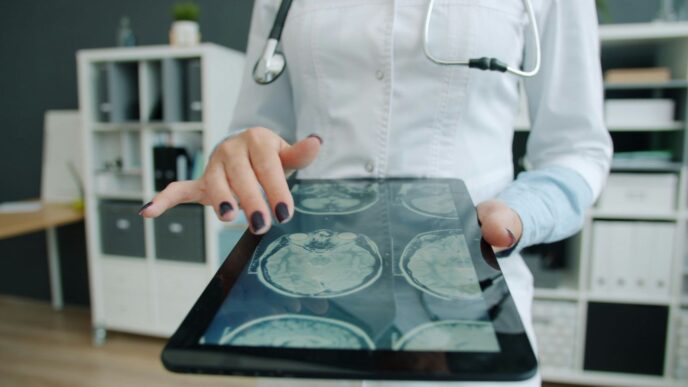
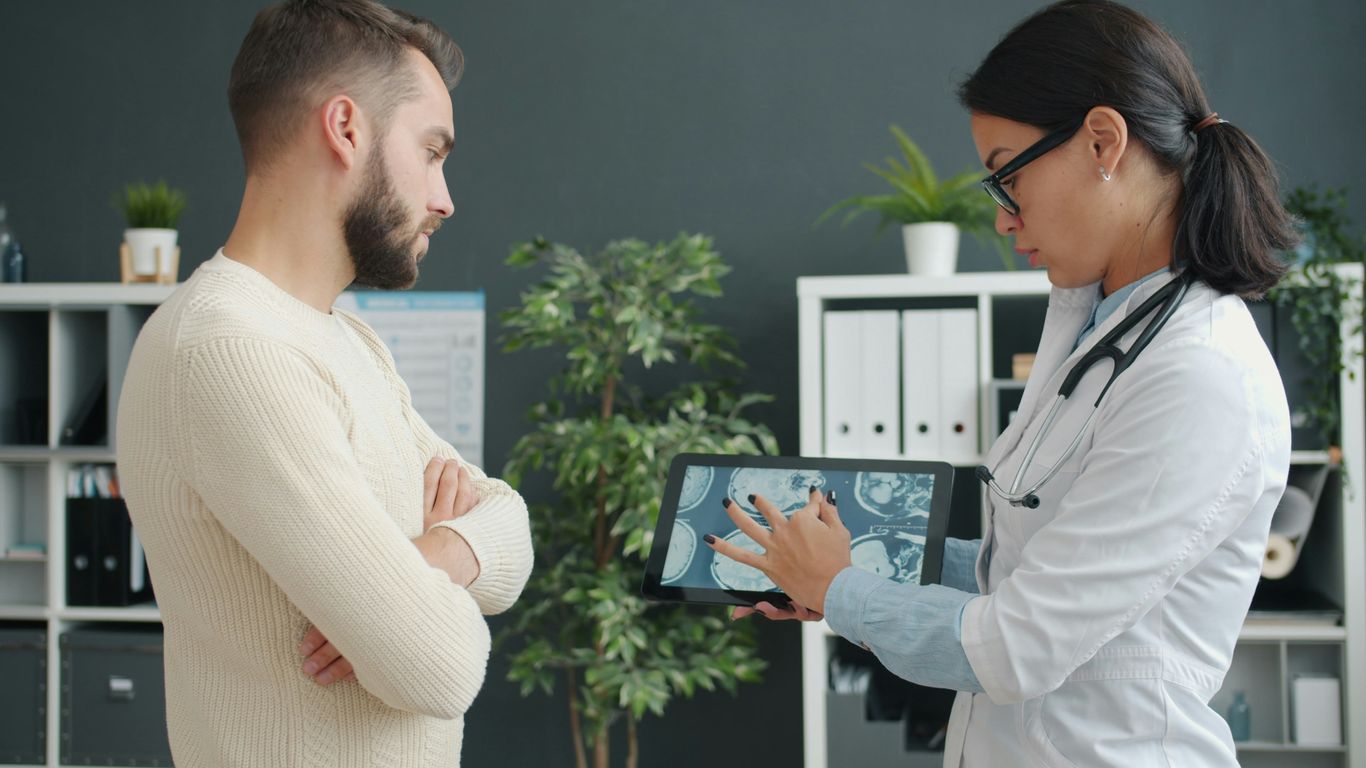
Artificial intelligence, or AI, is really starting to make its mark. Think of it like a super-smart assistant for doctors. AI can look at scans, like X-rays or MRIs, and spot things that might be hard for the human eye to catch, especially in the early stages of a disease. This means problems can be found sooner, which usually leads to better outcomes. It’s also helping figure out the best treatment plan for each person. Instead of a one-size-fits-all approach, AI can look at a patient’s specific details and suggest therapies that are most likely to work for them. This is a big deal because it cuts down on treatments that don’t help and gets people on the right track faster.
Telemedicine and Remote Monitoring for Accessibility
Remember when you had to drive to the doctor for every little thing? Telemedicine is changing that. Now, you can have a video call with your doctor from your own home. This is a lifesaver for people who live far away from clinics or have trouble getting around. It makes healthcare much more accessible. Plus, there are devices that let doctors keep an eye on patients from afar. Things like blood pressure cuffs or glucose monitors can send readings straight to the doctor’s office. This means they can catch problems before they get serious, without the patient needing to be physically present.
Wearable Technology for Active Health Management
We’ve all seen people wearing smartwatches or fitness trackers. These aren’t just for counting steps anymore. These wearable devices are collecting a lot of information about our bodies – heart rate, sleep patterns, activity levels, and more. This constant stream of data gives us a clearer picture of our own health. It’s not just about tracking; it’s about using that information to make better choices every day. For example, seeing your sleep data might encourage you to go to bed earlier, or noticing your heart rate is consistently high might prompt you to talk to your doctor. It puts more of the day-to-day health management right into our hands.
Patient Empowerment Through Digital Transformation
It feels like just yesterday we were filling out stacks of paper forms at the doctor’s office, right? Now, things are changing, and a lot of that has to do with digital tools. These changes are putting more control back into the hands of patients.
Electronic Health Records and Data Accessibility
Remember when your medical history was scattered across different clinics, and you had to chase down records yourself? That’s changing thanks to Electronic Health Records (EHRs). These digital files keep all your health information in one place. Think of it like a central hub for your medical story. This makes it way easier for doctors to see the whole picture, which can lead to better decisions about your care. Plus, with more access to your own data, you can start to understand your health trends better.
Patient Portals and Self-Service Options
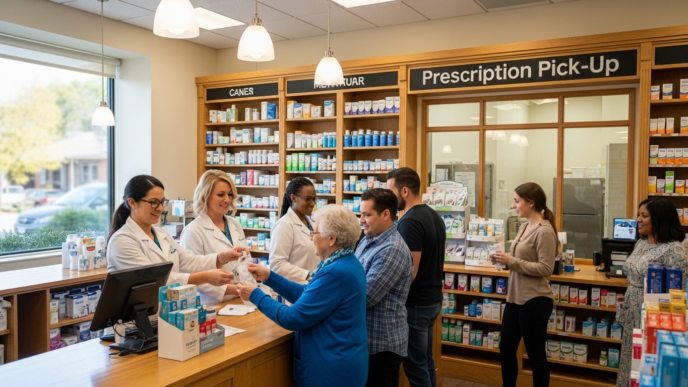
Many healthcare providers now have online portals. These are like your personal dashboard for health. You can often schedule appointments, view test results, request prescription refills, and even pay bills, all without picking up the phone. It cuts down on waiting times and makes managing your health appointments a lot less of a hassle. It’s about making things convenient so you can focus on getting better.
Empowering Patients in Health Decisions
With easier access to information and more tools at their disposal, patients are becoming more active partners in their healthcare. It’s not just about showing up and doing what you’re told anymore. You can research conditions, understand treatment options, and have more informed conversations with your doctor. This shift means patients can make choices that align better with their personal values and lifestyles. It’s a move towards care that truly fits you.
Holistic Approaches Redefining Patient Well-being
It’s not just about fixing what’s broken anymore, you know? Healthcare is starting to look at the whole picture, which is pretty great. We’re talking about looking beyond just the physical symptoms and really considering how someone’s mental state and their life circumstances play a role in their health. It’s like realizing that a person isn’t just a collection of body parts that need repair; they’re a whole person with feelings and a life outside the doctor’s office.
Integrating Mental Health Screenings
This is a big one. Mental health screenings are becoming a regular part of check-ups, which is a smart move. It makes it way easier for people to talk about what’s going on in their heads without feeling like it’s a separate, awkward thing. Think about it: instead of having to make a whole separate appointment, it’s just part of your routine visit. This helps catch issues early, before they become bigger problems. Some places are even using private digital tools for these screenings, which can make people feel more comfortable opening up.
Addressing Social and Behavioral Health Factors
Beyond mental health, providers are also starting to pay attention to things like where someone lives, their job, and their daily habits. These ‘social determinants of health’ can really impact well-being. For example, if someone doesn’t have reliable transportation, getting to appointments or picking up prescriptions becomes a huge hurdle. Or if they’re dealing with a lot of stress at home, that can affect their physical health too. Recognizing these outside influences is key to providing care that actually works for real people.
Cultivating Empathy in Patient Interactions
This is about the human touch. Hospitals and clinics are training their staff to be more empathetic, to really listen, and to anticipate what patients might need. It’s about making sure that when you’re feeling vulnerable, the people caring for you are kind and understanding. It’s not just about the medical knowledge, but about how you’re treated as a person. This kind of care can make a huge difference in how someone feels about their entire health experience, turning a potentially stressful situation into one where you feel supported.
The Future of Patient-Centric Health Care
So, what’s next for how we experience healthcare? It’s all about making things simpler and more about you. The big goal is to cut down on all the confusing bits and make sure you feel like your needs are front and center. Think of it like this: healthcare shouldn’t feel like a second job you have to manage on top of everything else.
Streamlining the Patient Journey
Imagine booking an appointment, getting your test results, and paying your bill all through one easy-to-use app. That’s the direction we’re heading. Hospitals are starting to put all the scheduling, billing, and medical records into one system. This means less jumping between different websites or phone calls. It’s about making the whole process smoother, from the moment you think about seeing a doctor to after your visit.
- Easier Appointment Scheduling: Online portals and apps where you can pick your own time slots.
- Clearer Billing: Upfront information about costs so there are no surprises.
- Connected Records: Your doctor having all your information readily available, no matter where you were seen.
Reducing Complexity in Care Delivery
Healthcare can sometimes feel like a maze, right? The future aims to untangle that. It’s about making sure the system works for you, not the other way around. This involves using technology to connect different parts of your care so that everyone involved is on the same page. It also means making information about your health and treatment options easier to understand.
Personalization at the Core of Health
This is where things get really interesting. Instead of a one-size-fits-all approach, care is becoming tailored to each person. This means looking at your unique health history, your lifestyle, and even your genes to figure out the best way to keep you healthy or treat you if you’re sick. The aim is to move from treating diseases to promoting individual well-being.
- Custom Treatment Plans: Based on your specific health data and needs.
- Proactive Health: Using data to predict potential issues before they become serious.
- Patient Input: You’ll have more say in the decisions about your care.
Advancements in Medical Technology and Procedures
It feels like every day there’s some new gadget or technique coming out that promises to change how we do medicine. And honestly, a lot of it actually does. We’re seeing some pretty wild stuff that’s making a real difference for people.
3D Printing for Custom Prosthetics and Models
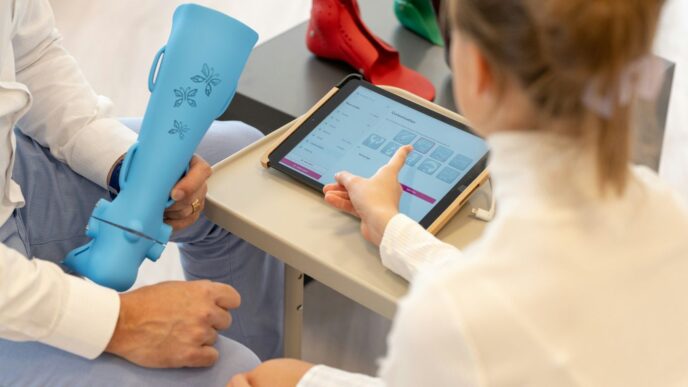
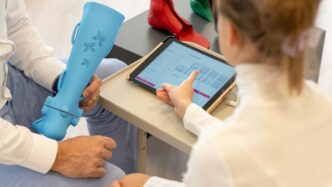
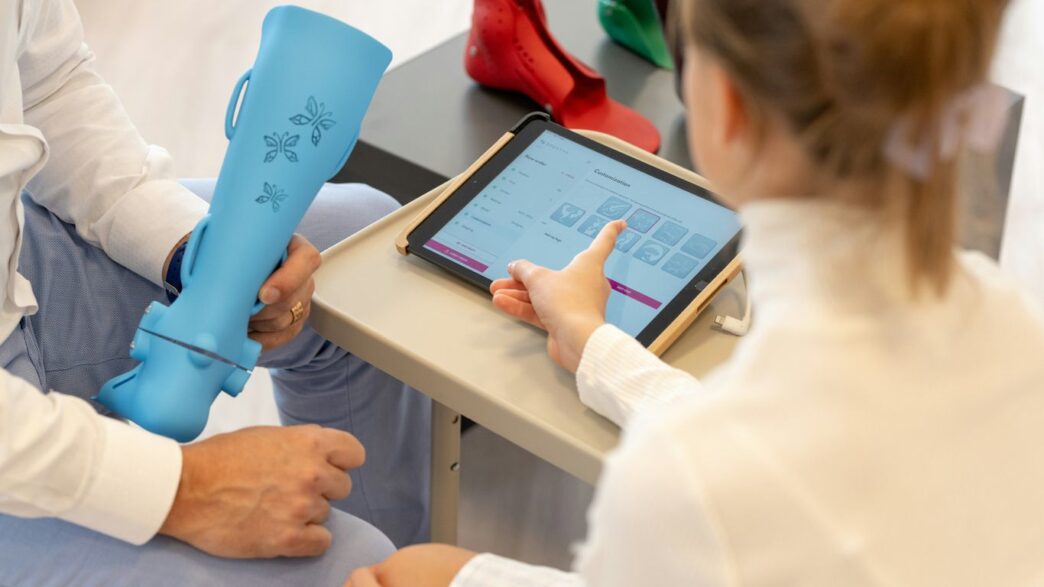
Remember when getting a prosthetic limb was a huge, drawn-out process? Well, 3D printing has really shaken things up. It means we can create custom-fit prosthetic limbs that are not only more comfortable but also work a lot better. Think about someone who lost a limb – this can seriously improve their daily life. It’s not just for limbs, either. Doctors are using 3D printing to make realistic models of bones and organs. These models are super helpful for surgeons planning complex operations. They can practice on the model beforehand, which can lead to smoother surgeries and better outcomes. It’s like having a practice run before the main event.
Life Sciences Innovations for Timely Intervention
This is where things get really interesting, especially when it comes to catching problems early. Innovations in the life sciences are making it possible to spot diseases sooner than ever before. This early detection is a game-changer because it often means we can treat conditions before they become serious or complicated. For example, new ways to find tiny amounts of cancer cells in the blood can help with secondary prevention. It’s all about getting ahead of the curve. Think about how much better it is to catch something early rather than dealing with it when it’s already advanced. This proactive approach is helping people live longer, healthier lives.
Precision Medicine and Personalized Treatments
We’re moving away from one-size-fits-all medicine. Precision medicine is all about tailoring treatments to the individual. This often involves looking at a person’s unique genetic makeup, lifestyle, and environment. For instance, in cancer care, advances in understanding cancer genetics are leading to more personalized screening and treatment plans. Instead of a standard chemotherapy regimen for everyone, treatments can be chosen based on the specific genetic mutations driving a patient’s cancer. This means treatments are more likely to work and have fewer side effects. It’s a big shift towards making healthcare truly about the individual patient.
Looking Ahead: A Healthier Path for Everyone
So, what does all this mean for us? Basically, healthcare is getting smarter and more personal. From AI helping doctors spot problems early to apps letting us track our own health, things are changing fast. It’s not just about fixing us when we’re sick anymore; it’s about keeping us well and making sure everyone gets good care, no matter where they live. The goal is to make the whole process less confusing and more about you. It’s a big shift, but it feels like we’re moving towards a future where healthcare truly puts people first, making it easier to get the help we need and live better lives.