
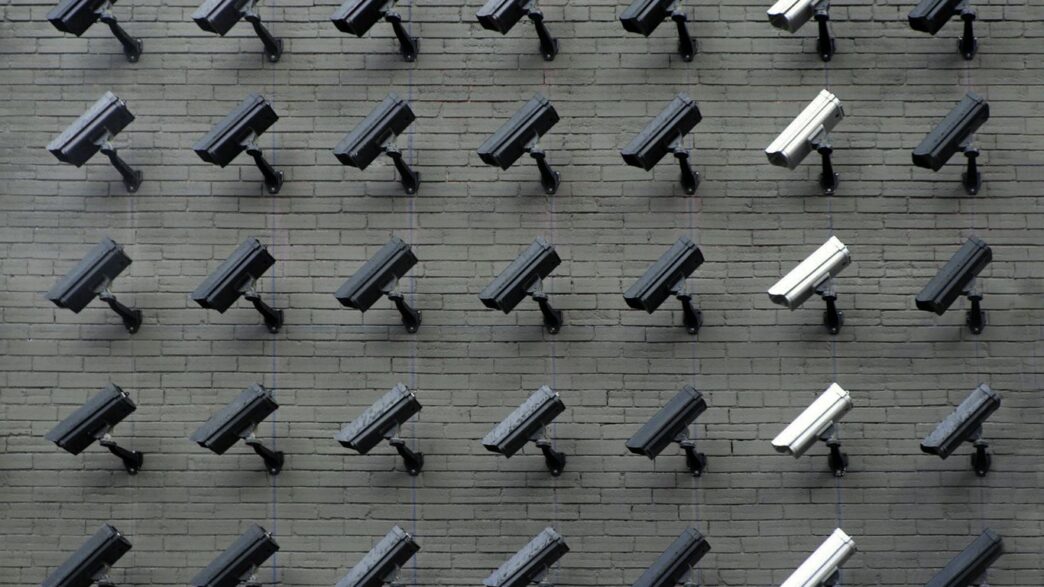
So, what is privacy in this wild digital world we live in? It’s a question that pops up more and more, and honestly, it’s not always easy to pin down. Basically, it’s about having a say in what personal stuff gets collected about you online and how it’s used. With our lives so tied up in apps, websites, and all that jazz, keeping a handle on our digital privacy has become a pretty big deal. It’s more than just keeping secrets; it’s about control.
Key Takeaways
- Digital privacy means controlling your personal information online – who gets it and what they do with it.
- The idea of privacy has changed a lot as technology has advanced, making it more complicated.
- Many things make it hard to keep your digital privacy, like hidden data collection and not knowing how to protect yourself.
- Your personal info is valuable, and its misuse can lead to serious problems like identity theft.
- Staying private online involves being aware, giving clear consent, and using tools to protect your data.
Understanding What Is Privacy In The Digital Age
So, what exactly is privacy when we’re all living so much of our lives online? It’s a question that’s become super important, right? Basically, digital privacy is about having a say in how your personal information gets collected, used, and shared when you’re using the internet or digital devices. Think about it – everything from what you search for to where you go, and even who you talk to online, can leave a digital trail. This ability to control that trail is what we mean by digital privacy.
Defining Digital Privacy
At its core, digital privacy is your right to keep certain information about yourself private in the digital world. It’s not just about hiding things from everyone; it’s about having the power to decide who sees what and when. This covers a few different areas:
- Information Privacy: This is about protecting the personal data that companies or services collect about you. Like your name, address, or even your shopping habits.
- Communication Privacy: This means keeping your conversations private. So, your emails, direct messages, or video calls shouldn’t be read or listened to by unauthorized people.
- Individual Privacy: This is a bit broader, covering your online identity and how you present yourself. It’s about not being unfairly tracked or profiled based on your online activities.
The Evolving Nature Of Privacy
Privacy wasn’t always this complicated. Back in the day, privacy was mostly about keeping your physical space and personal belongings secure. But with technology advancing so quickly, the whole concept has changed. It’s not just about physical boundaries anymore; it’s about digital ones. Every app you download, every website you visit, and every smart device you own can potentially collect information about you. This makes privacy a much more complex issue than it used to be.
Why Digital Privacy Matters
Okay, so why should you even care about all this? Well, for starters, it gives you control. You get to decide what parts of your life you share online. Plus, it helps protect you from bad stuff. Think about identity theft or scams – strong digital privacy practices can make it harder for criminals to get the information they need. It also plays a role in keeping society fair. If everyone’s data is constantly being watched and analyzed without their knowledge, it can lead to unfair treatment or even limit free speech. It’s about having the freedom to live your life without constant, unwanted observation.
Key Facets Of Digital Privacy
When we talk about privacy online, it’s not just one big thing. It’s actually a few different parts that all work together, or sometimes against each other. Understanding these pieces helps us see what we’re really trying to protect.
Information Privacy And Control
This is probably what most people think of first. It’s about having a say in what personal information gets collected about you, how it’s used, and who gets to see it. Think about your name, your address, your birthday, or even just what you’ve been searching for online. The goal here is to give individuals the power to manage their digital footprint. It’s like deciding who you want to invite into your house and what they can do once they’re inside. Without control, our information can be used in ways we never agreed to, like for targeted ads that feel a little too personal or, worse, for things like identity theft.
Communication Privacy Safeguards
This facet focuses on keeping your conversations private. When you send an email, a text message, or use a messaging app, you expect that conversation to stay between you and the person you’re talking to. This part of privacy is about making sure that your messages aren’t being read by others without your permission, whether that’s a company, a government agency, or just some random hacker. It involves things like encryption, which scrambles your messages so only the intended recipient can read them. It’s about having a private space to talk without feeling like someone’s always listening in.
Individual Privacy Online
This is a broader idea that covers how you behave and what you do when you’re online. It’s about your freedom to explore the internet, express yourself, and engage with others without constant worry about being watched or judged. This includes things like your browsing history, your social media activity, and even your location data. It’s about maintaining a sense of personal space and autonomy in the digital world. When this is compromised, it can lead to a chilling effect, where people are afraid to say or do certain things online for fear of repercussions. It’s about being able to be yourself, or at least a version of yourself you’re comfortable with, without undue scrutiny.
Challenges To Maintaining Digital Privacy
It feels like every time you turn around online, something new pops up that makes keeping your personal stuff private a real headache. It’s not just one big thing; it’s a bunch of little things that add up, and honestly, it can be pretty overwhelming.
Hidden Data Collection Methods
So, you’re just browsing the web, right? You click on a link, maybe read an article, or check out a product. What you might not realize is that all this time, invisible little trackers are busy collecting information about what you’re doing. Think of cookies, tiny bits of code that websites put on your computer. They remember your preferences, sure, but they also track your movements across different sites. Then there are things like web beacons, which are even sneakier, often used in emails or on pages to see if you’ve opened something or visited a specific spot. It’s like having a digital footprint that’s constantly being monitored, and often, you don’t even know it’s happening. This lack of transparency about what data is being gathered and why is a huge hurdle. It’s hard to protect something when you don’t know it’s being taken.
Controlling Data Distribution Online
Once your information is out there, getting it back or controlling where it goes is like trying to catch smoke. You might share something on social media, thinking it’s just with your friends. But then, that platform might share it with advertisers, or worse, it could be part of a data breach. Even if you delete a post, is it truly gone? Often, copies exist on servers you can’t access. Trying to manage all these different places your data might end up, and then trying to get companies to remove it, is a monumental task. It requires constant vigilance and often a deep dive into privacy policies that are written in a language only lawyers seem to understand.
Lack Of Knowledge And Tools
Let’s be honest, most of us aren’t tech wizards. We use our devices and the internet for everyday things – work, staying in touch, entertainment. We don’t always have the time or the inclination to become experts in cybersecurity or privacy settings. This knowledge gap is a big problem. Many people don’t know what the risks are, or they don’t know about the tools available to help protect themselves. Even when tools exist, like strong passwords or two-factor authentication, remembering to use them consistently or understanding how to set them up can be a barrier. It feels like you’re fighting an uphill battle without the right equipment or a clear map.
The Economic And Societal Impact Of Privacy
It’s easy to think of privacy as just a personal thing, like keeping your diary locked. But in today’s world, it’s got a whole economic and societal side to it that’s pretty significant. Our personal information has become a kind of commodity, something businesses want and use.
Think about it: when you use a free app or a social media site, you’re often paying with your data. Companies collect this information to understand what you like, what you buy, and how you behave online. This helps them target ads and develop new products. It’s a massive industry, and the value of personal data is constantly growing as data analysis gets more sophisticated. This can be good for businesses, helping them connect with customers better, but it also means our information is out there, being bought and sold.
This leads to some real risks. When data isn’t handled carefully, it can be misused. We’ve seen cases of identity theft and financial fraud, and that’s just the tip of the iceberg. There’s also the concern about unauthorized surveillance, where our online activities are monitored without our knowledge. This can chill free speech and make people hesitant to express themselves online. A literature review indicates that negative externalities could lead to a long-term GDP reduction of 2 to 3 percentage points [fb7c].
So, what does this mean for society?
- Personal Information as a Commodity: Your data is valuable. Businesses use it for marketing, product development, and more.
- Risks of Unauthorized Data Use: This includes identity theft, financial fraud, and unwanted surveillance.
- Privacy’s Role in a Free Society: When people feel their privacy is protected, they are more likely to share ideas and participate in public discourse without fear.
It’s a balancing act. We get a lot of convenience and free services from the digital world, but we need to be aware of the trade-offs. Understanding how our data is used and protected is key to maintaining both individual freedoms and a healthy society.
Navigating Privacy In A Connected World
It feels like we’re all plugged into something all the time these days, right? With so much of our lives happening online, figuring out how to keep our personal stuff private can feel like a real puzzle. It’s not just about hiding things; it’s about having some say over what information gets out there and who sees it. This is where understanding user consent and transparency really comes into play.
Think about it: when you sign up for a new app or website, how often do you actually read the privacy policy? Most of us probably just click ‘agree’ to get to the good stuff. But those policies are where companies explain how they plan to use your data. When companies are upfront about what they’re collecting and why, it makes it a lot easier for us to make informed choices. It’s like being given a clear menu at a restaurant instead of just getting whatever they feel like serving.
Building trust with how companies handle our data is a big deal. If a company is open about its data practices and takes steps to protect our information, we’re more likely to feel comfortable using their services. This isn’t just about avoiding trouble; it’s about creating a relationship where we feel respected.
So, what can we actually do? Here are a few things to keep in mind:
- Be mindful of what you share: The less personal information you put out there, the less there is to be collected or misused. This applies to social media, online forms, and even casual conversations.
- Look for clear privacy settings: Most platforms have settings that let you control who sees your posts or how your data is used. Take a few minutes to explore these.
- Support companies that prioritize privacy: When you have a choice, opt for services that are known for their strong privacy policies and practices.
- Stay informed: Keep an eye on news about data breaches or changes in privacy laws. Knowing what’s happening helps you protect yourself better.
It’s a constant effort, but by being a bit more aware and proactive, we can all do a better job of protecting our digital selves in this always-on world.
The Future Of Digital Privacy
So, what’s next for digital privacy? It’s a question on a lot of people’s minds, and honestly, it’s not a simple one to answer. Technology keeps marching forward, and with it, new ways to collect and use our information pop up all the time. Think about things like Artificial Intelligence (AI) and the Internet of Things (IoT) – these are already changing how we interact with the digital world, and they bring their own set of privacy puzzles.
Intersection Of Cybersecurity And Data Protection
Cybersecurity and data protection are getting more and more tangled together. As more of our lives move online, the risks of things like malware, ransomware, and phishing attacks grow. These aren’t just abstract threats; they can lead to massive identity theft and breaches. For instance, in 2024, a mistake by a background check company exposed millions of U.S. citizens’ records. It really makes you think about how our personal details are being handled and protected. We need to see cybersecurity and data protection as two sides of the same coin, working together to keep our information safe.
Evolving Legal And Technological Landscapes
Laws are trying to keep up, but it’s a constant race. We’ve seen big changes like GDPR in Europe, and more are likely coming. The legal landscape surrounding data is changing fast, especially with AI and how data moves across borders. Businesses are going to have to stay on their toes to understand all these new rules. It’s not just about the laws, though. New technologies are always being developed, and they can either help or hurt our privacy. It’s a complex dance between innovation and regulation, and figuring out the right balance is key. You can find more information on how these laws are developing at data law changes.
Collective Implications Of Digital Privacy
It’s not just about individual privacy anymore. We also need to think about the bigger picture – the collective implications. When large amounts of data are collected and analyzed, it can affect groups of people in ways we might not even realize yet. This is especially true with emerging tech. Understanding how personal data is managed and protected requires looking at it from different angles: legal, technological, and social. It’s about more than just protecting ourselves; it’s about shaping a digital future where privacy is respected for everyone. Staying informed about privacy best practices and understanding the privacy settings on the services we use are good first steps for everyone.
So, What’s the Takeaway?
Look, figuring out privacy in this digital world isn’t exactly a walk in the park. It’s more like a constant balancing act. We want the convenience of online life, but we also don’t want our personal stuff floating around for anyone to grab. Companies are collecting data like crazy, and while sometimes it helps them make things better for us, other times it feels like we’re losing control. Laws are trying to catch up, but technology moves so fast. The best we can do is stay aware, take small steps to protect ourselves, and remember that our information has value. It’s a work in progress, for sure.
Frequently Asked Questions
What exactly is digital privacy?
Digital privacy is like having control over your personal stuff when you’re online. It means deciding who gets to see, collect, and use your information, like your name, where you are, or what you like. Think of it as your personal space on the internet.
Why should I care about my digital privacy?
It’s super important because your information can be used in ways you don’t want. Without privacy, others could steal your identity, trick you out of money, or watch everything you do online. It also helps keep our society free and open by preventing too much spying.
How has privacy changed with technology?
Privacy used to be simpler. Now, with so many apps, websites, and devices, it’s easier for companies and others to collect lots of information about us without us even realizing it. This makes privacy a much bigger and trickier topic than it used to be.
What are the biggest problems with keeping my privacy online?
One big problem is that companies often collect data in sneaky ways, so you don’t know what they have. It’s also really hard to stop your information from spreading all over the internet once it’s out there. Plus, many people don’t know the tools or tricks to protect themselves.
Is my personal information like money to companies?
Yes, in a way! Companies can make a lot of money by collecting and using your information to show you ads or improve their services. But when this information is used without your permission, it can cause big problems for you, like identity theft.
What can I do to protect my privacy better?
You can be more aware of what you share online. Read privacy policies (even though they’re long!), choose apps and services that are clear about how they use your data, and use privacy tools like strong passwords and privacy settings. Being active about your privacy makes a big difference.