
Thinking about our planet’s future means we have to talk about energy. It’s not just about keeping the lights on; it’s about how we power our lives in a way that doesn’t mess things up for the folks who come after us. This is where energy policy comes in. It’s the set of rules and plans that guide how we make, use, and think about energy. Without good policy, we’re basically just guessing, and that’s not going to cut it for a sustainable future. So, why is energy policy important? Let’s break it down.
Key Takeaways
- Energy policy is vital for steering our move away from fossil fuels towards cleaner, sustainable energy sources. It helps fix problems the market can’t solve on its own, like pollution costs.
- Government rules and support can make clean energy more competitive with old, established energy sources, encouraging new ideas and technologies.
- Good policy plans for a fair shift, making sure no one gets left behind, especially workers and communities that rely on older energy jobs.
- Policy helps update our power grids to handle more renewable energy and supports new technologies like energy storage, making our energy system more reliable.
- Making energy accessible and affordable for everyone, especially those who need it most, is a key goal that good energy policy aims to achieve.
Understanding Why Energy Policy Is Important
Look, the way we get and use energy touches pretty much everything. It powers our homes, our cars, our industries. But the way we’ve been doing it for a long time, mostly with fossil fuels, is causing some serious problems. That’s where energy policy comes in. It’s not just some abstract government thing; it’s about making smart choices now so we have a livable planet later. Without good policy, we’re basically just letting things happen, and that’s a recipe for disaster.
Addressing Market Failures and Externalities
Sometimes, the market just doesn’t work perfectly on its own, especially when it comes to energy. Think about pollution from a power plant. The cost of that pollution – the dirty air, the health problems – isn’t usually paid by the company making the electricity. It’s paid by all of us, and by the environment. These are called externalities, and they’re a big reason why we need policy. Policy can step in to make sure those costs are accounted for, pushing companies to be cleaner. It’s about making sure the price of energy reflects its true cost to society and the planet.
Here are a few ways policy helps fix these market hiccups:
- Putting a price on pollution: Things like carbon taxes or cap-and-trade systems make it more expensive to emit greenhouse gases, encouraging cleaner alternatives.
- Setting rules for pollution: Regulations can limit the amount of harmful stuff power plants can release, directly protecting air and water quality.
- Requiring cleaner energy: Policies can mandate that a certain percentage of electricity comes from renewable sources, creating demand for clean tech.
Leveling the Playing Field for Clean Energy
For decades, the energy system has been built around fossil fuels. There are huge existing infrastructures and established players. New clean energy technologies, like solar and wind, often struggle to compete because they’re starting from scratch. They might have higher upfront costs or face other hurdles. Energy policy can help even things out. It can provide support to help these newer technologies get off the ground and become competitive. This isn’t about picking winners unfairly; it’s about correcting a historical imbalance and giving cleaner options a fair shot.
Accelerating the Shift to Sustainable Sources
We know we need to move away from fossil fuels, and we need to do it faster than the market might naturally allow. Policy can speed this up. By setting clear goals, offering incentives for renewable energy development, and investing in research and development, governments can significantly accelerate the transition to sustainable energy sources. This isn’t just about environmental benefits; it’s also about economic opportunity and energy security for the future.
The Role of Policy in Driving the Energy Transition
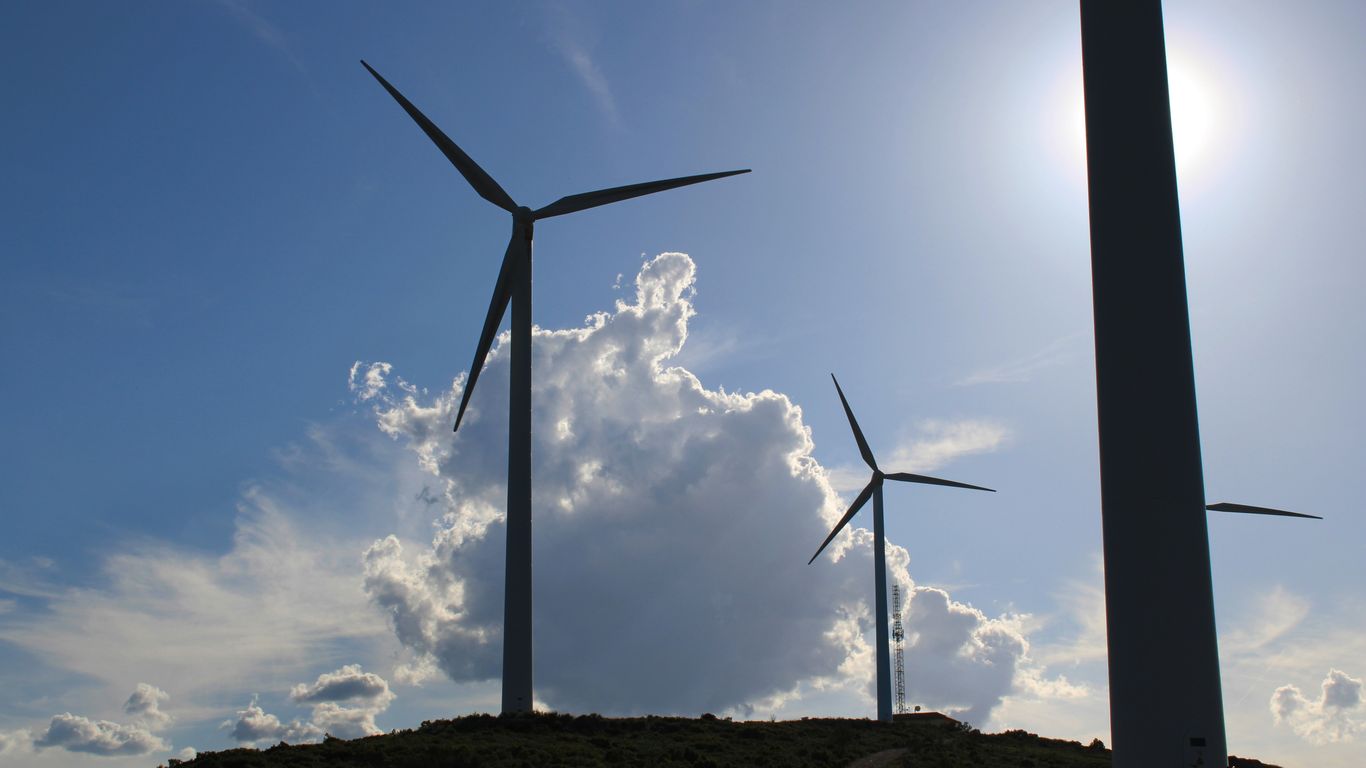
Look, the shift to cleaner energy isn’t just going to magically happen. The market, left to its own devices, tends to stick with what it knows – and right now, that’s mostly fossil fuels. Think about it: decades of investment, established infrastructure, and policies that have, frankly, made them seem cheaper than they really are. Renewable energy sources, even though they’re getting better and cheaper all the time, often start at a disadvantage. That’s where policy steps in. It’s the nudge, the push, the guiding hand that helps level the playing field.
Shaping Markets and Encouraging Innovation
Policy is like the architect of the energy future. It can design the rules of the game to favor cleaner options. For instance, setting targets for how much electricity has to come from renewable sources, like solar or wind, creates a guaranteed demand. This certainty encourages companies to invest in new technologies and build more renewable projects. It’s not just about telling people what to do; it’s about creating an environment where innovation in clean energy can actually take root and grow. Without these policy signals, the risk for new technologies can seem too high, and businesses might just stick with the old, familiar ways.
Ensuring a Just and Equitable Transition
This whole energy shift needs to work for everyone, not just a select few. Policy has a big job here. It means thinking about the workers in industries that are changing, making sure they have opportunities in the new economy. It also means looking out for communities that might be disproportionately affected, perhaps by higher energy costs or by the closure of old facilities. A truly sustainable future has to be one where nobody gets left behind. This involves things like job retraining programs, support for local economies, and making sure that the benefits of clean energy – like cleaner air and lower bills – are shared widely.
Overcoming Technological and Economic Barriers
Let’s be real, building new energy systems isn’t cheap or easy. Renewable projects often have high upfront costs, and integrating them into our existing power grids can be complicated. Policy can help bridge these gaps. Financial incentives, like tax credits or grants, can make those initial investments more manageable. Regulations can also help streamline the process for building new clean energy infrastructure, cutting through red tape. Furthermore, policies that support research and development can help drive down the costs of new technologies even further, making them more competitive and accessible over time.
Key Policy Mechanisms for a Sustainable Future
So, how do we actually make this whole clean energy thing happen? It’s not just about wishing for it. Governments and organizations have a bunch of tools they can use to nudge things in the right direction. Think of it like building a house – you need the right tools for the job.
Implementing Carbon Pricing and Incentives
One of the big ideas is making pollution cost money. This is often done through something called carbon pricing. Basically, you either put a tax on carbon emissions (like a fee for every ton of CO2 you release) or you set up a system where companies have a limit on how much they can pollute, and they can buy or sell permits to do so. This makes dirty energy more expensive, which naturally makes cleaner options look more appealing. It’s a way to get the market to do some of the heavy lifting. On the flip side, there are also incentives. These are like rewards for going green. Governments can offer tax credits, grants, or special payment rates (called feed-in tariffs) for renewable energy projects. This helps lower the initial cost of setting up solar farms or wind turbines, making them easier to get off the ground.
Setting Renewable Energy Standards
Another common policy is setting Renewable Energy Standards (RES). This is pretty straightforward: it requires utility companies to get a certain percentage of their electricity from renewable sources, like solar and wind, by a specific date. So, if a state says utilities need to get 30% of their power from renewables by 2030, that creates a guaranteed market for clean energy. Utilities know they have to buy it, so developers are more likely to build new renewable projects. It’s a way to force the issue a bit and make sure clean energy gets a fair shake.
Enhancing Energy Efficiency Standards
We also need to think about using less energy in the first place. That’s where energy efficiency standards come in. These are rules that set minimum performance levels for things like appliances, light bulbs, buildings, and even cars. For example, a new refrigerator has to meet a certain energy efficiency rating. This means that over time, as old appliances are replaced and new buildings are constructed to higher standards, we use less electricity and gas overall. It’s a quieter, less flashy policy, but it’s incredibly effective at reducing demand and saving people money on their energy bills. It’s like making sure your house doesn’t have leaky windows – you just naturally use less heating.
Navigating the Political Economy of Energy Policy
So, we’ve talked about why energy policy matters and how it can steer us toward a cleaner future. But let’s be real, it’s not just about good intentions and smart ideas. There’s a whole lot of politics and economics at play, and understanding that is key to making any of this work.
Analyzing Industry Influence and Lobbying
Big industries, especially those tied to fossil fuels, have been around for a long time. They’ve built up a lot of influence, and they’re not exactly thrilled about changes that might hurt their business. Think about it: they have money, they have established networks, and they know how to make their voices heard. This often means a lot of lobbying – basically, trying to persuade lawmakers to make decisions that favor their side. It’s not always a fair fight. Smaller, newer clean energy companies might not have the same resources to push their agenda. This imbalance can seriously slow down progress on cleaner energy. We need to be aware of who’s trying to shape policy and why.
Fostering Stakeholder Engagement and Coalition Building
Because energy policy affects so many people – from everyday consumers and workers to big corporations and environmental groups – getting everyone on the same page is a huge challenge. It’s like trying to get a big family to agree on what to have for dinner. You’ve got different needs, different priorities, and sometimes, completely different ideas. To move forward, we need to bring all these different groups together. Building coalitions, where people with shared interests team up, can create a stronger voice. It means listening to concerns, finding common ground, and working collaboratively. It’s not easy, but it’s necessary.
Understanding Socio-Technical Transitions
This might sound a bit academic, but it’s really about how big changes happen in society, especially when it comes to technology. An energy transition isn’t just about swapping out old power plants for new solar farms. It involves changing how we build things, how we live, how we work, and even how we think about energy. These shifts happen over time, influenced by new inventions, new rules, and what people actually want and do. Policy can either help or hinder these transitions. For example, policies that support new technologies and help people adapt to new ways of using energy can speed things up. Ignoring the social side of things, though, can lead to resistance and make the whole process much harder.
The Impact of Policy on Grid Modernization and Storage
So, let’s talk about the electricity grid. It’s kind of like the circulatory system of our modern world, right? But it’s old, and it’s struggling to keep up with all the new demands, especially with all the clean energy stuff coming online. Policy plays a huge role here, making sure this system can actually handle what we need it to do.
Ensuring Grid Reliability and Resilience
Think about those crazy weather events we’ve been seeing more of. Wildfires, floods, extreme heat – they all put a massive strain on the grid. Without upgrades, parts of the system can fail, leading to blackouts. Policy can push for investments in making the grid tougher, more adaptable. This means things like hardening infrastructure against storms, but also building in smarter ways to reroute power if one section goes down. It’s about making sure the lights stay on, no matter what nature throws at us. We also need to think about cyber threats; as the grid gets more digital, it becomes a target. Policies need to push for strong cybersecurity measures alongside physical resilience.
Integrating Renewable Energy Sources
Solar and wind power are great, but they’re not always on. The sun doesn’t shine at night, and the wind doesn’t always blow. This intermittency is a big challenge for the grid, which likes a steady, predictable flow of power. Policy can help by creating rules and incentives that make it easier to connect these variable sources to the grid. It also encourages the development of technologies that can help manage these fluctuations, like smart inverters and advanced forecasting systems. Without good policy, it’s much harder to get a lot of renewable energy onto the grid without causing problems.
Supporting Energy Storage Solutions
This is where energy storage, especially batteries, comes in. Batteries can soak up excess renewable energy when it’s plentiful and then release it when demand is high or when renewables aren’t producing. This smooths out the supply and demand curves, making the grid much more stable. Policy is absolutely key to making storage happen. This can include:
- Financial Incentives: Tax credits or rebates for installing battery systems, both for utilities and for homes.
- Market Rules: Creating market structures where storage can be fairly compensated for the services it provides to the grid, like frequency regulation or peak shaving.
- Research and Development Funding: Supporting the innovation needed to make storage cheaper, more efficient, and longer-lasting.
Basically, policy helps create the market and the financial case for building out the storage capacity we’ll need to truly rely on clean energy.
Ensuring an Equitable and Inclusive Energy Future
When we talk about energy policy, it’s easy to get caught up in the big picture stuff – grids, renewables, carbon emissions. But we can’t forget the people. Making sure everyone benefits from the energy transition, and nobody gets left behind, is a huge part of making it work. This means looking out for folks who might struggle the most.
Protecting Vulnerable Populations
Some people are hit harder by energy costs and changes than others. Think about folks on fixed incomes, or those living in older homes that aren’t very energy efficient. Policy needs to step in here. We can do things like offer targeted help for energy efficiency upgrades in low-income housing, or provide direct financial assistance for heating bills during cold snaps. It’s about making sure that the move to cleaner energy doesn’t mean higher costs for those who can least afford it. We also need to consider how new energy infrastructure might affect communities, making sure it doesn’t disproportionately burden certain groups.
Supporting Workers and Communities
Shifting away from fossil fuels means some jobs will change or disappear. That’s a tough reality for the workers and towns that depend on those industries. Policy has a role in managing this. This could involve funding retraining programs for workers, so they can move into new jobs in the clean energy sector. It also means investing in communities that have historically relied on fossil fuels, helping them diversify their economies and create new opportunities. The goal is a ‘just transition,’ where the economic and social costs of moving to cleaner energy are shared fairly.
Promoting Energy Access and Affordability
Not everyone has reliable access to electricity or heating, especially in remote or rural areas. Policy can help bridge this gap. This might involve supporting projects that bring clean energy to underserved communities, or ensuring that the cost of energy remains manageable for everyone. We need to think about how to make sure that the benefits of modern energy systems – like better health, education, and economic opportunities – are available to all, not just a select few. This includes looking at innovative solutions for off-grid communities and making sure new technologies are accessible and affordable.
Moving Forward Together
So, as we wrap this up, it’s pretty clear that how we get our energy matters. It’s not just about flipping a switch or paying a bill; it’s about the air we breathe, the jobs we have, and the kind of world we leave behind. Policies are the tools that help us make smarter choices, pushing for cleaner ways to power our lives and making sure everyone benefits, not just a few. It’s a big job, and it won’t be easy, but by working together and making good policy decisions, we can build a future that’s not only powered differently but is also healthier and more secure for everyone.