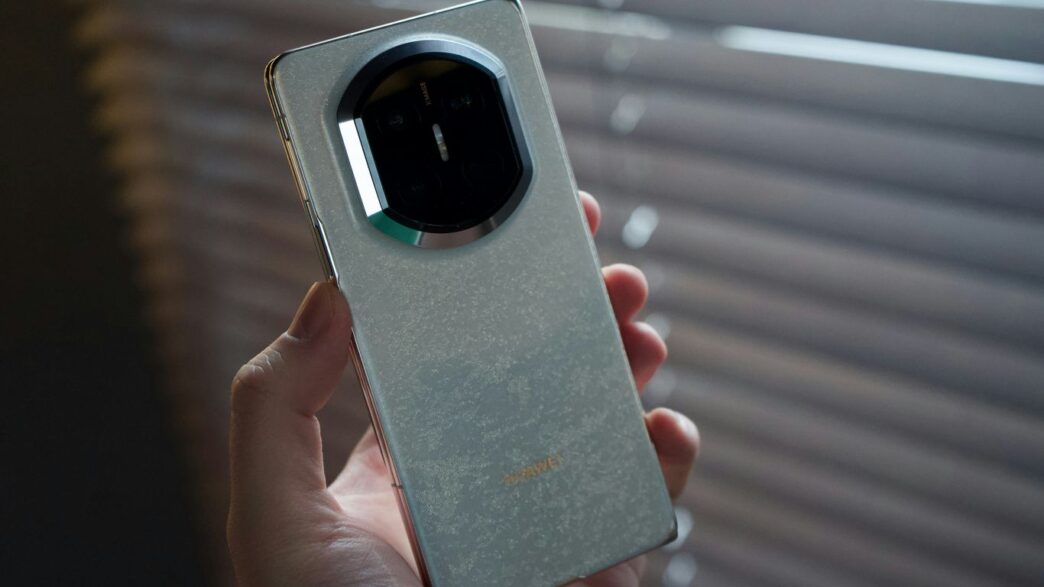
Not too long ago, foldable phones were something you’d only see in sci-fi movies. Now, they’re everywhere, with more models coming out every year. The market for foldable phones in 2025 looks busier than ever, with big names like Samsung, Huawei, Google, Motorola, Oppo, and Honor all jumping in. These phones aren’t just about looking cool—they’re starting to get more durable, thinner, and even more practical for everyday use. If you’re curious about what’s next, here are the top foldable phones 2025 has in store.
Key Takeaways
- Foldable phones are moving from niche gadgets to mainstream devices, with more choices than ever before.
- Samsung, Huawei, and Motorola are leading the way, but brands like Google, Oppo, and Honor are catching up fast.
- Book-style and flip-style foldables are still the most popular, but new designs like tri-folds are making things interesting.
- Durability and battery life are improving, so these phones are more practical for daily use now.
- The foldable phones 2025 lineup is packed with innovation, and it’s a good time to consider one if you want something different from a regular phone.
1. Samsung Galaxy Z Fold 7
The Samsung Galaxy Z Fold 7 is out in 2025, and honestly, it keeps surprising people who thought foldables couldn’t get thinner or lighter. Samsung’s found a way to make a device that can flip from a 6.5-inch phone to an 8-inch mini tablet, all while being thinner than some regular smartphones. When it’s closed, you barely notice it’s a foldable—open it up, and you get a screen that’s great for reading, spreadsheets, or watching videos.
The big headline feature this year is power. You’re getting the Snapdragon 8 Elite chip and either 12 or 16GB of RAM, which means jumping between apps is no problem and games run like butter. And let’s talk cameras. Samsung stuffed a 200MP main camera in there, which is wild for a foldable. Your photos and videos will look good almost no matter what the lighting is like. There’s a telephoto for zoom shots and an ultra-wide for squeezing in more of the scene.
Here’s a quick look at the specs:
| Feature | Details |
|---|---|
| Main Display | 8.0 inches, 1968 x 2184 px |
| Cover Display | 6.5 inches, 1080 x 2520 px |
| Chipset | Snapdragon 8 Elite |
| RAM | 12GB / 16GB |
| Storage | 256GB / 512GB / 1TB |
| Rear Cameras | 200MP + 10MP + 12MP |
| Battery | 4,400mAh |
| OS | Android 16 |
| Weight | 215g |
| Price (start) | $1,999.99 |
Some neat things about using it day to day:
- Multitasking is way easier thanks to updates in Samsung’s software, like running three apps side-by-side or using the DeX mode for a desktop-like feel.
- The new hinge feels more solid, like it can handle opening and closing all day.
- Battery life is decent for a foldable—enough to get most people through the day, but maybe not two if you’re binging videos.
The Z Fold 7 isn’t cheap, but if you want one phone that can be your work device, your reader, and your camera, it’s still the one everyone else is chasing. Just be ready for lots of friends and coworkers asking if they can try folding it—because yeah, it’s just that cool.
2. Samsung Galaxy Z Flip 7
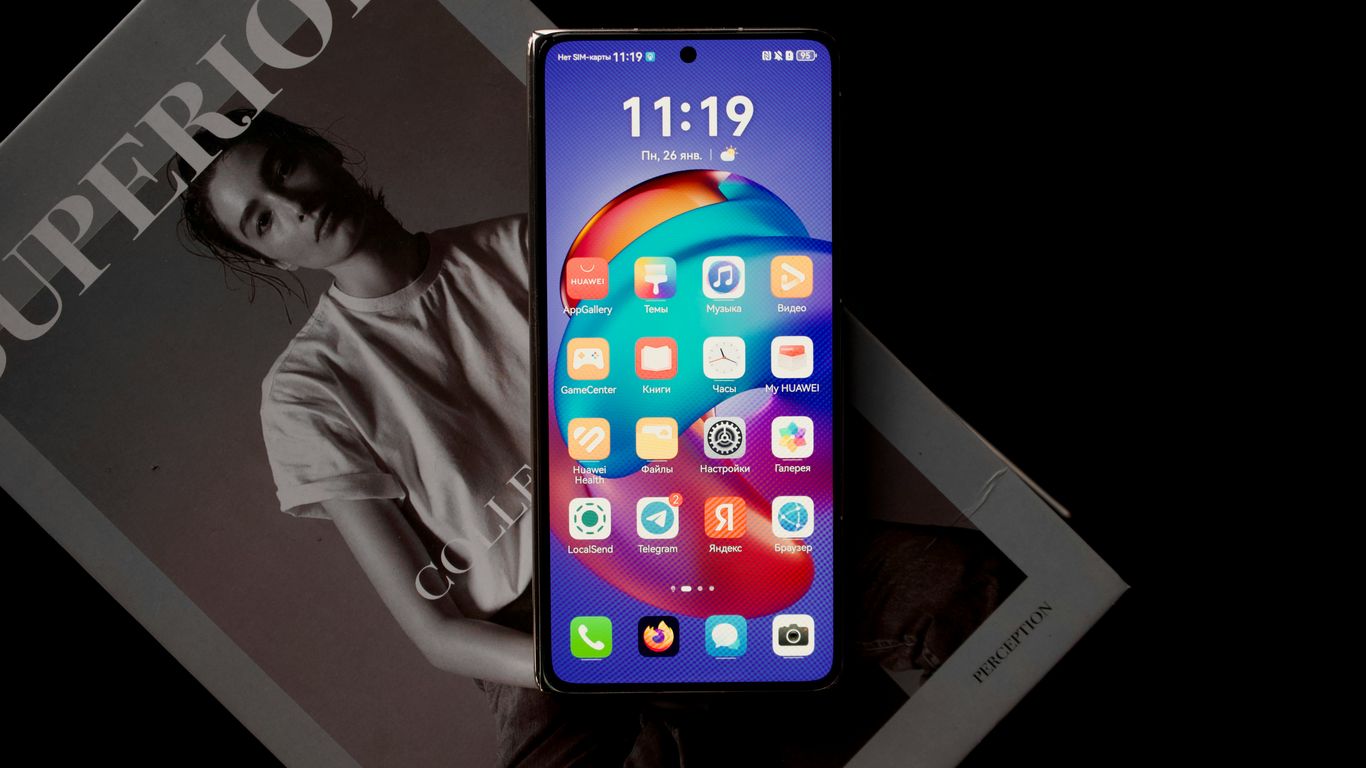
Samsung’s Flip line has always been about making a big phone experience fit into a tiny package, and the Z Flip 7 continues that trend. This year, the outer display gets a significant upgrade, making it much more useful for quick checks without even opening the phone. It’s a nice improvement, letting you see notifications and widgets easily on that 4.1-inch screen. When you do unfold it, you’re greeted by a vibrant 6.9-inch internal display, which feels pretty much like a standard smartphone screen.
Under the hood, it’s running on the Exynos 2500 processor with 12GB of RAM, so it should handle most daily tasks without a hitch. Plus, you get 256GB of storage standard, which is usually enough for most people. Samsung has also packed in some neat AI photo editing tools, which are always fun to play with.
Here’s a quick look at what we expect:
- Display: A larger, more functional 4.1-inch outer screen and a 6.9-inch inner display.
- Performance: Powered by the Exynos 2500 chip with 12GB of RAM.
- Storage: Comes with 256GB of internal storage.
- Software: Expected to launch with Android 16 and One UI 8, with promises of several major OS updates.
It’s a solid choice if you want a compact phone that doesn’t compromise too much on screen real estate when you need it. The design is sleek, and it feels well-built. We’re looking at a release around July 25, 2025, so keep an eye out for it. It’s definitely one of the more refined flip phones out there, and it’s great for taking creative photos thanks to the folding form factor acting like a built-in stand. You can find more details on its release date and specs.
3. Google Pixel 10 Pro Fold
Google’s third go at a foldable, the Pixel 10 Pro Fold, is shaping up to be a pretty solid device. It’s not a massive leap from last year’s model, but it does bring some welcome improvements. The cameras are definitely a highlight here, packing all the power you’d expect from a Pixel phone, plus some extra tricks thanks to the folding form factor. If you’re someone who really cares about taking great photos, this is probably the foldable for you.
Under the hood, it’s running on the new Google Tensor G5 chip, which means it’s got some serious AI smarts. Think better image editing, offline transcription, and even translation without needing an internet connection. The hardware itself feels good, with a bright outer screen and a nice 8.0-inch inner display that makes reading and multitasking feel pretty natural. It might not have all the software bells and whistles that Samsung’s Z Fold 7 offers, but it makes up for it with those cameras and Google’s Gemini AI assistant.
Here’s a quick look at what we know:
- Processor: Google Tensor G5
- Operating System: Android 16 (with promises of up to 7 major upgrades)
- Storage Options: 256GB, 512GB, 1TB
- Weight: 258g
- Thickness: 5.2mm
While it doesn’t have expandable storage, the built-in options are pretty generous. It’s also got some decent durability, which is always a plus with foldable phones. It’s expected to hit the market around October 9, 2025, so keep an eye out for this one if you’re a fan of Google’s software and top-notch photography on a foldable.
4. Huawei Mate XT
Okay, so Huawei’s Mate XT. This one’s a bit of a wild card, right? I mean, the idea of a phone that folds not once, but twice? It sounds like something out of a sci-fi movie. When I first heard about it, I was pretty skeptical, thinking it was just a gimmick. But honestly, after actually holding it, it’s a different story. It’s like having a mini tablet that somehow fits in your pocket.
What’s really interesting is how they’ve managed to make it work. It unfolds into this pretty big screen, great for watching videos or getting some work done without squinting.
Here’s a quick look at what we might be seeing:
- Screen Tech: Expect a really nice display, probably with a wider aspect ratio than some of the competition. This means less of those annoying black bars when you’re watching regular widescreen videos.
- Form Factor: The triple-fold design is the main event. It’s designed to be super versatile, letting you use it as a regular phone, a smaller tablet, or a larger tablet.
- Performance: We’re hoping for top-tier processing power, likely from a high-end Snapdragon chip or maybe even something custom from Huawei.
It’s definitely a device that tries to do a lot, and for some people, that might be exactly what they’re looking for. It’s a bold move, and I’m curious to see how it actually performs in everyday use.
5. Motorola Razr Ultra
The Motorola Razr Ultra is really trying to make a splash in the foldable market, and honestly, it’s got some pretty cool ideas. This phone feels like it’s trying to be both a fashion statement and a powerhouse. It’s got this big 4.0-inch outer screen that you can actually do stuff on, not just glance at notifications. And when you open it up, you get a nice 7.0-inch inner display for all your regular phone tasks.
What’s interesting is how they’ve approached the design. You can get it in some wild colors like pink, or even a wood-like finish, which is definitely different. They worked with Pantone on these, so they’re supposed to be on-trend. It’s the kind of phone that’ll get people asking, “What is that?”
Here’s a quick look at what’s under the hood:
- Processor: Qualcomm Snapdragon 8 Elite Mobile Platform
- Operating System: Android 15
- Battery: They’re saying it’s got a huge battery that lasts longer than other foldables, which would be a big deal if true.
- Durability: It’s got an IP48 rating, meaning it can handle being submerged in water for a bit. Not that you should go swimming with it, but it’s nice to know it won’t die if it gets splashed.
It seems like Motorola is aiming for people who want something that stands out and performs well. The combination of a stylish look, a functional outer screen, and what they claim is great battery life makes it a contender, especially if you’re tired of the same old phone designs.
6. Samsung Galaxy Z TriFold
The Samsung Galaxy Z TriFold is the one that really stands out this year. Not in a subtle way either. Samsung kind of went all-in, bringing something most of us hadn’t actually seen in the wild: a phone that unfolds once, and then unfolds again, snapping into this massive display. If you like the idea of a phone that doubles, or triples, as your main device for reading, watching, sketching, or even working—this might be your dream phone.
Instead of the old book-style fold, Samsung gave the TriFold two hinges, so when you open it, the screen grows much larger than anything their Z Fold line ever managed. Some folks say it looks more like a slim tablet than anything else when it’s unfolded. When it’s closed, it’s pretty much a regular phone. The shape is kind of wild, and it is way thinner than I expected—a crazy thin 3.9mm when it’s all the way open (you can check out the exact specs from the official page). As for weight, it’s about 309 grams, which isn’t light, but makes sense with all those extra moving parts.
Here’s a quick rundown of specs that matter:
| Feature | Details |
|---|---|
| Release Date | Dec 2025 |
| OS | Android 16 w/ One UI 8 |
| Thickness (Unfolded) | 3.9mm |
| Weight | 309g |
| Storage Options | 512GB / 1TB |
| Card Slot | No |
A few things stick out to me with this phone:
- The double-hinge “trifold” approach is still new enough that there’s little everyday wear-and-tear feedback, so no one’s sure how sturdy these hinges are over time.
- Samsung isn’t giving us any microSD expandability here, so 512GB or 1TB is all you get—plan ahead if you hoard pictures and offline videos!
- It runs Android 16, topped off with the latest One UI, which means multitasking actually feels decent rather than clunky like on some older foldables.
- Still no word about S Pen support, which I think would be awesome with all that space, but so far, nothing official.
Price? Well, Samsung hasn’t made this cheap. If anything, it’ll be one of the most expensive phones you can get in 2026. But for early adopters—folks who want the wildest tech, and don’t mind the stares on the subway—this is peak gadget.
I’m honestly curious to see if these tri-hinge designs will start popping up everywhere or if it’ll just be a Samsung thing. Either way, watching something so new hit the market is pretty exciting.
7. Huawei Mate X7
Huawei’s Mate X7 is looking like the brand’s most interesting foldable yet, and it’s clear they’re not giving up on the book-style fold despite all the competition coming from Samsung and others. What really stands out is how Huawei keeps pushing for thinner, lighter builds without making the hardware feel weak.
From what has leaked and early hands-on impressions, the Mate X7 is leaning heavily into a wide-aspect internal screen – so think more tablet-like, less of the tall-and-narrow thing you often see with early foldables. That makes it feel better for streaming movies or reading, since you just don’t get those annoying black bars across the top and bottom. When folded, it’s still pocketable, but opening it up gives loads of space for multitasking or just browsing the web.
Some key details that keep getting mentioned:
- Ultra-thin hinge to keep things slim, but reviewers say it still feels strong.
- Expected to use one of Huawei’s newest processors, so performance should be closer to what you get with flagship Androids.
- Main and cover screens both rumored to feature 120Hz refresh rates for smoother scrolling and gaming.
- The software is built on HarmonyOS, and early testers are saying that multi-window use is much, much smoother than before.
Here’s a quick comparison table of likely specs (subject to final confirmation):
| Feature | Huawei Mate X7 |
|---|---|
| Main Screen Size | ~7.85 inches (16:10 ratio) |
| Cover Screen Size | ~6.5 inches |
| Chipset | Kirin 9100 or above |
| RAM / Storage | 12GB / up to 1TB |
| Battery | 4600mAh (estimated) |
| Cameras | 50MP (main), 12MP (ultra-wide), plus telephoto |
One note: Huawei’s foldables usually have beefy cameras. Early reports are talking up the Mate X7’s photo chops, especially in low light.
If you’re in the US or Europe, though, it’s still a hassle trying to actually buy one, but anyone who manages it is likely to get a phone that feels fresh, not just another copy of what Samsung’s been doing. If Huawei manages to keep the price reasonable (by foldable standards), the X7 could end up being more than just a techie’s curiosity.
8. Oppo Find N5
The Oppo Find N5 is a real head-turner, and honestly, it feels like a glimpse into what foldable phones could be. It’s incredibly thin when unfolded, measuring just 4.21mm, which is thinner than some tablets out there. Holding it, it feels surprisingly like a regular phone when closed, which is a big win for usability.
Under the hood, it’s packing some serious power with the Snapdragon 8 Elite chipset, so multitasking and running demanding apps should be a breeze. Plus, the 5600mAh battery is pretty beefy, hopefully meaning you won’t be hunting for a charger too often.
Oppo didn’t skimp on the displays either. You get a massive 8.1-inch inner screen and a 6.62-inch cover display, making everything from watching videos to browsing the web a really immersive experience. It’s also got a titanium hinge, which sounds like it should hold up well over time.
However, it’s not all perfect. The cameras, while decent, aren’t exactly groundbreaking compared to some competitors. Also, there’s no official dust resistance rating, which might be a concern for some. And the biggest hurdle? Availability. This phone is really tough to get your hands on outside of specific regions like Australia. It’s a shame because the hardware is definitely impressive, but getting one might be the real challenge. If you’re in a region where it’s sold, it’s worth checking out the Oppo Find N5 specs.
9. Honor Magic V5
When it comes to foldable phones in 2025, the Honor Magic V5 is one of those devices that you just can’t ignore. Released on July 2, 2025, it grabbed plenty of attention with its sleek build—only 4.1mm thick when unfolded and tipping the scales at 217g or 222g, depending on the model. Honor’s approach this year puts portability front and center without skimping on features or specs. You get a device that feels light in your bag or pocket but still packs a punch.
Performance-wise, the Magic V5 runs Android 15 with the latest MagicOS 10 layered on top. Storage options don’t disappoint either, going all the way up to 1TB (with 256GB and 512GB versions too). There’s no card slot though, so you’ll want to choose the storage size that fits your digital life from the start. If storage is a priority, you’ll like what the Magic V5 has to offer right out of the box.
Here’s a quick breakdown:
| Feature | Details |
|---|---|
| Release date | July 2, 2025 |
| Weight | 217g/222g |
| Thickness | 4.1mm |
| OS | Android 15 + MagicOS 10 |
| Storage | 256GB / 512GB / 1TB (no SD slot) |
A few things that stand out about the Magic V5:
- Super slim profile makes it comfortable for one-handed use, folded or opened.
- Large storage choices—a big relief for folks with tons of apps, videos, or games.
- Latest Android version keeps things running fast and smooth, while MagicOS brings Honor’s tweaks to the table.
The lack of an SD card slot could annoy you if you’re used to expandable storage. But, given the roomy options, most users probably won’t feel limited. For more details on the Magic V5’s specs and its full feature list, check out this overview of the Honor Magic V5.
Overall, Honor keeps pushing with lighter, thinner phones that don’t compromise on performance or fun. If you like the idea of a futuristic phone that doesn’t feel like a brick, this one is worth watching in 2025.
10. Motorola Razr Fold
Motorola’s taking a shot at a whole new style with the Razr Fold in 2025. Instead of sticking to the classic flip design, this one is a book-style foldable—meaning it opens just like a paperback, and that’s a first for the Razr family. Motorola’s putting a lot on the table here, aiming to compete against the likes of Samsung and Huawei in the bigger-screen foldable segment.
Here’s what’s been teased:
- The cover display is a solid 6.6 inches, so you can knock out quick tasks without flipping the whole thing open.
- You get an 8.1-inch internal display once unfolded, turning this from a regular phone into a small tablet—handy for emails, reading, or just bingeing some shows on the go.
- Triple rear cameras, all 50MP, make it sound promising for anyone who always has their phone out for snaps. That’s a lot of camera for a foldable.
- Motorola’s jumping on the AI bandwagon too, including fresh AI features right from launch. No one’s sure yet how smart or practical these will be in day-to-day use, but it’s something new to try.
Here’s a quick table laying out what we know about the Razr Fold:
| Feature | Details |
|---|---|
| Cover Display | 6.6 inches |
| Internal Display | 8.1 inches |
| Rear Cameras | 3 x 50MP |
| Fold Style | Book |
| AI Features | Yes |
I’m pretty interested to see how Motorola prices it, because for the past few years, Razr phones have sometimes undercut the big names, but not always. We’re still waiting for all the nitty-gritty specs and a solid release date. For now, though, the Razr Fold is worth keeping an eye on if you want a foldable with a big screen and a familiar brand name.
A few reasons Motorola could stand out this time:
- Familiar software experience, probably closer to stock Android than anything else.
- A focus on durability with its new hinge and design.
- Making foldables feel a bit more normal… or as normal as a phone that splits open like a book can possibly feel these days.
The Foldable Future is Here (and It’s Still Unfolding)
So, it looks like 2025 is shaping up to be a pretty big year for foldable phones. What started as a bit of a novelty is really becoming a mainstream thing, with more options popping up from companies like Samsung, Google, and Motorola. We’re seeing different styles, from the classic flip phones that fit right in your pocket to the book-style ones that open up like a small tablet. And who knows, maybe Apple will even jump in with their own version. It’s exciting to think about how these phones will keep changing and getting better, offering us more ways to use our tech. It’s definitely a space worth keeping an eye on as the technology continues to evolve.
Frequently Asked Questions
What is a foldable phone?
A foldable phone is a smartphone that can bend or fold, usually thanks to a special flexible screen and hinge. This lets the phone change shape, so it can be small to fit in your pocket, or open up to show a bigger screen.
Are foldable phones more likely to break than regular phones?
Foldable phones used to be easier to break, but newer models are much stronger. Companies have improved the hinges and screens, so they last longer and can handle more folds. Still, you should be careful, just like with any phone.
Why do people like foldable phones?
People like foldable phones because they offer a bigger screen without making the phone huge. You can use them like a regular phone, but open them up to watch videos, read, or play games on a larger display.
Which companies make the best foldable phones?
Samsung, Huawei, Motorola, Google, and Oppo are some of the biggest names making foldable phones. Samsung is especially popular for its Galaxy Z Fold and Flip series, but other brands are catching up fast.
Will foldable phones get cheaper in the future?
Right now, foldable phones are pretty expensive because the technology is new. As more companies make them and more people buy them, the prices should start to go down.
Is Apple making a foldable iPhone?
Apple hasn’t released a foldable iPhone yet, but there are lots of rumors that they are working on one. Many people think it could come out in the next year or two.