Okay, so foldable phones used to be kind of a joke, right? Like, super fragile and way too expensive for what they were. But things have really changed. Now, in 2025, these things are actually pretty solid, thinner, last longer, and you can barely see that crease anymore. They’re starting to feel like real contenders against regular phones. We’ve got the usual book-style foldables and the smaller flip ones, and now even some tri-fold models are popping up. If you’re thinking about jumping on the foldable bandwagon, figuring out which one is the best foldable phones 2025 choice can be a bit much. That’s where this guide comes in.
Key Takeaways
- The Samsung Galaxy Z Fold 7 is a top pick, boasting a thin design, great cameras, and useful AI features, though it’s pricey.
- For durability, the Google Pixel 10 Pro Fold stands out with its IP68 dust and water resistance, a first for foldables.
- The Samsung Galaxy Z Flip 7 is considered the best flip phone, featuring an improved edge-to-edge cover display.
- Motorola’s Razr Ultra 2025 offers a stylish design with a fast cover screen and a large folding display.
- The foldable phone market is rapidly evolving, with improved durability, battery life, and new form factors like tri-folds becoming more common.
1. Samsung Galaxy Z Fold 7
Alright, let’s talk about the Samsung Galaxy Z Fold 7. If you’re looking for the top-tier foldable experience right now, this is probably it. Samsung really went all out this year, making some noticeable improvements over the previous models. It feels thinner and lighter in your hand, which is a big deal when you’re carrying it around all day. The main screen is now a generous 8 inches, and they’ve tweaked the hinge design too, making it feel more solid.
What really sets the Z Fold 7 apart, though, is the camera system. It boasts a 200MP main sensor, which is pretty wild for a foldable, and it actually performs. You get great shots, especially with the added flexibility of the telephoto and ultra-wide lenses. It’s running Android 16 with Samsung’s One UI 8, and they’ve even promised seven years of software updates, which is pretty amazing for a device like this. That means your investment should last a good long while.
Here’s a quick look at some of the specs:
- Display: 8-inch main, 6.5-inch cover display
- Processor: Qualcomm Snapdragon 8 Elite for Galaxy
- RAM: 12GB or 16GB
- Storage: 256GB, 512GB, or 1TB
- Battery: 4,400mAh
- Cameras: 200MP (wide) + 10MP (3x zoom) + 12MP (ultra-wide)
It’s not cheap, of course. You’re looking at a starting price around $1,999.99, but considering what you get, it’s a solid contender if you want the best foldable phone available. You can find it outright for $2,119.99 or explore financing options on Samsung’s site.
2. Google Pixel 10 Pro Fold
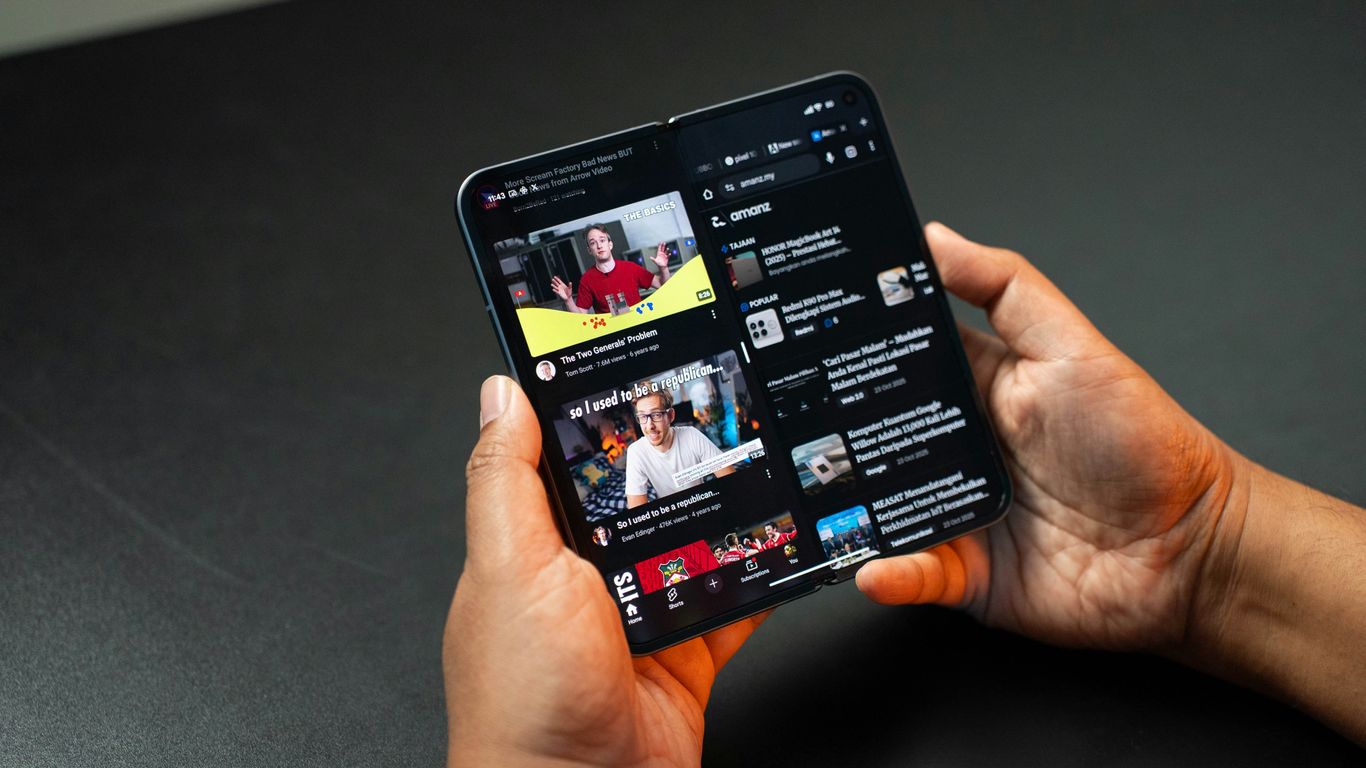
Google’s latest foldable, the Pixel 10 Pro Fold, really leans into durability. It’s the first foldable phone to boast full IP68 water and dust resistance, which is a pretty big deal for this type of device. Most foldables can handle a splash, but the thought of dust getting into that hinge mechanism has always been a worry. Google seems to have figured that out with its new hinge design.
When you open it up, you’re greeted by a large 8-inch display that gets super bright, making it easy to see even in direct sunlight. The outside screen is also a decent size at 6.4 inches, and it feels pretty natural to use, kind of like a regular phone. Plus, it runs on the latest Tensor G5 chip and comes with Android 16 right out of the box, with Google promising seven years of software and security updates. That’s a lot of support!
However, it’s not all perfect. Performance, while fine for everyday tasks, can lag a bit when you push it with really demanding apps. Battery life is also just okay, not exactly groundbreaking. And yeah, the crease in the middle of the big screen is still noticeable, especially in bright light.
Here’s a quick look at some of its key features:
- Display: 8-inch inner OLED (120Hz), 6.4-inch outer OLED (120Hz)
- Durability: IP68 water and dust resistance
- Processor: Google Tensor G5
- Software: Android 16 (with 7 years of updates)
- Battery: 5,015 mAh
If you’re coming from a standard Pixel phone, the software experience here will feel very familiar. And if you’ve been worried about dust or water damage on a foldable, the Pixel 10 Pro Fold offers some serious peace of mind.
3. Samsung Galaxy Z Flip 7
Alright, let’s talk about the Samsung Galaxy Z Flip 7. This phone feels like Samsung finally nailed the flip phone formula. The big deal here is the external display, which is now a much more usable 4.1 inches and stretches almost to the edges. It makes a huge difference when you’re just trying to quickly check notifications or reply to a message without unfolding the whole thing. Plus, it actually fits in your pocket, which is still kind of a novelty for a foldable.
Samsung packed in a bunch of upgrades over the previous Flip model. It’s got the biggest battery ever in a Flip phone, which is always a good thing. The cameras are decent too, with two out of the three being pretty solid performers in my testing. And compared to its bigger sibling, the Z Fold 7, it’s way more affordable, coming in around $1,100. Honestly, at this price and with these features, the Z Flip 7 is a serious contender against regular smartphones, not just other foldables.
Here’s a quick look at some of its key features:
- Larger Cover Screen: A 4.1-inch, 120Hz display that’s genuinely useful.
- Improved Battery: The largest battery in a Flip device to date, offering better longevity.
- Mature Software: Samsung’s One UI continues to lead in foldable multitasking features.
- Long-Term Support: Expect seven years of OS updates, making it a smart long-term investment.
Now, it’s not perfect. I do wish it had a Snapdragon processor instead of the Exynos 2500, and the 25W charging feels a bit slow these days. Also, you can’t run third-party apps on the cover screen like you can on some competitors. But overall, for a compact, stylish foldable, the Z Flip 7 is a really well-rounded option for 2025. You can find out more about Samsung’s latest foldable here.
4. OnePlus Open
OnePlus jumped into the foldable scene with the Open, and honestly, it made a pretty good first impression. It’s got that book-style fold, opening up to a big screen that feels like a small tablet. The displays, both inside and out, are really nice to look at. Even though the chip inside, a Snapdragon 8 Gen 2, isn’t the absolute newest thing for 2025, it still handles everything you throw at it without breaking a sweat. The rest of the specs are pretty solid too, which is good because OnePlus hasn’t really put out a successor.
The biggest draw for the OnePlus Open is its price point, often found for around $1,500, making it a more budget-friendly option compared to some of the pricier competitors. It’s a bit of a shame that a follow-up model was reportedly canceled, especially since the original was more affordable than, say, the Samsung Galaxy Z Fold 7. OnePlus says they’ll keep supporting the Open, which is a relief since they’re still selling it.
Here’s a quick look at what you get:
- Display: A big 7.82-inch inner screen and a handy 6.31-inch outer display.
- Performance: Powered by the capable Snapdragon 8 Gen 2 chip with options for 16GB of RAM.
- Cameras: A versatile triple-camera setup on the back, including a 64MP zoom lens.
- Battery: A decent 4,805mAh battery to get you through the day.
It’s not perfect, though. It doesn’t have any official water resistance, which is a bummer when you compare it to some other foldables. It also doesn’t pack as many of those fancy productivity or AI features that you might find on other high-end phones. But if you’re looking for a large foldable that feels well-built and doesn’t cost an arm and a leg, the OnePlus Open is definitely worth considering.
5. Motorola Razr Ultra 2025
Okay, so Motorola’s been trying to nail the flip phone thing for a while, and honestly, the Razr Ultra 2025 feels like they’ve finally done it. It’s a pretty fun device to use.
What really stands out is that cover screen. It’s huge, almost as big as the one on the Samsung Z Flip 7, and it’s super bright and clear, making it easy to see even outside. Seriously, using this outer display is half the appeal of the phone. It’s not just about looks, though. This thing packs a punch with the Snapdragon 8 Elite chip and 16GB of RAM, which is actually more than what Samsung is offering in their Z Flip 7. So yeah, it’s fast. You can even play games on the cover screen if you’re feeling adventurous.
And the design options? Motorola went a bit wild this year. You can get it with actual wood paneling, which is pretty unique, or a nice Alcantara fabric. Plus, there are some bright colors if that’s more your style. It runs a pretty clean version of Android, which is nice because there isn’t a ton of extra junk software.
Here’s a quick look at what you get:
- Performance: Snapdragon 8 Elite with 16GB RAM means smooth sailing.
- Displays: A big, bright 6.62-inch cover screen and a 8.12-inch inner display.
- Battery: A 5,600mAh battery that supports 68W wired charging (80% in 30 mins) and 30W wireless charging.
- Cameras: A solid 50MP main camera, a 50MP 3x zoom, and an 8MP ultrawide.
- Software: Android 15 with minimal bloatware.
It’s not the cheapest flip phone out there, and the software support isn’t as long as some others, but if you want a phone that’s as stylish as it is powerful, and you really like using that cover screen, the Razr Ultra 2025 is definitely worth a look.
6. Oppo Find N5
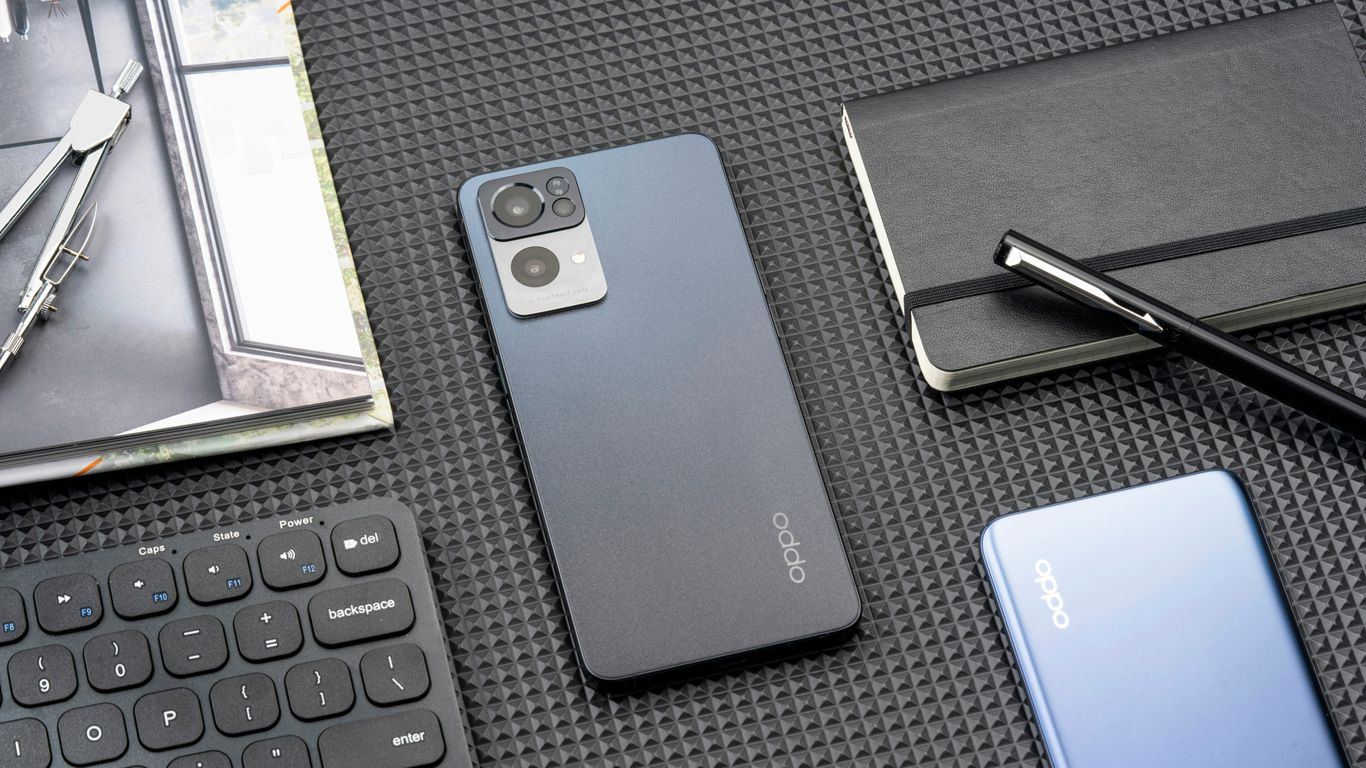
The Oppo Find N5 really made a splash when it came out, mostly because it was the thinnest foldable phone around at the time. It’s a book-style foldable, kind of like the Samsung Galaxy Z Fold 7, and it packs some pretty decent specs. You get a 6.62-inch outer screen and an 8.12-inch inner display, which is the same size as what Samsung is offering. What’s really interesting is that it also has a huge 5,600 mAh battery, which is actually bigger than the Fold 7’s, even though they’re similar in size. It feels like a monster of a phone, honestly.
This device is a testament to Oppo’s engineering prowess, pushing the boundaries of what a foldable can be. It’s just a shame that getting your hands on one is a bit of a challenge. The Find N5 isn’t widely available, especially in places like the US, UK, or Europe. It’s sold new in Asia, and you might find it through specialty shops or on sites like eBay. If you’re in Australia, you might have better luck, though pricing isn’t fully confirmed there yet. For those who can manage to snag one, it’s a seriously impressive piece of tech.
Here’s a quick look at some of its highlights:
- Design: Incredibly thin and light, making it comfortable to hold. It feels more like a regular phone when folded.
- Displays: Features a large 8.12-inch inner LTPO OLED screen and a 6.62-inch cover display, both with impressive brightness [2b17].
- Performance: Powered by a top-tier Snapdragon chipset, it handles multitasking and demanding apps with ease.
- Battery: A substantial 5,600 mAh battery keeps you going longer.
- Durability: Boasts a titanium hinge and water resistance, adding to its premium feel.
7. Galaxy Z Trifold
Samsung’s Galaxy Z Trifold is a bit of a different beast. It’s not really trying to be a phone that folds into a smaller phone; it’s more like a tablet that folds into something you can almost fit in your pocket. When you unfold this thing, you’re looking at a screen that’s around 10 inches. Seriously, it’s big enough to feel like a small tablet.
This makes multitasking feel pretty unique. You can actually get a lot done on it without feeling cramped. It’s definitely thicker when it’s all folded up, which you’d expect with a screen this size. But Samsung’s software for handling multiple apps is pretty slick, especially compared to some other attempts at this kind of folding design.
Here’s a quick rundown of what makes it stand out:
- Tablet-sized inner display: Around 10 inches when fully open.
- Dedicated cover screen: For quick checks and tasks when folded.
- Advanced multitasking: Samsung’s One UI handles multiple apps well.
- Long software support: Expect seven years of updates.
- Full Google services: No compromises there.
This isn’t for everyone, mind you. It’s for the early adopters and folks who really need a portable screen for work or play and don’t mind the extra bulk. If you’re in the US and want a foldable that’s more like a mini-tablet, this is probably your best bet right now.
8. Huawei Mate XT
Huawei’s been in the foldable game for a while now, right alongside Samsung, so they’ve definitely got some experience under their belt. The Mate XT, following up on models like the X6 and X7, continues this trend. It’s a book-style foldable, and honestly, it looks pretty slick. They often use materials like leather on the back, which gives it a really nice, premium feel in your hand.
One of the standout features, especially with the Mate X7, has been its battery life. It’s a big improvement over older foldables, often rivaling regular phones. Plus, the charging speeds are seriously fast, both wired and wireless.
Here’s a quick look at what you might expect:
- Impressive battery endurance
- Super-fast charging capabilities
- Durable build with reinforced glass
- Stylish, premium design
Now, it’s not all perfect. The biggest hurdle for most people in the US is the software. Huawei phones don’t run standard Android with the Google Play Store built-in. You can get around this with workarounds, but it’s definitely something to consider if you rely heavily on Google services. Performance-wise, while good, it might not always keep up with the absolute top-tier chips from competitors. Still, if you’re looking for a foldable with great battery and a unique look, and you don’t mind the software situation, the Mate XT is worth a look. It’s a stylish smartphone that pushes boundaries in battery tech.
So, What’s Next for Foldables?
It’s pretty wild to see how far foldable phones have come. Remember when they first showed up and seemed like they might break if you looked at them wrong? Yeah, those days are mostly behind us. Now, we’ve got phones that are thinner, tougher, and honestly, just more practical for everyday life. Whether you’re into the compact flip style or the bigger, tablet-like foldables, there’s a lot more choice out there than ever before. And with companies still tinkering and new designs like tri-folds popping up, it feels like the foldable story is still just getting started. It’s exciting to think about what else they’ll come up with next.
Frequently Asked Questions
Are foldable phones still fragile?
Foldable phones have gotten a lot tougher! They aren’t the delicate devices they used to be. Now, they’re thinner, have batteries that last longer, and the screen crease is much less noticeable. They’re really starting to compete with regular top-notch phones.
What’s new in foldable phone technology?
Besides the usual small flip phones and bigger book-style foldables, there are now ‘tri-fold’ phones. These can fold in three places, offering even more ways to use your device. We’re seeing more of these unique designs emerge.
Which foldable phone is the best overall in 2025?
The Samsung Galaxy Z Fold 7 is often considered the top pick. It has amazing screens, a great camera, and powerful parts inside. It’s also super thin and light, making it a joy to hold and use.
Are there foldable phones that are good for outdoor use?
Yes, the Google Pixel 10 Pro Fold is a great choice if you’re worried about the elements. It’s the first foldable phone that can handle dust and water, thanks to its IP68 rating. It also runs on Google’s smart software.
What are the benefits of a foldable phone compared to a regular phone?
Foldable phones offer two main advantages: you can use them folded like a normal phone, or unfolded to get a bigger screen, almost like a small tablet. This gives you more flexibility for different tasks, like watching videos or multitasking.
Is it worth buying a foldable phone in 2025?
For many people, yes! While they used to be expensive novelties, foldable phones have improved a lot. They are more durable, have better features, and while still pricey, their performance now often justifies the cost, especially for tech enthusiasts.