So, you want to make your brand unforgettable? Forget those boring ads that just sit there. We’re talking about creating experiences, real moments that people remember and talk about. This is all about experiential marketing activations – making your brand come alive. It’s not just about selling stuff; it’s about connecting with people in a way that sticks. Let’s dive into how to make that happen.
Key Takeaways
- Experiential marketing activations turn passive viewers into active participants by creating memorable, hands-on experiences.
- To build impactful brand experiences, clearly define your goals, know your audience inside out, and craft a strong brand story.
- Various formats like pop-up shops, interactive installations, and live demos can bring your brand to life, while virtual events extend your reach.
- Successful activations engage multiple senses, use technology wisely, and rely on well-trained brand ambassadors to connect with people.
- Measure your results using specific goals and track engagement to understand what works and build lasting customer loyalty.
Understanding Experiential Marketing Activations
So, what exactly is experiential marketing? Forget those old-school ads that just shout at you. Experiential marketing is all about getting people involved, letting them actually do something with a brand. It’s like inviting your friends over for a game night instead of just sending them a flyer about it. The whole point is to create a memorable, hands-on experience that sticks with people long after they’ve left.
Defining Immersive Brand Experiences
Think of it as stepping into a brand’s world. Instead of just seeing a logo, you might get to try out a new gadget, taste a new flavor, or even participate in a fun challenge related to the brand. It’s about making a connection that feels real and personal. These experiences aim to engage all your senses, making the brand feel more human and relatable. It’s a way to build a genuine relationship, not just a transaction.
The Shift From Traditional Advertising
We’ve all seen them – those ads that just blend into the background. Traditional advertising often feels like a one-way street. Experiential marketing, on the other hand, is a conversation. It’s about inviting people to be part of the story, not just spectators. This approach is gaining traction because people are tired of being bombarded with messages. They want to interact, explore, and feel something. This is where experiential marketing really shines, turning passive viewers into active participants.
Why Brands Embrace Experiential Strategies
Brands are jumping on board with experiential marketing for a few good reasons. For starters, it creates a much stronger emotional connection. When people have a positive, hands-on experience, they tend to remember it and feel more positively about the brand. It also generates buzz. People love sharing cool experiences on social media, which means free advertising for the brand. Plus, it gives brands a chance to show off what makes them unique in a way that static ads just can’t.
Here’s a quick look at what brands gain:
- Deeper Engagement: People are actively involved, not just passively watching.
- Memorable Moments: Positive experiences create lasting impressions.
- Authentic Connections: It humanizes the brand and builds trust.
- Word-of-Mouth: Happy participants become brand advocates.
Crafting Unforgettable Brand Experiences
So, you want to make a brand experience that people actually remember? It’s not just about throwing a party or handing out freebies. It’s about creating a moment, a feeling, something that sticks with folks long after they’ve left. This means you really need to think things through before you even start planning.
Setting Clear Objectives and Goals
First off, what are you actually trying to achieve with this whole thing? Don’t just say "get more customers." Be specific. Are you trying to introduce a new product? Get people talking about your brand online? Maybe you want to show off how your product solves a specific problem. Whatever it is, write it down. Having clear goals helps you figure out if your event was even a success later on. It’s like trying to bake a cake without knowing if you want chocolate or vanilla – you’ll end up with something, but maybe not what you hoped for.
Here are some common goals:
- Increase brand awareness in a new market.
- Generate leads for a specific service.
- Boost sales of a particular product line.
- Gather customer feedback on a new concept.
- Build a stronger emotional connection with existing customers.
Deeply Knowing Your Target Audience
Who are you trying to reach? You can’t make a great experience for everyone, so you need to focus. Think about what your ideal customer likes, what they do, where they hang out (both online and off), and what makes them tick. If you’re trying to reach young gamers, a stuffy corporate event probably won’t cut it. But if you set up something cool at a gaming convention, you’re speaking their language. Understanding your audience is the bedrock of creating something they’ll actually care about.
Developing a Compelling Brand Narrative
Every good experience tells a story. What’s the story your brand wants to tell? It’s not just about listing features; it’s about the feeling, the journey, the problem you solve. Your experiential activation should be a chapter in that story. Make sure it connects with your audience on an emotional level. People remember how things make them feel way more than they remember facts and figures. Think about what makes your brand unique and weave that into the experience. It could be your company’s origin story, your commitment to sustainability, or the passion behind your product. Whatever it is, make it clear and engaging.
Innovative Experiential Marketing Formats
So, you want to make your brand stand out, right? Traditional ads are fine, but people are really looking for something more these days. They want to do something, not just see something. That’s where these creative formats come in. They’re all about getting people involved and making them feel something.
The Power of Pop-Up Shops
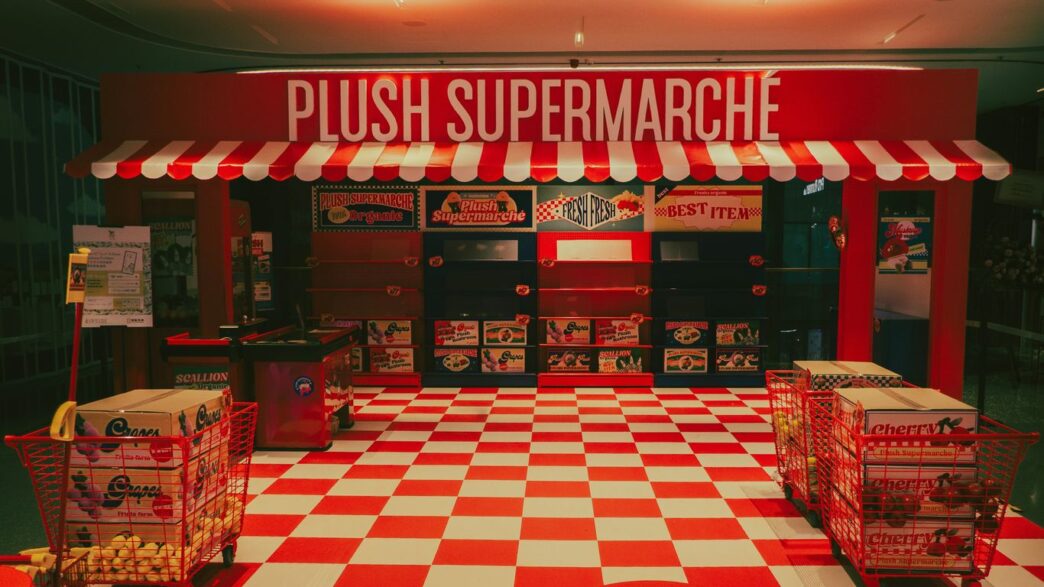
Think of these as temporary, exciting little shops that pop up out of nowhere. They create this feeling that you have to go now because it won’t be there forever. It’s a great way for brands to test out new products or even new cities without a huge, long-term commitment. Plus, they’re often super photogenic, which means people will share them online, giving the brand even more free advertising. It’s like a surprise party for your customers, but with products.
Engaging Through Interactive Installations
These are basically cool, often techy, displays set up in public places that invite people to play. Imagine a giant, colorful sculpture you can walk through, or a digital wall that reacts when you touch it. The whole point is to get people to physically interact with the brand in a fun way. The best ones make you want to take a picture and show your friends. It’s all about creating those shareable moments that get people talking.
Showcasing Value with Live Demonstrations
This one is pretty straightforward: show people what your product or service can actually do. Instead of just telling them, you let them see it in action. Think of a chef showing off a new kitchen gadget at a store, or a software company giving a live walkthrough of their platform. It’s a direct way to show off the benefits and answer questions on the spot. People can see, and sometimes even try, the value for themselves.
Extending Reach with Virtual Events
Not everyone can make it to a physical event, right? That’s where virtual events shine. Brands can create online experiences that feel almost as real as being there. This could be anything from a virtual tour of a factory to an interactive webinar where people can ask questions in real-time. It’s a smart way to connect with people who are far away or can’t attend in person, making your brand accessible to a wider audience.
Key Elements of Standout Activations
So, you’ve got a great idea for an experiential marketing event. That’s awesome! But how do you make sure it’s not just another thing people see and forget? It really comes down to a few core things that make an activation truly memorable and impactful. Think of these as the building blocks for an experience that sticks with people long after they’ve left.
Designing Multi-Sensory Engagements
People remember things better when more of their senses are involved. It’s not just about what they see; it’s about what they hear, smell, touch, and even taste. When you can engage multiple senses, you create a richer, more immersive experience. Imagine a coffee brand activation where you can smell the beans roasting, hear the grinder, feel the warmth of the mug, and, of course, taste the coffee. That’s way more memorable than just seeing an ad, right? This multi-sensory approach helps build stronger emotional connections. It makes the brand feel more real and relatable.
Seamlessly Integrating Technology
Technology can be a fantastic tool, but it needs to work for the experience, not against it. Think about how you can use tech to make things easier, more fun, or more informative. Maybe it’s an app that unlocks exclusive content when you’re at the event, or interactive screens that let people play games related to your brand. The key is that it should feel natural and add value. If the tech is clunky or confusing, it just gets in the way. It’s about using tools like augmented reality or simple QR codes to add a layer of engagement that wasn’t there before, making the whole thing feel more modern and exciting. For example, using RFID wristbands can streamline entry and offer personalized interactions throughout the event.
Training Effective Brand Ambassadors
Your brand ambassadors are the face of your activation. They’re the ones interacting directly with people, answering questions, and shaping perceptions. If they’re not prepared, the whole experience can fall flat. You need to make sure they know your brand inside and out – its story, its values, and its key messages. They should also be trained on how to handle different situations, from enthusiastic fans to tricky questions. Good training means they can represent your brand authentically and create positive interactions. It’s not just about handing out flyers; it’s about creating genuine connections. Here’s a quick look at what good ambassador training might cover:
- Brand Knowledge: Deep dive into the brand’s history, mission, and products.
- Communication Skills: Practicing active listening and clear, concise messaging.
- Problem-Solving: Role-playing common customer scenarios and how to address them.
- Enthusiasm and Energy: Cultivating a positive and engaging attitude.
When your ambassadors are well-trained and genuinely excited about the brand, they can turn a good activation into a great one. They are the human element that makes the experience truly come alive and helps people connect with your brand identity.
Measuring the Impact of Your Activations
So, you’ve put on a killer brand activation. People showed up, they seemed to have a good time, and there was definitely a buzz. But how do you know if it actually did anything for your brand? That’s where measuring the impact comes in. It’s not just about the fun; it’s about seeing if all that effort translated into real business results.
Establishing Key Performance Indicators
Before you even start planning your next big thing, you need to know what you’re aiming for. What does success look like? You can’t measure if you don’t know what you’re measuring against. Think about what matters most for this specific activation. Is it getting more people to visit your website? Getting them to sign up for something? Or maybe it’s just getting more people talking about your brand online.
Here are some common things to keep an eye on:
- Website Traffic: Did more people visit your site after the event? Look at spikes in traffic and where they came from.
- Social Media Buzz: How many people mentioned your brand? What was the sentiment of those mentions? Track hashtags and shares.
- Lead Generation: How many potential customers did you connect with? Did they give you their contact info?
- Sales: Did you see an increase in sales, either during or shortly after the activation?
- Brand Sentiment: What are people saying about your brand now compared to before? Are they more positive?
Setting these clear goals upfront is probably the most important step.
Tracking Engagement and Conversions
Once you have your KPIs, you need to actually track them. This means setting up the right tools. For website traffic, you’ll want to look at your analytics. For social media, use monitoring tools. For leads, make sure your team is collecting information properly at the event. Conversions are the actions you want people to take – like signing up for a newsletter, downloading an app, or making a purchase.
It’s helpful to see this data laid out. For example, you might track leads generated versus leads that actually turned into customers over time:
| Metric | Pre-Activation | During Activation | Post-Activation (1 Week) | Post-Activation (1 Month) |
|---|---|---|---|---|
| Website Visits | 1,000 | 2,500 | 1,800 | 1,200 |
| Social Media Mentions | 50 | 300 | 150 | 75 |
| Leads Collected | N/A | 500 | 100 | 25 |
| New Customers Acquired | 10 | 50 | 30 | 15 |
This kind of table helps you see the immediate impact and how it fades or grows over time.
Refining Strategies Based on Data
Looking at all this data isn’t just for bragging rights. It’s about learning. What worked really well? What fell flat? Maybe your interactive game was a huge hit, but nobody signed up for your email list. Or perhaps the location was great for foot traffic, but the people walking by weren’t your target audience. Use this information to tweak your next activation. Maybe you need to change the type of activity, the location, or how you’re promoting it. The goal is to get smarter with every event you run.
Building Lasting Customer Loyalty
So, you’ve put on a killer event, right? People loved it, they talked about it, and for a little while, they were super into your brand. But how do you keep that feeling going long after the event is over? It’s not just about the big splash; it’s about the ripples that follow. True loyalty isn’t built in a day; it’s cultivated through consistent, genuine interactions.
Think about it. When you have a really good experience with a company, you don’t just forget about it. You remember how they made you feel. That’s the core of it. Experiential marketing is fantastic for creating those initial sparks, but keeping the fire burning requires a bit more effort.
Fostering Emotional Connections
People connect with brands on an emotional level. Your event might have been fun, exciting, or even moving, but how do you translate that into a lasting feeling? It’s about making people feel seen and understood. When your brand consistently aligns with their values and aspirations, that’s when real bonds form.
- Personalized Follow-ups: Don’t just send a generic thank-you email. Reference something specific from their experience at your event. Maybe it was a particular demo they enjoyed or a conversation they had with a brand ambassador. A little personalization goes a long way.
- Shared Values: Show, don’t just tell, what your brand stands for. If your brand is about sustainability, continue to highlight your eco-friendly practices in your communications. If it’s about community, keep finding ways to bring people together, even after the main event.
- Surprise and Delight: Unexpected gestures can create memorable moments. This could be a small, exclusive discount for attendees, early access to a new product, or even just a thoughtful piece of content that speaks directly to their interests.
Creating Authentic Brand Interactions
Authenticity is key. People can spot a fake from a mile away. Your interactions need to feel real, not like a sales pitch in disguise. This means being transparent, honest, and human.
- Empower Your Staff: Make sure everyone representing your brand, especially those who interacted with customers at the event, are well-trained and genuinely enthusiastic. They should be able to answer questions honestly and represent the brand’s personality.
- Listen and Respond: Pay attention to what people are saying, both at the event and afterward online. Respond to comments and feedback in a timely and genuine manner. Show that you’re listening and that their opinions matter.
- Consistent Brand Voice: Ensure that your brand’s personality and messaging are consistent across all touchpoints. The friendly, approachable vibe from your event shouldn’t disappear when someone visits your website or interacts with your customer service.
Encouraging Word-of-Mouth Marketing
Happy customers are your best advertisers. When people have a great experience and feel a connection to your brand, they’ll naturally want to share it. Your job is to make that sharing easy and rewarding.
- Shareable Moments: Design your activations with shareability in mind. Think about visually appealing backdrops, unique photo opportunities, or interactive elements that people will want to capture and post on social media. Branded hashtags can help too.
- Incentivize Sharing: Consider offering small rewards for customers who share their experiences online. This could be a discount on their next purchase, entry into a giveaway, or exclusive content.
- Build a Community: Create spaces, online or offline, where your customers can connect with each other and with your brand. This could be a dedicated forum, a social media group, or even regular meet-ups. A strong community makes people feel like they’re part of something bigger, which really solidifies loyalty.
Wrapping It Up
So, we’ve talked a lot about making brand experiences that people actually remember. It’s not just about throwing a party or handing out flyers anymore. It’s about creating moments where people can really connect with what you’re selling, feel something, and then share that feeling. Whether you’re a big company or just starting out, thinking about how to make your brand come alive for people is a smart move. It’s how you build fans, not just customers. Keep experimenting, keep listening to what people like, and don’t be afraid to get a little creative. That’s how you make a brand people won’t forget.
Frequently Asked Questions
What exactly is experiential marketing?
Experiential marketing is like inviting people to actually try out or be a part of something your brand offers, instead of just showing them an ad. Think of it as a fun event or activity where people can touch, see, hear, or even taste what your brand is all about. It’s about creating a memorable experience that makes them feel connected to your brand.
Why do brands use this kind of marketing instead of regular ads?
Regular ads are like telling someone about a cool toy. Experiential marketing is like letting them play with the toy! When people experience something directly, they remember it better and feel a stronger connection. It helps brands seem more real and trustworthy, and people are more likely to talk about it with their friends.
What are some cool ways brands do experiential marketing?
Brands get really creative! They might set up temporary shops that are only open for a short time (pop-up shops), build fun, interactive art pieces that people can play with, or show off how their product works right in front of you. Sometimes, they even create cool online events that feel like you’re really there.
How can a brand make sure its event is a hit?
To make an event awesome, a brand needs to know exactly what it wants to achieve, like getting more people to know about them or sell more products. They also need to really understand who they’re trying to reach – what do those people like? And, the whole event should tell a great story about the brand.
How do you know if an experiential marketing event actually worked?
You can tell if it worked by looking at certain numbers. Did more people visit the brand’s website? Did they get more likes and shares on social media? Did more people buy the product? Brands also look at how people felt about the experience. By tracking these things, they can learn what to do better next time.
Can these experiences help a brand keep customers for a long time?
Absolutely! When people have a great time and feel a real connection with a brand through an experience, they are much more likely to become loyal customers. It’s like making a new friend – the more positive time you spend together, the stronger the bond. This also makes people want to tell others about the brand.