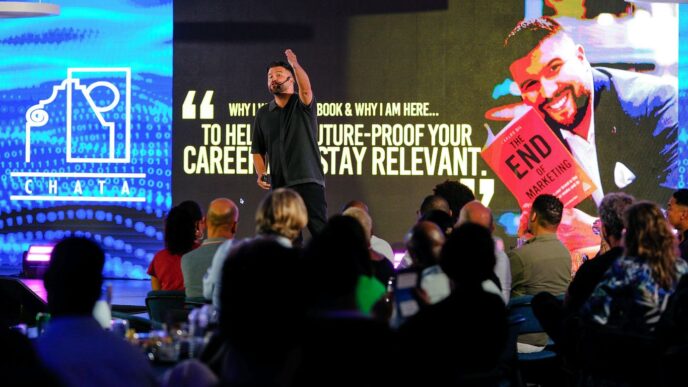
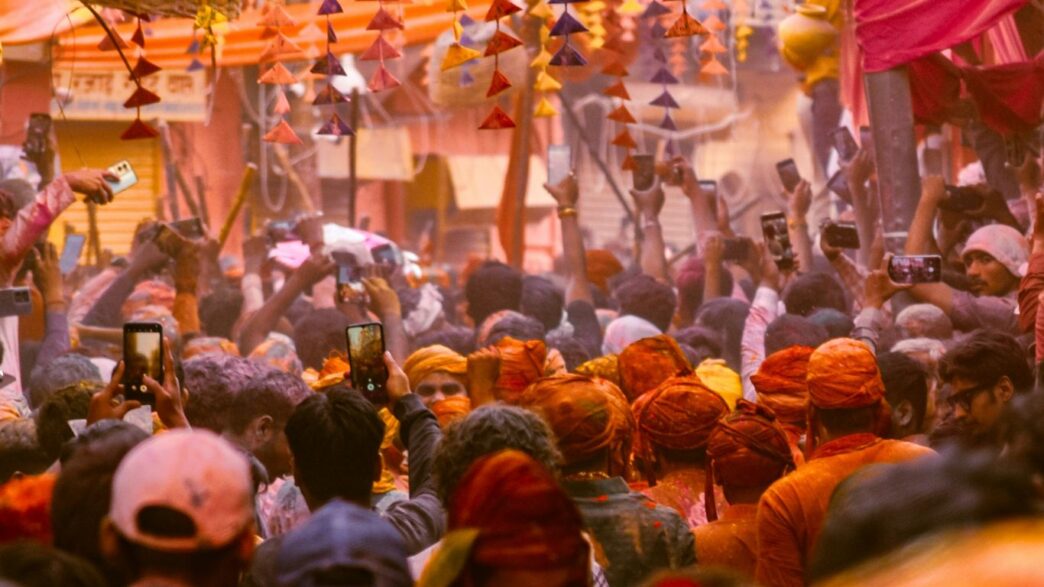
In today’s world, just shouting about your brand isn’t enough. People want to actually *do* something with it, you know? They want to feel it, touch it, and remember it. That’s where experiential marketing comes in. It’s all about creating these cool, hands-on moments that stick with people long after the event is over. We’re going to look at some awesome experiential marketing examples that really nailed it, showing how brands can connect with folks in ways that traditional ads just can’t.
Key Takeaways
- Experiential marketing builds real trust by letting people experience a brand directly, creating connections that last.
- Memorable experiences naturally get shared, sparking conversations and boosting a brand’s presence on social media.
- Engaging experiences turn casual customers into loyal fans who are more likely to come back and spread the word.
- Unique, hands-on events help brands stand out in a busy marketplace, making them seem more innovative.
- Direct interaction provides valuable insights into what customers like and how they behave, helping brands plan better.
Pioneering Experiential Marketing Examples
Forget just seeing an ad; these brands made you feel something. Experiential marketing is all about getting people involved, creating moments they won’t forget. It’s not just about selling a product; it’s about building a connection that lasts way beyond the initial encounter. These campaigns really set the bar high, showing how powerful it can be when a brand steps out of the usual ad space and into the real world (or a really cool virtual one).
Red Bull Stratos: A Leap into the Stratosphere
Remember when Felix Baumgartner jumped from space? That was Red Bull. They sponsored a record-breaking freefall from the edge of the atmosphere, and it was broadcast live to millions. This wasn’t just a stunt; it was a full-blown event that perfectly captured Red Bull’s ‘gives you wings’ vibe. It showed their adventurous spirit on a global scale, creating a moment that people talked about for ages. It was a masterclass in aligning a brand’s identity with an audacious, unforgettable experience.
Google Pixel’s Mixed Reality Adventure
Google decided to get creative with their Pixel phone launch. They set up these mixed reality experiences that let people step into a blend of the real and digital worlds. Imagine walking through a physical space that suddenly transforms with virtual elements, all powered by the Pixel. It was a hands-on way to show off the phone’s capabilities, letting potential customers interact with the technology in a fun, futuristic way. It made the product feel tangible and exciting, not just another gadget.
Nike’s House of Innovation: Retail Reimagined
Nike took their retail stores and turned them into something else entirely with their House of Innovation concept. These aren’t your average shops. They’re designed to be immersive spaces where you can really experience the brand. Think:
- Personalized product customization on the spot.
- Interactive displays that let you test gear in simulated environments.
- Spaces that feel more like a community hub than just a place to buy shoes.
It’s about making shopping an adventure, connecting customers with Nike’s athletic spirit in a really active way. They turned a simple purchase into an engaging brand journey.
Immersive Brand Experiences That Resonate
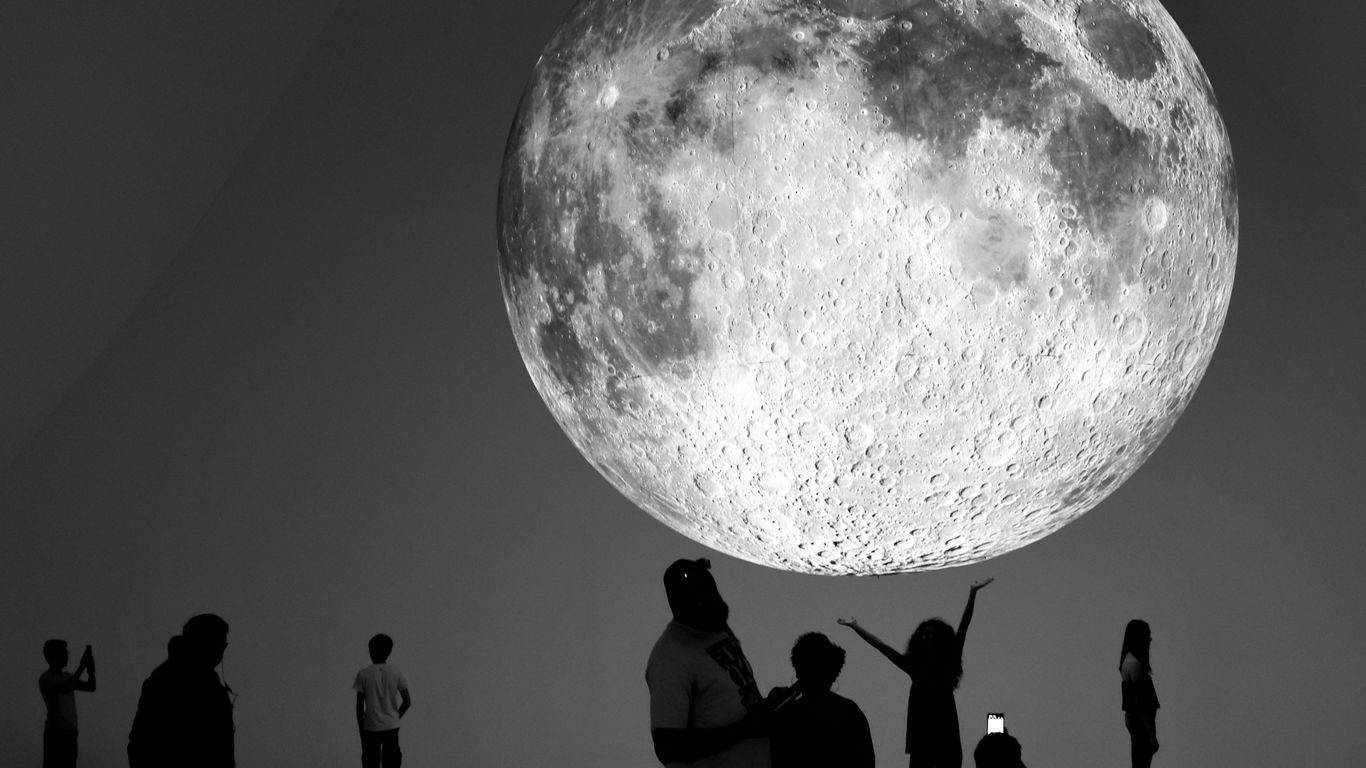
Not all marketing feels personal. But when a brand makes you feel like a guest, not just a consumer, that’s when things really click. Some brands have cracked the code—here’s how.
IKEA’s Cozy Sleepover Events
IKEA once opened its doors for a handful of sleepover parties. Imagine being invited to actually sleep in their showroom beds, complete with bedtime snacks, movie marathons, and goodie bags. This isn’t your typical furniture shop visit—it’s an overnight stay at a place you’ve only browsed by day.
- Guests got to test mattresses, sheets, and pillows in real-time.
- Staff shared bedtime stories and sleep tips, turning shopping into a personal experience.
- Social chatter spiked, with guests and followers posting photos under IKEA’s chosen hashtag.
It helped IKEA feel more like home—not just a store.
State Farm’s Neighborhood of Good Activations
State Farm didn’t just talk about being a "good neighbor." Instead, they brought the slogan to life with interactive installations in major cities. Visitors could "lend a hand" in real community service projects, right at the event:
- Visitors assembled care packages for local charities.
- Kids got involved with coloring stations that doubled as awareness campaigns.
- People could sign up on the spot to volunteer with local nonprofits.
The message wasn’t just stated; it was acted out, helping people associate State Farm with real impact rather than just insurance policies.
Merrell’s Virtual Hike Challenge
Hiking boot brand Merrell wanted to get people outdoors—but first, they brought the outdoors to people. In select cities, they set up a virtual reality hiking journey. Participants strapped on a VR headset and a pair of Merrell boots, then “walked” along a simulated mountain path with obstacles and scenery. Here’s what stood out:
- People experienced the terrain’s ups and downs without ever leaving the city.
- The VR element highlighted Merrell’s shoe tech in a way that a TV ad could never do.
- Most walked away chatting about how real it felt and shared their VR selfies on social.
Check this out:
| Experience | Social Posts (#) | Event Attendees |
|---|---|---|
| IKEA Sleepover | 4,500+ | 200 |
| State Farm Activations | 1,800+ | 1,000 |
| Merrell VR Challenge | 2,200+ | 450 |
These experiences stick because they focus on making you part of the story, not just an extra at the event. When brands put you in the center, you walk away with more than just a product—you remember the feeling long after it’s over.
Creative Campaigns Driving Engagement
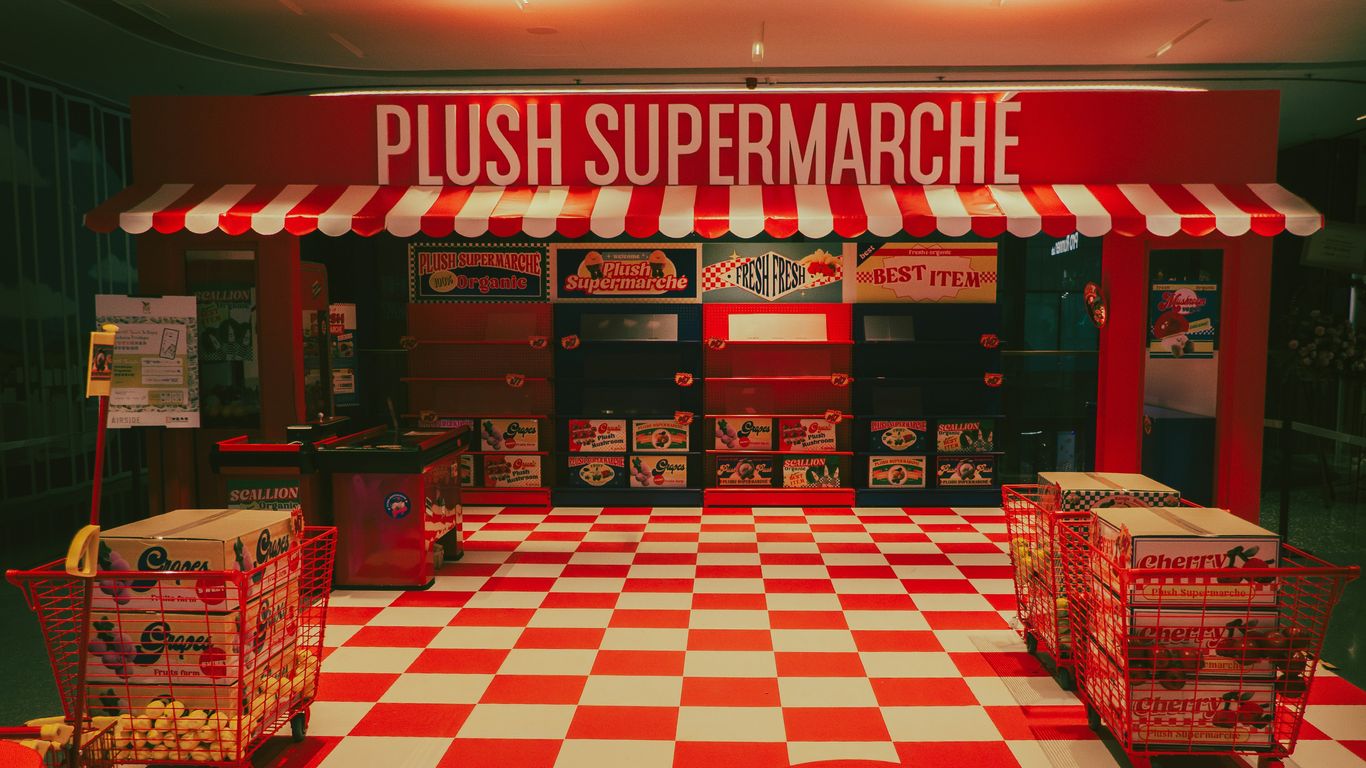
Sometimes, the most effective marketing isn’t about shouting the loudest, but about getting people to do something. These campaigns really nailed that, turning passive viewers into active participants and sparking conversations that went way beyond the initial promotion.
Coca-Cola’s Icy Beach Delivery
Imagine this: you’re lounging on a hot beach, wishing for something cold. Suddenly, a Coca-Cola delivery person on a special, ice-filled bike appears, offering you a refreshing drink. That’s exactly what Coca-Cola did in some beach locations. It wasn’t just about handing out soda; it was about creating a moment of pure, unexpected delight. They turned a simple product delivery into a memorable, refreshing experience that people talked about long after the ice melted. It’s a great example of how a brand can show up in a relevant, helpful, and fun way, making a real connection with consumers right when they need it most.
Netflix’s Luke’s Diner Nostalgia Tour
When Netflix wanted to promote the Gilmore Girls revival, they didn’t just run ads. They went all out and recreated Luke’s Diner, the iconic coffee shop from the show, in several cities. Fans could actually visit, grab a coffee, and soak in the atmosphere. It was a masterclass in tapping into existing fan love. People lined up for hours, not just for coffee, but for a chance to step into the world they adored. This kind of deep dive into a show’s universe makes fans feel seen and appreciated, building a stronger bond with the brand that hosts these beloved stories.
Burger King’s ‘Burn That Ad’ App
Burger King took a really bold approach here. They launched an app that used augmented reality. Basically, you could point your phone at a competitor’s ad – say, a McDonald’s billboard – and the app would ‘burn’ it, then give you a coupon for Burger King. It was clever, a little cheeky, and definitely got people talking. It gamified the whole advertising space and gave consumers a direct, interactive way to engage with the brand’s message. Plus, it generated a ton of buzz online and in the news, showing how a bit of digital innovation can create a big splash.
The Power of Experiential Marketing
Experiential marketing isn’t just a buzzword. It’s the difference between someone barely remembering your name and them telling all their friends about you. When it works, people don’t just consume your brand—they live it for a moment. In this part, let’s get a little more real about what makes it such a game changer.
Building Genuine Trust and Lasting Relationships
If there’s anything brands are desperate for now, it’s trust. Traditional ads promise the moon, but how often do you feel a connection with a pre-roll video? That’s where experiential marketing flips the script. Putting people in the middle of something new, fun, or surprising creates real, human memories they remember for years. Whether it’s a pop-up where they can taste-test new products or a creative event tied closely to what the brand stands for, these moments stick. Over time, this can turn a one-off customer into a regular—someone who truly believes in what you do.
Here are some qualities these events have in common:
- They let you try or see something for yourself.
- The environment usually feels relaxed and friendly, not salesy.
- Brand reps are genuinely helpful and encourage conversation instead of just pushing the product.
Sparking Word-of-Mouth and Social Media Buzz
People love sharing interesting experiences. A clever campaign, a unique pop-up, or a wow-worthy live event gets folks talking online and off. Basically, if your brand can deliver something that people want to tell their friends about, you win. Here’s what tends to happen next:
- Posts, mentions, and hashtags multiply on social networks.
- Honest, personal stories (not just "ads") get posted, driving organic reach.
- Friends and family trust these posts way more than traditional commercials.
Some quick stats (example data):
| Experience Type | Likelihood to Share on Social (%) |
|---|---|
| Immersive Event | 75 |
| Free Sample | 58 |
| Interactive Digital | 64 |
Boosting Brand Loyalty and Customer Retention
Experiential marketing isn’t a one-hit wonder. It’s about planting the seed for long-term loyalty. People who get a great first impression are more likely to come back. Sometimes, a single powerful event can turn visitors into die-hard fans. Here’s why:
- Customers feel like they’re part of the brand’s story.
- There’s a sense of authenticity—real people, real experiences.
- Return visits or sign-ups often spike after genuinely engaging events.
Summing up: In a world where people are tired of ads following them around, experiential marketing brings brands back down to earth, where they can shake hands, start conversations, and maybe, just maybe—stay top of mind for the long run.
Transforming Consumer Connections
It’s not just about selling a product anymore, is it? Brands that really get it understand that people want to feel something. They want to be part of something, not just told about it. Experiential marketing is where that magic happens. It’s about creating moments that stick with people long after the event is over.
Creating Unforgettable Brand Moments
Think about it: when was the last time a TV ad really blew you away? Probably not recently. But a cool event, a unique pop-up, or an interactive experience? Those are the things you talk about. Brands are shifting from just showing off their features to actually letting people experience what they’re about. It’s like the difference between reading about a great meal and actually tasting it. These experiences build a connection that’s way stronger than just seeing a logo.
Encouraging Deeper Customer Understanding
When people interact with a brand in a real-world setting, it gives the brand a chance to see what makes them tick. What do they respond to? What makes them laugh? What problems are they trying to solve? It’s a two-way street. Brands can gather feedback and insights that are way more genuine than what you get from a survey. Plus, customers feel heard and valued when a brand takes the time to create something special just for them.
Differentiating Brands in a Crowded Market
Let’s be honest, there are a lot of brands out there selling similar stuff. How do you stand out? You create an experience that’s uniquely yours. It’s not just about having the best product; it’s about having the most memorable interaction. When a brand can offer something fun, engaging, or even a little bit surprising, it makes people take notice. It carves out a special spot in their minds, making them more likely to choose that brand when they’re ready to buy.
Conclusion
At the end of the day, experiential marketing is all about making real connections. The best campaigns aren’t just flashy stunts—they’re moments that stick with people long after the event is over. Whether it’s a pop-up sleepover at IKEA or a wild space jump with Red Bull, these experiences show that when brands invite people in, they get remembered. It’s not about pushing products, but about letting folks be part of the story. And honestly, in a world where everyone’s glued to their screens and skipping ads, that kind of genuine engagement is rare. If you’re thinking about your next marketing move, maybe it’s time to stop talking at your audience and start creating something they’ll actually want to talk about. That’s what makes a brand unforgettable.
Frequently Asked Questions
What exactly is experiential marketing?
Experiential marketing is like letting people try out a brand instead of just reading or watching ads about it. It’s about creating fun events or cool activities where people can actually touch, feel, and experience what a brand is all about. Think of it as making a memorable memory with a company, not just seeing a commercial.
Why do brands use experiential marketing?
Brands use this because it helps people remember them better and feel a real connection. When you have a great time experiencing something, you’re more likely to trust the brand and tell your friends about it. It’s a way to build strong friendships with customers that last longer than a quick ad.
Can you give an example of a famous experiential marketing campaign?
Sure! Red Bull once had a famous athlete jump from space. Millions watched it live online! This showed off Red Bull’s ‘Gives You Wings’ idea in a super exciting way that people couldn’t forget. It was all about adventure and pushing limits.
How does this type of marketing help a brand stand out?
In today’s world, there are so many ads everywhere. Experiential marketing helps brands break through the noise by offering something unique and interactive. When a brand creates an amazing experience that competitors can’t copy, it makes that brand seem special and innovative.
Does sharing experiences online help the brand?
Absolutely! When people have an awesome time at an event or try something cool, they love to share photos and videos on social media. This is like free advertising! It gets more people talking about the brand and makes others curious to check it out too.
What’s the main goal of making these experiences?
The main goal is to create a strong, positive feeling between the person and the brand. It’s about making them feel like they’re part of something special. This makes customers feel more loyal, encourages them to come back, and makes them want to recommend the brand to others.